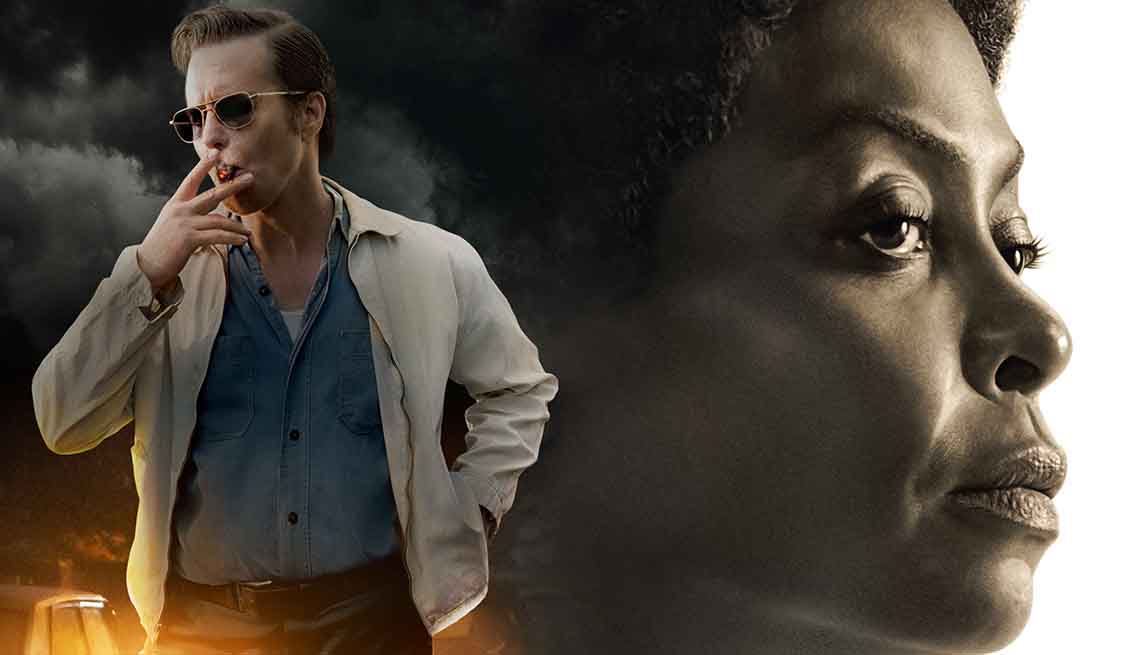
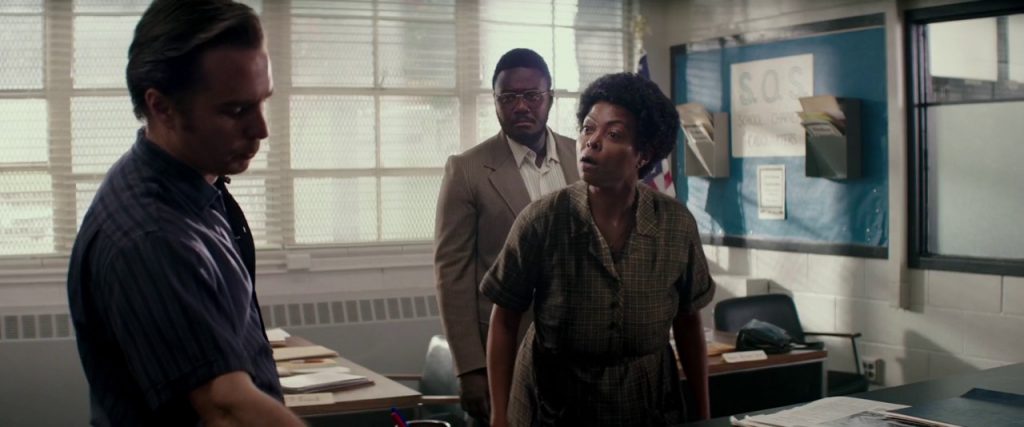
Life has a very funny way of putting us in the most uncomfortable of positions. Most people in working spheres understand the rigors of working with folks they aren’t particularly fond of. Take this scenario and place the key characters of the 2019 drama on race and redemption – Clairborne Paul Ellis (played by Sam Rockwell), a high ranking cyclops in the infamous Ku Klux Klan group and Ann Atwater (played by Taraji Henson), a candid, outspoken black activist and place them in a scenario where they have to come together to co-chair a charrette to determine the way forward for the Black students of East Durham, North Carolina through a tightly contested majority vote after they had been forced out by a school fire and the result is the heartwarming denouement of The Best of Enemies. Unsurprisingly, this grouping brought about clashes of character and ideals comparable to the addition of water to acid. Set in 1971, a time rife with segregationist policies and flagrant racist biases, Director and writer Robin Bissell dramatically takes on this true-life story of division and uncommon unity to portray the futility of racial divisions and social prejudices in lieu of unity and progress.
The plot of this film is a gradual progression of sentiments and emotions in the perennial race clashes of a heavily segregationist America.
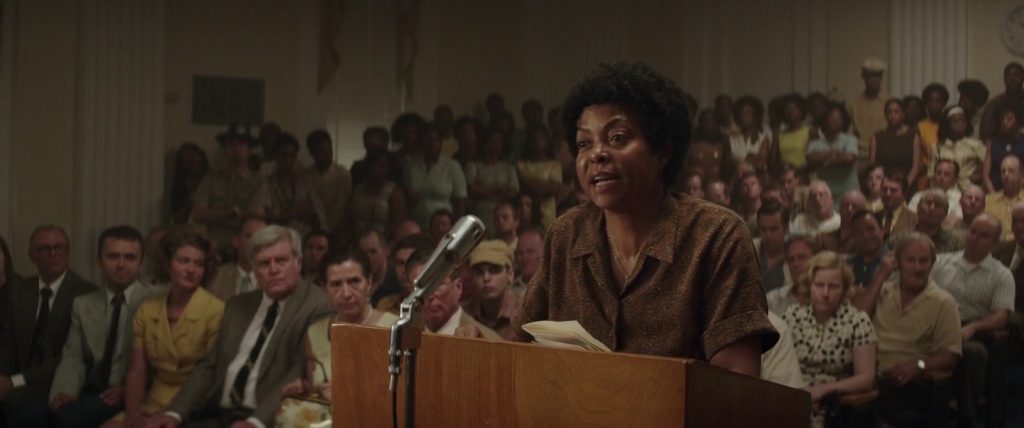
Years of trauma are steadily unfolded as a strong and outspoken Ann Atwater who fights vehemently for the fundamental rights of the black community of East Durham is subjected to the callous snobbery of the infamous Klan cyclops – C.P Ellis. Ann was a powerful, stand-up figure in the black community, a member of the housing committee of the Organization for Community Development, and a fervent voice in the struggle for black people to be heard (as seen in the opening scene) amongst other things.
As strong as she is, she breaks down when confronted with the white hood and robes of the Klan, one of the foremost symbols of racist and white supremacist heritage. Over the course of the first act, she struggles with being heard in a world accustomed to drowning the voices of people who share the same skin color as her. C.P Ellis on the other hand, a passionate white supremacist, struggles with fear – the crippling fear of his inability to keep his family afloat, the fear of social integration between black and white children in a society that was becoming increasingly acceptant of inter-racial communality and the fear of the deterioration of the condition of his autistic son – Larry at the psychiatric center. Both parties are beleaguered by their personal problems and their crossing of paths doesn’t seem like an avenue for any of their problems to be solved or their prejudices to be dissolved.
But through their problems, a black woman fighting her way through an anti-black society and a white segregationist battling to avoid failure as a father, the movie shows that we all have more in common than we think.
What really makes us human is our problems. The Best of Enemies is a powerful testament to the power of empathy in changing human relations for the better and breaking down boundaries that were once perceived to be unbreakable.
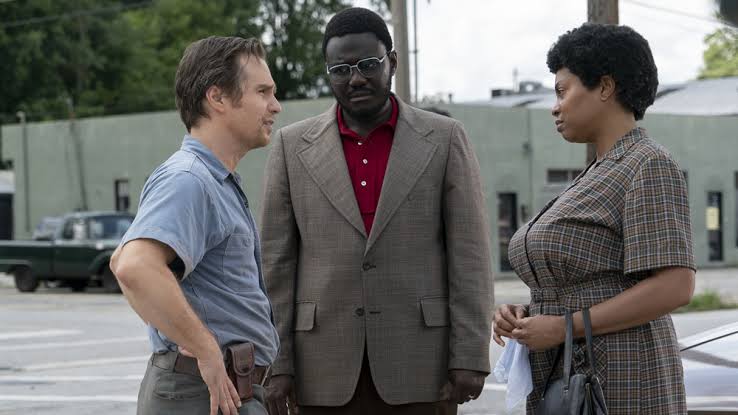
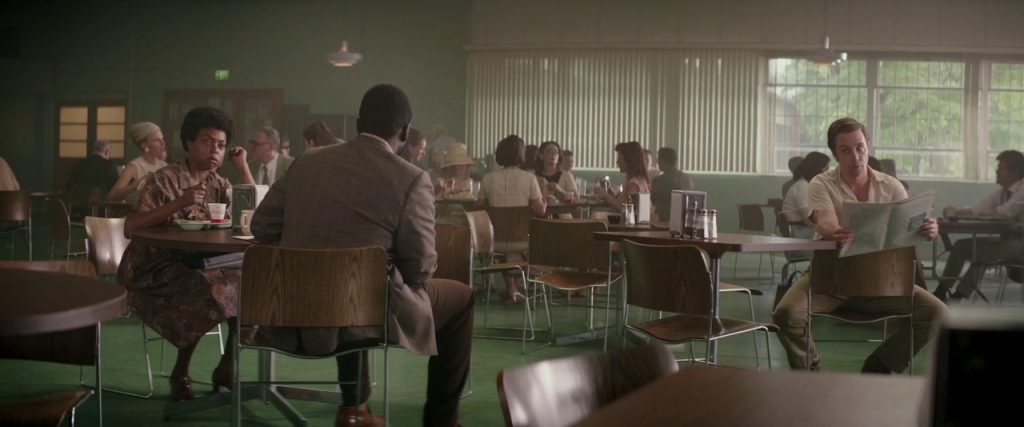
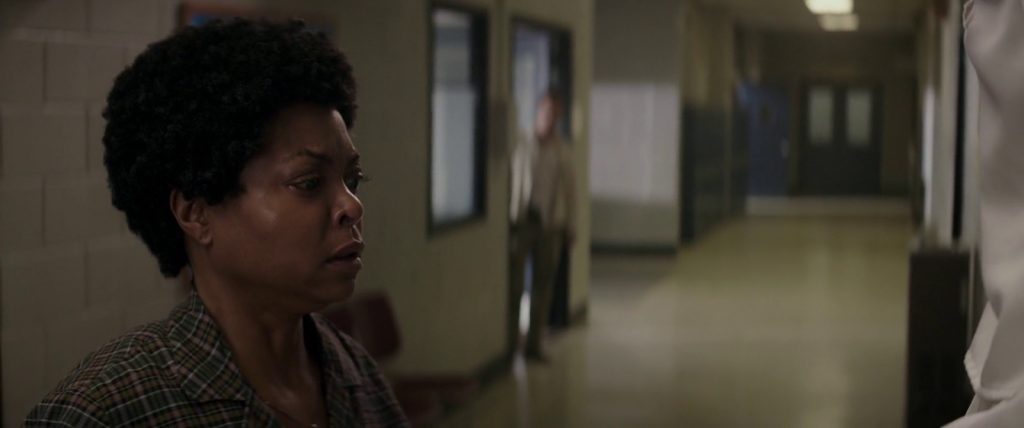
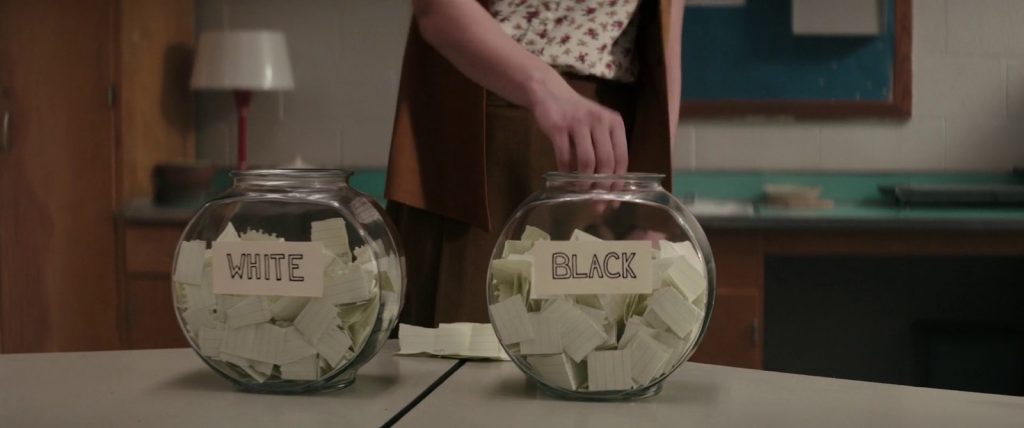
Empathy is defined by the Merriam Webster Dictionary as the action of understanding, being aware of, being sensitive to, and vicariously experiencing the feelings, thoughts and experiences fully communicated in an objectively explicit manner. Race relations in situations like that of C.P Ellis and Ann Atwater’s are very often devoid of empathy. Hatred blurs personal struggles out of the vision of both parties and the oppressive party never really understands that he is the oppressive one. Faced with a situation where you are mandated to be in constant adjacency with a member of a faction that offends you, you either let hate be the basis of your actions, or you see beyond your prejudices or sentiments and understand the basis of humanity in our imperfections and problems.
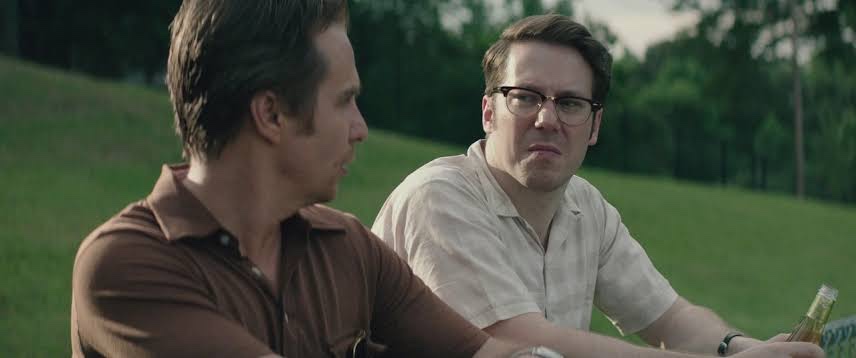
It is first through a character named Mr. Trombley (played by John Gallagher Jr.), a veteran in the Vietnam war, C.P Ellis begins to understand that black people suffer hardship like human beings on the other side of the color gradient. Trombley explains that he trusts a black man with his life because he served along with one during the war in Vietnam. They saw the same things and suffered the same hardships; it was no different for either when all the chips were down. This empathy is displayed when Ann goes out of her way to get better accommodation for C.P’s son Larry at the psychiatric center.
This empathetic understanding of the struggles of another human was one of the grounds for the reforming of racial sentiments in the life of C.P. Ellis and that of his family. In a heated rant from Ann towards C.P, she states “You’re afraid you’re gonna lose what you ain’t even got C.P! You’re poor. Just like the rest of us. You ain’t got nothing except problems”. Yet again in the film, a highlighting of the reality of shared struggles brings the oppressor to the level of the oppressed, inciting a self-examination that would lead to one human being treating another with compassion and respect. This, is the power of empathy in making our relation with other human beings wholesome and beneficial to all.
This understanding of the power of empathy is not only applicable to race relations, but also to our everyday lives. In dealing with people we’ve been predisposed to hate or dislike, a gesture or statement to display an understanding of our shared struggles as human beings would go a long way to bring out the best in both ourselves and these people. There should be no room for hate because at the end of the day, we are all just human beings and we have more in common in our joys and struggles than we know. Many times, we’re too caught up in trying to solve our own problems that we forget that the discrepancies in character and attitude in our relations with others also comes from them being caught up in trying to solve their own problems. Having a little empathy goes a long way to help change that.