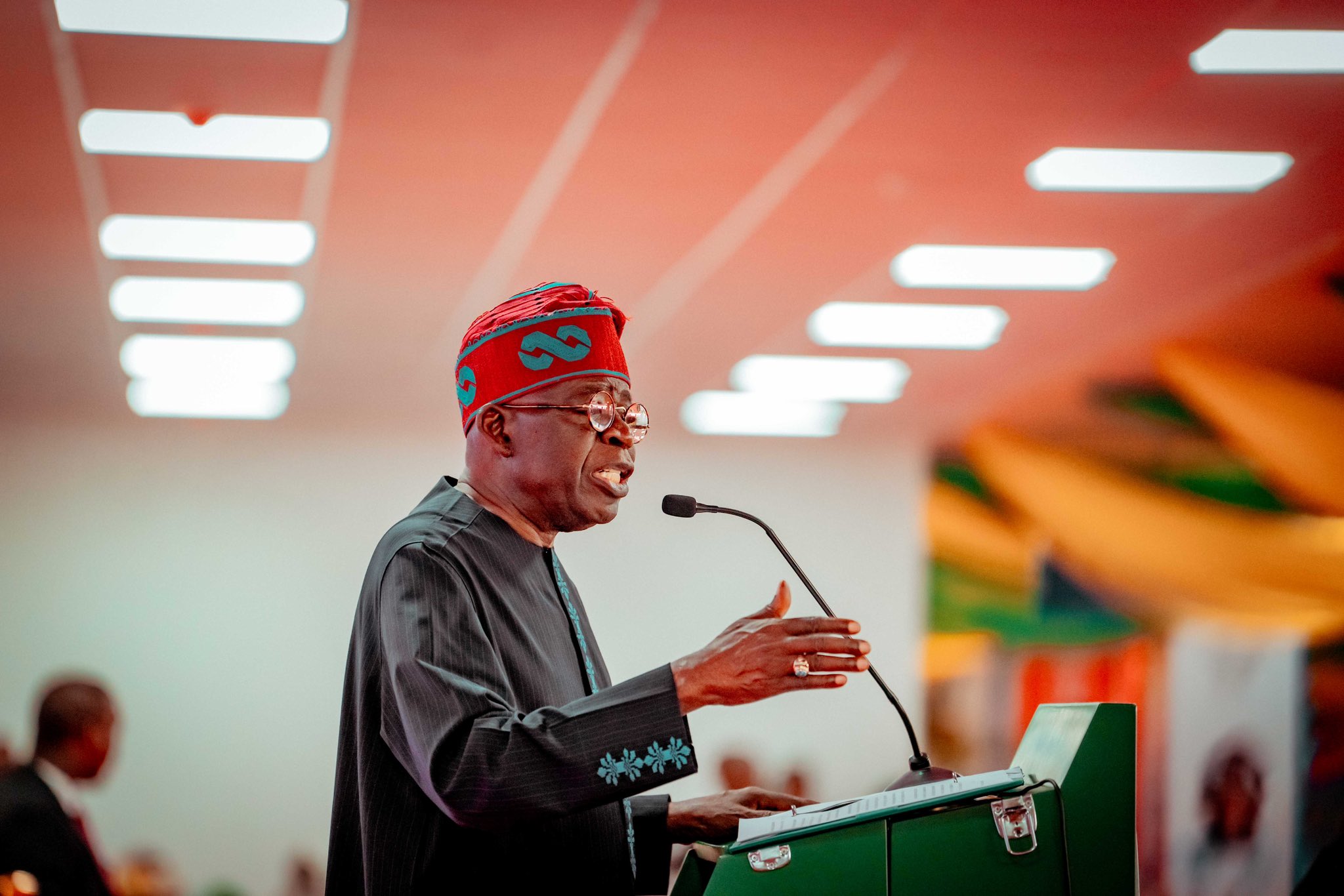
Nigeria’s President Bola Tinubu will implement a three-month ban on ministers and other government officials from publicly funded foreign trips, effective April 1. The move, announced by Mr. Tinubu’s chief of staff, is a response to concerns about the escalating costs of travel expenses for public officials.
Criticism has mounted against President Tinubu and his administration for their frequent foreign visits. This scrutiny intensified after the government sponsored over 400 people to attend the COP28 climate conference in Dubai last November. Since assuming office in May 2023, Mr. Tinubu has undertaken more than 15 foreign trips.
According to a report by the Nigerian newspaper Punch in January, citing GovSpend, a civic tech platform that tracks government spending, President Tinubu’s travel expenditures reached at least 3.4 billion naira ($2.2 million; £1.8 million) in the first six months of his presidency, exceeding the budgeted amount for 2023 by 36%.
Mr. Gbajabiamila, Tinubu’s chief of staff, stated that the travel ban aims to reduce costs amid Nigeria’s “current economic challenges and the need for responsible fiscal management.” Nigeria is currently grappling with one of its worst cost-of-living crises in decades, resulting in widespread hardship and public discontent.
To counter the backlash, Mr. Tinubu previously announced a 60% reduction in the size of official travel delegations in January, including cuts to his own entourage. Under the upcoming ban, government officials will only be permitted to travel abroad if deemed “absolutely necessary” and with President Tinubu’s approval at least two weeks in advance.
Mr. Gbajabiamila emphasized that the travel halt will enable government officials to “focus on their respective mandates for effective service delivery.” Despite this measure, President Tinubu has not indicated whether he will reduce his own foreign trips.
The president and his representatives have defended his international travels in the past, citing their importance in addressing economic challenges, which critics accuse him of neglecting.