On 17 October 2025, Michael Randrianirina was sworn in as president of what he called the Refoundation of Madagascar. A month of Gen Z protests over water, electricity, justice and transparency had pushed out President Andry Rajoelina.
A year later, the clearest change is who the new government is talking to. Four days after taking office, Randrianirina met the Russian ambassador in Antananarivo.
On 20 December, a flight landed with 40 men led by Andrey Averyanov, a Russian intelligence general whom researchers describe as the suspected supervisor of Africa Corps, the successor to the Wagner group. The authorities confirmed that month that Africa Corps instructors were training the Malagasy military. Helicopters, tanks, trucks, drones and rifles followed in shipments between December and April, presented as donations.
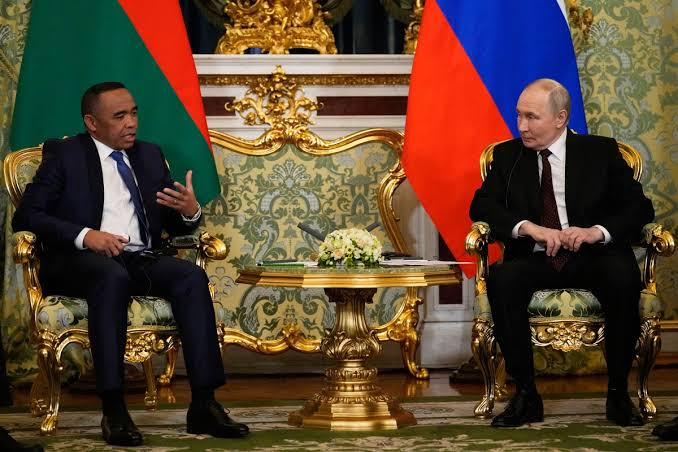
In February, Averyanov attended a Moscow meeting between Russia’s deputy prime minister and Madagascar’s armed forces minister. Two weeks later, he joined the delegation that hosted Randrianirina on an official visit to Moscow. In April, a Russian delegation visited the port of Antsiranana, also called Diego-Suarez, and six Gen Z activists were arrested. In May, a former foreign minister, Ny Hasina Andriamanjato, was named ambassador to Russia. A month later, the two countries announced a joint economic zone with fuel storage as its first project.
Researchers quoted by RFI see Diego-Suarez as a possible logistics hub, comparing it to Russia’s base at Tartus in Syria. They also point to a state-linked news agency, African Initiative, that works through prizes, sporting events, media support and trips to Moscow.
At home, the protesters’ demands are largely unmet. Ketakandriana Rafitoson of Transparency International said power remains concentrated, checks and balances are weak, and impunity and a lack of transparency persist. “The victims of last year’s violence are still waiting for justice,” she said. Gen Z has become a political force, she added, but not one with real decision-making influence.
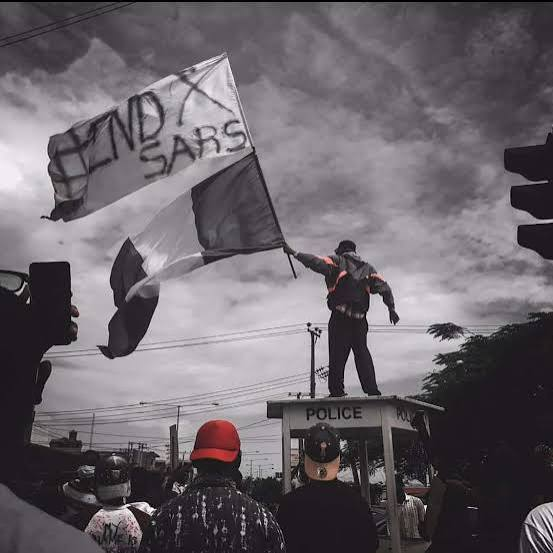
For Nigerian readers, there is a familiar question inside this story. As EndSARS turns six on 20 October, we need to remember that what a youth movement wins in the street and what it holds a year later are not always the same thing.