Author: Enioluwa Adeoluwa

  • One thing is certain, God did not destroy Sodom and Gomorrah because of homosexuals.

    One thing is certain, God did not destroy Sodom and Gomorrah because of homosexuals.

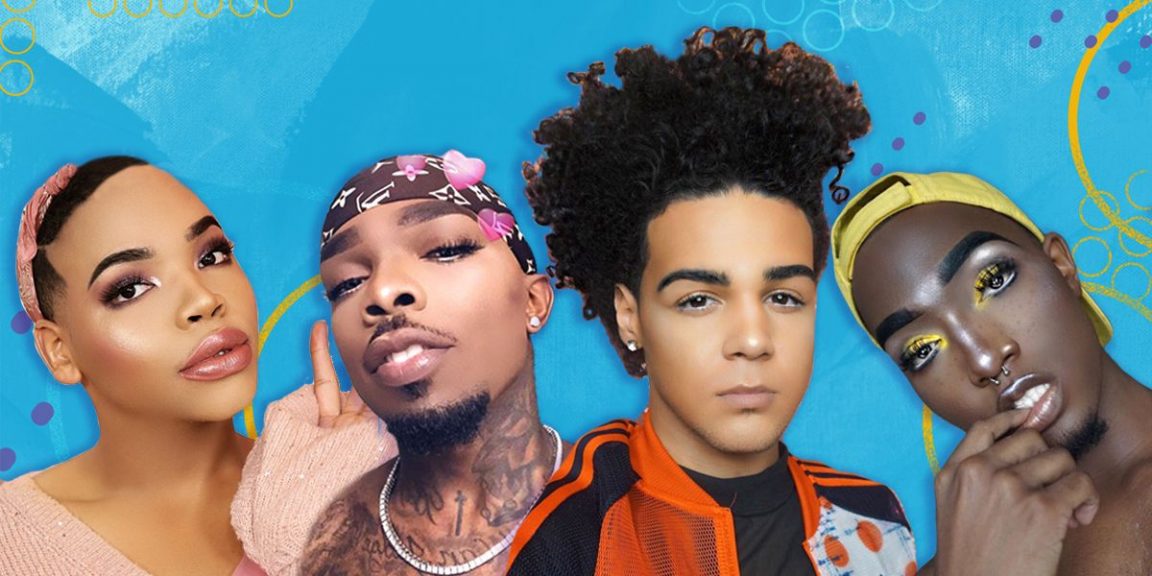
    I hear the whispers most times when I walk through the streets where I’m familiar, or visit a group of friends, with a new person in our midst once again questioning my sexuality. I had to go through the same routine of explaining to him ‘that I am effeminate and not gay’ as I had done when I first met all of my other friends. 

    One place I always felt confident anyway of the way I acted was in Church, in the choir. No one had any reason to question why I acted the way I did, most likely because most men who were in the choir were ‘effeminate. Most recently with the outbreak of coronavirus, there have been pictures and texts being circulated in the form of broadcasts, that the reason the world is plagued with coronavirus is has a result of God’s anger towards homosexuality and effeminate men.

    The church, especially in Nigeria, has been an antagonist towards homosexuality in the country, but recently there have been tweets towards effeminate men as well.

    Being effeminate doesn’t make you gay, it is definitely not an automatic ticket. The church is definitely in denial if it is yet to have the conversation that effeminate men have always been in the church, working and serving even when others wouldn’t.

    Christians know effeminate men have always been in church, singing to every Sunday, taking the solos, conducting the choir, ushering you to your seats, cleaning on Saturdays, evangelizing, teaching Sunday school and preaching the gospel. You ignore all of that on weekdays, they suddenly become the one God hates.

    The masculinity most often being touted as “Christian” is toxic, it is patriarchal, and it is failing. It is failing women, it is failing society, and it is failing men themselves. Rigid gender performance is a cultural construct, not a divine decree. Truly, if we are created in the image of God, we are made to transgress narrow definitions of “masculine” and “feminine” behaviour. God is neither male nor female. Though frequently referred to with masculine pronouns, at other times God is described in the feminine, as a comforting mother (Isa 66:13) or a hen guarding her brood (Luke 13:34). Even in denial, we often refer to Jesus as the ‘BrideGroom’ and ourselves,  his ‘Bride’.

    For too long, we have taught men a sense of gross entitlement, shunned male emotion, laughed off boyhood violence, and absolved our abuses. “Effeminacy” describes the rejection of toxic masculine behaviour, but it ought to be seen as repentance for patriarchal sins .

    Benjamin Perry

    It is also hilarious to state, that Christians would think God destroyed Sodom and Gomorrah because of homosexuality, even when the bible states that the sins of the land were too many, 10 faithful men could not be found in the land and that was distasteful to God. It wasn’t the first time God was destroying the land, he flooded the earth once because of its immorality. In Ezekiel 16:48–50, God compares Jerusalem to Sodom, saying “Sodom never did what you and your daughters have done.” He explains that the sin of Sodom was that “She and her daughters were arrogant, overfed and unconcerned; they did not help the poor and needy. They were haughty and did detestable things before me.”

    This is contrary to many people, thinking homosexuality is the worst of all sins, a sin that is not even listed in the seven abominations; Proverbs 6:16-19 lists seven things which are abominations: “haughty eyes, a lying tongue, hands that shed innocent blood, a heart that devises wicked schemes, feet that are swift in running to mischief, a false witness who utters lies, and one who spreads strife among brothers.

    I’m not saying Homosexuality isn’t a sin, but don’t be quick to judge a sect of people to think that you don’t do worse things even before our maker, God. All sin is an offense to God and demonstrates mankind’s rebellion against him. Until the Chruch normalizes homosexuality as a sin as the others to which they preach, they wouldn’t be able to save the ones they castigate against. 

    You lie, steal, gossip, spread strife, fornicate, commit adultery, kill and you ignore all of that and think ‘homosexuality’ is the one reason God is angry with the world and would send coronavirus to it. You definitely do not know the scriptures. One thing is certain, God did not destroy Sodom and Gomorrah because of homosexuals he destroyed them because of sins you still commit.  

    For men, God’s message is clear — act justly, love mercy, and walk humbly with your God. (Micah 6:8) Clothe yourselves with compassion, kindness, humility, gentleness and patience. ( Colossians 3:12) Love your neighbour as yourself. ( Matthew 22:39). If this sounds like an invitation to effeminacy, it’s only because “masculinity” has strayed so deeply into sin.

  • Dear Burna Boy, A Self-Appointed Nickname Doesn’t Make You a Giant.

    Dear Burna Boy, A Self-Appointed Nickname Doesn’t Make You a Giant.

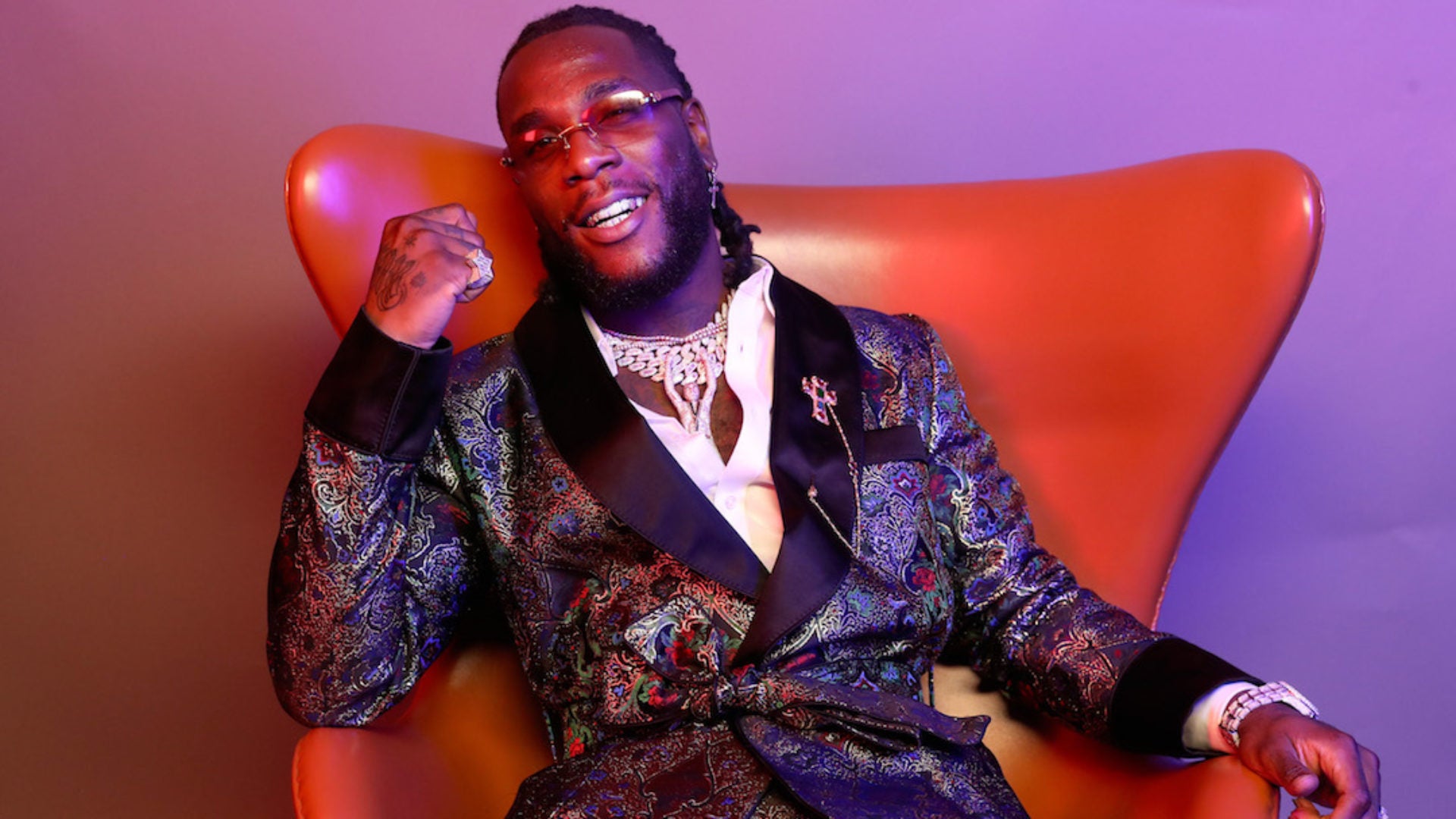
    Nigerian Afro-pop singer Damini Ebunoluwa Ogulu, one you may know has Burna boy has certainly gone on to prove that it is what you call yourself you would be addressed by. From being called an underrated artist to self-acclaimed title as the ‘African Giant’, a clap-back at Coachella 2019’s official performance poster which had his name in smaller fonts led to this PR-positive decision, later earned him a successful crossover to the global stage. But is that really all it takes to become an unassailable African Giant?

    The past few days have been brisk in the Nigerian music industry after famous producers Sarz and Shizzi served us legendary moments with the battle of the hits, a friendly Instagram Live Versus with over 22K people in attendance. At the end of the two-hours face-off, twitter users were quick to start comparing their favourite artists, birthing more challenges even among artists themselves.

    A fan turned to #AskBurnaboy who he would go heads to heads with in a battle and he was quick to respond that he would go against ‘any worthy challenger. A statement some would refer to as a challenge to the three big names, ‘Wizkid, Olamide and Davido’’ and even Tiwa Savage. 

    While some people think Burna’s tweet seemingly juxtaposes his confidence, others have gone on to describe it rude and unnecessary. If we are to keep it real, Rekaado Banks is no match for Burna Boy’s long line of hits and achievements but a better response would have earned more respect from his fans and the audience.

    Burna Boy has been on the stage since 2012 after his first performance on the Calabar carnival stage, yet remained in the shadows of himself except the various controversies that came year-after-year until 2018, he was mostly referred to as a great hit out of the Nigerian Music industry right after his notable appearances.

    To compare himself to any of the big names we have always known would be rather disrespectful but not for Burna who says nobody paved the way for him in the music industry, in a tweet in which he has since deleted. 

    Lol. NOBODY paved shit for me. Everybody dey find them own. I bin Out here, if you knew the way they made us look weak by begging and paying the western world to like us you will see that no table was set and I’m the one that brought you the Respect you currently enjoy. — Burna Boy (@burnaboy) February 12, 2020

    Twitter users were quick to respond to what Burna Boy had said Joey Akan said ‘Burna Boy is disrespectful,’ he goes on to explain this in a Twitter thread. 

    https://twitter.com/DenolaGrey/status/1245297690340188160?s=20

    One thing remains clear regardless, In a space saturated by many versions of the same skinny-jeans-clad, hit-seeking singers, with the same dreadlocks, as if to suggest they came off a production line, there is only one Burna.


    Let us know if Burna Boy is really an ‘African Giant’ in the comment box below.

  • Is Gender Equality Just A Trend To Nigerian Brands?

    Is Gender Equality Just A Trend To Nigerian Brands?

    Marketing is a powerful force, a force strong enough to change ideas and create positive action. We must use that power thoughtfully.’

    The international movement against sexual harassment and assault, the daily conversation on social media, has provoked thoughts such as the #SexForGrades which has increased visibility for the challenges women face around the world. It’s also raised the stakes for brands who want to engage female consumers.

    In the past two decades, the use of “femvertising” – marketing to women with themes of feminism has risen sharply as the modern-day women’s rights movement gains huge popularity. 

    Are the daily messages effective or is it just a trend. Profiting from these ideals while embodying the opposite is not clever, it’s exploitation. Perhaps hoping for a similar outcome, many brands have since jumped on the femvertising bandwagon, seeking to attract not only female buyers but Millennial consumers.

    Stop Marketing To Women With Ads Created By Men

    Most importantly, when brands claim to be stewards of feminist ideals in their advertising but do not live up to those ideals in practice, it has a direct impact on the women’s rights movement. There is a very real danger in companies exploiting feminism’s message without taking action to further the movement by diminishing feminism to a tagline, or a hashtag, instead of a mechanism to engage in the real, hard work of promoting true equality.

    Feminism isn’t a tagline. It should be a mindset but Nigerian brands are not seeing it this way.

    I’m not an advocate for all brands to use feminism in their advertising. But, if you’re going to capitalize on the movement, consider your responsibility first.

    Practice what you preach:

    Don’t just talk the talk, walk the walk. Ask the hard questions about how your organization manifests feminism’s ideals before you stand on this platform. That means transparently pay women equally to men, demonstrate women leadership at the highest levels of the organization and throughout the ranks, mandate supplier diversity. Nigerian brands are often quick to jump on feminism and social media trends but how many of them practice what they preach.

    WEMA bank has  4 women in its 11 member board of directors.

    First bank has 3 women in its 13 member board of directors

    GTBank has 4 women in its 14 member board of directors.

    Access bank has 3 women in its 9 member board of directors.

    UBA has 4 women in its 18 member board of directors.

    Zenith Bank has 1 woman in its 13 member board of directors. 

    Eco Bank has 3 women in its 13 member board of directors.

    Think twice:

    Taking any stance as an organization on a politically charged or hot button issue is a risk, which will invite criticism from both supporters and opponents of the issue. The WEMA bank newsletter blamed women for patriarchy, the day equated to celebrating women. There are many options your marketing can take. Think twice, maybe three times, as to whether gender equality is the direction that makes the most sense for you.

    Go authentic for real impact.

    The best marketing involves real stories from real people. Ultimately, if you’re marketing to women, you should be using women to do so (I’m including all people who identify as women here). It’s honestly as simple as that! If your ad team is a bunch of men sitting around a table brainstorming about what women care about, that’s a big red flag.

    Think beyond the hashtag:

    If you determine that your organization practices what it preaches, consider what else you can do to support women beyond the feel-good message of your hashtag. 

    If we can’t hold our organizations up to the scrutiny of true equality, we should never cheapen the movement by exploiting the narrative. It’s too reckless and there are real consequences. Our society, and our consumers, deserve more. Stop objectifying women in the marketing of other product lines or business units.

    Feminism isn’t a gender role competition, it does not negate that men are often physically stronger than women. It speaks to make the society better and passes through a large ray of topics ranging from gender pay to toxic masculinity and a host of others. It is left for brands to ensure that there are women seated when these campaigns are made, allow those who are affected by it and understand it, handle it and make the decisions.

    We have to do better! 

    Note: This is long taken research, and facts are referenced. 

  • What It Is Like Growing up Being Effeminate In Nigeria

    What It Is Like Growing up Being Effeminate In Nigeria

     “By far the worst thing we do to males — by making them feel they have to be hard — is that we leave them with very fragile egos.”

    — Chimamanda Ngozi Adichie, award-winning author

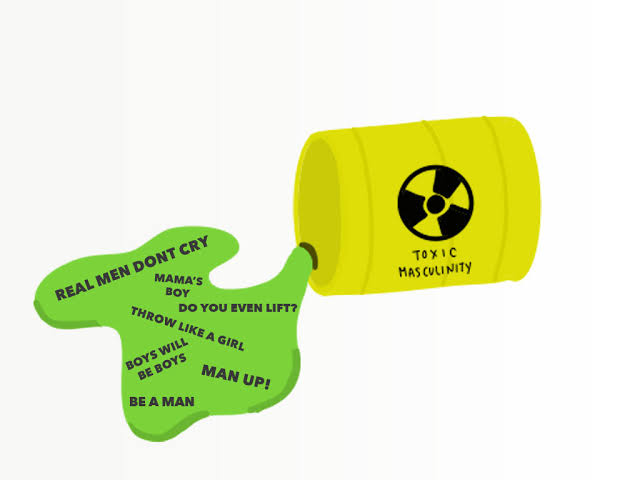
    I believe the term “effeminate” is a derogatory term to men who act a certain way as if to think there is a defined way to which a man should be. You may not like to say it, but it is all about TOXIC MASCULINITY. There is no one way to be a man.

    I grew up in the western part of Nigeria, gladly, I have the best experiences in comparison to what my friends who grew up in other parts of the country have said, but there is one thing that is certain, we have all been called ‘sissy’ a couple of times.

    “Toxic masculinity” is tricky. It’s a phrase that—misunderstood—can seem wildly insulting, even bigoted

    Meka, 22 says boys seem to have been largely left out of the conversation about gender equality. Even as girls’ options have opened up, our lives are still constricted by traditional gender norms: being strong, athletic and stoic and when you are none of that, you are taken to be weaker or told ‘man up’.

    He expresses the ideologies to the defined thoughts of other men around him “They think because you care for your skin, or extra neat, you are too feminine. You are therefore discouraged from having interests that are considered feminine. You are told to be tough at all costs. Boys need to be taught to be human, teach him that he has a full range of emotions, to stop and say, ‘I’m not angry; I’m scared,  my feelings are hurt, or I need help.’

    If you are effeminate or have one as close friends, you have probably heard people mutter ‘He is Gay” ask really uncomfortable questions about your personality “Why do you behave like that?” or sometimes question themselves as if to think it is a test question “He Is Gay?” “Is he gay?” “I am sure he is” “Where you born this way?” because there is the assumption that there is only one way to being a man in this part of the world, basically Nigeria.

    I spoke to fashion designer and stylist Ikechukwu Oscar (24) about growing up in Nigeria and being interested in fashion.

    My dad never told me that he loved me, even though I know he does. He hadn’t hugged me either. Even now, I would love to hear him say it.

    He recalls so many times his father had told him to act a man, and be strong, he would probably get cheated on if he continues this way.

    Women are not the sole victims of toxic masculinity, men can be affected just as deeply by these acts. Even if men are not directly targeted by an act of toxic masculinity, the culture of it can force them to suppress their feelings in order to fit in with narrow expectations of masculinity that suggest emotions are weak.

    I’ve heard of so many relationships ending because the man can’t express the way he feels. “We need to be more open to listening to how a man is feeling and push more for them to understand that it’s OK to feel things.”

    The real problem with toxic masculinity is that it assumes there is only one way of being a man. Nowadays, if you’re a girl and you act like a boy, it’s considered cool, it’s normal. But if you’re a guy and you act like a girl, it’s different, it’s not as tolerated.”

    So what does “toxic masculinity,” mean?

    • Maintaining an appearance of hardness
    • Suppressing emotions or masking distress
    • Violence as an indicator of power.

    In other words: Toxic masculinity is what can come of teaching boys that they can’t express emotion openly; that they have to be “tough all the time”; that anything other than that makes them “feminine” or weak.

    I don’t think it’s the work of women, to correct toxic masculinity, I think it’s the work of men like myself and you, and of course, women who need to be talking to our brothers, fathers, friends. At some point, we have to decide how to redefine manhood and masculinity for ourselves and then pass it to on to those around us.


    It is a message for everyone – there is no new “war” on men, and there is no need for anyone to “prove” their masculinity through aggression, its time to put an end to toxic masculinity.

  • 7 Things That Will Help You Love Better

    7 Things That Will Help You Love Better

    Valentine’s time is coming and I just feel it is the best time for you to know that being in a relationship has its perks: you always have a designated cuddle buddy and someone to talk to about the Game of Thrones or King of Boys. But knowing that a relationship is only as stable and healthy as the people in it, you’ve made it your goal to love better this time around good for you.

    The thing is, even if you consider yourself a healthy partner there’s always room for improvement! Since 100% of us aren’t perfect and will either be in an unhealthy relationship or do unhealthy things we wanted to share a few life hacks that will help you #LOVEBETTER. We often focus on learning to love once we’ve entered a relationship, but we have a gut feeling that the foundation of a healthy relationship starts with you, and we have a sneaky suspicion that you intuitively know this too.

    That said, mastering these simple life skills will absolutely help you love better, so let’s get started!


    Love Your Alone Time.

    Too often, especially in the beginning of a relationship, couples start to do everything together. Hanging out with your special one is great but maintaining your independence while you’re in a relationship will be super important to your happiness in the long run. That said, enjoying your alone time is key — whether you’re single or happily coupled. Do all of the things you love, whether it is walking the dog, getting work done in a cafe, or watching that movie that you secretly love, it’s important to be totally comfortable by yourself. While I would love to be with my partner every second of every day, I still cherish my time spent alone. It gives me time to clear my head, get work done, and practice self-care.

    Pro Tip: Remember those things you did before your partner? Keep doing them. I have a cafe I visit religiously to get my work done. Once in a while, my partner joins me for lunch or a coffee, but it’s still my ritual that I prefer to do alone. Whether it’s driving, trails you like to run, or re-watching that episode of Lost that makes you cry every single time, keep building a relationship with yourself.

    Keep Jealousy From Ruining Your Relationships.

    After being in an unhealthy relationship where cheating was involved, it can be challenging to not jump to conclusions the next time around. Jealousy, of course, isn’t confined to love, it could be in regards to a coworker that got a promotion over you, it could be to the sibling that gets all the praise, or even directed toward the friend that looks flawless one hundred percent of the time. In more extreme cases, jealousy can lead to possessiveness in a relationship, and that’s unhealthy behavior! There’s no need to compare yourself to other people — keep on doing you and hold your head high.

    Pro tip: Practice self-love and positive affirmations! You are awesome and deserve all the good things that come into your life! If your partner’s behavior makes you feel insecure then it may be time to start a conversation about the things that make you uncomfortable.

    Manage Stress.

    Finding healthy ways to cope with stress is important in all aspects of life, not just relationship building. Stress management may include a yoga class, a simple walk around the park, or even a quick journal entry at the end of each day — do whatever helps you unwind. Too often we take out our stresses on the people close to us, but it doesn’t have to be that way. Finding healthy ways to cope with stress outside of your relationship only makes unwinding at the end of the day with your S.O. that much better. Bringing stress into the relationship only creates more stress — its a cycle. Having solid stress management skills will help prevent you from snapping at your S.O.

    Become Self Aware.

    How do your actions affect others? What are some things that you need to work on? Try to do this without being too critical. Outside of a relationship, what kind of person are you? What kind of partner are you when you’re in a relationship? These questions are important to ask before you enter something serious. Knowing yourself inside and out will only help build a better foundation with your partner. It’s not just about getting to know another person — it’s about getting to know yourself too.

    Be Unapologetically Yourself.

    Do you love binging those awful conspiracy theory documentaries? Own it. You’ve avoided the craft beer trend and are happy with a $2 beer instead? Order it. The idea of going out to party stress you out? Don’t go! Stay in and binge watches those awful documentaries instead. Life is far too short to pretend to be someone you’re not, and you’ll only regret the time wasted trying to pretend you were someone else. Being yourself from the get-go in a relationship will help you avoid wasting your time with the wrong partner. If they aren’t totally into who you are at your core, there’s no point in continuing what you started.

    Check Your Baggage.

    What are you holding onto? How does it affect your ability to love and be loved? The common saying, “check your baggage at the door” is often easier said than done. Your past traumas, experiences, and relationships absolutely affect your current one. Healing isn’t linear, and even if you know how these experiences affect you, sometimes it’s still difficult to leave them out of your current equation. Maybe you’re still in your healing process, but just being aware of the baggage you carry with you can help a ton in fostering a healthy relationship instead of being oblivious to it.

    Improve Your Communication Skills.

    Another skill that benefits all aspects of your life. Sometimes relationships are awkward and you have conversations that leave you wanting to teleport anywhere else than that moment. Being able to communicate your wants, needs, and what can be improved are the building blocks of a healthy, lasting relationship. Lack of communication creates rifts of misunderstanding and sometimes puts your wants and needs on the back burner. Being able to articulate clearly what exactly you mean is an admirable trait, and will create a strong foundation for any relationship, not just romantic.

    Pro Tip: Before having a difficult or uncomfortable conversation, write down the points you want to make and what you want to say. This helps organize your thoughts and makes sure that you are able to communicate all that you need to.


    Relationships are never easy. But, we’ve got you covered. Learn more tips and advice about healthy relationships and take the pledge to #lovebetter.

  • 10 Home Remedies For Glowing Skin

    10 Home Remedies For Glowing Skin

    Your skin is the largest organ that you have, taking care of it is very important yet dismissible. Glowing skin is typically seen as a sign of health and vitality. Dull or dry skin, on the other hand, can make you feel less than your best.

    Here are 10 products and lifestyle changes that you can implement as part of your beauty and skincare routine. The best part? You probably already have everything you need in your pantry, kitchen, or medicine cabinet.


    1. Soothe skin with virgin coconut oil.

    Coconut oil has anti-inflammatory, antioxidant, and healing properties but using coconut oil on your face may not work for every skin type, it is important that you do not use it if you have allergies to coconut. If you’re able to apply it without irritation, it can be used in a number of ways.

    You can use coconut oil to:

    • Take off makeup.
    • Soothe your skin barrier.
    • Promote dewy-looking skin that’s healthy below the surface layer
    • Coconut oil is a good moisturizer. Try massaging a small amount of coconut oil onto your face. Let it soak in for a few minutes before washing off with your normal cleanser.

    2. Use aloe vera to keep skin strong and healthy.

    Aloe vera has healing properties and may stimulate new cell growth. It also soothes and moisturizes without clogging pores. Using aloe vera after you’ve washed your face each day may give your skin that healthy glow.

    It’s possible to be allergic to aloe vera. Test it first by rubbing a small amount on your forearm and if there’s no reaction in 24 hours, it should be safe to use.

    3. Moisturize properly after washing your face.

    Moisturize your skin with products that lock in moisture, promote healing, and have antioxidant properties to encourage a glowing, youthful look. Don’t exfoliate your skin when it feels dry, and don’t skip moisturizing just because your face feels oily.

    Apply moisturizer to your skin when it’s still wet from a shower or from rinsing your face. This will lock in extra moisture rather than working on a surface level to make your face feel smooth.

    4. Wear sunscreen daily.

    Wearing sunscreen with an SPF of 15 or above can prevent skin cancer. Keeping your skin shielded from harmful UV rays also guards against photoaging, which is the process of skin aging.

    Make sure to apply a product with sunscreen every morning, even on days when it’s raining or the sky is overcast.

    5. Find a cleansing routine that works.

    You don’t want to rob your skin of moisture by washing it too often, and you don’t want to encourage your pores to produce too much extra oil to compensate for too much washing.

    Washing your face after you’ve worked up a sweat, first thing in the morning, and right before bed is typically the sweet spot for healthy skin.

    6. Avoid smoke and secondhand smoke.

    When you expose your skin to cigarette smoke, you’re coating your face with all sorts of chemical toxins. This ups the oxidative stress in your skin cells, leading to prematurely aged skin.

    If you smoke, consider your skin as another reason to quit.

    7. Drink more water.

    Your skin is made up of cells that need water to function well, there’s a strong link between drinking more water and having healthier skin.

    Aim for at least eight 8-ounce glasses of water per day.

    8. Eat to nourish your skin.

    Eating a diet that’s rich in fruits and vegetables will boost the vitamins and antioxidants in your body.

    Eating healthy fats, like fish oils, and staying away from processed foods with lots of preservatives may have a direct connection to healthier-looking skin.

    According to the Mayo Clinic.

    9. Take probiotics.

    Probiotic supplements may:

    • Boost your immune system.
    • Improve your digestion.
    • Reduce bloating and inflammation in your digestive tract.

    Probiotics can contribute to healthy hair and visibly glowing skin, too.

    10. Shorten your shower.

    Steam and heat can open pores and help you get rid of toxins. But running hot water over your skin for more than a few minutes at a time can strip away oil from your skin, leaving it looking tired and dull. Try to minimize your skin’s exposure to water that’s extremely hot.

    You may also consider cooling down the temperature in the latter part of your shower to improve circulation, which may give your face a more toned and youthful appearance. As an added benefit, this might even boost your immune system.


    The Takeaway.

    Paying attention to your skin is a form of self-care that can pay off in skin that visibly glows. Sometimes stress, nutritional deficiencies, hormone imbalances, and other health conditions can make achieving glowing skin more challenging.

    Speak to your primary care provider or dermatologist if you’re concerned about the way your skin looks. Dull, dry, flaky, or patchy skin can be a symptom of other health conditions.

  • Breaking Toxic Masculinity

    Breaking Toxic Masculinity

    To this day, toxic masculinity permeates homes, offices, factories, highways, bars, locker rooms and pretty much anywhere else, in Nigeria, men have taken it upon themselves to be strong, silent and seemingly impervious to the day-to-day brutalities they have invented and inured themselves to. We must constantly work to ensure that issues that prevail with toxic masculinity do not continue within the next circle of generations to come. 

    Beyond misplaced anger, feelings of inadequacy and hopelessness, men are told to hold their emotions in check — like a stress position used to induce confession — sometimes break. 

    “Toxic masculinity” is tricky. It’s a phrase that—misunderstood—can seem wildly insulting, even bigoted. 

    Just in case you do not know, the concept of toxic masculinity is used to refer to certain cultural norms that are associated with harm to society and to men themselves. Traditional stereotypes of men as socially dominant, along with related traits such as misogyny and homophobia, can be considered “toxic” due in part to their promotion of violence, including sexual assault and domestic violence. The socialization of boys often normalizes violence, such as in the saying “boys will be boys” with regard to bullying and aggression.

    5 ways to break the cycle of toxic masculinity

    Communicate your issues.

    Stereotypically, men are not good at expressing their emotions. When faced with an emotional problem, many men will bottle up their feelings. It’s important fathers and male role models don’t feel chained to these outdated stereotypes. 

    By communicating with their children, they are showing them that it’s good and healthy to talk about any issues affecting them. Boys look up to their fathers and male role models to learn how to deal with the problems they face, if they know they can talk then they’re more equipped to face any struggles that may come their way. 

    Encourage their interests.

    Not all boys are interested in football, boxing, play fights or physics. Male role models shouldn’t expect children to conform to stereotypes. Even if they don’t share the same interests as you, it is important to encourage their hobbies.

    Treat others with respect.

    Boys learn from how father and mother figures interact. This is particularly important for understanding how men should treat women. Be a positive role model by talking to and about women in a healthy and respectful way. 

    Be open about your experiences.

    In the digital age, it’s tempting to carefully manicure the appearance of our lives. Most people will go to great lengths to ensure their lives appear to be perfect on social media. Sharing your mistakes and failures from the past reminds a child that no one is infallible. What you see on your screens is not what real life is. Everyone makes mistakes, has boring days, feels sad sometimes – and it’s absolutely fine.

    Dispel the belief in a perfect physique.

    Young boys are facing a relentless bombardment of advertising on social media promoting unrealistic expectations about body image and how they should behave. This can have a serious impact on young boys’ self-esteem. It’s important to tell them that there is no such thing as a perfect physique. 


    Toxic masculinity can also take the form of bullying of boys by their peers and domestic violence directed toward boys at home. The often violent socialization of boys produces psychological trauma through the promotion of aggression and lack of interpersonal connection. Such trauma is often disregarded, such as in the saying “boys will be boys” with regard to bullying. 

    The promotion of idealized masculine roles emphasizing toughness, dominance, self-reliance, and the restriction of emotion can begin as early as infancy. Such norms are transmitted by parents, other male relatives, and members of the community. It would take extreme consciousness form, everyone, to train the next set of boys so that they do not have to conform to the term “Boys Would Always Be Boys”

  • How Gen Z Are Reshaping What’s Important In Corporate Culture

    How Gen Z Are Reshaping What’s Important In Corporate Culture

    If someone told me that all my corporate emails would now be browsable and searchable by anyone at the company, I would have eaten my Blackberry. Fast forward to today and we have Slack, a tool that the next generation can’t get enough of that has made just about all business correspondence public and searchable within a company.

    Gen Z is often criticized for their obsession with technology and general egocentricity, but like it or not, this is the up-and-coming generation that’s going to shape the workplaces of tomorrow. By about 2025, nearly half the working population will be composed of Gen Z, and individuals within this generation will be starting and managing their own companies more frequently.

    Putting their individual work habits and personality traits aside, Gen Z values (as a generation) are having a drastic impact on the shape of company culture. Not only are Gen Z professionals getting choosier about the businesses they work for, but they’re also looking deeper into the values of the companies they buy from.

    The end result is a gradual shift toward company cultures and values that appease these Gen Z demands, and if businesses don’t want to be outcompeted, they need to become familiar with them and adopt them.

    The Value of Culture

    First, Gen Z value company culture more than any other generation that’s come before them. Even though the idea of “corporate culture” has been around since the 1970s, only recently has it started to become a bigger priority for workers.

    That’s a significant departure from generations past, who typically value salary as one of the most important factors in choosing a job. In your recruiting efforts, your emphasis should shift toward marketing and building your culture, to attract the best possible candidates (and retain them as long as possible).

    Diversity and Inclusion

    More than any other generation, Gen Z consider themselves politically independent, religiously unaffiliated, and interested in a wide variety of different nations, cultures, ideas, and beliefs. They want to travel and be exposed to new things. That’s why, increasingly, Gen Z are flocking to companies with better diversity and inclusion programs.

    There are no strict rules for what these programs should include or how they should operate, but they should encourage businesses to hire and work with a more diverse range of people and give workers more chances to see different sides of the world.

    Ideas Above Things

    Gen Z are somewhat idealistic, but not in a naïve way. They recognize the value of ideas, more than their previous generational counterparts, and are more willing to work for a company that creates and nurtures those ideas.

    Not only does it make Gen Z feel like they’re a part of something bigger, but it also provides fuel for change and growth.

    Work-Life Balance

    It’s frequently reported that Gen S want a healthy work-life balance, and the statistics suggest this is true. Gen Z want to work in an environment that prioritizes the health and happiness of its workers—even if it means giving up a bit of pay.

    Again, there are no strict definitions here, but healthy work-life balance environments often allow for flexible hours, flexible vacation time, personal time, and an appreciation for personal needs (occasionally over professional needs). It may also include working from home, or accommodations for personal responsibilities like parenthood. Companies that want their employees to sacrifice everything for their jobs aren’t going to survive.

    Feedback and Growth

    Speaking of growth, Gen Z workers are demanding it—both in corporate and individual contexts. In general, Gen Z want more feedback on their performances, in part because they want the affirmation, and in part, because they want to keep learning and improving.

    They’ve been raised in an era of fast-paced corporate growth and practically limitless potential, so it’s natural for them to seek personal development at all costs.

    Corporate Social Responsibility

    Gen Z are willing to spend more with brands that support causes they care about. A brand’s corporate social responsibility (CSR) programs are the best place to develop these initiatives.

    Of course, not everyone values the same types of causes. Generally, environmental responsibility and fighting against climate change are popular areas, as are volunteering and working with charities. These efforts not only support a positive brand image that millennials want, but they also give back to the community.

    Engagement and Purpose

    Gen Z crave a sense of purpose and want to feel engaged at work; while this is a subjective feeling, it’s relatively easy to instil. Businesses have to make workers feel like their work truly matters, and that they’re working toward a worthwhile goal. 


    It’s not a good business practice to build a company culture around what a business thinks its workers would like, but it’s also dangerous to completely neglect these shared values. Company culture is bound to become even more important in the future, so businesses need to think carefully about how they want to be seen, both by workers and customers. The brand choices businesses make today will affect their talent pool, image, and ultimately, their chances of success.

  • 12 Nigerian movies to watch on Netflix this week!

    12 Nigerian movies to watch on Netflix this week!

    Netflix is known for having an unbelievable amount of content, although Nigerians have often been left with the option of watching movies from other countries, lately there has been a huge push for Nigerian content on the platform.

    We’ve compiled a list of the 12 Nigerian films you should definitely check out on Netflix this week.

    The Bling Lagosians

    The movie The Bling Lagosians follows an affluent, flamboyant, over the top family. ‘The Holloways’, living in Lagos. Despite not being as wealthy as they used to be, the family struggles to hold on to their past glory even if it means living in debt.

    The films has an assembly of well renowned Nollywood names; Gbenga Titiloye, Elvina Ibru, Sharon Ooja..

    King of Boys

    Released back in 2018, the epic gangster movie King of Boys focuses on the power tussle following the story of a businesswoman and philanthropist named Alhaja Eniola Salami (played by Nollywood veteran Sola Sobowale) with growing political ambitions.

    Up North

    Shot in Bauchi and Lagos states, it follows the story of a rebellious heir from a wealthy family who’s sent to Northern Nigeria for his national service.

    https://youtu.be/MvTVkh1LeLc

    Moms at War

    This follows Ebubechukwu (Omoni Oboli) and Olaide (Funke Akindele), two competitive mothers, who want their kids to always come out on top.

    Merry Men: The Real Yoruba Demons

    Set in Abuja, it follows four rich men (the Merry Men) played by Ayo Makun, Ramsey Noah, Jim Iyke and Falana (Falz) who seduce powerful women, steal from the rich, get contracts from the political elite and give to the poor.

    With N230 million, it is the fifth highest-grossing Nigerian film.

    Isoken

    Single at 34, Isoken is manoeuvred by her mother towards a relationship with a black entrepreneur but finds herself drawn to a white photojournalist.

    New Money

    Viewers watch on as a young girl suddenly goes from being a shop girl to a billionaire after her father leaves her with his empire.

    Mokalik (Mechanic)

    Set in an automobile repair workshop (mechanic village), the movie Mokalik (Mechanic) tells the story of an 11-year-old boy named Ponmile.

    Born into a middle-class family, he spends his days as a lowly apprentice at the workshop to gain a different perspective on life. The film is produced and directed by veteran, Kunle Afolayan.

    Tatu

    A mother gives birth to a child destined to give her life for her people on her 21st birthday. Things get interesting when the mother tries to avert this.

    https://youtu.be/GeXbKOe6r9U

    Potato Potahto

    A divorced couple decides to continue sharing a home but their already-delicate cohabiting scheme unravels when they begin dating other people.

    93 Days

    This is the story of the 2014 Ebola outbreak in Nigeria that infected millions of people.

    Lionheart

    A family story based in the Eastern part of Nigeria, and Nigeria’s first Netflix original produced by the veteran, Genevieve Nnaji, shows how Adaeze steps up to run her Father’s business when all sets lose.


    We are looking forward to more amazing Nigerian films for the African audience in the year 2020 and be sure that we’ll update you with any new movie you should be watching.