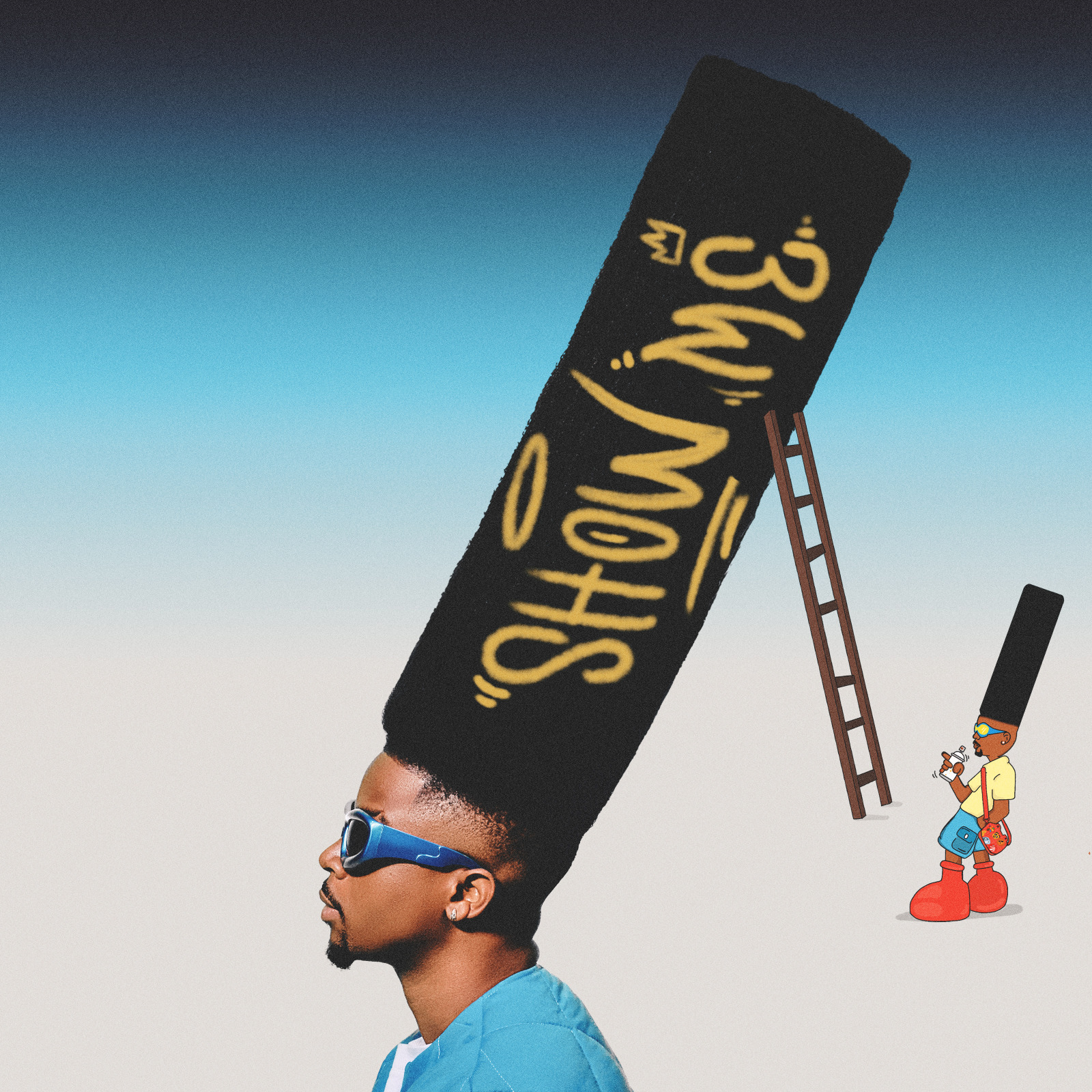
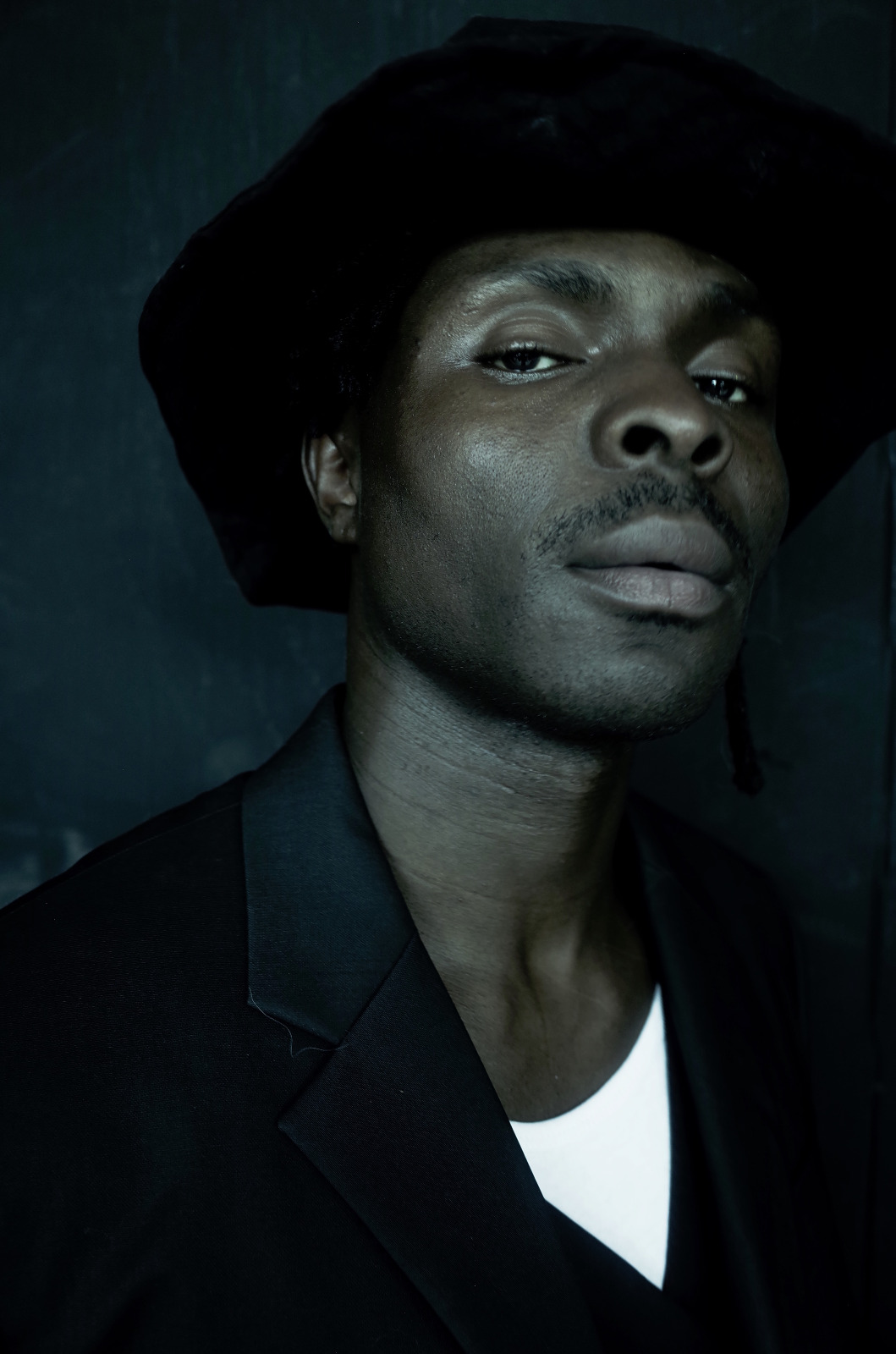
The landscape of Afrobeats or Afrobeats inspired music today has been marked with controversy and debates over what it means to be an African making music today. In the midst of this controversy, Azekel continues to forge a path for himself because he doesn’t restrict himself to the confines of a genre. His carefree and lively approach to music is embodied in his newest EP Sonic Incense.
The 6 track EP has something for everyone, ranging from his sultry, R&B inspired opener “RITUAL,” to his afrobeats duet with Falana “LOVE POTION” with a sprinkle of Afro-House in “SMOOTH.” This project acts as a nod to his roots of experimentation and exploration through music. Demonstrating that genres are not a box or a limitation for musicians to confine themselves to but a pot to dip into and richen their creative process.
Born in Nigeria but moving to London at a young age, his music reaches across the diaspora and connects all the different aspects of his upbringing and musical inspirations. When asked about his music taste, he noted Fela Kuti, Lauryn Hill, Marvin Gaye, Pharrell Williams and Miles Davis as key figures, inspiring his dedication to making music that is soulful yet exciting.
What is most remarkable about Azekel is not only his openness to new sounds and collaborators, but also how he sees music as a form of self-expression and a tool to navigate his creative spirit. Through his visuals, his creative direction led by Off-White’s IB Kamara, he’s curated a close-knit team which conducts his creativity, constantly pushing himself as a producer, singer and songwriter.
In our in-depth interview, we lift the mask of the illusive figure and trace through his journey as an artist, his creative process and future projects.
So, I thought it’d be best if we started with you introducing yourself, your music, your inspirations, that kind of thing
I went to music from a young age playing keyboard and guitar. I come from a family and household where they play a lot of music, both my parents didn’t play any instruments, but we had a big hi-fi sound system, so I grew up with a lot of Marvin Gaye and Fela Kuti. My dad loved fuji music so, in the car, we listened to a lot of King Sunny Ade. I grew up a Pentecostal Christian so there was a lot of Gospel music and music was a big part of my life.
It was good for me I guess as an early teen, in a way … I was kind of an introvert kid, but I was a cool kid. I was with the boys, and I could hold my own because I was the eldest of 4 boys but, through music, it was a way that I was able to express myself from early. So, instead of maybe playing football, I’d go into the music classroom and make beats and I kind of just learned from there really. Then I learnt how to play a keyboard.
When I got older, I became a bit of a delinquent and started hanging out in the street doing dumb stuff, but music and playing instruments was really good for me because it allowed me to see the world and expand my mind without actually travelling. I played a bit of guitar, I was teaching myself and I would listen to Lauren Hill and obviously that comes with its own philosophy in the lyrics and listen to Bob Marley.
With the internet, YouTube and the guitar in my hands you’re just learning and listening, your mind is growing and you’re seeing different things. So that was kind of good for me really. I’m Nigerian so I studied … they pushed me to study Medicine and of course I dropped out second year, so I started doing music. I started as a producer really, but then the music I started to release online started to move quicker.
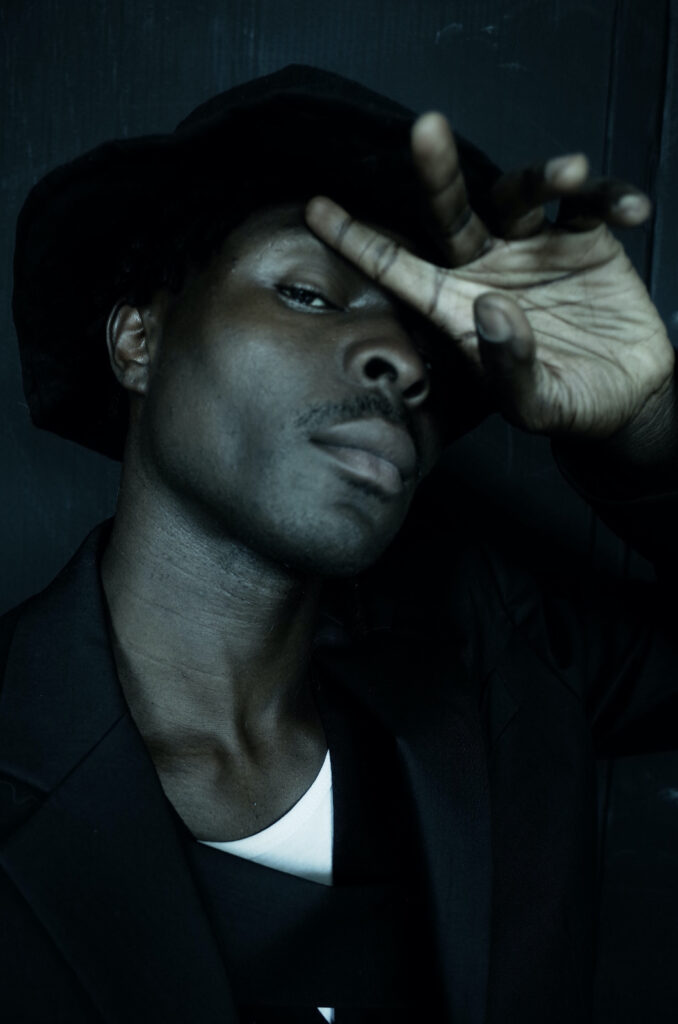
Being an introvert, I kind of wanted to songwrite and produce for people. My first break was when I first started in 2015, I released something and Gorillaz heard it, and things just started happening from there. Then I took some breaks, but I guess the most current work really has been Analyze Love which I released last year then now it’s Sonic Incense so I’d say these are the works that I can definitely stand behind. I can stand behind the older stuff but that was really true experimentation and trying to find myself, but I reckon that I have more of an understanding of that now.
I can hear that through both projects but I feel like the EP has an overall vibe, but the sounds of the songs differ. My personal favourite is Smooth because I feel like it’s a very unique marriage between the afrobeats drum patterns but its distorted with a much more high frequency techno-house kind of vibe. What inspired that, but also, when you have songs that are, genre wise, quite different, how do you trace a journey through these sounds to decide that this will make-up the EP?
I guess it’s like subject matter and how it feels. I’m really into fusion and just like a marriage of different kinds of sounds and making something that’s refreshing. I get bored easily, I’ve been making music for a bit, so it needs to inspire and provoke me. So, it’s the same with my friends that I make music with as well. With Afro-House, I was actually with my homie and he’s the one that put me into it. He’s got a band that’s called “Afters,” over the last 2 years they’ve really started taking me to some raves and showing me the Afro-House scene and I was blown away. I was like “this is a vibe” and it was exciting. The main thing for me is the groove and it still felt African, and I was like “Yo, this feels exciting,” and I’ve seen a couple of different artists do that.
That’s why I love what Rema is doing. Mixing different sounds and keeping it fresh because the world, life is changing, and I think the sounds should change as well. I guess with the sounds of this project it’s definitely about experimenting and I love music, I listen to a lot of old school music. I wanted the project to be refreshing and new but still have a nostalgic vibe to it and I feel like we did it on these songs really, that was the aim. I guess also, my voice ties it together as a project as well but it’s really cool to hear that your own personal favourite is smooth because everyone has their own preference. It’s so funny like I wasn’t expecting you to say smooth but that’s really cool.
Talking about the collation of the EP, the album feels quite different because you were re-learning what it means to be joyful. This EP feels more carefree, like you know your sound now and you’re comfortable with your sound and you’re putting something out that feels like true to you. So how do you go about it, creatively when you’re making an album versus an EP?
I guess Analyze Love definitely took a long time to go and make and it was quite collaborative. I guess that’s what made it longer, (was) having to work with so many different people and waiting for the moving parts to be ready. Also, with Analyze Love, the concept was more cerebral whereas this one is more carefree, and the topics are more about sex, spirituality and God as well. So, I guess with this project, even though it’s a bit of a taboo to put God and sex together, those were the two things that were at the forefront for me. We recorded quite a bit but these were the 6 songs that I felt that different people would like and be able to choose which version of Azekel they liked on the EP. Whereas Analyze Love was more of a statement I was trying to make.
Talking about your most recent collaboration with Kokoroko, it felt inspired by Fela (Kuti), especially the part that goes “attention, go fast, make note” that was like a very nice nod to the OG’s, and I wanted to know how that came about. Were you guys just messing around and you were like “oh wait, that sounds fire?”
Yeah, as of recently I’ve been trying to add more poetry or speaking in my music rather than singing all the time. I wouldn’t say rapping but like I wouldn’t call myself a rapper. So, I must have just tried something when I was just like “Attention! Da da da.” They were like “Yo! That’s fire … was that Fela Kuti?” And I was like, “yeah, it kind of is”. Yeah, it was a nod to it definitely. I was just freestyling on the mic and both Sheila (Marice-Grey) and Onome (Edgeworth), the band leaders for Kokoroko were like “you should write to that”. But yeah, that was a cool song. We actually recorded that like earlier this year, and we finished it in the summer, so it’s a quick turnaround that it came out. But yeah, they’re good friends of mine, but also like they’re also one of the favourite jazz bands out right now that I listen to, so it was good to work with them really.
How did you find it collaborating with such a big group of people, all the different instruments?
When we recorded it there was only two of them there and the band had already laid down some of the musical parts. Sheila hadn’t laid down her horn parts and she hadn’t laid down her vocals, so it was just really just like a groove. I liked how it kind of had a whistle sound, like it’s a percussive kind of like whistle like, I don’t know if you if you remember it’s in the beginning of the song, but they had that and it was really prominent. I was like, “Yo! I really like that beat!” I guess collaborating with them pushed me in a different way, it was a space of conversation because my grandparents, were in Balham in the 60s and one of Onome’s grandparents was in Balham too. They’re both Nigerian too and we were talking like what are the odds about that. So, we were like let’s write about that really. They played me some of the records that I had already done on the record, and it sounded very positive. You know, especially at this time I liked that it’s openly positive and makes you feel good and I was like “I like this, I need to be involved.”
Pivoting away from music into your creativity in general, I wanted to talk about fashion and how that impacts your self-determination as an artist. I saw that you did a performance with YSL and with IB Kamara as your creative director, I think it’s fair to say fashion plays a part in all of this. When doing something as big as a performance for YSL, how does that come about, what’s your thought process like going into that situation, whether it be styling wise or song wise, could you give a bit of a background on that?
Yeah, that happened organically. They reached out so I was kind of shocked. I was gassed as well yeah, it was lit and it was in Paris. I’m really into expressions of myself for whoever we are, you know, to just be free to express ourselves really and I have friends that make clothes, so that’s how I got into more of the fashion. I wouldn’t really say I’m a fashionista. I don’t really buy clothes like that, to be honest with you. I wear a lot of old garms, I do like expressions. More times I dress for myself, like (it’s based on) however you feel, it’s like, if I feel a way I would dress that way, you know. And I’m a Yoruba boy, my dad raised me to be like I’m a Yoruba man, to dress well, it’s a big part of my personality, how I carry myself, you know, to have your own swag really. My parents just put that into me.
Like, for me, sometimes I reckon like when we dress, it’s like ceremonial, you know, like when someone gets married, like they wear all white, there’s a reason they dress a certain way. When you go to work you know people that work in an office, you know, there’s a uniform. There’s a reason for these things. It helps put you in a mind state and a mood. So I kind of like I’m into that.
In terms of IB Kamara he’s a good friend of mine, I’ve known him from like when I first started. Actually, he was one of the first people that styled me, yeah, so yeah, so that’s the homie. So yeah we’ve got some cool things coming up. He supports the music and it’s just like a continual kind of a collaboration.
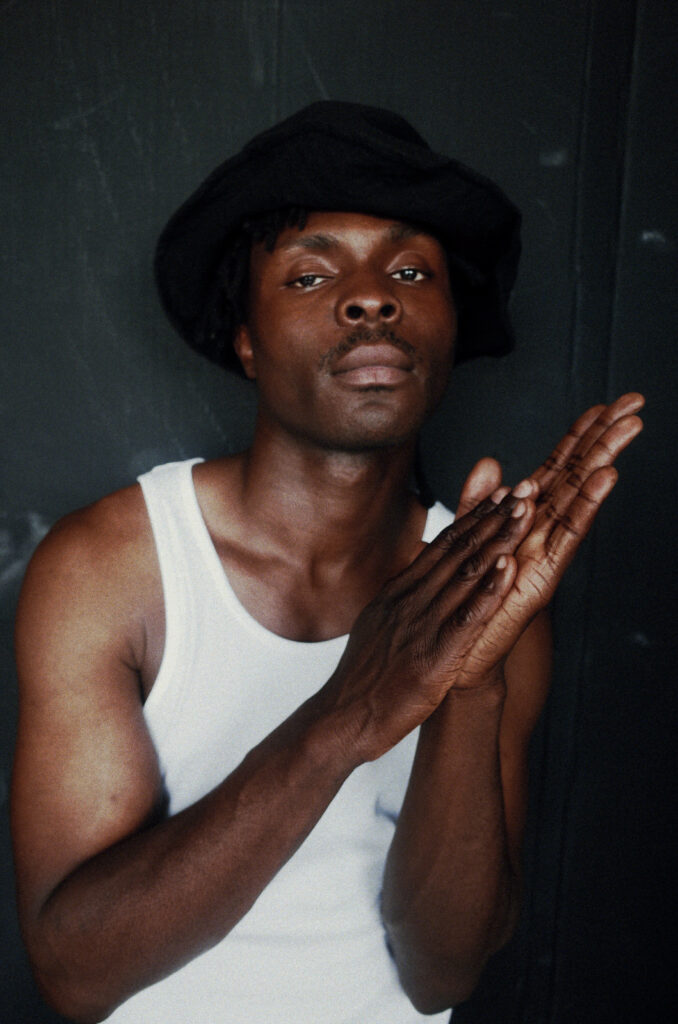
Getting more into the visuals, the visuals for your EP, most specifically were really unique, the colour grading of it had the visual aesthetic of burnt film, that kind of black-orangey hues. Which was like a massive departure from your other music videos where it was much more of blue light in the colour grading. So, kind of how did this switch come about?
I guess it was just the mood we were in and how we wanted it to be presented. I just wanted to get more of a darker visual, you know, like just showing that duality. Because at times the music, like songs like ‘Love Potion’ they’re very bright and have a very kind of, you know, airy kind of sound. So, I wanted to play around with the juxtaposition and have a darker kind of visual for that duality.
All throughout, you’ve been talking a lot about collaboration. Would you say collaboration is a big part of your creative process?
It comes and goes. When I first started because I produced, I wasn’t working for anyone and it was good, but it can eventually get a bit lonely and then you’re just with your ideas, then I think from Analyze Love, I started to work with more people, I just collaborated and it was an amazing experience. Some songs you don’t need other people tonight to come and add their own, but sometimes you do, some people bring their energy, their sauce and bring out different sides of you sometimes as well.
It pushes you. I reckon every interaction you have with anyone, it brings out a side of who we are, and maybe it’s a different side that we can’t show with other people. So I think that’s how I see collaboration. I guess we’ll see what the future holds but I’m definitely trying to get back into seeing what I can do by myself a bit more as well, you know, push myself more in that aspect.
You mentioned involving poetry into your music. I also noticed in the album and in the EP a bit of, since we’re not going to call it rapping, so let’s say spoken word. It feels like you’re standing on your own two feet and when you’re kind of diverging from the melodic style of speaking in your music. So, have you always dabbled into the poetic part of the musical process or is this something that happened in the past few years?
I mean I grew up listening to rap, grime. I grew up in ends so it was always there but I had more of an affinity towards like I guess singing or music that involved melody and um but you I’ve always been into poetry. I also grew up a huge like Nas fan, you know, and stuff like that. I guess like it happened during COVID and I decided you know let me try something different, just pushing myself. Trying out different parts of my voice, singing in different octaves, just tryna switch it up and inspire myself.
It’s like okay cool I could do that it becomes like a different challenge, putting on the pieces of puzzles together to make it song. If you’re gonna add some poetry or rap or spoken words or scrap, you know. It kind of happened in the last few years I was doing that. And again, it’s just a show of different sides of me, it’s part of who I am.
That’s the thing with music sometimes it can really be boxed in, you know, that you do this, you have to do that, you come from here, you have to be like this, where it’s like, you know it’s a reflection of yourself really. Yeah I love rap, I love poetry as well so definitely where I can I try to incorporate it.
So, before we wrap up, I wanted to also ask you about the pure fact of being British Nigerian. So how do you feel, especially because you were born in Nigeria and then you kind of grew up and had your adolescent years over here. How do you feel you balance those two inspirations and those experiences. Being very strongly Nigerian and feeling quite close to the fact that you are Nigerian but also being Black-British and growing up in a more multicultural and diverse place. How does that impact you as an individual and in your creative process?
Yeah, it definitely does in a good way. Being Nigerian as we know it can be very grounding, our community, because we are very proud of where we come from, you know and it can ground you. So, growing up in London, there’s so many different cultures if you allow yourself to be exposed to it, you know. Because there were definitely times, especially where I grew up, that people thought Nigerian culture was weird.
But if you allow yourself to be exposed to different things and allow yourself to be exposed to different lives and lifestyles and music and sounds, you can definitely open your mind. And I think that’s definitely what it did, growing up in London. You have different people, you have friends from all over the world in your block sometimes, you’re eating ‘round their house, you just learn so much and I reckon that definitely has had an impact on the music 100%.
What can we expect from you as a musician in the next, let’s say a year or two? What can the fans expect? What’s 2025 saying?
2025 is saying a lot more music, I feel like when Analyze Love dropped I was quiet for a while and it wasn’t always based upon me sometimes it was just, you know, life and just the politics and the business of everything. But after that happened, then the colours and the Saint Laurent, you know, now we’re going and performing in Lagos. I feel like I’m in the space where, you know, because I’ve been making quite a bit of music. It’s just getting them out now. So there’s going to be so much music really, that yeah. I kind of want to even drop, this project was meant to come out earlier.
I was meant to drop another project, but this year as well, but I don’t think it will happen so it’ll probably happen next year, but a lot of new music but also like collaboration. I’m really into the idea of bands as well. So I’ve been trying different collaborative projects where the focus isn’t just like upon me, it’s more like just an idea, you know. Whether two, three, four people coming together, under like an idea really.
So that should be happening next year. I don’t want to say with who, but we have some collaborative projects coming out next year. And yet again, I want to tap more into like carefree music, just music to dance to really. But like the lyrics matter, like there’s deep the lyrics are deep, but you can move to it really. So I mean also something I’ve been playing around with uh like Afro-disco, again, just staying with fusion, really, just like playing around with those kinds of ideas. So, mixing Afrobeats music with disco music really. So just like feel-good music. So, I’ve been playing around a lot with that kind of music. So that kind of sound would be happening as well. So yeah, there’s a lot of projects with a lot of music, a lot of projects, and a lot of output really. Yes, you should expect to see me everywhere. A lot of output.