
At least 170 people have been killed, with women and children abducted, months after the attackers had written to the district head of Woro months earlier, a community leader in Kaiama said. The letter, he said, informed the district head of the group’s intention to “come and preach” in the community.
The attack, that lasted several hours happened in Woro, a remote community in Kaiama Local Government Area of Kwara State. The attackers stormed several villages, shooting residents, burning homes, and kidnapping women and children. Survivors said the violence lasted for hours, with little resistance or immediate security response. Entire communities were overrun, leaving many families wiped out and others fleeing for safety.
Community leaders say the attack was preventable. Five months earlier, they sent warning letters to security agencies, alerting them to suspicious movements and threats in the area. Those warnings were ignored. Residents say Boko Haram fighters had been sighted repeatedly, but no decisive action was taken until after the killings.
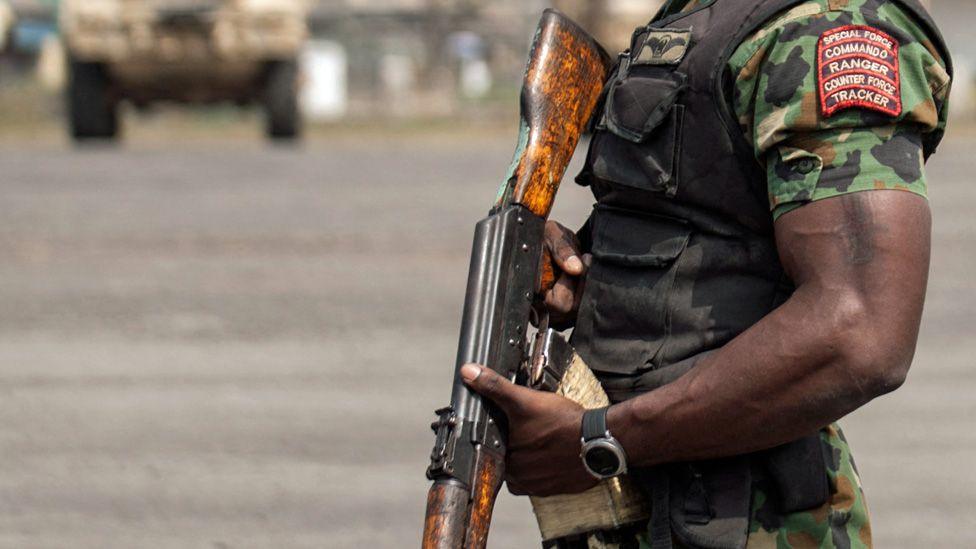
Following national outrage, President Bola Tinubu ordered the deployment of troops to the affected Kwara communities. The federal government said the move was meant to restore order and prevent further attacks.
For survivors, the deployment came too late. Villages have been emptied, homes destroyed, and thousands displaced. Many are now sheltering in nearby towns with little access to food, healthcare, or protection. Families are still searching for missing relatives, especially women and children taken during the raid.
The Kwara killings also fit into a wider pattern of renewed Boko Haram violence across northern Nigeria. According to BBC Pidgin, the group has intensified attacks and abductions in recent months, targeting rural communities where security presence is weak and response times are slow.
Fresh killings have also been reported in parts of Katsina State, raising fears that armed groups are expanding into new areas while security forces remain overstretched.
For residents, the issue is terrorism and neglect. Warnings were sent, but action came only after the massacres. Communities say they are tired of reacting to violence instead of being protected from it.