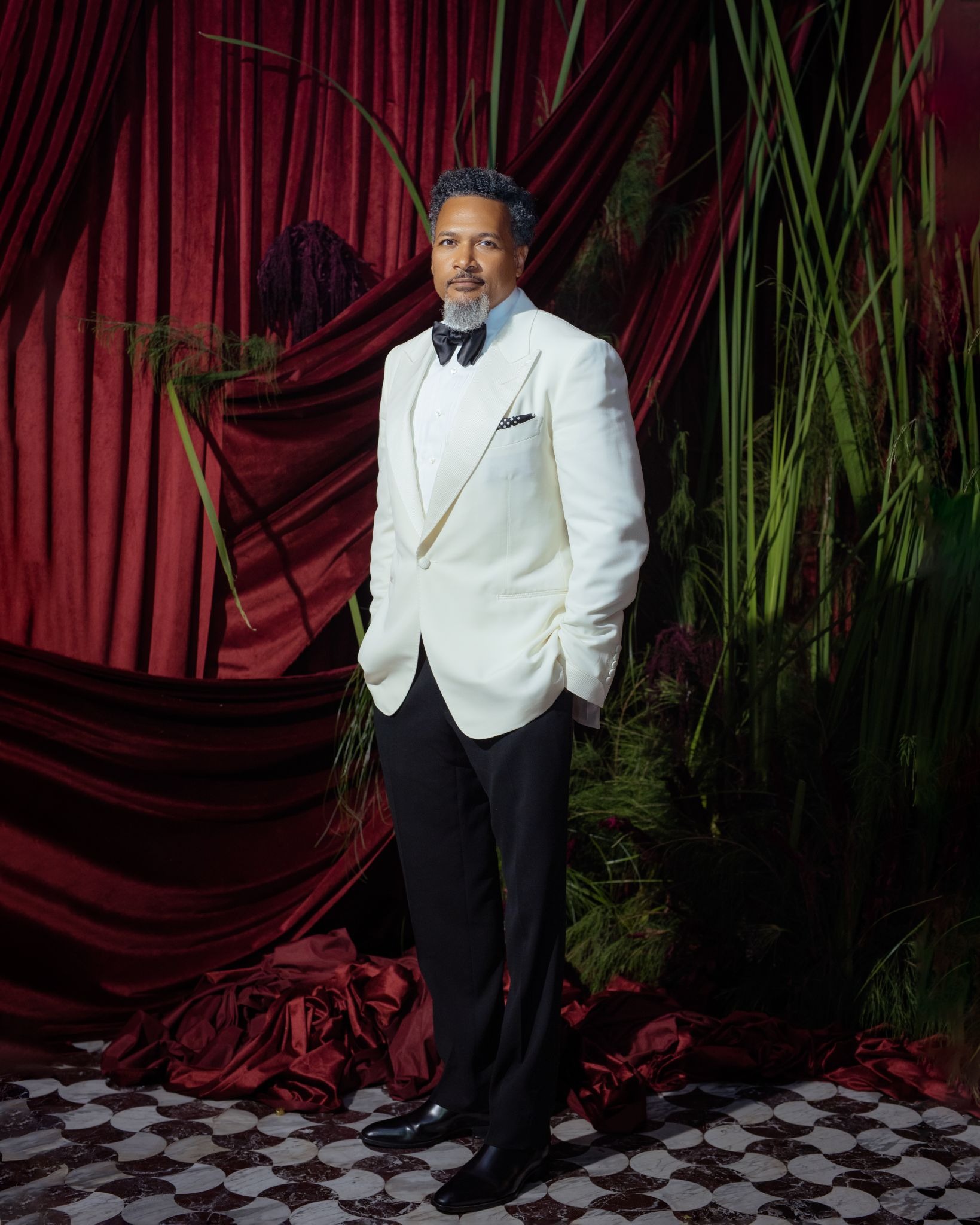
Nigeria’s live entertainment trailblazer and cultural architect, Cecil Hammond, marked his 50th birthday in Lagos with a moment that extended far beyond celebration. On April 8, 2026, he announced the launch of the Flytime Foundation, alongside a ₦5 billion ($4 million) commitment to strengthen Nigeria’s creative industry through education, mentorship, and long-term infrastructure development.
Held at Eko Hotel and Suites, the private, invitation-only gathering brought together over 2,000 guests from the business, entertainment, media, and culture sectors. The room reflected Hammond’s cross-sector influence, with attendees including Aliko Dangote, Femi Otedola, Adaora Umeoji, Mori Ajaga, Wale Tinubu, alongside cultural figures such as Mo Abudu, Genevieve Nnaji, Don Jazzy, and Tiwa Savage.

Curated by the Flytime team under the direction of Mrs. Keke Hammond, the evening carried the production precision and experiential depth that have come to define the brand. It opened with a specialist performance troupe from the United Kingdom, delivering aerial and pole choreography that set a theatrical tone rarely seen at private events of this scale in Nigeria. A Britain’s Got Talent magician added a crossover layer to the programming, reinforcing the global-standard ambition of the night.

The experience extended into hospitality, where the details were equally deliberate. Guests moved through a high-end environment of sushi, prawn skewers, and premium beverage service, including champagne presented by acrobats and Magnum tequila activations. It was not incidental; it reflected how Nigeria’s live entertainment economy has evolved into a convergence of culture, luxury, and brand experience.
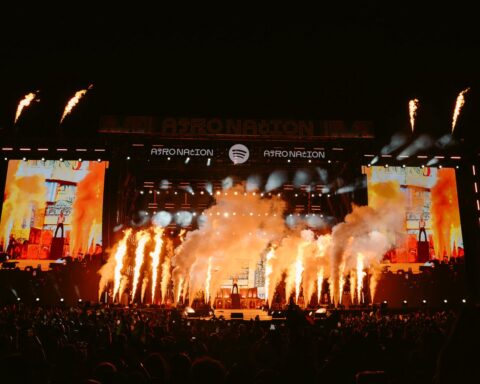
That evolution has, in many ways, been shaped by Hammond himself. Through Rhythm Unplugged and Flytime Fest, he helped build the commercial architecture of live music in Nigeria, positioning Lagos as a recurring destination on the global entertainment calendar. Across these platforms, artists including Wizkid, Burna Boy, Davido, Tems, and Rema, alongside international acts like Megan Thee Stallion, Central Cee, and Gunna, have performed, many at pivotal moments in their global rise.

The night’s performances echoed that legacy in real time. Beenie Man and Case shared the stage with emerging acts Mavo and N11, while DJ sets from Dope Caesar, DJ Consequence, and DJ Ocean sustained the energy—bridging generations and geographies in a way that has become synonymous with Flytime’s programming.

Speaking at the event, Hammond reflected on both the industry’s growth and its underlying gaps. “For over two decades, Flytime has been part of Nigeria’s creative journey, working with artists, building platforms, filling venues, and helping the industry grow into the force the world pays attention to today,” he said. “But for every artist you see, there are many more who never got the chance, not for lack of talent, but for lack of opportunity.”
Anchored by a ₦5 billion fund, the initiative will focus on performing arts education, mentorship, access to equipment, and structured pathways into the entertainment industry across performance, production, and business.

It is also designed with an understanding of how talent actually emerges in Nigeria. Beyond partnerships with universities, the Foundation will extend access to creatives developing outside formal systems, recognising that some of the country’s most influential talent has historically operated without institutional support.
“Our mission is clear,” Hammond said. “To find young Nigerians with the gift and the drive, and equip them with the tools, access, and opportunities to truly thrive. This fund is about building real pathways into the entertainment industry, on stage, behind the scenes, and across the business of entertainment.”
The timing is significant. Nigeria’s creative sector continues to expand its global footprint, yet remains constrained by gaps in funding, skills development, and early-stage infrastructure. By targeting this layer, the Flytime Foundation positions itself as both a cultural and economic intervention, one that could strengthen industry capacity while shaping its long-term trajectory.
At 50, Hammond’s next chapter is less about the stages he has built and more about the systems that will determine what, and who, comes next.
As he put it: “This is how we build the future of our industry.”