
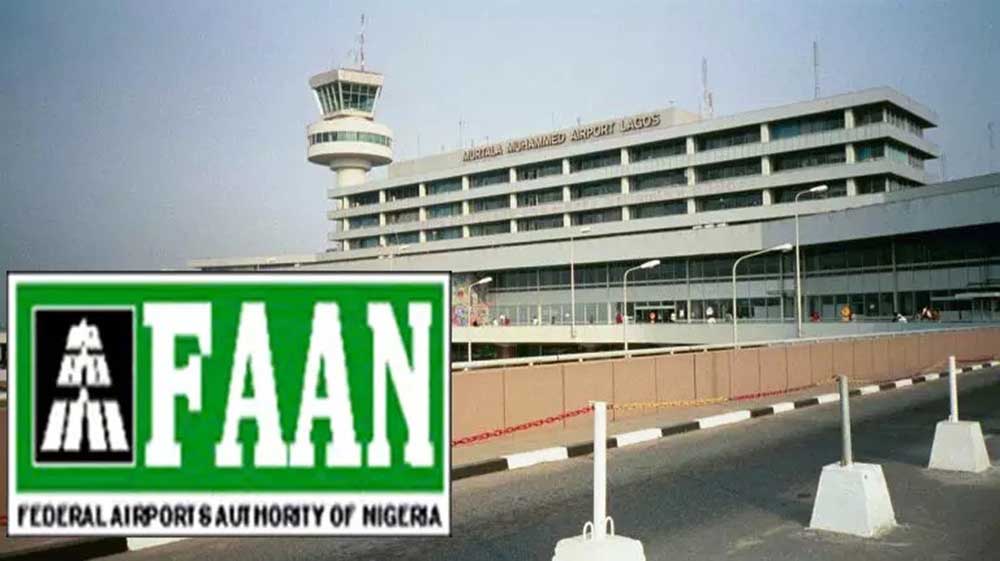
Lagos and Abuja airports experienced widespread disruptions this week as the Federal Airports Authority of Nigeria (FAAN) rolled out its new cashless payment policy. Passengers reported long delays at gates and check-in counters, while others struggled with card transactions, highlighting operational challenges during the early stages of implementation.
The policy requires all payments for airport services, including pick-up points, parking, and terminal access, to be conducted electronically using designated GoCashless cards or other approved digital payment methods. FAAN officials said the move is intended to streamline operations, increase transparency, and align airport management with the federal government’s broader push for a cashless economy.
Despite these intentions, travelers reported bottlenecks at multiple checkpoints, with some vehicles unable to exit pick-up zones due to failed card payments. Observers noted that insufficient card distribution points and limited staff training in troubleshooting digital payment issues contributed to the gridlock. Social media users shared videos of frustrated passengers waiting for extended periods, amplifying concerns about FAAN’s readiness for such a sweeping operational change.
Industry analysts say the move has significant financial implications. Nigeria’s airports generate substantial revenue through passenger and service fees, with estimates suggesting FAAN could earn over $270 million annually if digital compliance improves. However, the current rollout indicates that careful planning and public sensitization are critical to avoid undermining both revenue potential and passenger experience.
The Federal Airports Authority has pledged to monitor the implementation closely and adjust procedures as needed. Observers say the situation shows the broader challenges of transitioning Nigeria’s public services to cashless systems, particularly in high-traffic, high-stakes environments like airports.