In a corner of the UK’s creative sector where sound often goes unnoticed until it goes wrong, two women are steadily reshaping what it means to design, produce, and interpret the auditory experience of performance.
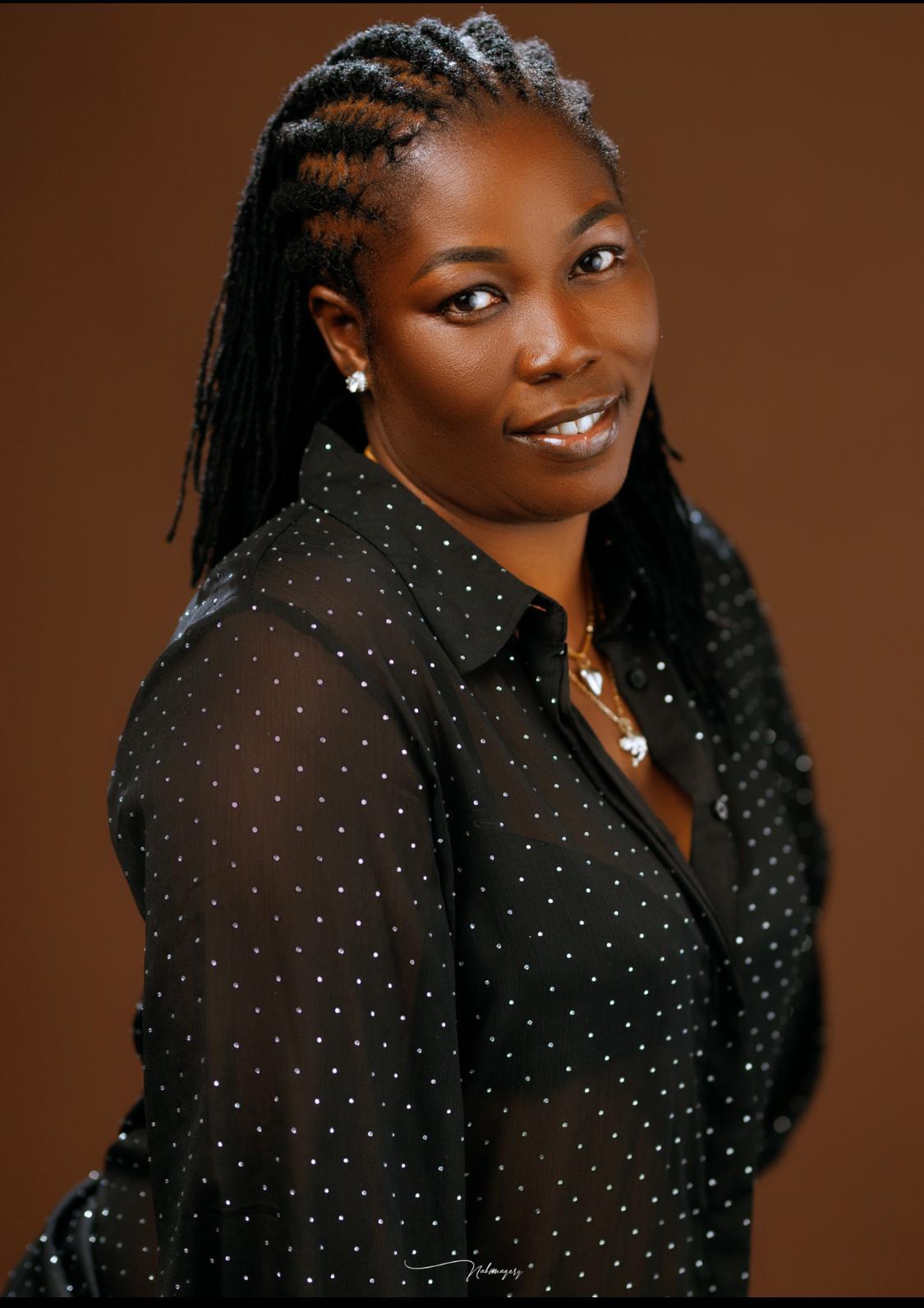
Chineye Lauretta, a Nigerian-born mixing and mastering engineer, and Sandra Amartey, a Ghanaian composer with a background in music for stage and screen, are part of a new generation of African female creatives whose work is less about visibility and more about impact. Their names may not appear on posters, but their fingerprints are in the soundtracks, scores, and seamless transitions that carry today’s stories to life on stage.
From Studio to Stage
For Lauretta, the journey began in recording studios, mixing gospel projects and underground singles in Lagos. “I learned to hear what wasn’t there,” she says. “You’re not just cleaning a track — you’re shaping feeling.” After relocating to the UK, she found herself drawn into the world of live theatre, bringing her meticulous studio discipline into more unpredictable live environments.
Her work with companies like Hull Truck Theatre and Utopia Theatre has positioned her as one of the few Black women working professionally in live sound engineering for theatre in the UK. Directors have praised her for “mixing with emotional intent” — adjusting levels not just based on volume, but on narrative rhythm and performer energy. Her recent credit on “Plenty” by Rhookcastle — where she served as mixing and mastering engineer — was highlighted in Tribune Online Nigeria, which praised the song’s pacing and sonic clarity. It’s one of many signs that Lauretta’s engineering work is crossing formats and gaining critical recognition.
Composing Across Cultures
If Lauretta is sculpting clarity, Sandra Amartey is building worlds. As a composer and music collaborator, her original work has been featured in both music releases and UK stage productions, including contributions to Afrotales, a multidisciplinary project that blends African folk storytelling with contemporary composition. Her synth piano work on Rhookcastle’s “Plenty” added a melodic layer that helped define the track’s atmospheric core.
Her approach to composition is grounded in narrative. “I think in story arcs,” she says. “Even if I’m writing just 30 seconds of a transition, it has to move emotionally.”
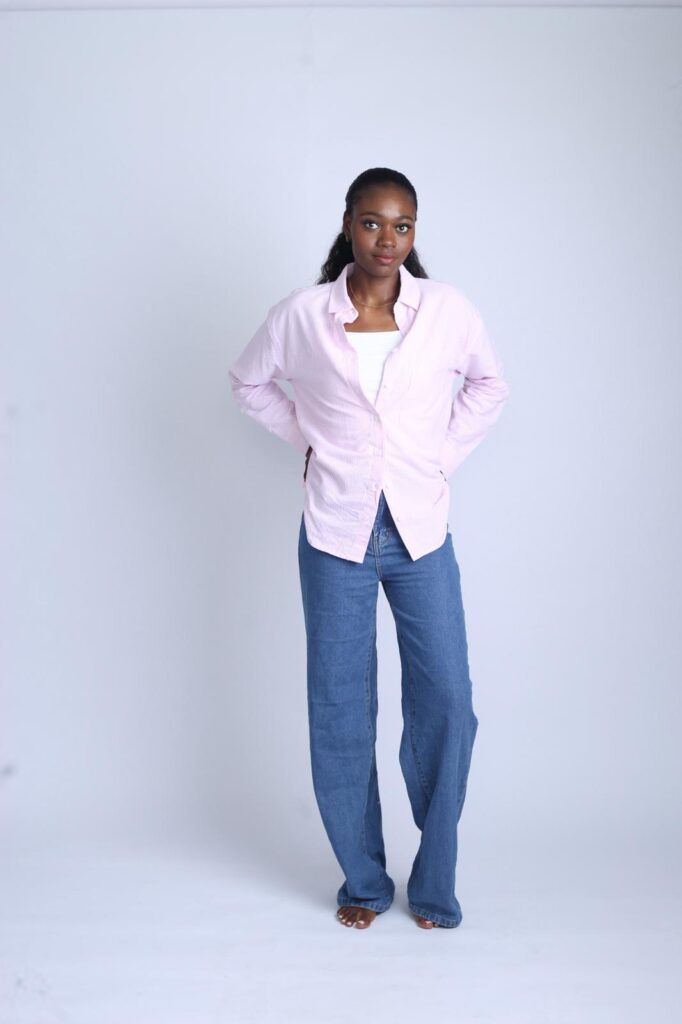
Her contributions have supported productions with themes spanning migration, folklore, and diasporic identity — often collaborating remotely, composing music tailored to character arcs, scene changes, or underscoring key monologues. She was credited in a Pulse Nigeria article by Adeayo Adebiyi for her work on Afrotales, which praised the project’s innovative sound and cultural weight. Her ability to bridge traditional motifs with modern sound design is placing her among the next generation of composers to watch.
A Sound of Their Own
Together, Lauretta and Amartey represent a shift in the UK arts — not just in who is being hired, but in how sound itself is being imagined. They’re part of a broader effort to decentralize creativity in theatre, placing value on collaborative, cross-cultural, and cross-disciplinary work.
Both women are crafting a sound that doesn’t just support performance — it enhances it, deepens it, and sometimes even leads it. Their impact is quiet, intentional, and growing louder.