Before dating apps, Snapchat streaks, and Instagram stories, there was little need for words like breadcrumbing, benching, or cushioning. Not because people communicated better or these experiences did not exist, but because relationships followed a different social script. Dating generally followed familiar stages. You met someone, spent time together, became exclusive, and eventually introduced each other to family and friends. Relationships were never this straightforward for everyone, but there were fewer words to describe the grey areas in between.
The internet’s growing dictionary of dating terms is often dismissed as trendy pop culture slang. Yet language has always evolved to keep up with changes in society. The words people create often reflect the realities they are trying to understand, the problems they keep facing, and the behaviours they think are important enough to name. Every generation develops a vocabulary that depicts the world it lives in, and the digital generation is no different. Its growing list of dating terms gives us a glimpse into how digital culture has changed the words people use to talk about intimacy, communication, commitment, identity, and emotional connection.
But this vocabulary did not appear out of nowhere. It emerged because digital technology changed the way people communicate with one another. Smartphones made people constantly reachable, while read receipts created new expectations about how quickly someone should respond. Dating apps turned romance into a world of endless profiles and possibilities, while social media blurred the line between private relationships and public performance. As these platforms became part of everyday life, they also created new situations, signals, and behaviours for people to describe. Language expanded to make room for them.
People have always created new words when the world around them changes. The Industrial Revolution changed how people worked and lived, and new words emerged to describe this new way of life. The internet has done something similar, giving us words like clickbait, livestream, and doomscrolling. Modern dating has followed this pattern too. As more relationships began and developed online, people encountered new forms of communication, new kinds of uncertainty, and new ways of being seen by others. Digital culture then gave these experiences names and helped those names spread quickly.
The growing use of terms like situationship, ghosting, soft launching, orbiting, love bombing, and breadcrumbing proves how much the language of dating has expanded. These words can be grouped into different categories, and each one reveals something about the way digital culture has reshaped how people describe relationships. There is, first, the language of uncertainty. Words like situationship, talking stage, and exclusive but not official give people a way to describe relationships that do not fit neatly into older ideas of dating. Undefined relationships are not new, but the internet has made the language around them more specific and more widely understood. Someone who once struggled to explain what they were to another person can now call it a situationship, and chances are that someone else will know exactly what they mean.
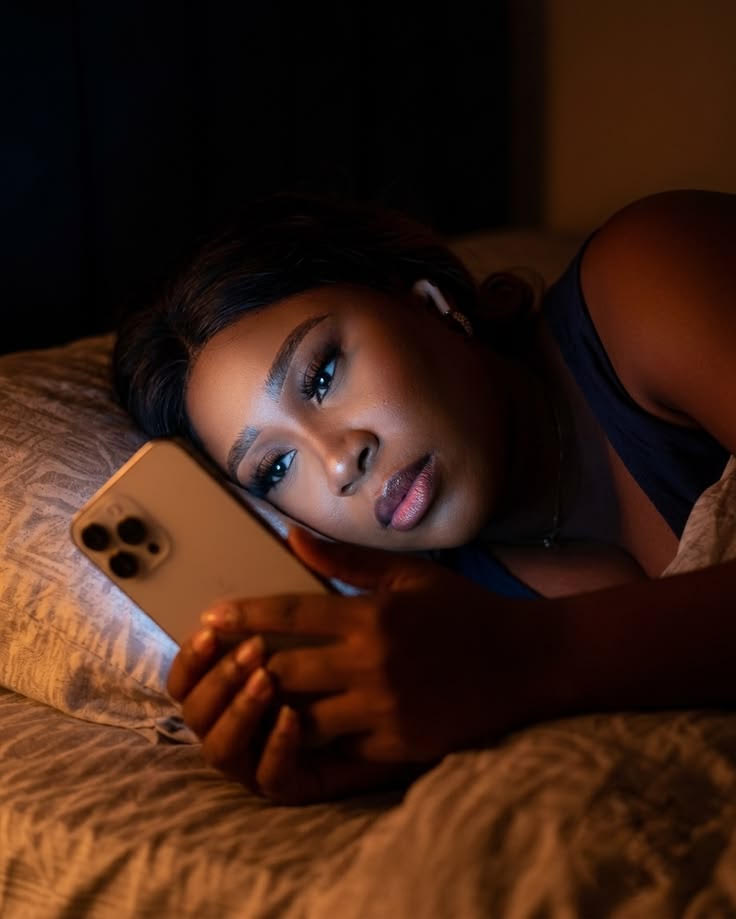
Then there is the language of digital communication. Ghosting, orbiting, slow fade, and dry texting all describe behaviours that have taken on new meaning in a world of messages, notifications, and social media. A person can stop replying to your messages but continue watching your stories. They can disappear from a conversation while still liking your posts. They can remain visible in your online world without actually speaking to you. Digital culture has given people more signals to interpret, and naturally, more words for those signals. What might once have been dismissed as someone simply ignoring you can now be described as ghosting or orbiting, depending on what happens next.
The language of endless choice has grown alongside dating apps, and these platforms have made potential partners easier to find, compare, and remain connected to. Terms such as benching, roster dating, and cushioning describe different ways people keep other romantic possibilities open. When another person is always somewhere on the screen, people have developed words for the different ways they manage those possibilities. The vocabulary of dating begins to reflect the feeling that there is always another option waiting.
There is also the language of emotional awareness. Love bombing, future faking, gaslighting, and breadcrumbing give people words for behaviours they see as emotionally harmful or manipulative. Some of these terms existed before social media became central to dating, but the internet has taken them into everyday conversations. Relationship creators, therapists, podcasts, and online communities constantly explain and debate these ideas, turning language that might once have belonged mainly to psychology or relationship counselling into words people use with their friends. This can be useful because having a name for a pattern can make it easier to talk about, but it can also become a problem when popular labels are used to explain situations that are more complicated than a single word suggests.
Finally, there is the language of public relationships. Soft launch and hard launch demonstrate how closely dating has become tied to social media. A relationship can now have stages of visibility: a person’s hand in a photograph, a blurry figure in the background, a carefully chosen caption, and eventually a clear photograph that makes the relationship public. What was once simply called introducing someone to friends or announcing a relationship now has its own digital vocabulary. These words confirm that social media is not only a place where relationships are displayed; it has also given people new ways to talk about how those relationships enter the public eye.
These groups of words do more than give names to different dating experiences. They reveal what modern relationships ask of the people in them, showing what today’s daters fear, what confuses them, and what they increasingly need words to explain. More importantly, they point out how digital culture has turned ordinary actions into things people now have to interpret. A delayed reply, a viewed story, a like, a disappearing message, or a photograph can all carry meaning, and the vocabulary of modern dating has grown around those meanings.
But there is another question worth asking: why do these words spread so quickly? A term coined on TikTok can become common language within months, helped along by Reddit threads, dating podcasts, therapists on Instagram, and relationship creators on YouTube who constantly create, explain, refine, and spread new vocabulary. Digital culture not only gives people new experiences to describe; it also provides a fast-moving space in which everyone can learn the same words. Someone in Lagos, Wales, or San Francisco can describe a remarkably similar dating experience using the same term.
This shared language also changes how people make sense of their own relationships. Before words like ghosting or breadcrumbing became common, someone might know that an interaction felt confusing without knowing exactly how to explain it. Now, they can search for a word, find thousands of people describing similar experiences, and begin to understand their own situation through that shared language. A name does not create a behaviour, but it can make the behaviour easier to recognise, discuss, and compare. At the same time, having a popular label can shape the way people interpret what happens to them, sometimes helping them see a pattern and sometimes encouraging them to fit a complicated situation into a word that does not quite belong.
Yet this growing vocabulary has also attracted criticism. Some argue that internet labels encourage people to overanalyse ordinary relationship conflict. Not every delayed text is breadcrumbing, and not every intense romance is love bombing. Psychological language is also increasingly used outside its clinical context, and some terms risk becoming catch-all explanations for behaviour that is often more complicated than a single label suggests. As the vocabulary expands, so does the temptation to label people instead of trying to understand the situation.
Still, that criticism does not make this language change less important. If anything, it shows how seriously people now take the language of relationships. Previous generations often lacked the words to discuss emotional experiences that fell outside conventional ideas of romance. Today’s generation may sometimes overuse these labels, but it has also become better equipped to talk about uncertainty, manipulation, ambiguity, and emotional needs.
These dating words tell us more than how people find and lose love. They explain how a generation is trying to understand relationships in a world shaped by algorithms, constant connection, and social media. If language discloses what people are trying to understand, then the growing number of dating terms tells us something about relationships today: they have become more fluid, more public, and, in many ways, harder to understand.