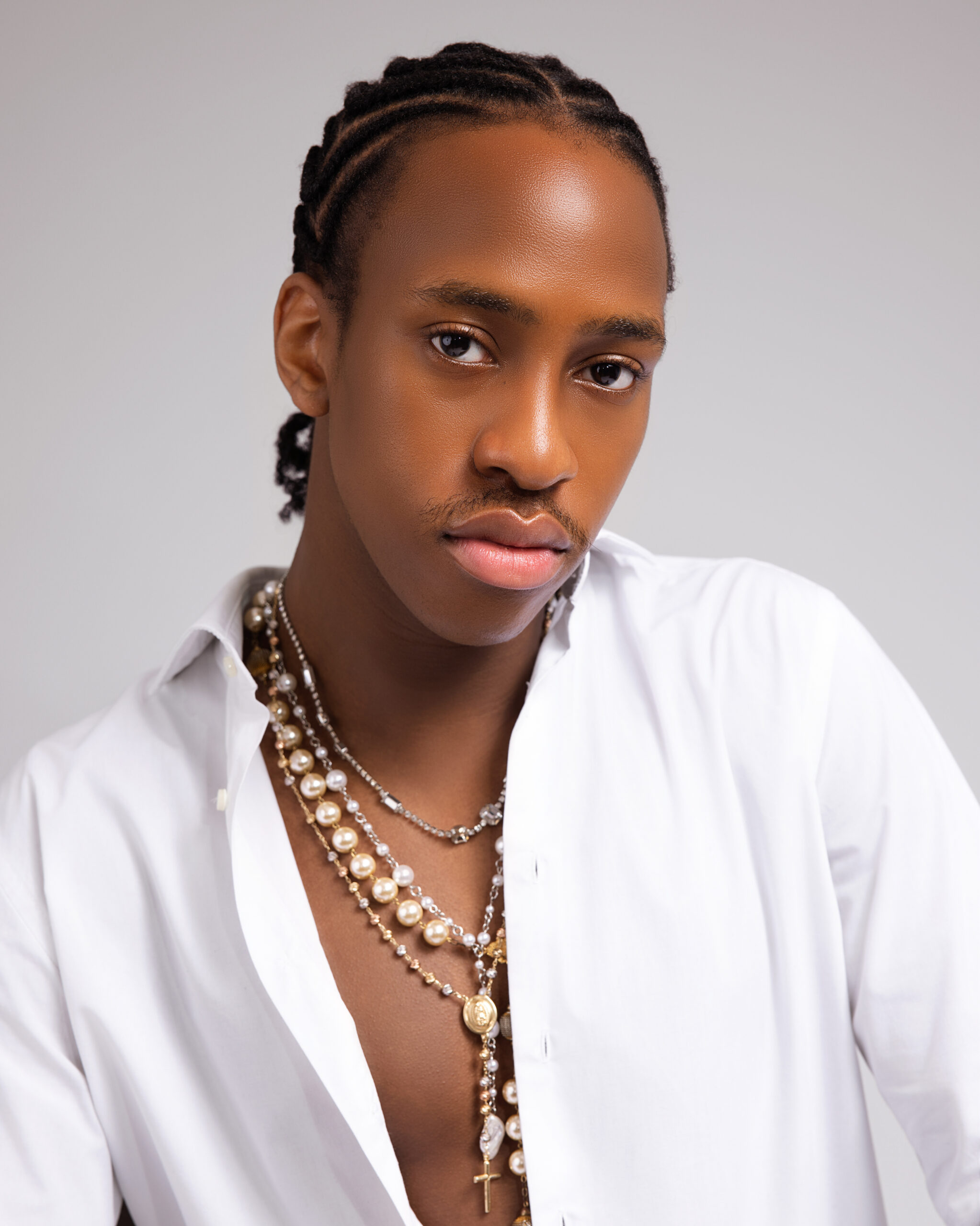
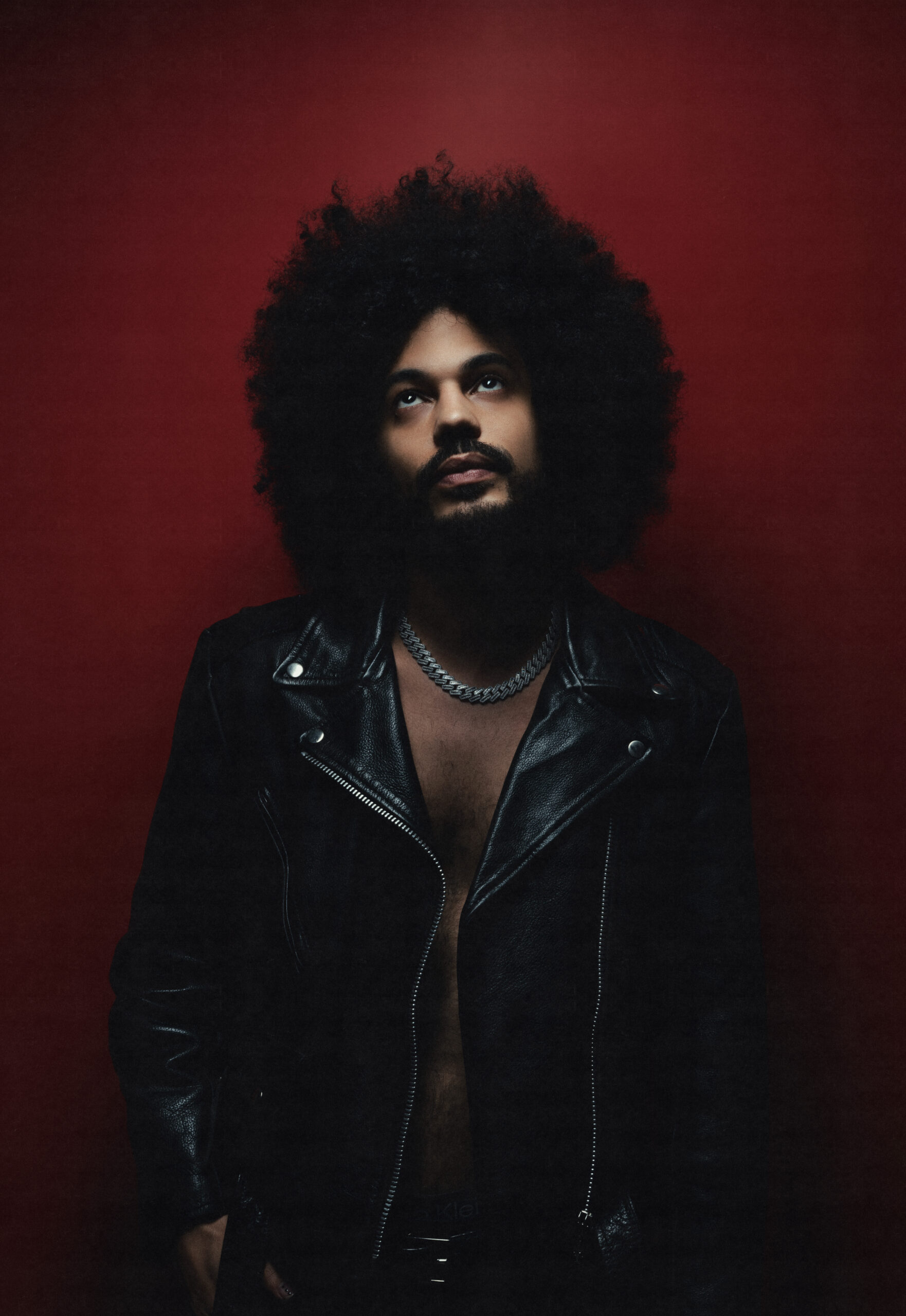
After a captivating performance on the main stage at Afro Nation Portugal, Cape Verdean artist June Freedom is no longer a stranger to global audiences. His third album, Casa Mira Mar, is his most personal body of work yet—a genre-blending celebration of culture, heritage, and intimate connection.
Casa Mira Mar (“House with an Ocean View”) takes its name from June’s family home on Fogo Island. Once a gathering place for the local community, it was filled with rhythm, food, and flavour. The ocean view from that house was a constant reminder of how vast the world was, and how much he wanted to explore it.
Across the tracklist, June moves smoothly between English, Portuguese, Spanish, and Cape Verdean Kriolu. This multilingual soundscape isn’t just an artistic flex; it’s a full sensory experience.
A sense of yearning echoes throughout the project. It’s about what it means to leave home, to return, and to carry your roots with you in every note.
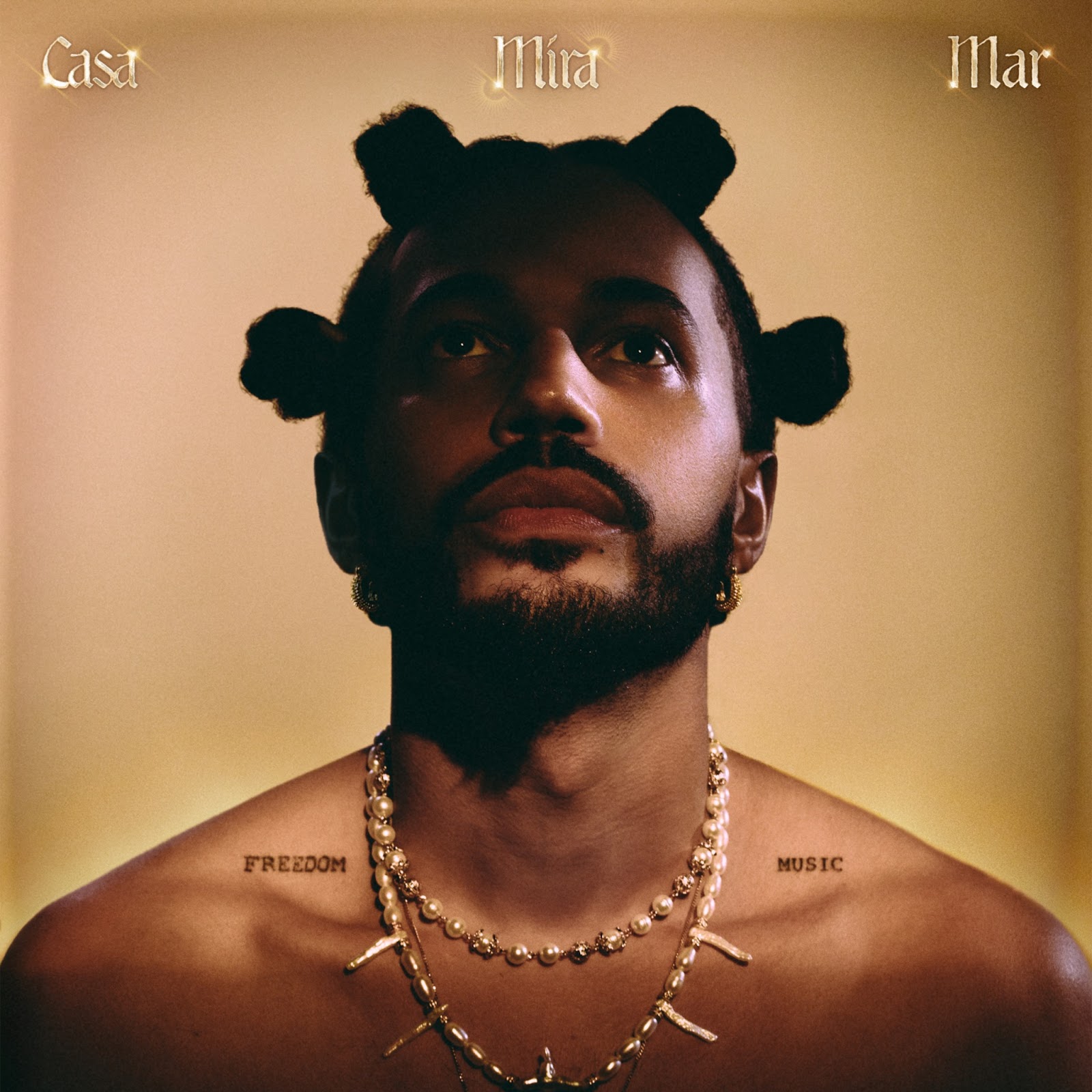
‘Casa Mira Mar’ is such a beautiful album. What was your biggest inspiration, and how did that help with making the album?
“With this album, I wasn’t trying to prove anything. I just wanted to make something honest — something that reflects where I am now. I was thinking about people like me: multilingual, layered, from everywhere and nowhere at once. The goal wasn’t to impress — it was to resonate. To make something bold but intimate. Something that moves in unexpected ways but still feels like home,” June says.
“That’s why I called it Casa Mira Mar. It’s a metaphor for the inner home — the place where all the versions of myself live: the kid from Fogo, the artist, the dreamer, the man still figuring things out. The album is built like a house with many rooms. Each song holds a different feeling, a different memory, a different mood. But it’s all connected. All part of the same place.”
Your album is multilingual, genre-fluid, and speaks to your heritage. How did growing up on Fogo Island and your familial roots impact your sound?
“Growing up on Fogo shaped my ear without me even realizing it. The soundscape there is layered — you’ve got traditional morna and coladeira playing at family gatherings, but then someone’s blasting American R&B or zouk down the street. It’s normal to grow up hearing three or four languages in one day. That kind of environment makes you open, sonically and spiritually.”
“My roots taught me that emotion comes first, before language, before genre. So whether I’m singing in Kriolu, Portuguese, or English, I’m chasing feeling. The storytelling, the rhythm, the nostalgia — all of that comes from being raised on an island that moves slow but holds so much depth. Fogo gave me that depth,” he muses.
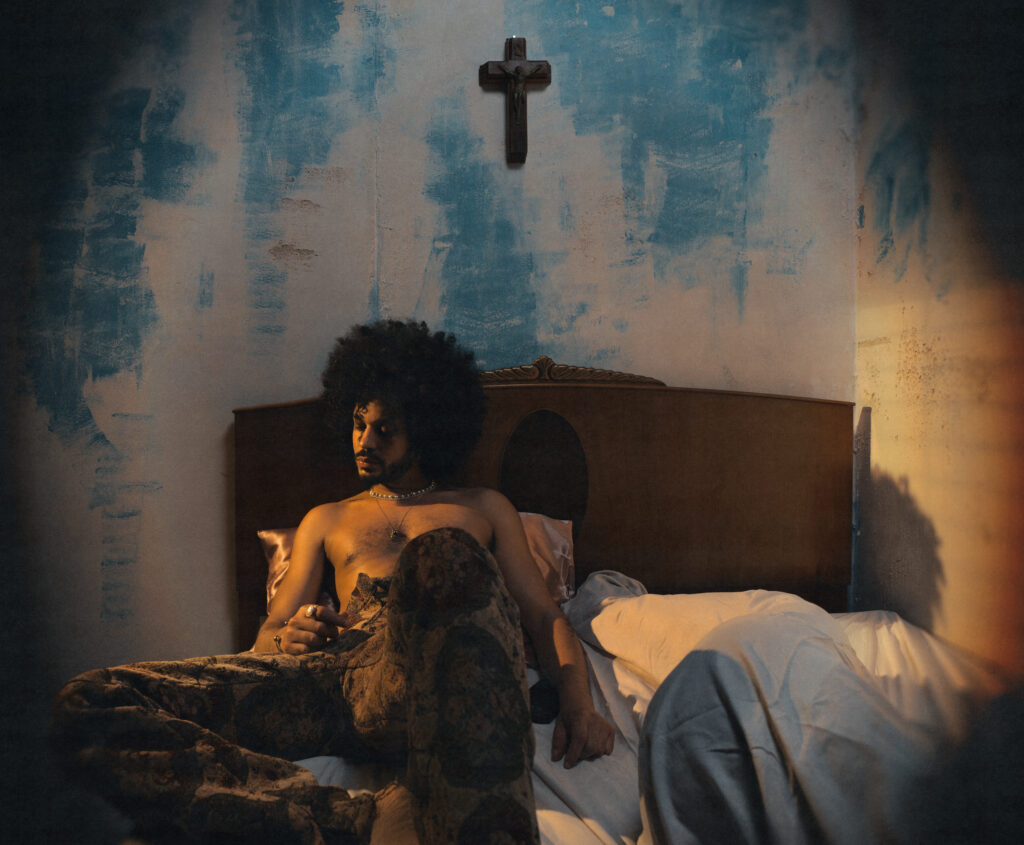
This project draws from R&B, Afrobeat, and Kizomba rhythms. What other sounds influence your music?
“My foundation will always be Cape Verdean music — Batuka, Funaná, and Coladeira. Those rhythms live in me. Batuka gave me pulse and power. Funaná gave me speed and energy. Coladeira gave me swing and feeling. Even when I’m making something modern, that foundation is underneath everything.”
“Then, coming to America, I was heavily influenced by 2000s R&B and hip-hop. That was my first real connection to melody-driven music with edge — stuff that felt emotional but still had bounce. That shaped how I started singing and writing.”
“As I got older, I dove deeper. I started studying artists like Prince, Jimi Hendrix, and Bob Marley. That’s when everything changed. Their presence, their artistry, the way they turned performance into storytelling — it blew me open. It made me want to pick up a guitar. That’s when I started moving into a more singer-songwriter space, learning how to say more with less, how to lead with feeling.”
“All of that comes together now — traditional rhythms, global sounds, deep emotion, and cinematic layers. I think of my music like a score. I care about the intros, the transitions, the details. I’m not just building tracks. I’m building worlds,” he states.
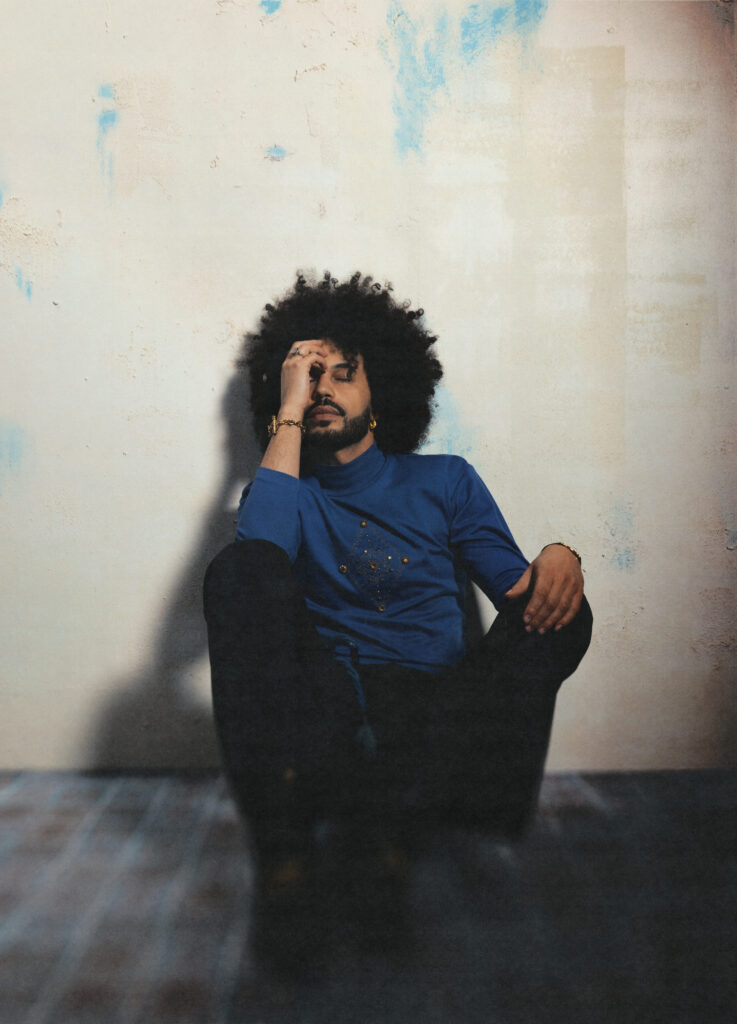
You worked with artists like Nana Fofie, Sabri, and Lua de Santana for this project. What was it like to work with these artists, and were there any cultural similarities and peculiarities?
“This project brings together artists from all over — different countries, different sounds, different languages — and that’s something I’ve always been intentional about. I want my music to reflect the way I live and create: globally, honestly, and with deep respect for every voice involved.”
“Working with Nana Fofie felt effortless. Her tone, her cadence — it just clicked with the vibe I was building. Sabri brought a really cinematic approach and helped shape the emotion of the record we worked on. Lua de Santana added this softness and beauty to the track she’s on — her voice melted into the song like it belonged there from the start.”
“Whether we were in the same studio or not, the connection was there. I don’t do features for the sake of numbers. I look for collaborators who can bring something real and who help stretch the sound into new places. Every artist on Casa Mira Mar added a new layer to the story I was trying to tell.”
What do you want listeners to feel when they listen to ‘Casa Mira Mar’?
“I want them to feel seen — even if they don’t understand the language. I want the music to tap into something emotional, something honest. There’s love in the album, heartbreak, healing, tension, freedom… all the things that make us human. It’s for the ones who carry many identities, who are still figuring out where they belong. I hope it gives people peace, but also power.”
“At the same time, I love seeing people move to it, especially women. When I see women dancing to my music, posting it online, feeling beautiful and confident in their bodies — that’s everything to me. That’s the balance I always aim for: music that speaks to your spirit but also makes you want to move, makes you feel yourself. Casa Mira Mar is meant to hold all of that.”
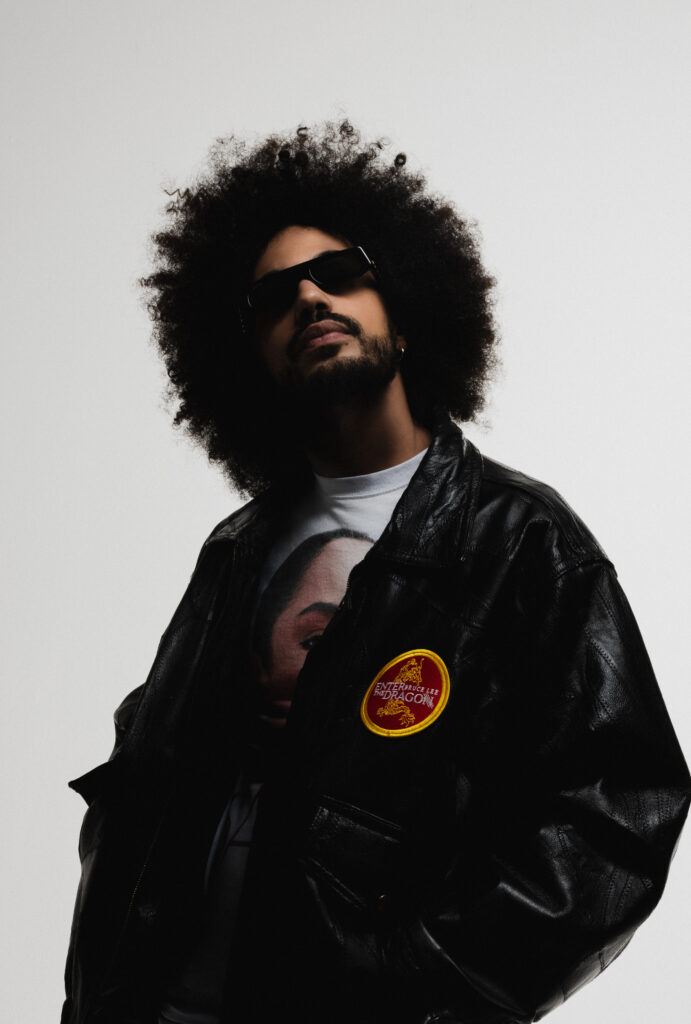
2025 seems to be a big year for your career. How do you feel about performing at Afro Nation Portugal this month?
“Afro Nation had been on my goals list for the past four years, so stepping onto that main stage in Portugal was a huge moment. I came into it with a clear vision. I didn’t want to just perform — I wanted to represent,” he admits.
“I brought dancers, my DJ Deekay, and my guitarist Enos, who’s known in Cape Verde as one of the greatest to ever do it. I also brought out surprise guests from my community: MC Acondize, Big Z, and Elji Beatzkilla — who’s on YSL, my most-streamed song. It was important for me to use that space to put my people on and bring the culture with me.”
“Afro Nation is the biggest African music festival in the world. I showed up with intention, gave it everything, and left the stage knowing we made our presence felt.”
Where do you see your music taking you? What can your audience expect from June Freedom?
“I see my music taking me exactly where I’m meant to be — even if I don’t always know where that is. I’m not chasing a trend or trying to fit into a box. I’m building something timeless. Something rooted in truth, culture, and emotion.”
“You can expect growth. Sonically, visually, spiritually. I’m going deeper into storytelling. More visuals, more live instrumentation, more collaborations that feel organic and unexpected. But I’m also staying grounded in what made people connect with me in the first place — honesty, soul, and that global perspective.”
“I’m not here to play it safe. I’m here to leave a mark,” he declares.