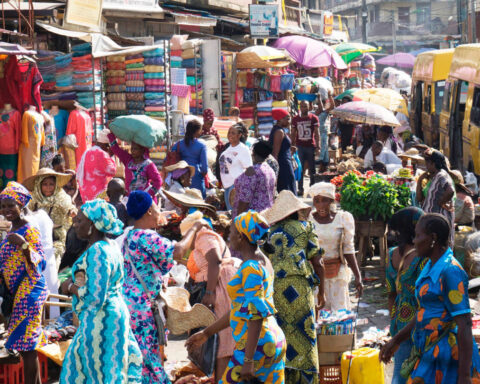
Terver Iyohen lost his insurance job in 2023. Now he drives commuters around Lagos for a ride-hailing app, and says it barely covers his family. Ushie Ekunke was laid off in 2022, sent out more than 20 applications, heard nothing, and now works remote contracts that pay in hard currency.
They are two faces of the same shift. The Guardian puts Nigeria’s gig economy at about $5.18 billion, with roughly three million people earning from it. E-commerce makes up 38 per cent of participation and ride-hailing nearly 24 per cent. Overall it contributes about 2.8 per cent of GDP, and some creators are making real money. Peller says his live streams bring in ₦15 million to ₦20 million a week.
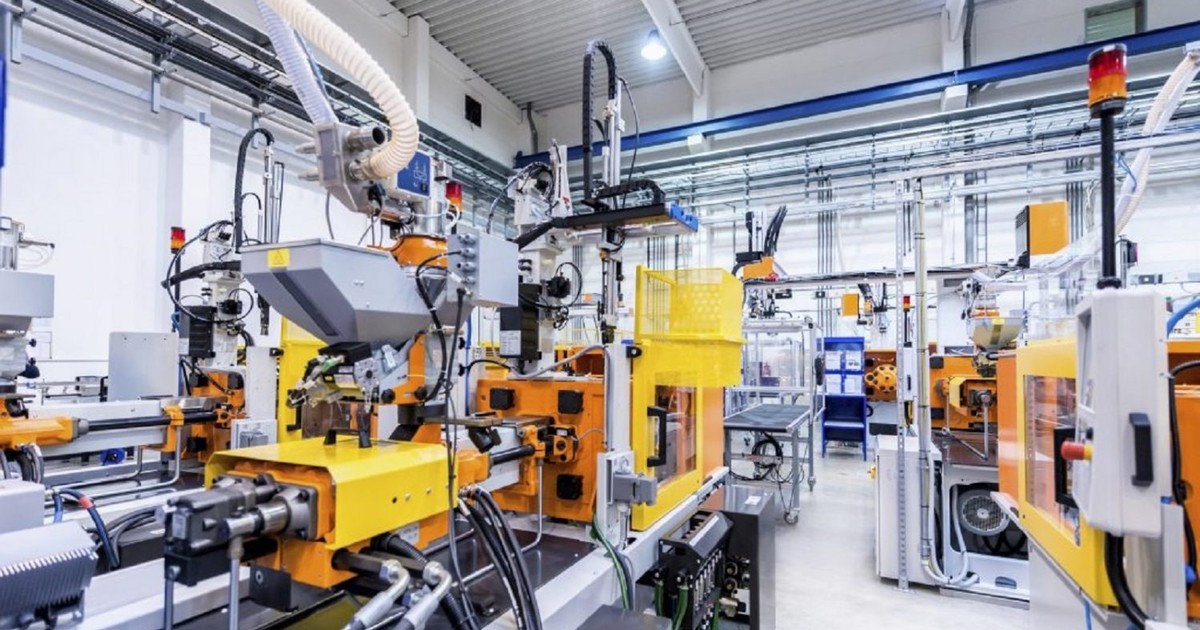
The factories are going the other way. The Manufacturers Association of Nigeria (MAN) says more than 800 formal manufacturers shut down or left the country between 2020 and 2026. Manufacturing’s share of real GDP fell from 9.57 per cent in Q1 2026 to 7.72 per cent in Q2, even as the economy grew 4.43 per cent overall. Sanofi, GSK, Unilever and Procter & Gamble are among the big names that have exited or divested in this stretch.
The hustle fills a gap, and the gap is the problem. A University of Uyo economist told the Guardian the gig economy is “a vital bridge” and “a crucial cushion, not a replacement” for the real sector. One factory creates deeper ripple effects than gig work, and informal earners mostly sit outside the tax net. Digital income also depends on platforms like TikTok and YouTube, and on their algorithms.
Not everyone sees a crisis. Pentecostal Fellowship president Bishop Wale Oke called churches taking over closed industrial estates “a mark of a great revival”. Apostle Arome Osayi said in a sermon that went viral that Nigerians “are not made to be building engines like the Chinese”. Critics told the Guardian that reasoning promotes economic passivity.
The reasons factories are not coming back are well documented. The Centre for Social Justice’s Eze Onyekpere says electricity eats 40 to 50 per cent of a manufacturer’s operating costs in Nigeria, against 20 to 25 per cent in many African countries, and lending rates sit above 30 per cent even after the policy rate was cut to 23. Economist Muda Yusuf adds logistics costs, port charges, and cheap imports from China that have pushed many textile and consumer goods makers out of business.