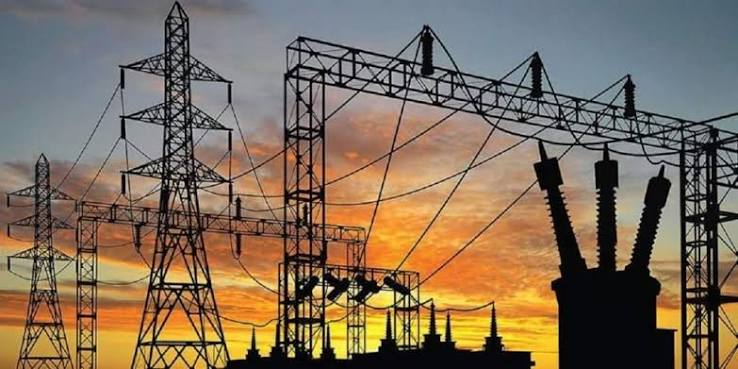
On a Friday in February 2025, Nigeria’s grid carried more power than it ever had. The Transmission Company of Nigeria recorded a peak of 5,543.20 megawatts at 11 pm on 14 February, beating the previous record. Eighteen months later, on 22 August 2026, generation dropped to 1,132.02 megawatts at 8:30 pm. Earlier that day, it had been above 4,000.
Yesterday, Nigeria’s national power grid suffered another major collapse. Generation plummeted by 81% to a dismal 675 megawatts, and nine major power plants shut down entirely during the incident. Distribution companies had to once again resort to aggressive load shedding.
Nigeria’s electricity crisis comes from years of endless collapses, partial failures, gas shortages and notices that start with an apology.
In 2024, the grid suffered collapses and disturbances twelve times; seven of them came between 14 October and 11 December. The Transmission Company pointed to vandalism, technical faults and gas constraints.
The following year, the Minister of Power claimed there had been no national grid collapse in 2025. Dubawa’s fact-check rated that false. It found a collapse in February and a second one on 7 March, when Ikeja Electric and Eko Electric confirmed a nationwide blackout. News Central also reported another nationwide outage on 29 December.
January 2026 opened with two collapses in four days. On 23 January, generation fell from around 4,000 megawatts to almost nothing. On 27 January, output went from over 4,500 megawatts to zero, with all 23 grid-connected plants losing output.
The explanation for this has been consistent. In March, Ikeja Electric blamed a nationwide drop in generation caused by limited gas supply to thermal plants. In early October, reports stated generation at 2,033.66 megawatts with 16 plants at zero, the same day Ikeja Electric blamed a shortfall in the power allocated to its network. On 19 October, it said the same thing again in a public notice.
What the notice doesn’t say is how long it will last. It promises to engage “relevant stakeholders”, and to distribute what it receives “as efficiently and equitably as possible”.
The collapses also landed on top of a tariff change. In April 2024, the regulator approved a rise in the Band A rate from ₦68 to ₦225 per kilowatt-hour, tied to a promise of 20 hours of supply a day. Band A covered about 15% of customers but used about 40% of the electricity. After a House of Representatives resolution, the rate was cut to ₦206.80 in May. In July it went up again, to ₦209.50, and more customers were moved into the band.
The 20-hour promise has since been tested. In June 2026, the regulator ordered compensation for Band A customers whose feeders averaged under 18 hours a day in February and March, because of grid generation constraints. Non-MD customers get 20% of their February energy cap, as token credits or a bill adjustment.
We could not find a single figure for total hours without power across these two years, and the events above are only the ones we could name and date. Yet, the true cumulative cost of these lost hours remains uncalculated. Millions of Nigerians will simply continue to sit in the dark.