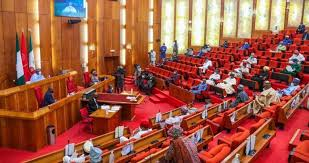

Protests at the National Assembly over the rejection of mandatory electronic transmission of election results followed an emergency Senate sitting convened amid growing public backlash over changes to the Electoral Act.
On the day of the protest, Senate President Godswill Akpabio had called lawmakers into an emergency plenary session after criticism intensified over provisions in the amended Electoral Act that removed compulsory real-time electronic transmission of results from polling units. The sitting was seen as a response to mounting pressure from civil society groups, opposition figures, and election observers who warned that the changes could weaken electoral transparency.
Despite the emergency session, protesters still gathered outside the National Assembly under the banner “Occupy NASS”, insisting that the amendments already passed by lawmakers posed a serious threat to credible elections. Among them was former Anambra State governor and Labour Party leader, Peter Obi, who joined civil society organisations to demand that lawmakers restore mandatory electronic transmission of results.
The National Assembly had earlier passed amendments to the Electoral Act that retained electronic transfer of results but removed the requirement for real-time transmission directly from polling units. Critics say this creates room for delays, interference, and result manipulation before final uploads are made.
Addressing protesters, Obi urged calm but warned that weakening election safeguards could deepen voter distrust and instability. He said elections lose credibility when laws appear designed to benefit politicians rather than protect voters.
Civil society groups also rejected claims that Nigeria lacks the technology to transmit results electronically, arguing that digital uploads have already been used in previous elections and have helped reduce disputes. They say the issue is political, not technical.
Videos from the protest showed heavy security presence around the National Assembly as protesters chanted and held placards calling on lawmakers to protect the vote and stop what they described as “rigging by law.”
For many Nigerians, the protest was not just about one clause in the law. It reflected wider frustration with repeated changes to election rules that appear to weaken accountability. Even with emergency sittings and public assurances, critics say trust will remain low unless lawmakers clearly restore protections that make elections transparent and verifiable.