Tag: tiktok

  • Universal Music Group Threatens to Pull Catalog from TikTok in Royalty Dispute

    Universal Music Group Threatens to Pull Catalog from TikTok in Royalty Dispute

    Universal Music Group (UMG) has ignited a major dispute with TikTok, announcing its intention to remove its music catalog from the platform following the expiration of their licensing agreement on January 31, 2024. The conflict stems from failed negotiations over royalty payments, with UMG accusing TikTok of proposing significantly lower rates for artists and songwriters compared to other major social platforms.

    UMG also alleged that TikTok attempted to intimidate the company by selectively removing music from certain artists when negotiations stalled, while keeping music from bigger stars on the platform.

    TikTok, in response, accused UMG of prioritizing greed over the needs of artists and defended its role as a promotional and discovery tool for musicians. The platform’s rapid growth and substantial ad revenue have made it a lucrative space for music, but UMG argues that the compensation for artists does not reflect the platform’s significant revenue 3.

    Additionally, UMG raised concerns about TikTok’s approach to Al-generated music and its impact on artist royalties, as well as safety issues related to the platform’s practices. The potential removal of UMG’s catalog from TikTok has significant implications for the platform, given the popularity of UMG’s artists, including Taylor Swift, Ariana Grande, and Rihanna.

    The dispute has drawn attention to the complex and contentious issue of fair compensation for artists in the digital age, as well as the power dynamics between music industry giants and social media platforms.

  • The Kenyan Parliament is Considering a Ban on Tiktok

    The Kenyan Parliament is Considering a Ban on Tiktok

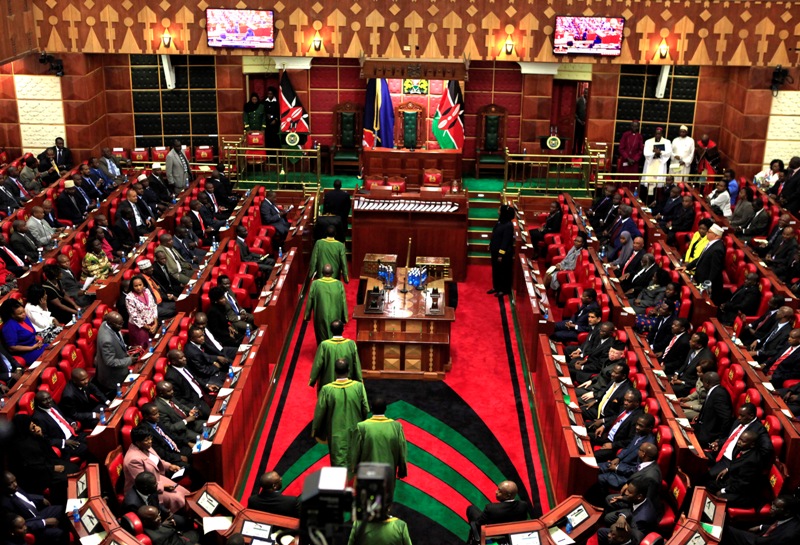
    A call has been made by a petitioner for the members of the Kenyan parliament to take action against the popular social media platform TikTok, citing its potential role in the erosion of cultural and religious values within society.

    Bob Ndolo, the Executive Officer of Bridget Connect Consultancy, submitted a formal petition to the National Assembly on Tuesday. In the petition, Ndolo urgently appealed to the MPs to institute a ban on the utilization of TikTok within the country, asserting that the platform is exposing the youth to explicit sexual content.

    The petitioner expressed deep concern about the popularity of TikTok among the young demographic in Kenya. However, he contended that the content disseminated on the application is inappropriate, thereby contributing to the propagation of violence, explicit sexual material, hate speech, offensive language, and behavior. This, in turn, poses a serious threat to the nation’s cultural and religious principles.

    One of Ndolo’s grievances is the lack of effective regulation of internet content by the Communications Authority of Kenya, making it difficult to monitor and control the material uploaded onto TikTok.

    Ndolo’s petition further noted the intrusion into the privacy of minors by TikTok, which has led to various scandals.

    In the event that TikTok is not proscribed within Kenya, Ndolo cautioned against the potential consequences. He asserted that the platform’s addictive nature could detrimentally impact academic performance and contribute to mental health issues among the youth, such as depression, anxiety, and sleep deprivation.

    Responding to the petition, Majority Leader Kimani Ichung’wa acknowledged the valid concerns raised by the petitioner. However, he argued against an outright ban on the application, noting that TikTok has generated employment opportunities for a significant portion of the youth. Ichung’wa recommended a focus on regulating app usage, age-appropriate content, and content uploaded for specific age groups.

    Kirinyaga Woman Representative Njeri Maina concurred, pointing out the high unemployment rate among young people in Kenya. She suggested that while an outright ban might not be feasible, regulating the content posted on TikTok could address the concerns.

    Nominated MP Irene Mayaka highlighted the limitations of banning TikTok, as individuals can access content from other countries using Virtual Private Networks (VPNs). She emphasized the importance of parental monitoring of children’s online activities.

    Dagoretti South MP John Kiarie defended TikTok, asserting that the responsibility for content consumption lies with users and their guardians, rather than the platform itself.

    Ndhiwa MP Martin Owino emphasized the complexity of legislating morality, advocating for a balanced approach to the matter. He stressed the necessity of responsible control and regulation to protect children while acknowledging the challenges faced by parents in overseeing their children’s online activities.

    The petition is set to undergo review by a committee, which will deliver its decision after a period of 60 days.

  • TikTok and Bill Gates have pledged $20 million to aid deployment of COVID-19 vaccines to Africa.

    TikTok and Bill Gates have pledged $20 million to aid deployment of COVID-19 vaccines to Africa.

    ByteDance-owned TikTok and Microsoft’s Bill Gates have pledged $10 million each to support GAVI’s efforts to deploy COVID-19 vaccines to Africa. GAVI is a private global health partnership that works to improve access to vaccines for people in low-income countries. The alliance, which was founded in part by the Bill & Melinda Gates Foundation (alongside the World Health Organization, the World Bank, UNICEF and others) will use the funding to help with the distribution of vaccines for the coronavirus in Africa immediately after they are developed and licensed for use. 

    Seth Berkley, a chef executive at GAVI believes the new donation help curb “a potentially catastrophic impact on immunisation programs across the developing world”. He also expressed his excitement about the sheer number of potential COVID-19 vaccines in the early stages of development around the world, which he said would slim down to a smaller number as some progressed and some failed.

    There are 76 coronavirus vaccines according to the WHO’s records, of which five are already undergoing clinical evaluation. Experts say it could take a year for one to be ready for public use. When it does happen, donations make it easier for poorer countries to get access to them.

    Tiktok has been gaining popularity among young Africans. Since 2018, it has been investing in the continent, making key local hires, signing up creator talent, and throwing resources behind mobile marketing initiatives. The social network is already the third-ranked social app in Nigeria, and sixth in Kenya – based on Android’s Google Play store rankings.