Tag: Twitter ban

  • The Nigerian economy lost approximately $250,600 every hour during the Twitter ban. What Nigerians had to say

    The Nigerian economy lost approximately $250,600 every hour during the Twitter ban. What Nigerians had to say

    On Wednesday, January 12th, 2022, at approximately 11:00 p.m., the Nigerian government through a government official stated that the ban on Twitter will be lifted after Twitter agreed to the requirements imposed by the Nigerian government, one of which was the establishment of a local office in Nigeria.

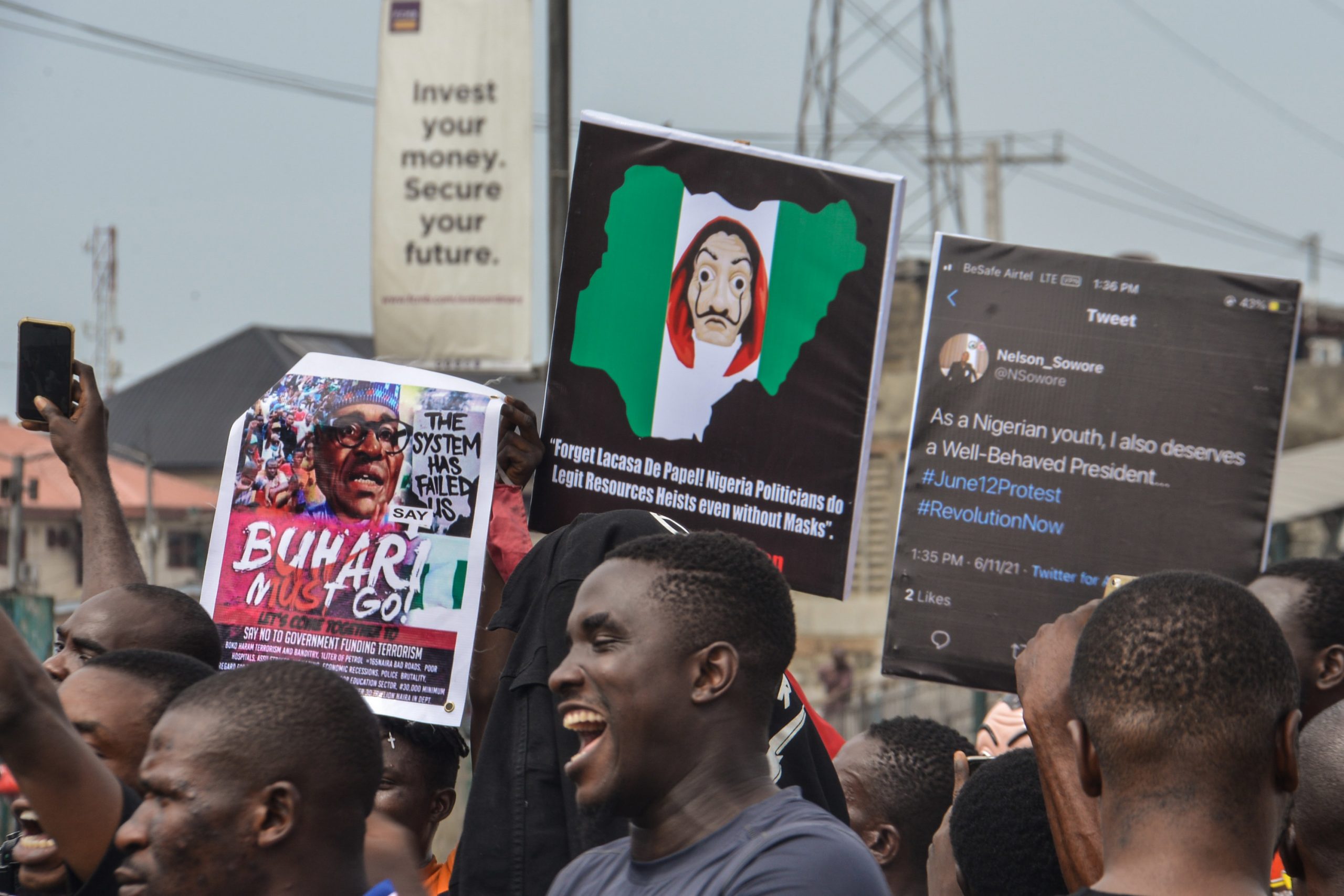
    Recall that the Nigerian federal government banned Twitter’s operations in the country due to what the ministry of information described as “the persistent use of the platform for activities that are capable of undermining Nigeria’s corporate existence”. This action was taken after Twitter removed the president’s post due to a rule violation. Following that, under the authority of the Nigerian federal government, telecommunication firms banned access to users in Nigeria.

    As a result of this action, some people who rely on Twitter for income have suffered significant losses. Nigeria lost approximately $250,600 every hour it was banned, this was according to this report. This is a country where the jobless rate has risen to 32.5 percent as of 2021.

    Even though Twitter was banned, Nigerians were able to circumvent the block by using a VPN. The announcement of the removal of the Twitter ban elicited a wide range of reactions from Nigerians, including the following:

    https://twitter.com/ralphdeyforyou/status/1481542481837756421?t=gf228jCU8GR_9nxmaGO95Q&s=19
    https://twitter.com/realosuofia/status/1481507242662940672?t=X7UAcLVogUnpjPrvE00pbA&s=19
    https://twitter.com/Moe_mrmoe/status/1481409231404384256?t=RmRUylhMRDBYDWfmcua7tA&s=19
  • Government Regulation: The bane of Nigerian Startups’ Existence

    Government Regulation: The bane of Nigerian Startups’ Existence

    2019 was a good year for the motorcycle ride-hailing industry. Gokada and Max.ng, two of the major players in the sector, had just completed fundraising rounds and were ready to expand the sector going into 2020. Bold statements and bright projections of purchasing new bikes and training more riders were made, but all these plans fell flat when the Lagos state government banned motorcycles in select areas in the state effectively strangling the nascent industry. This was the first in a series of harsh regulatory policies aimed at the start-up and technology sector of the country.

    Government regulation is essential in any economy; it guides the way businesses operate and ensures free and fair competition between companies, like a neutral referee officiating a football match. Nigeria has the highest number of startup companies on the continent and is supported by a large talent pool and increasing mobile phone penetration and reduction in data prices have found innovative solutions to unique problems leading to the creation of a vibrant technology sector. However, strict government policies are making it difficult for these companies to survive and thrive. 

    On February 5, 2021, the Central Bank of Nigeria (CBN) issued a statement ordering all financial institutions to stop facilitating cryptocurrency transactions and to cease transactions with entities trading in cryptocurrency. This slowed the growth of cryptocurrency in the country which had previously been on an upward trajectory. This was followed by the controversial indefinite Twitter ban after the microblogging site deleted a tweet by President Muhammadu Buhari, which threatened protesters, for violating its abusive behaviour policy. Other policies include the freezing of the accounts of investment platforms like Bamboo and Risevest and the pressure to shut down Aboki Fx the mobile-based platform which used to publish black market exchange rates.

    The Nigerian government is unrelenting but seeks to double down and further expand its control of the technology industry with a proposed amendment of the National Information Technology Development Agency (NITDA) Act which has raised a lot of concerns. A leaked version of the bill states that tech companies regardless of their size would need to be licensed by NITDA to operate in Nigeria, pre-tax levies for companies making an annual turnover of 100 million Naira, and strict punishment for companies who contravene the act.

    The government has touted these initiatives as being in the best interest of the country. The CBN stated that it banned cryptocurrency because of its unregulated nature and its increasing use by criminal elements. ‘The very name and nature of “cryptocurrencies” suggests that its patrons and users value anonymity, obscurity, and concealment. It is on the basis of this opacity that cryptocurrencies have become well-suited for conducting many illegal activities including money laundering, terrorism financing, purchase of small arms and light weapons, and tax evasion.‘ The Minister of Information Lai Mohammed in the statement announcing the suspension of Twitter cited the persistent use of the platform in ‘activities undermining the corporate existence of the country,’ as the reason for the ban.

    However many Nigerians view the actions of the government as a retaliation for the instrumental role Twitter and the tech sector played in the EndSARS protest of 2020. Jack Dorsey the CEO of Twitter actively supported the protesters and Twitter was the primary site from which the protests were organized and donations were raised. And after the accounts of the Feminist Coalition, a women-led organization coordinating the protest was blocked, cryptocurrency was still used to raise funds.

    The consequences of the harsh regulatory policies are already being felt as Twitter opted to open its African office in Ghana instead of Nigeria citing the freedom of speech, online freedom, and open internet in Ghana as the reason for its decision. Also Patricia the leading cryptocurrency company in the country has moved its headquarters to Estonia after the crypto ban. According to Fejiro Hanu Agbeodje the CEO of Patricia, ”regulation is one of the biggest challenges facing the company, every other challenge we can handle, we can find our way around but regulation is something that first of all reduces the trust of the public. If regulation can be handled we would thrive.” 

    In 2019, Nigeria ranked 131 out of 190 on the World Bank ease of doing business index, which measures the ease of doing business through a relative assessment of a country’s regulatory conditions, and is one of the determining factors for investment in a country. If the government maintains its strict and erratic regulatory posture this could lead to a drop in the ranking and reduction in foreign direct investment as investors value reliability and consistency in government policy.

  • Ibejii’s “Gonto” Video Portrays a Socio-Political Piece Relevant to the Oppression of Everyday Nigerians

    Ibejii’s “Gonto” Video Portrays a Socio-Political Piece Relevant to the Oppression of Everyday Nigerians

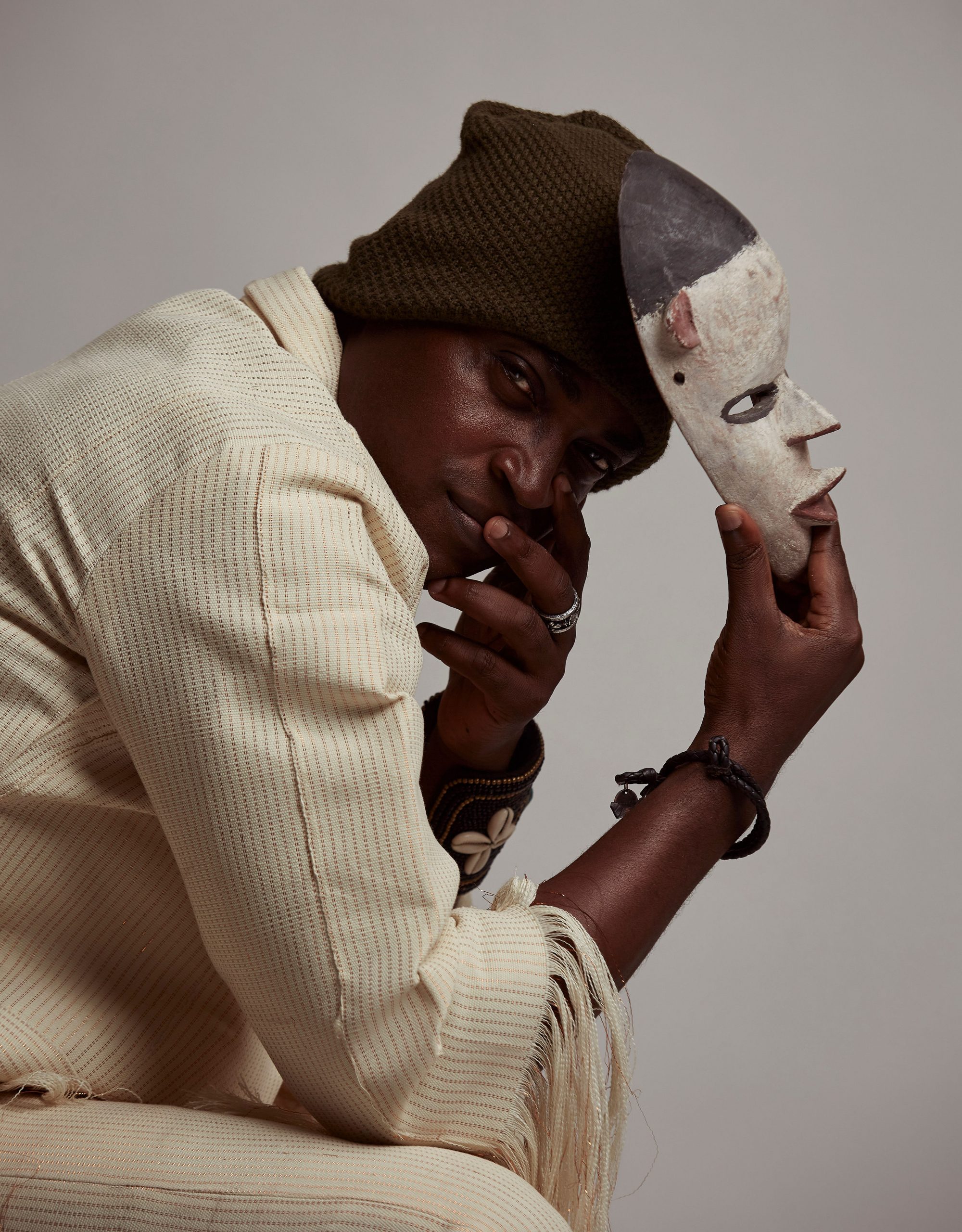
    A reputed storyteller, poet, thinker and romantic, Ibejii’s essence is a fine balance of ‘Taiye Kehin,’ the physical and the transcendent, timeworn and timeless. Ibejii’s sound is a fine blend of African vibes and unique storytelling. Ibeji’s art utilises and is immersed in his Yoruba heritage.

    Gonto recounts the victory of tiny masquerades in the face of a selfish big masquerade that will not let other voices rise. Gonto is Ibejii’s celebration of the ultimate victory of ordinary people over those who oppress and silence us.

    The record is an attempt to capture the casual insensitivity of a government and also the eventual daring of a new generation whose defeat of fear makes confrontation inevitable. “Gonto” is an anthem that depicts any instance where the oppressed move to resist the lingering excesses of their oppressor(s), as seen in Nigeria and other parts of the world these past months (#EndSARS, BLM, #June12Protest, recent Twitter Ban.)

    Gonto comes alive on stage as British/Nigerian Afro-soul singer, Ibejii released the official music video on the 25th of June. Starring some of Nollywood’s finest in its video – Dakore Egbuson-Akande, Christian Paul, Ruby Akubueze and Emmanuel Osahor – Gonto was shot live on stage at Terra Kulture Lagos, and features scenes from his upcoming, highly-anticipated movie.

    Gonto is an afro-orchestral anthem that takes the listener on a journey that captures the insensitivity of the powerful but also the daring of a new generation of believers, making it an indigenous record very relevant to the times. Connect with Ibejii on socials @Ibejiimusic and stream Gonto below.

  • Nigeria is the 66th country in the world to restrict social media

    Nigeria is the 66th country in the world to restrict social media

    The study conducted by English privacy protection company Surfshark shows that Nigeria became the 66th country that has restricted social media access over the last six years. The social media site blockage comes after face-off over the president’s tweet in Nigeria. Cutting off social media access is a common practice in African countries, especially during elections, protests, demonstrations, or exams. The researchers revealed that at least 30 countries in Africa have blocked or heavily restricted social media access since 2015.

    “Social media has established itself as a key political player of its own. However, as its influence grows, so does the governments’ desire to censor it by introducing new laws, restricting access, or blocking social media altogether,” says Gabrielle Racaityte-Racai, Communications Manager at Surfshark

    Social media restrictions have been a rising trend over the past six years, with a total of 66 countries worldwide recording cases after the first time the Egyptian government enforced an internet blackout back in 2011. 

    Since then, internet censorship has seen prominent growth worldwide, especially in Asian and African regions, and even more so recently during elections and other political events. In 2021 alone, there were eight political cases of internet disruption across the world in Nigeria, Uganda, Russia, Myanmar, Senegal, Chad, the Republic of the Congo, and Bangladesh.

    These governments usually go after communication apps like WhatsApp, Skype, Facebook Messenger, Viber, and social media platforms such as Facebook, Twitter, and Instagram. Most internet censorship and social media restriction cases in Africa have to do with riots, protests, elections, and other events of political nature.

    Over six years, at least 16 countries in Africa alone have restricted access to social media due to elections and 7 due to protests. The new report was collected through open-source information from Freedom House, Netblocks, and reputable news reports from 2015 to the present day. Social media was conceptualized as social networking sites (i.e., Facebook, Twitter, Instagram, Youtube, etc.) and communication apps, including VoIP apps (i.e., Skype, WhatsApp, Telegram, Viber). Both local and national social media blockings have been taken into account in the study. The final social media censorship report with regional deep-dives can be found here.