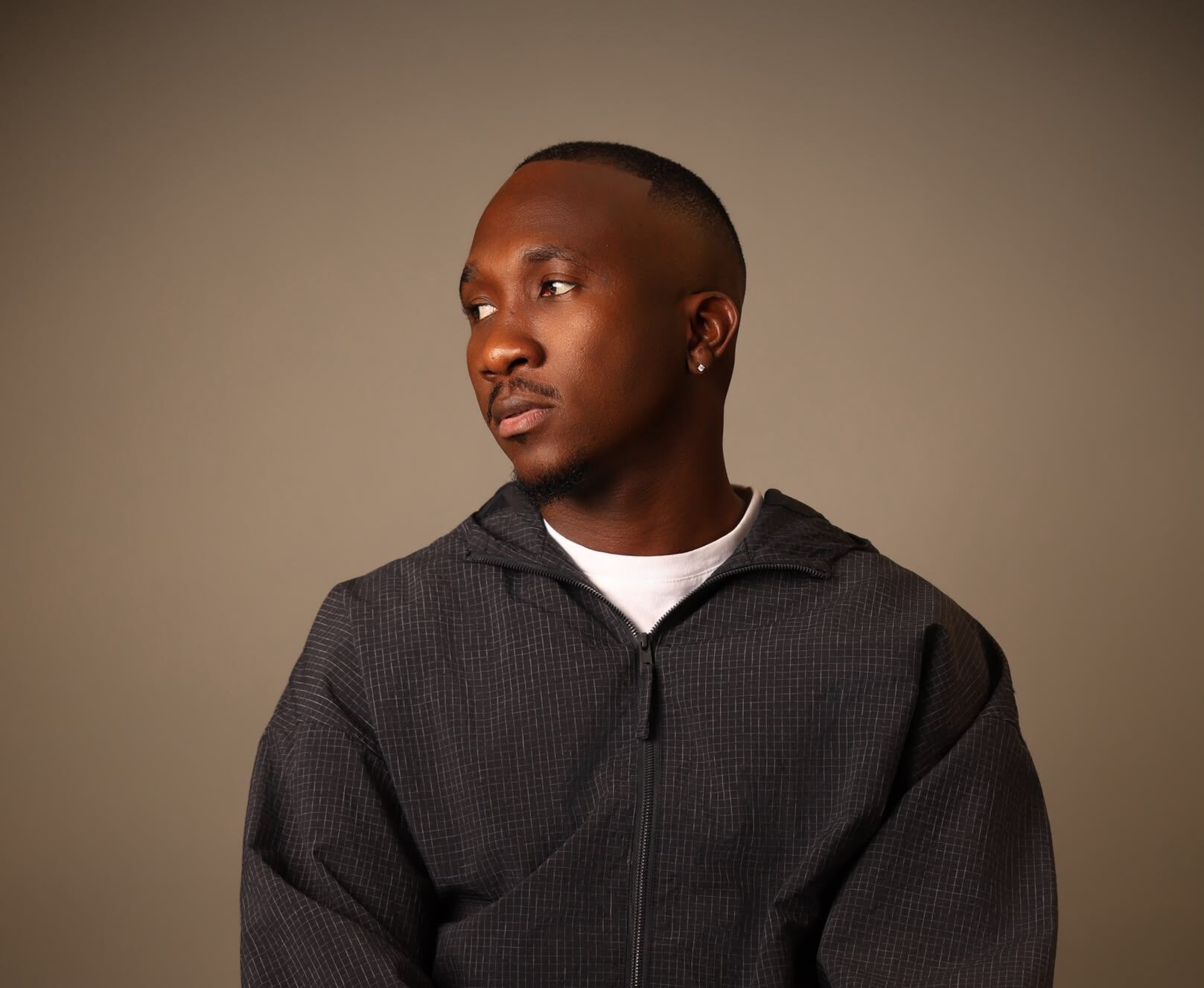
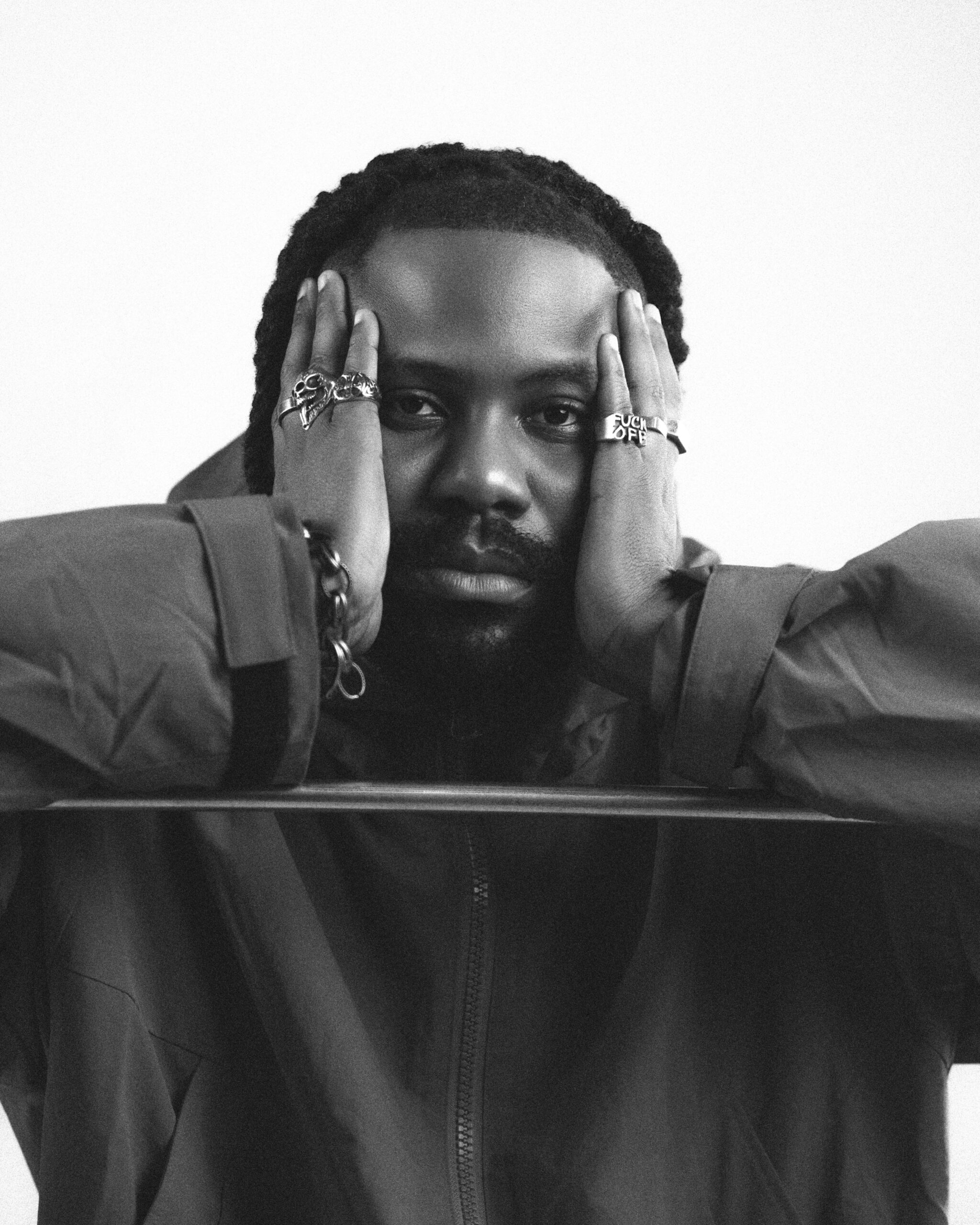
Ycee’s early run can be fondly remembered as that of the rapper who introduced himself with sharp lyricism and youthful confidence, and the artist who embraced melody, vulnerability, and the possibilities beyond a single genre. Since his breakout hit “Jagaban” and later projects like “The First Wave” and “Ycee Vs Zaheer”, the Nigerian artist has remained one of the most distinctive voices of his era, helping shape a period of Nigerian music defined by experimentation, crossover appeal, and a new wave of global recognition.
But evolution has never been a straight line. After years of constant movement, collaborations, and releases, Ycee stepped away from the spotlight, leaving fans wondering where he had gone and when they would hear from him again. In an industry that increasingly demands constant visibility, his absence became part of the conversation. Yet as he explains, being away did not mean being forgotten. With his new album Out of Sight, Out of Mind: Volume One, Ycee turns that very idea into a reflection on distance, growth, and the reality of returning as a different person from the one who left.
The album arrives as both a reunion and a reset. Originally imagined as two separate EPs, Out of Sight, Out of Mind became a body of work that captures the different sides of Ycee: the rapper who built his foundation through lyricism and the artist who has continued to explore Afrobeats, melody, and more vulnerable forms of expression. Across two distinct halves, the project embraces confidence, introspection, relationships, and personal growth, presenting an artist no longer interested in being defined by a single version of himself.
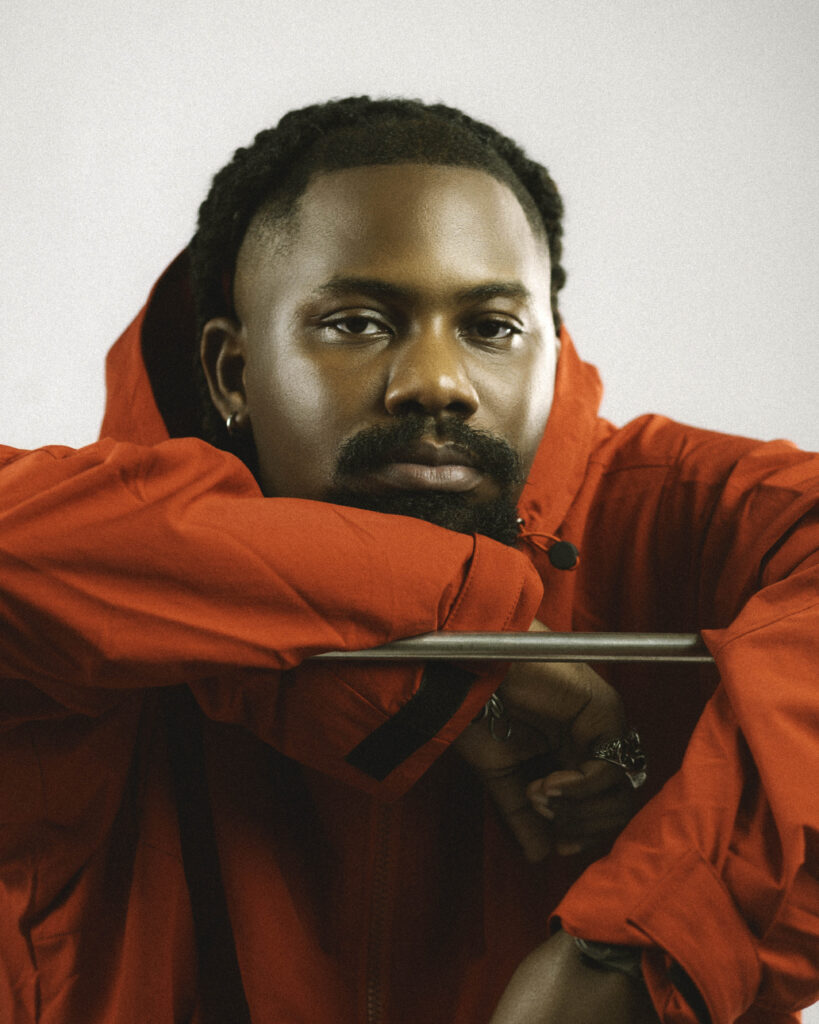
Growth has always been central to the journey. The same tension explored on YCee Vs Zaheer (the relationship between his rap identity and his more mainstream sound) continues here but with a different level of understanding. Rather than choosing between two sides of himself, he has learned that both can exist together. The result is a project shaped by acceptance: a recognition that every part of his artistry has contributed to who he is today.
Speaking with MoreBranches, Ycee reflects on the making of Out of Sight, Out of Mind: Volume One, stepping away from music, finding creativity through vulnerability, the changing landscape of Nigerian rap, and why his greatest motivation remains proving to himself that he can continue evolving.
First of all, I want to say Out of Sight, Out of Mind is a solid project. Happy to have you back. I know the album is called Out of Sight, Out of Mind: Volume One. It’s a phrase we’re all familiar with, but why did that feel like the right title for this chapter in your career?
Ycee: Thank you. Initially, the plan was for this to be two EPs that I would release on the same day. But factoring in the amount of time I had taken away from the industry, the conversations around my absence, and the fact that people were still asking about Ycee and looking for Ycee music, the title became important. It’s a play on the phrase. “Out of sight, out of mind” usually means someone is no longer present, so people no longer care about or think about them. In my case, it was the opposite. As much as I was away, I was still very much top of mind. I wasn’t physically present, but I was still present in people’s minds.
Speaking of being absent for a while, people always wondered where Ycee was. Can you take us through what was happening behind the scenes during that period?
Ycee: Life was just being life. At the core of what we do, especially being in a public space, people tend to attach this larger-than-life image to us. But at the end of the day, we’re human. I bleed, I cry, I feel sad, I feel happy. I feel everything that everyone else feels. For me, aside from dealing with a mental health condition, life was also happening. That drew me away from being active, but it was also one of the things that eventually pushed me back into being active again.
The project touches on confidence, relationships, and moments of reflection. What conversations were you hoping listeners would take away from it?
Ycee: At the end of the day, I want people to take away a story of growth and maturity. There are people who have been with me from the earliest moments of my musical journey, but I wouldn’t have grown as an artist if I were still making the same music I was making 10 years ago. This is a Ycee who is no longer in his 20s. I’m very much in my 30s now, and I’ve gone through certain experiences in life. Hopefully, my audience has grown and matured with me as well.
The album moves between different moments of confidence and vulnerability. Why was it important for you to show those different sides of yourself?
Ycee: It happens naturally. Whether I’m making a rap song, an Afrobeats song, or something more R&B-influenced, I always try to put a piece of myself or my personal experiences into whatever I’m creating. I think a lot of artists find it difficult to be vulnerable, and a lot of people are more comfortable making surface-level music. That’s not a criticism, but I feel like the best artists are the ones who resonate with people, withstand time, and build legacies. They are the ones who leave a piece of themselves in their work. That’s what allows them to live on. So I always try to reveal a piece of myself in whatever I’m working on.
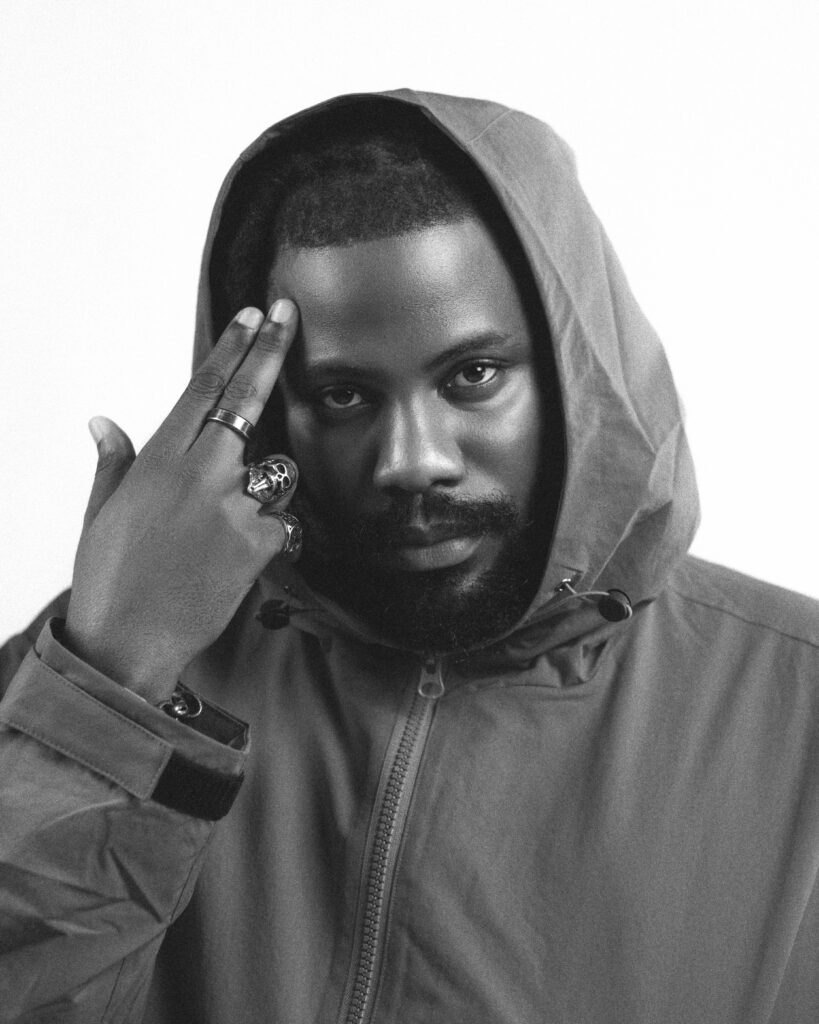
One thing I kept coming back to, especially with Out of Sight, Out of Mind, was the idea of Ycee Vs Zaheer. Even in the cover art, it represents two identities. Right now, Out of Sight, Out of Mind feels like that same conversation, but in a more mature way. What does that duality represent for you today, and how has your relationship with those two sides changed over the years?
Ycee: With Ycee Vs Zaheer, I wanted people to see a little bit of what I was dealing with internally and how I was trying to balance two sides of the same coin. Zaheer came to represent the rap side of my ability, while YC represented the more mainstream, softer, Afrobeats-inclined side. I started off as a rapper, but over the years, I leaned more into the mainstream and Afrobeats side of my career. That became a major part of my success, but at my core, I’m still the person who started as a rapper. Ycee Vs Zaheer was about those two sides initially struggling for dominance, but eventually realising that one is no good without the other.
When I started making rap music and then moved into singing, it wasn’t something I forced. I worked on it. I had a vocal trainer and voice coach, and I took lessons online to improve my range. What I realised was that it also elevated me as a rapper. I could create verses where, even though it was still rap, I could infuse melodies that made a huge difference. And when it comes to singing, a lot of my lyrical ability from rapping goes into my songwriting.
The album is split into two discs. At what point did you feel like, “Okay, I need to divide this”? One side feels very much like the core rap side, and the other feels like a different expression. What do those two sides represent emotionally and sonically for you?
Ycee: As I mentioned earlier, the initial plan was for this to be two different EPs. Even then, the sounds were already separated. One was going to be a rap EP, and the other was going to be the more vulnerable, softer side. When I decided to turn it into an album, I didn’t want to mix everything as I did with Ycee Vs Zaheer. I wanted to structure the tracklist so people could properly understand and receive the different sides of the project.
Initially, I thought the rap side would mostly connect with guys and people who gravitated towards that masculine energy, while women and people who preferred softer music would connect more with the singing side. But after releasing it, I realised there were a lot more guys than I expected who connected with and enjoyed the singing side.
Looking back at where you are now, especially with Out of Sight, Out of Mind, would you say there was any difference in your creative approach compared to your previous projects?
Ycee: The biggest difference is that most of the music came from me making music as a form of therapy. I was creating from a place where I didn’t feel the need to compete. It wasn’t driven by whatever trend was happening sonically or trying to maximize streaming numbers, views, and charts. Those metrics are important, but the artistic value is defined by how connected you are to what you’re creating and what drives your creative process. Making this album came from that place. It was relieving and fun. At the end of every session, it was just a good feeling to walk in, create something from scratch, and leave with something beautiful.
Looking at the different eras of the Nigerian music industry, from blogs to streaming and TikTok, do you think there’s anything we’ve lost? And is there anything about today’s landscape that still excites you, especially because you’ve witnessed so many changes?
Ycee: The most noticeable change is the attention span of the listener. And it’s not just music; it’s everything. You have people saying that if a song doesn’t catch their attention within the first 10 or 20 seconds, they won’t continue listening. That’s such a small percentage of a full song. You’re not even giving it a chance to reach one minute before moving on. That has affected the quality of music being made. Creators start thinking, “I just need to make the first 10 or 20 seconds amazing so people stay.” It has affected how people consume music, movies, media, and fashion.
But you still have to look beyond the surface and connect with the people who are genuinely looking for what you’re offering. If you put in the right amount of work, you’ll eventually be rewarded. Everything that is planted needs time before you see the benefits. I think five or 10 years down the line, the conversation will be different.
Speaking of the collaborations, I know you brought in artists like Psycho YP and Dremo. Was there something specific you looked for when choosing collaborators? What made them the right people for this project?
Ycee: A lot of the collaborations happened naturally. Initially, I planned to do everything myself, but as I went through the creative process and spent time in sessions with different people, certain collaborations just made sense. As we were building the songs, there were moments where certain artists came to mind because they fit the direction of the music. Everyone I collaborated with on this project is someone I have relationships with beyond just our creative partnerships. Whether it’s Psycho YP, Dremo, or people I’ve shared different experiences with, it was really about celebrating the people who have been there with me and are still there with me.
Artists like yourself have helped redefine what Nigerian rap can be. Looking back, what do you think your generation changed about the game?
Ycee: I wouldn’t necessarily say we were the people who brought change, but I look at the period when I emerged as a kind of middle ground. There were people who were active before me, and there were people who came after. I think the biggest change was showing younger people that you could actually make this happen at a young age. A lot of the people I looked up to when I started making music were older. Many were already in their late 20s or 30s before achieving major success. But around 2011 and 2012, we had people like Wizkid, Davido, Flavour, L.O.S., DRB, and a lot of young artists showing us that you didn’t have to wait until a certain age to make an impact. You could start young and still achieve something meaningful. That changed the landscape. We also came up during the emergence of the streaming era, which completely changed the industry by giving artists much more power and control over their careers.
Afrobeats is becoming more global than ever, but there are still conversations around Nigerian rap not receiving the same level of attention. What’s your take on that?
Ycee: I think it’s about what you water and what you allow to grow. When the Afrobeats-to-the-world movement started gaining momentum, it reflected the time we were in. There was a period when rap music was one of the most profitable genres, not just globally but across Africa and Nigeria. We had early pioneers like 2Baba and Eedris Abdulkareem, and later artists like MI and Ice Prince who achieved major success through rap. But over time, the landscape changed. More singers began emerging and blending pop sounds that connected with the fact that Nigerians love to dance. That also aligned with the growth of nightlife in Lagos and Nigeria becoming a global destination for people looking to have a good time. Naturally, that reflected in the music people were consuming.
When funding and investment started coming into the industry, people gravitated towards what was more profitable and bankable, which was Afrobeats. That’s not to say people were intentionally ignoring rap. It simply received more attention, funding, and support. Ultimately, it comes down to rappers and the people who love the art form supporting it. Not just through comments on social media, but by streaming the music, buying it, buying merchandise, and showing up at shows. If people continue to support it, rap music will always have a fighting chance alongside Afrobeats. It doesn’t have to be one or the other. Both can exist.
If someone is listening to Out of Sight, Out of Mind, what do you hope they take away from it?
Ycee: I want people to take away a feeling of return. I wanted this project to represent a moment that sparks something in the industry, where people don’t feel like they have to make one specific type of music to be recognised as successful artists. For me, this is a new chapter and a new era. I want people to feel that change and know that it’s only going to get better from here.
Finally, with everything you’ve seen in the industry, is there anything Ycee feels like he still has to prove—not necessarily to anyone else, but to yourself?
Ycee: I’m my own biggest critic. For me, it’s always about constantly trying to evolve. One of the first lessons I learned in life, even before I got into music, is that there’s always a higher level. Whatever ceiling you’re trying to break through, once you do, you look up and realise there’s another level of greatness to reach. Personally, I’m always trying to prove to myself that I can make the best music possible. That’s what continues to drive me.