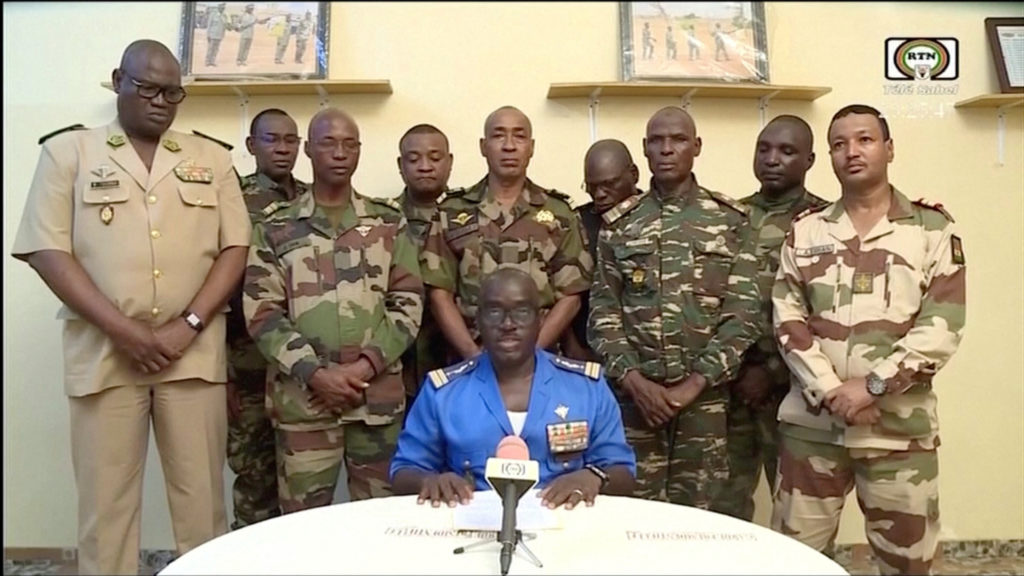
Niger’s recent announcement to terminate its military agreement with the United States has reverberated across the Sahel region, marking a significant shift in regional security dynamics. The decision, made by Niger’s military government, comes after high-level talks with US officials and reflects a deep-seated dissatisfaction with the existing agreement. The move, described as a blow to US security interests in the area, underscores the complexities of international partnerships in the fight against terrorism.
BREAKING OVERNIGHT: Niger military junta kicks out U.S. forces "with immediate effect" from the country and condemns America's "condescending attitude combined with the threat of reprisals" pic.twitter.com/QdISwgsq9E
— Larry Madowo (@LarryMadowo) March 17, 2024
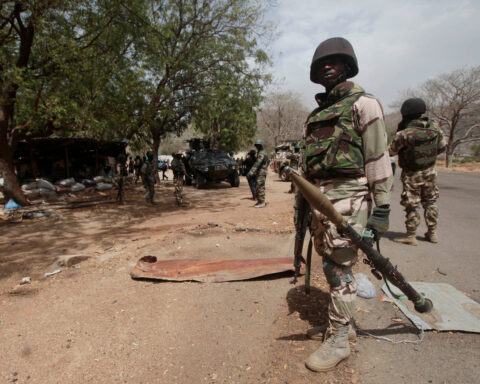
Niger, a key player in US military operations in Africa’s Sahel region, has been a focal point for counterterrorism efforts. The termination of this agreement raises concerns about the future of security operations in the region and the impact on ongoing counterterrorism efforts. The decision also highlights the delicate balance between sovereignty and international cooperation, shedding light on the evolving geopolitical landscape in West Africa.
As Niger redefines its strategic partnerships, the implications of this decision extend beyond its borders, influencing regional security dynamics and alliances. The fallout from this move is likely to reshape the security architecture in the Sahel region, with ripple effects on global counterterrorism strategies.