There was a time in Africa’s fastest growing economy when consumers not only wanted but could afford the luxury of buying in bulk or stocking up on monthly supplies of household essentials. But with rising inflation and mounting bills, this is no longer a reality for many. The average consumer’s purchasing power has nosedived alongside the economy, forcing them to prioritize essentials over what used to be considered staples. In response, businesses have adapted, introducing the sachetization of products.
Sachetization is a term that may sound like a marketing buzzword, but its roots run deeper. First coined in India, sachetization refers to the practice of selling products in small, single-use packets. The concept took off in the 1970s when companies like CavinKare revolutionized the FMCG (Fast-Moving Consumer Goods) market.
Recognizing that many rural consumers couldn’t afford large quantities of items like shampoo or talcum powder, Chinni Krishnan, the founder of CavinKare, introduced affordable sachets. This allowed millions of low-income consumers access to products that were once considered out of reach. What started as a business move to expand market share quickly became a tool for economic inclusion, empowering formerly disempowered consumers to buy what they wanted however they could afford it.
70% of Shampoo sales in India today happen in Sachets.
— Azhar Jafri (@zhr_jafri) October 3, 2020
40 years back, there was no concept of sachets & shampoo was a product limited to rich
Chik Shampoo revolutionised shampoo industry with sachets challenging HUL & P&G & became a 500 crores brand
A thread on Chik🧵
1/ pic.twitter.com/spMyCxFXF6
This democratization of FMCG goods reshaped India’s markets. Even financial and technological services followed suit, with fintech companies offering micro-insurance and cable companies offering cheaper subscriptions to promote financial inclusion. Sachetization was a win-win—businesses grew their market, and consumers accessed products without feeling too financially burdened.
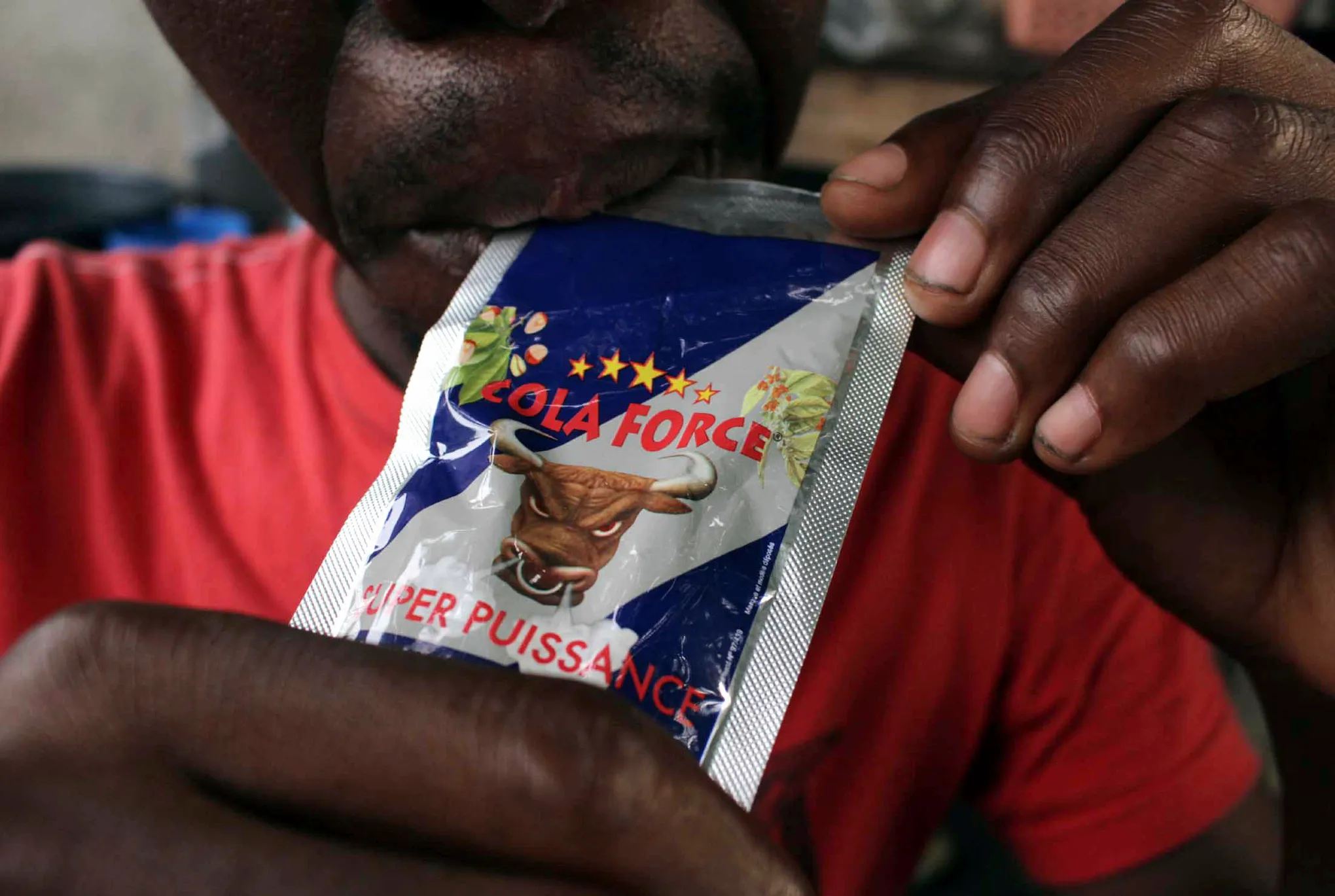
In Nigeria, however, the same strategy tells a different story. Borne out of necessity as opposed to innovation, the shift to smaller packaging is an undeniable reflection of economic hardship and shrinking disposable income. Starting in the 1990s with sachets of “pure water” and powdered milk, the trend has expanded rapidly as inflation and poverty worsen. Today, almost every household product— cooking oil, toothpaste, and even menstrual products—comes in sachet form. This has even extended to the pharmaceutical industry where drug supplements are being sold in “satchets” or cards as they are referred to.
Dettol now comes in sachets, following in the wake of other popular products like bleach, milk and the all popular pure water. Sachetization in the Nigerian economy is real. Can health care ride this trend? Well the chemists already are. It's the result of 'mix medicine for me!' pic.twitter.com/K95kFQXi4U
— Neto (@docneto) May 9, 2019
What was used as a strategy to tap into a new market is being applied in Nigeria as a survival mechanism for businesses struggling to retain consumers who can no longer afford their products in bulk. Many Nigerians now see sachet products as a necessity, not just a convenience. It is undeniable that sachetization has made essential goods more accessible however, it’s just as important to question whether consumers are getting the same value for their money. In India, sachets are often seen as high-quality, smaller versions of larger products.
Unto satchet soup levels. Toh 😄😄 pic.twitter.com/ufou5U8JPg
— Ada idemili (@tellmarh) September 21, 2024
In contrast, Nigeria’s sachet products are sometimes viewed as inferior goods, designed to meet the price point of a population grappling with economic instability. Consumers have little choice but to buy sachets, even if they feel they’re sacrificing quality for affordability. Which most times, they are. One recent tweet noted that Golden Morn cereal tastes better in its 900g pack than in sachets, raising questions about whether companies are cutting corners to keep sachet prices low and profit high.
Only the real lovers know that the taste of 900g beats that of the 300g and 600g.
— Omobolanle❣️ (@bolanle_ojelabi) September 3, 2024
The reload pack is also sweeter than the normal satchet https://t.co/lUSRpySmZu
Beyond economic implications, sachetization also has a very high environmental cost. The sheer volume of plastic waste generated by single-use sachets is overwhelming, especially in a country like Nigeria, where waste management infrastructure is limited. Lagos State, for example, plans to ban sachet water starting in 2025 to combat the environmental damage caused by plastic waste. However, this has sparked debate: for many Lagosians, sachet water is the only affordable source of clean drinking water, raising concerns about how effective such bans can be without addressing deeper issues of access to essential services
Sachetization has proven to be a powerful tool for expanding access to products and driving consumer engagement in markets like India. But in Nigeria, it serves as a stark reminder of the country’s economic struggles. While businesses have been able to stay afloat by adopting the sachet model, the practice highlights the deep-rooted issues of economic inequality and environmental degradation. For Nigeria, sachetization is more than just a business strategy—it is a reflection of survival in a challenging economic climate. And if the economy fails to improve, sachetization may ultimately trap consumers in a cycle of low-quality, single-use products, all while exacerbating the environmental crisis. This is where innovation and government intervention will be crucial in shaping the future of Nigeria’s sachet economy.