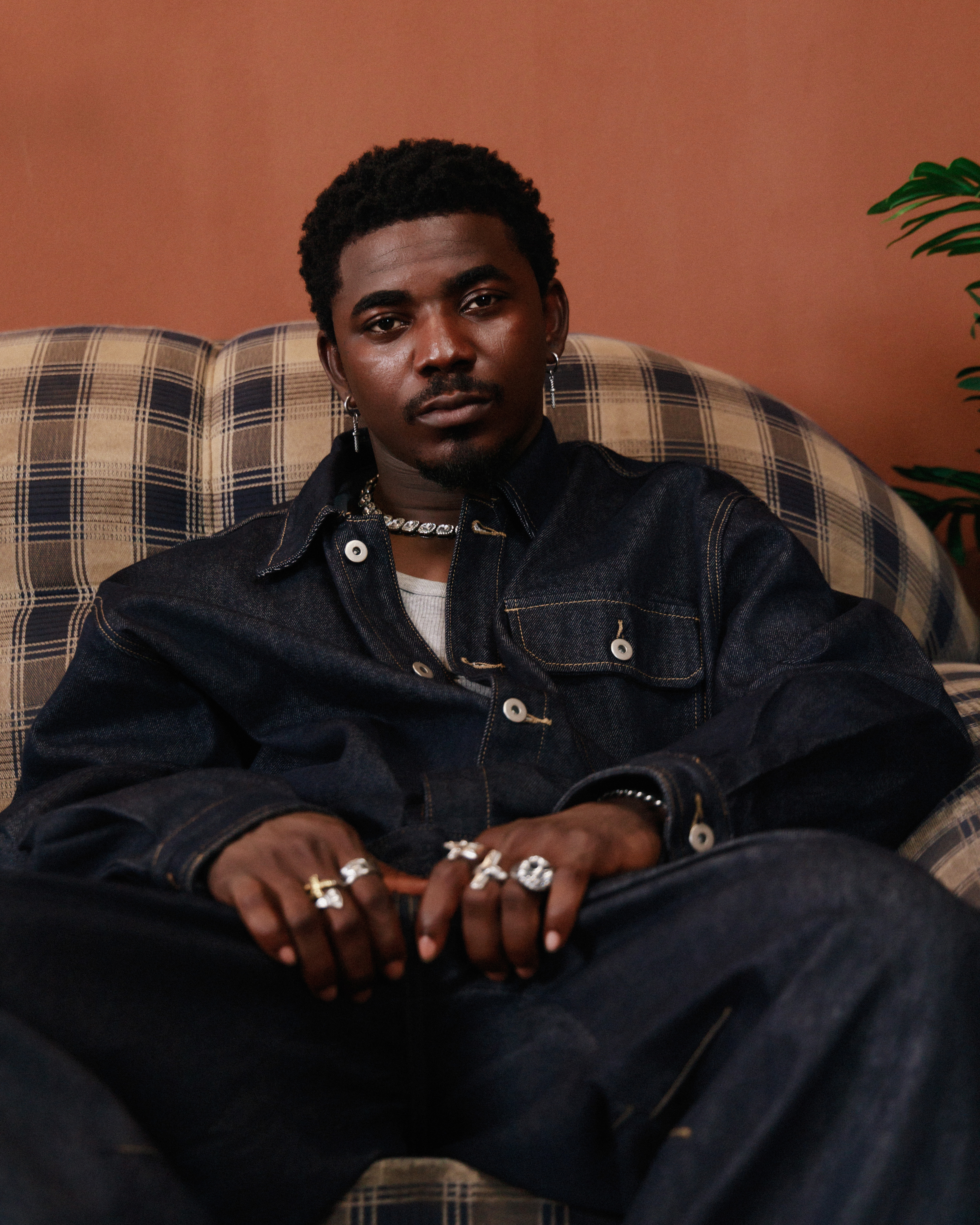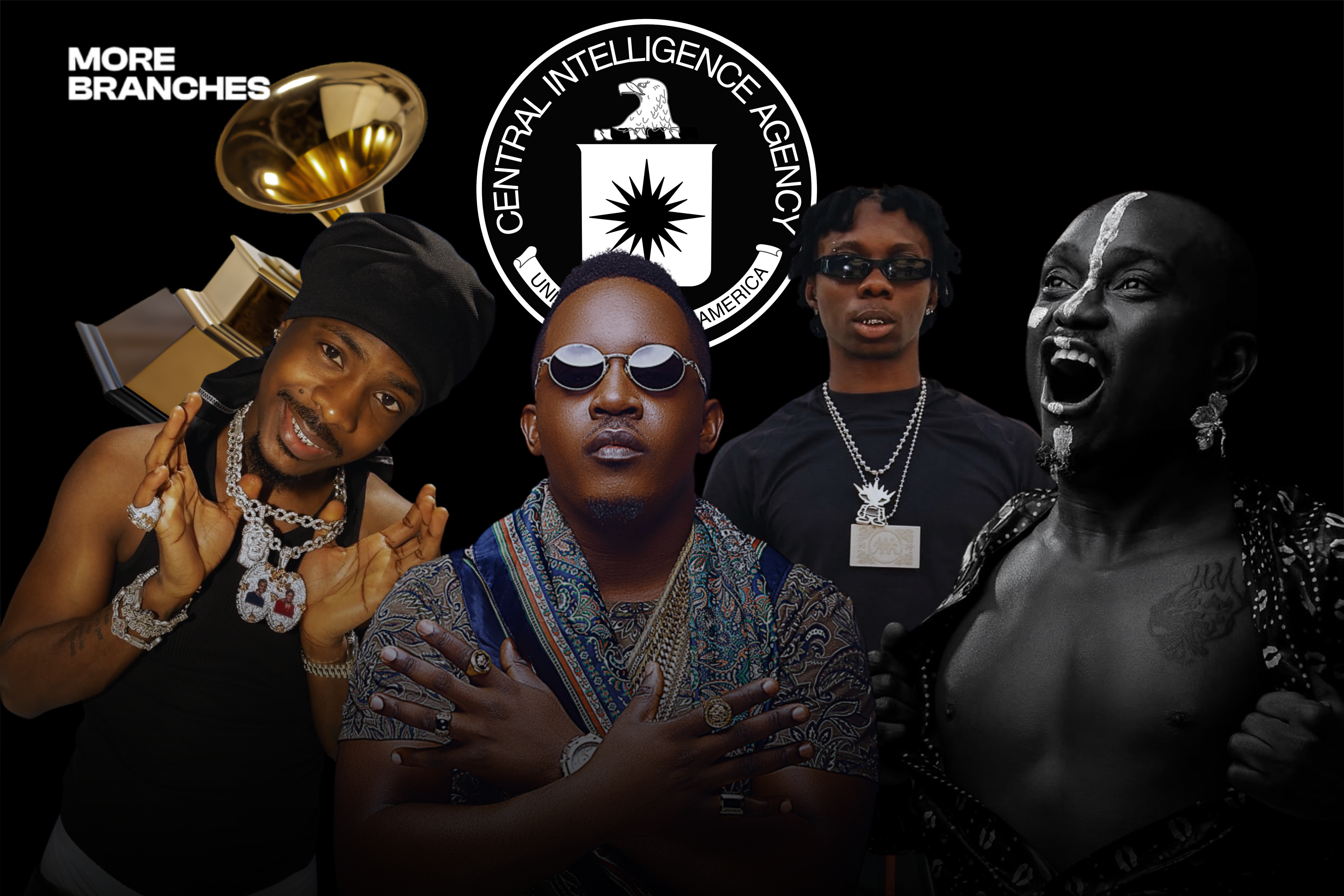
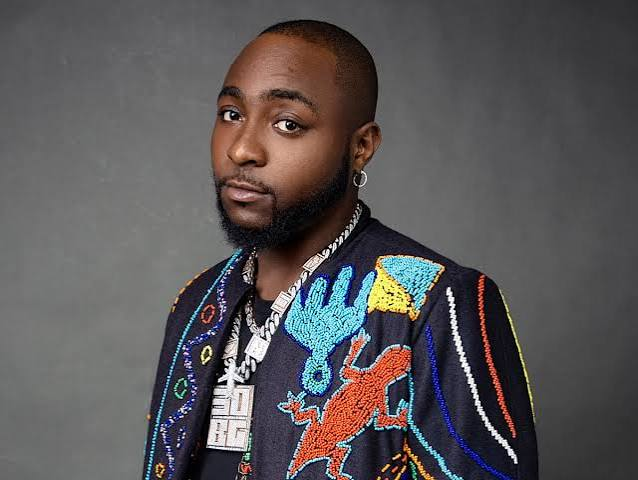
Six days before Osun State votes for a new governor, David Adeleke logged into his X account and asked the President of the United States to pay attention. In a post addressed directly to Donald Trump, the Afrobeats star said he was worried about the rising tension in Osun and the risk of violence, intimidation, and a compromised vote. He asked the international community to watch the process closely, and said Osun people deserved to vote freely and without fear.
It’s not a wild request; Osun has earned the concern in recent times. The state has been in some form of political warfare for close to four years. It all started when Governor Ademola Adeleke came into office and sacked all APC-appointed council chairmen left over from the Oyetola administration, replacing them through the Osun State Independent Electoral Commission. The APC refused to accept it. The courts, depending on which one you asked, gave conflicting answers on who actually controlled the council secretariats.
What followed was armed confrontation. In February 2025, a former Irewole council chairman, Remi Abbas, was shot dead along with six others when sacked APC officials tried to reclaim their offices. That was the opening act. The build-up to Saturday’s vote has been worse. Campaign billboards for both major camps have been torched and vandalised across several local governments since May.
By June and July, the killings had names attached: Taofeeq Mustapha, an APC member allegedly shot for wearing a cap bearing his party’s colours. Timilehin Oni, 19, was shot dead in Ijebu-Jesa. Lateef “Lexy” Adelodun was killed in Osogbo alongside another man, in an attack blamed on Accord Party loyalists. The police say they’re investigating roughly 30 politically motivated killings tied to this election cycle. Independent monitors at Kimpact Development Initiative counted 44 violent incidents and at least 13 deaths between October 2025 and June alone.
The two major parties, trading blame in the way Nigerian politicians do, now claim a combined 18 of their own members were killed in the run-up. APC says 10, Accord says 8. Osogbo, the state capital, has absorbed most of it. The federal government has responded by deploying 15,000 police officers, a number that has itself split opinion between those who see security and those who see a state under occupation.
This is the Osun that Davido tweeted into. And here’s where the balance has to hold both ways: the concern is legitimate, and the timing is not incidental. Governor Adeleke is Davido’s uncle. His re-election bid, now under the Accord Party after defecting from a PDP consumed by its own internal crisis, is not an abstract political contest for the singer. It’s family, and by extension, it’s leverage, access, and standing that a second term protects.
Which is exactly what critics online pointed to within hours of the post. Nigerians pressed Davido on why a man with 40 million-plus followers and a direct line to global attention had stayed largely quiet through a year that included worsening insecurity across the country, recurring mass abductions, and a string of national crises that never got a tweet at a sitting US president but found his voice the moment his uncle’s seat was on the ballot. Selective advocacy is still advocacy, but it invites the question of what, exactly, is being advocated for.
Both things can be true. Osun is genuinely bleeding ahead of Saturday, and the call for international scrutiny is not manufactured; the death toll makes that case on its own. But Davido did not arrive at this cause as a neutral observer, and pretending otherwise does a disservice to both the state’s real crisis and the audience he’s asking to care about it.