Washington is moving to push South Africa and Rwanda out of AGOA, the US trade programme that lets eligible African countries sell thousands of products to American buyers without paying duties. President Donald Trump has told Congress that both should lose their access from 1 January 2027. The announcement came on Monday from the US Trade Representative, Jamieson Greer, who says the annual review found both doing things that don’t meet the programme’s rules. The US points to trade and investment barriers and to national security and foreign policy concerns.
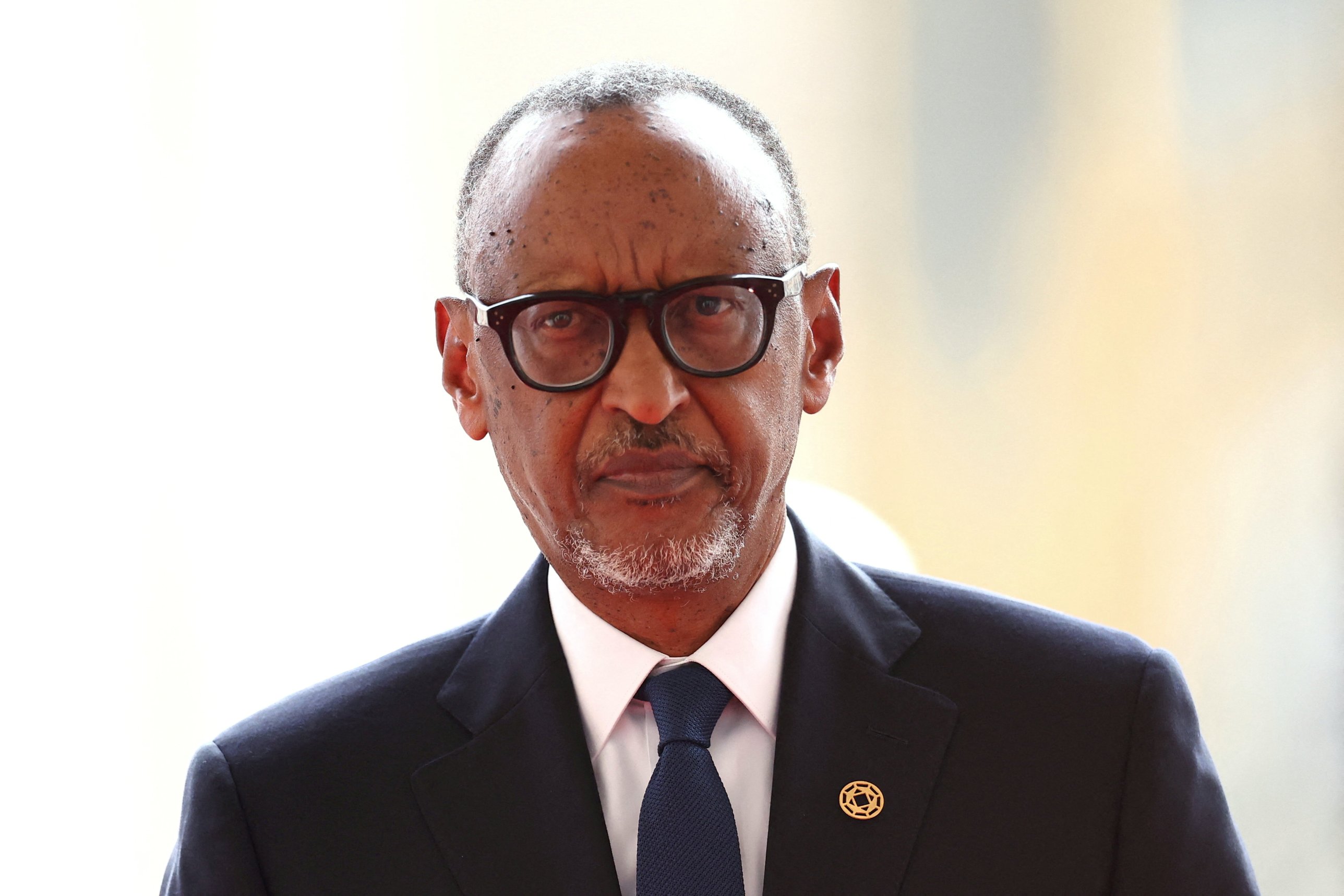
The reasons differ by country. For South Africa, the biggest beneficiary of the scheme, with about $1.7bn in exports under AGOA in 2025, the US cites corruption and bribery. For Rwanda, it adds human rights violations, and the move lands days after the US sanctioned Rwanda’s defence ministry. Washington has accused Kigali of backing the M23 rebels in eastern Congo and of conflict minerals appearing in its supply chains. Rwanda hasn’t responded in the reports we could find.
South Africa’s Trade Minister, Parks Tau, called the decision unfortunate and says Washington raised issues that weren’t part of the trade talks the two countries began in 2025. He argues the damage is limited, since AGOA accounts for about 1% of South Africa’s total exports and more than 600 US companies operate in the country, and says Pretoria has 60 days to address the concerns raised. His plan is to speed up the hunt for new export markets to protect jobs. The South African Chamber of Commerce in the USA is less relaxed, warning of higher costs, shakier investment and jobs at risk.
The US ambassador to South Africa, Leo Brent Bozell III, took the opposite view on X. He called the outcome predictable and preventable, and said it followed Pretoria’s rejection of concerns raised by the US.
The row sits on top of a bad year for the relationship. Trump accused South Africa last year of persecuting its white minority, repeated claims of a genocide that have been widely discredited, and launched an asylum programme for white Afrikaners. Meanwhile China, South Africa’s biggest bilateral trade partner, cut tariffs on 53 African countries in May.