
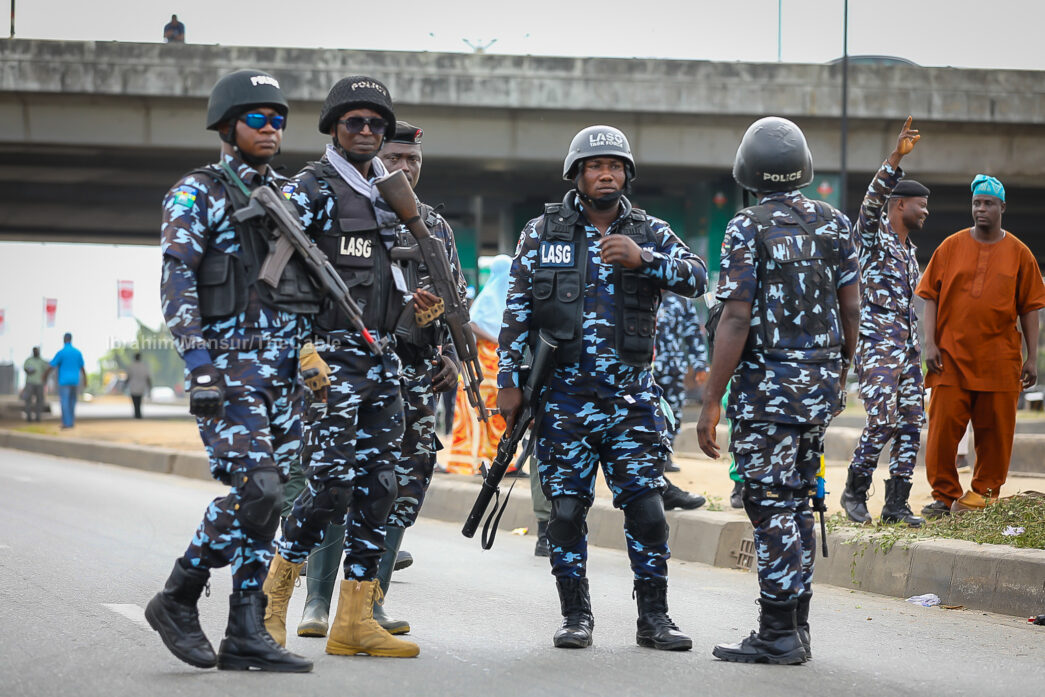
Nigeria is one signature from rewriting who is allowed to police it. The Clerk to the National Assembly, Kamoru Ogunlana, said on Tuesday that 28 of the 36 State Houses of Assembly have approved the Constitution (Sixth Alteration) Bill, 2026, which creates a constitutional basis for state police services. A constitutional amendment needs two-thirds of the states, or 24, so the bill clears the bar with four to spare. Preparations are under way to send it to President Bola Tinubu for assent.
The bill has moved fast. The Senate passed it on 24 June and the House of Representatives on 23 July. The National Assembly sent it to the states on 16 September with 30 days to respond, a window that closed on 15 October with 28 states already on board. The Clerk says his office will keep taking reports until the bill is transmitted, and that it has checked each state’s votes and proceedings to confirm they are authentic. Section 9 of the Constitution doesn’t require a third reading for an amendment, which means the bill doesn’t return to either chamber. What’s left is administrative work under the Acts Authentication Act.
Vanguard’s list of the 28 includes Lagos, Kano, Rivers, Kaduna, Ogun, Oyo, Delta, Edo, Sokoto and Anambra. Leaving out the states that aren’t on it, the eight without a reported approval are Bauchi, Borno, Gombe, Jigawa, Katsina, Kogi, Niger and Ondo. The reports don’t say whether those assemblies voted against or simply haven’t reported.
Signing the amendment won’t put state police on the streets by itself. It sets the constitutional foundation, and separate laws still have to settle how state forces are recruited, funded and overseen. Nigeria currently has a single federal police force. Supporters say local forces would gather intelligence and respond to kidnapping, banditry and terrorism faster than a single federal command. The main worry is governors using them against opponents and critics, along with whether states can afford them and how to keep federal and state powers apart.