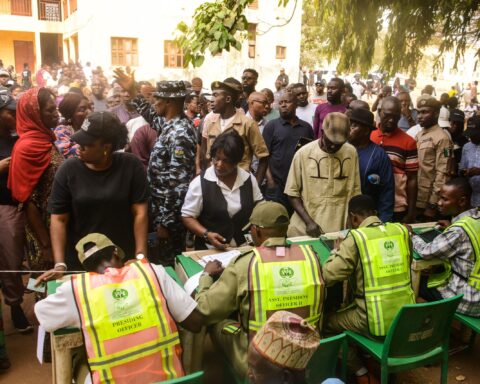
#RigandDie2027 is not new. Nigerians have been using it on X since at least May 2025, largely opposition supporters pledging to guard the 2027 vote. When Peter Obi defected to the ADC in Enugu on 31 December 2025, he put the same mood into words, vowing that anyone planning to rig the election would be resisted by every lawful and legitimate means and blaming weak institutions like INEC for the state of things. What changed in the last two weeks is who is saying it and what INEC has been caught doing. Between a politician’s threat and a voters’ register full of questionable records, the hashtag is loud again.
The politician is Ovie Omo-Agege. On 23 October, the former Deputy Senate President, now seeking the Delta Central Senate seat under the NDC, told a political gathering that anyone who rigs the election will be killed and that this time there will be no court to run to.
Anybody who rigs the election on that day, we will kill him.
Ovie Omo-Agege
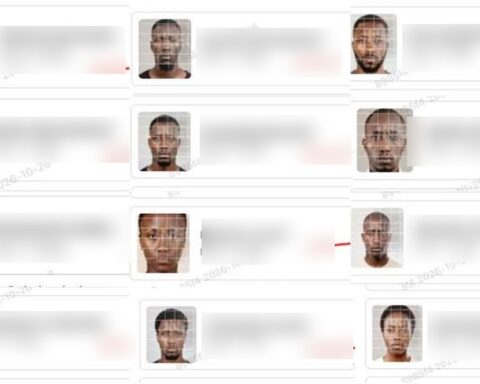
Several of the posts that have done well under the tag also carry NDC campaign lines, so the hashtag is doing party work as well as warning work. Under all of it sits a real worry about the machinery. INEC put the preliminary voters’ register online on 26 October, and screenshots of suspected AI-generated passport photos started circulating, many from Etsako West in Edo State. Duplicate entries, dead voters and living voters with missing names followed. INEC said on 27 October that it had found questionable records and started a review, which we reported here.
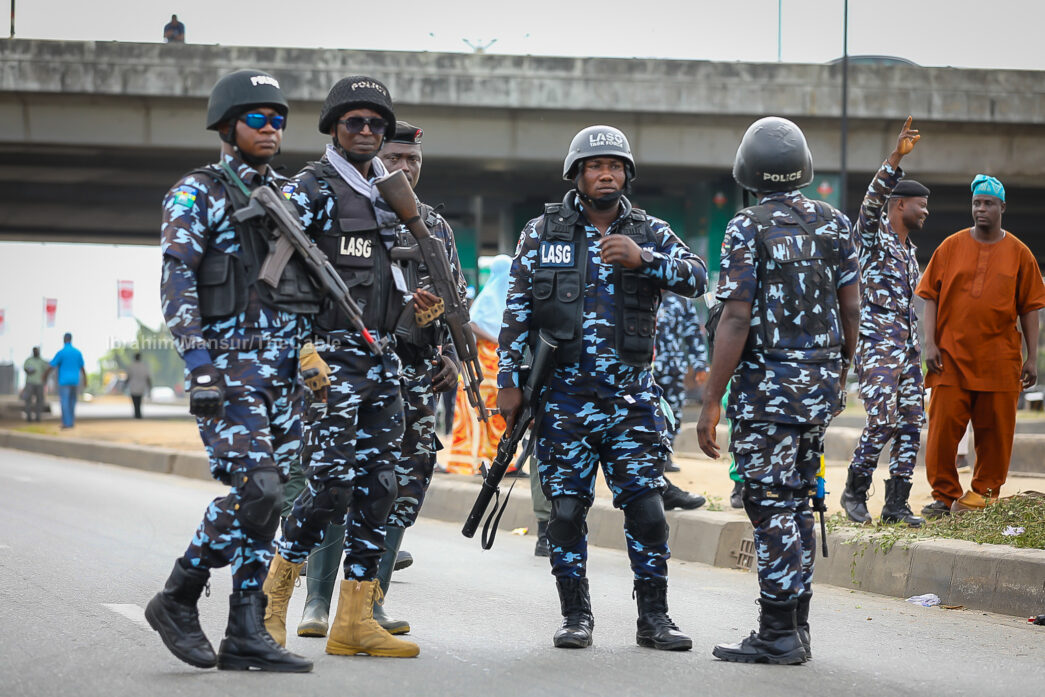
The warning isn’t only aimed at INEC. One post with about 58,000 views asks Nigerians what the plan is to stop the police from rigging 2027.
Three days after INEC’s statement, its ICT Director, Lawrence Bayode, told Arise TV that some registration officers used their own login credentials to add the questionable records, in states across the country. Some photos were AI-generated, others came from poor registration practice. INEC’s biometric system flagged them, Bayode said, and the commission knows who did what and how. He couldn’t say why.
Omo-Agege has since defended his line, arguing that rigging an election is treason, and analysts including Sam Amadi and Bashir Ahmad have argued over whether it is a threat or a warning.
The published register is not the final one. INEC says it will clean it up, finish verification and adjudication, and certify the final register of voters on 15 December.