
It’s been hyped, doubted, and argued about for decades. Here’s what’s actually true, what’s
myth, and how to find out what works for you.
It’s an area, not a button
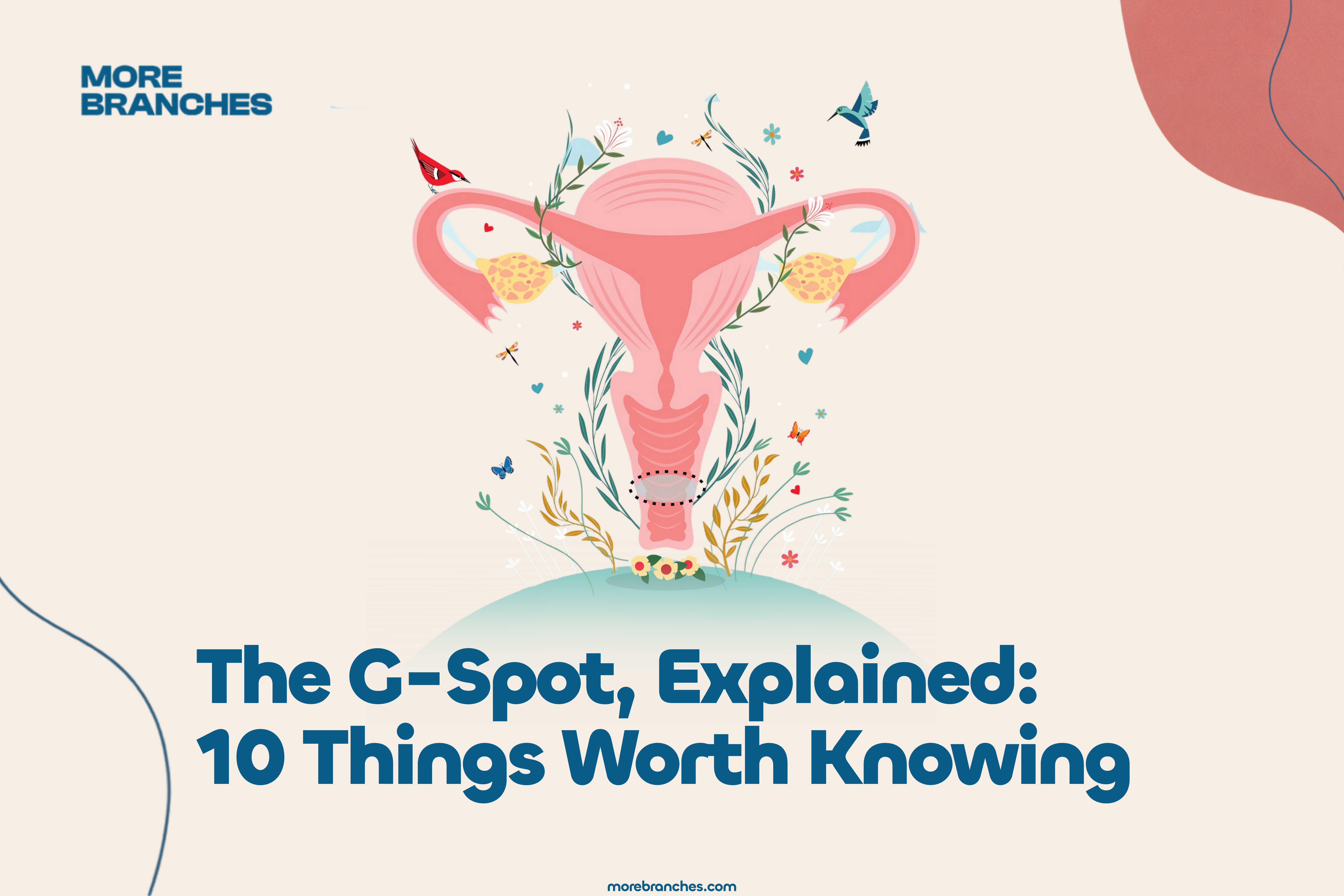
The G-spot sits on the front wall of the vagina (the side facing your belly), roughly 2–3
inches (5–8 cm) in. Don’t picture a single switch. Many researchers now describe it as part
of a wider network where the internal clitoris, the urethra and the vaginal wall meet, so what
you’re feeling is a zone of connected, sensitive tissue.
Not everyone feels it the same way, and that’s normal
Scientists still debate whether the G-spot is a distinct structure at all. What’s clear is that
experiences vary a lot. Some people find stimulation there intense, some feel very little, and
some find it uncomfortable. None of those responses means something is wrong with your
body.
You’ll know it by the texture
When you’re aroused, the area often feels slightly ridged or spongy compared with the
smoother tissue around it. That’s because the surrounding tissue swells with blood during
arousal, which makes it easier to find and more responsive to touch.
Arousal comes first, always
Go straight for it without warming up and it’ll probably just feel like needing to pee. Take
your time. Kissing, touching and external clitoral stimulation first make the whole experience
better. Arousal isn’t a warm-up act. It’s the main event.
Master the “come here” motion
Use one or two fingers, palm facing up. Slide in gently and curl your fingers toward your
belly button in a slow “come here” motion. Steady, firm pressure usually works better than
speed. Adjust based on what feels good and keep checking in.
Some positions make it easier
Angle matters, so a few positions help:
- Hands and knees: rear entry naturally angles toward the front wall.
- On your back, hips raised: a pillow under your hips changes the angle.
- Squatting or on top: you control the depth, pressure and rhythm.
Toys with a curved tip are designed for exactly this, and they’re a solid option solo or with a
partner.
Lube is your best friend
More is better. Water-based lube is the safest all-rounder because it works with condoms
and silicone toys. Comfort makes pleasure possible, so don’t treat it as optional.
Here’s what squirting actually is
Squirting is the release of fluid through the urethra during arousal or orgasm. Research
suggests the fluid comes mostly from the bladder. It’s chemically similar to diluted urine,
though it’s not the same as peeing. It’s also different from “female ejaculation,” which is a
much smaller amount of milky fluid from the Skene’s glands near the urethra. Some people
experience one, both or neither, and all of that is normal. If you’re worried about mess, pee
beforehand and put a towel down. There’s nothing to be embarrassed about.
Drop these myths
- “G-spot orgasms are better.” An orgasm is an orgasm. What matters is what feels good to you.
- “You need a partner to find it.” Solo exploration is one of the best ways to learn your body.
- “Squirting means the sex was better.” It doesn’t. It’s just something some bodies do.
- “If you can’t find it, you’re doing it wrong.” Plenty of people never find it, and they’re having great sex anyway
Consent and communication aren’t extras
Talk about what you want to try, say what feels good (and what doesn’t), and remember that
anyone can stop at any point. Respect and patience make any experience better.
When to see a doctor: Talk to a gynaecologist or healthcare provider if you have pain
during sex, ongoing pelvic discomfort, bleeding after sex, or anything about your sexual
health that concerns you. Pain isn’t something you have to push through.