The rave scene in Nigeria is changing the landscape of Nightlife in Nigeria; from the one-dimension of club nights, young people are creating spaces that cater to them, and their realities. At the center of this revolution is the music, and the controllers of said music, DJs, are more relevant than ever before.
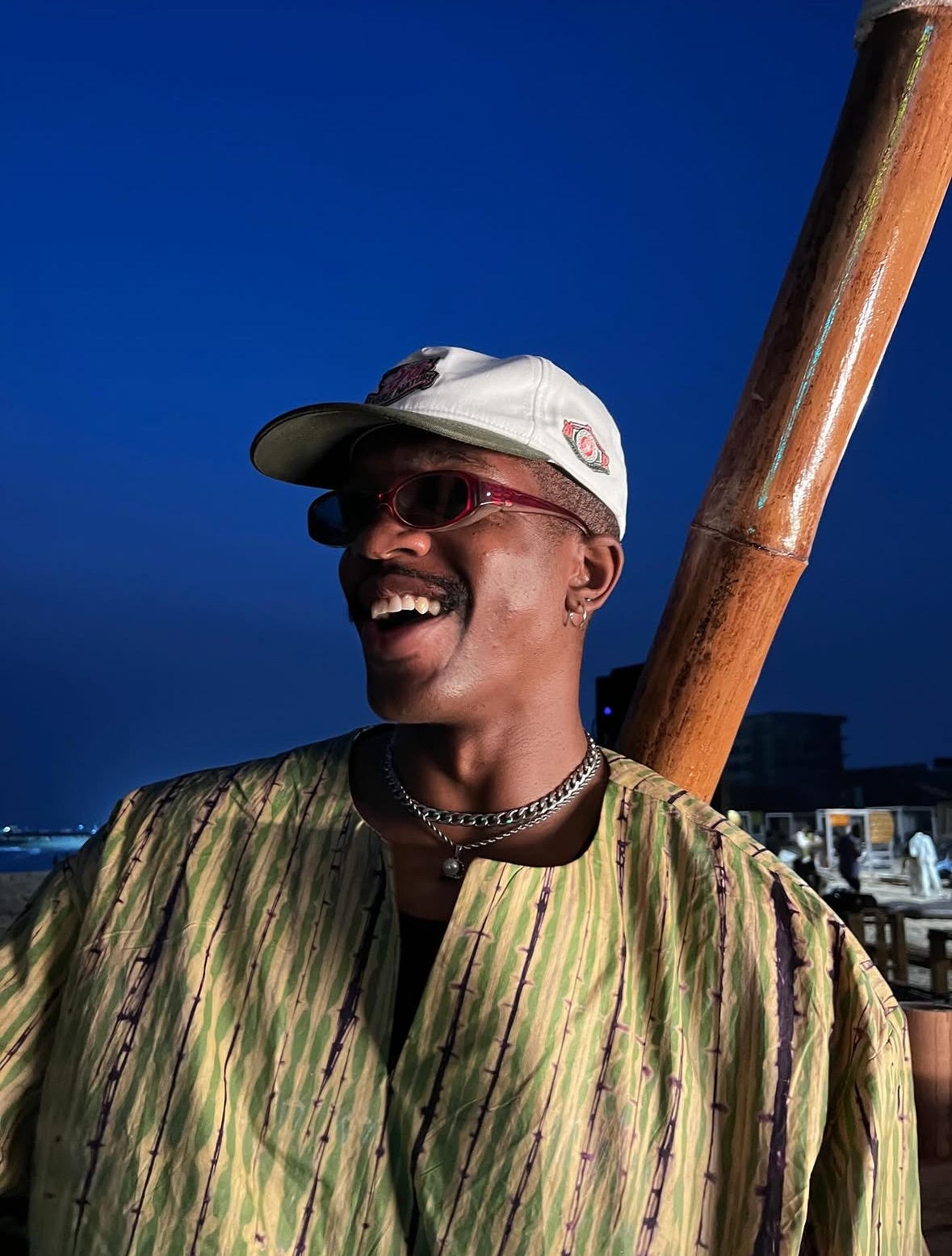
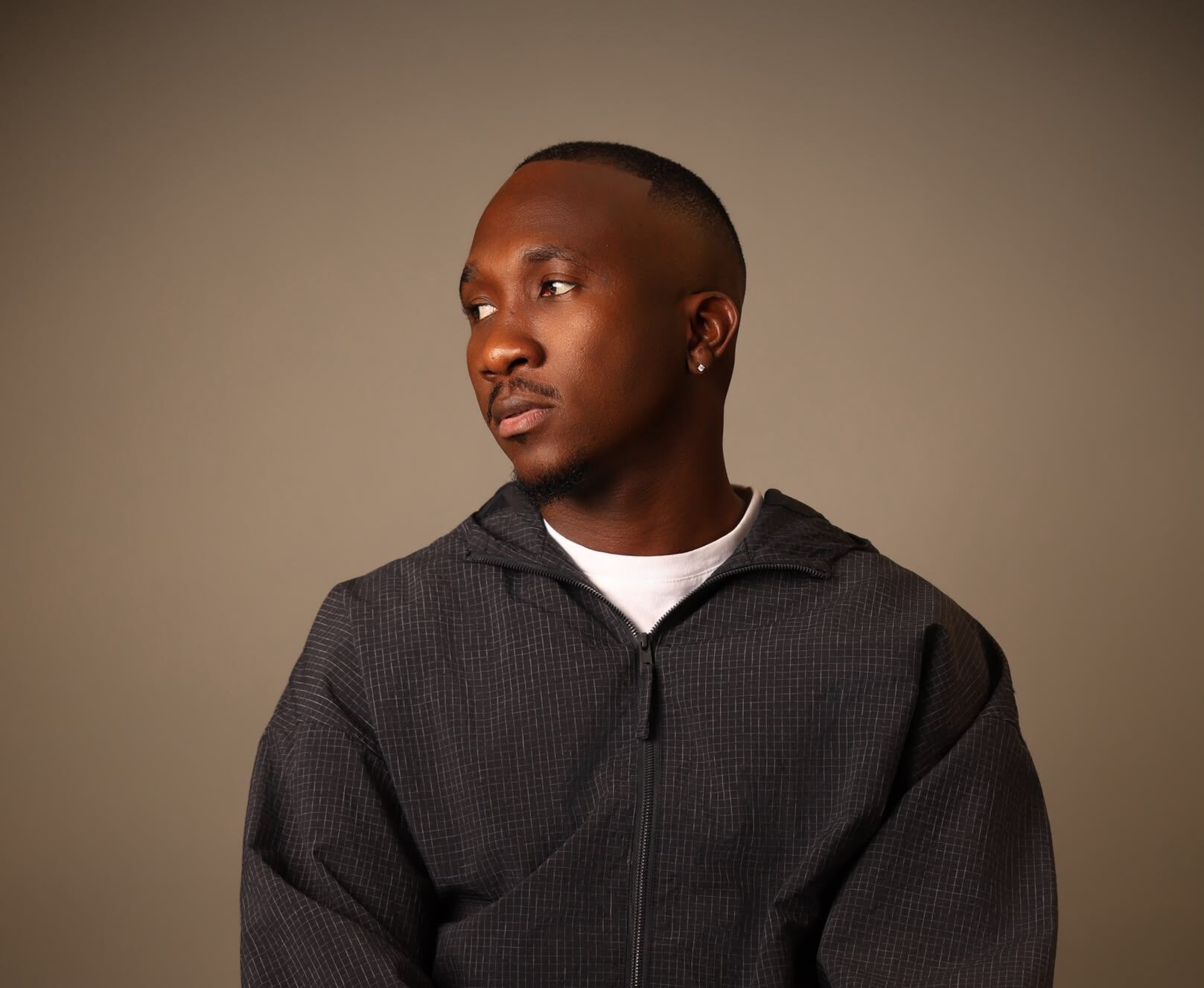
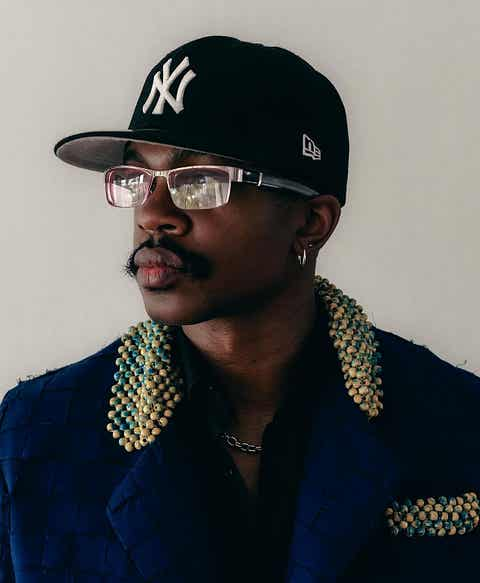
This DJ we talk to, Yosa, has made a name for himself as one of the top DJs in this scene, consistently delivering on a promise of quality and creativity to ravers. If there’s a conversation about DJs in Lagos and Yosa’s name isn’t mentioned, then someone doesn’t know what they’re talking about.
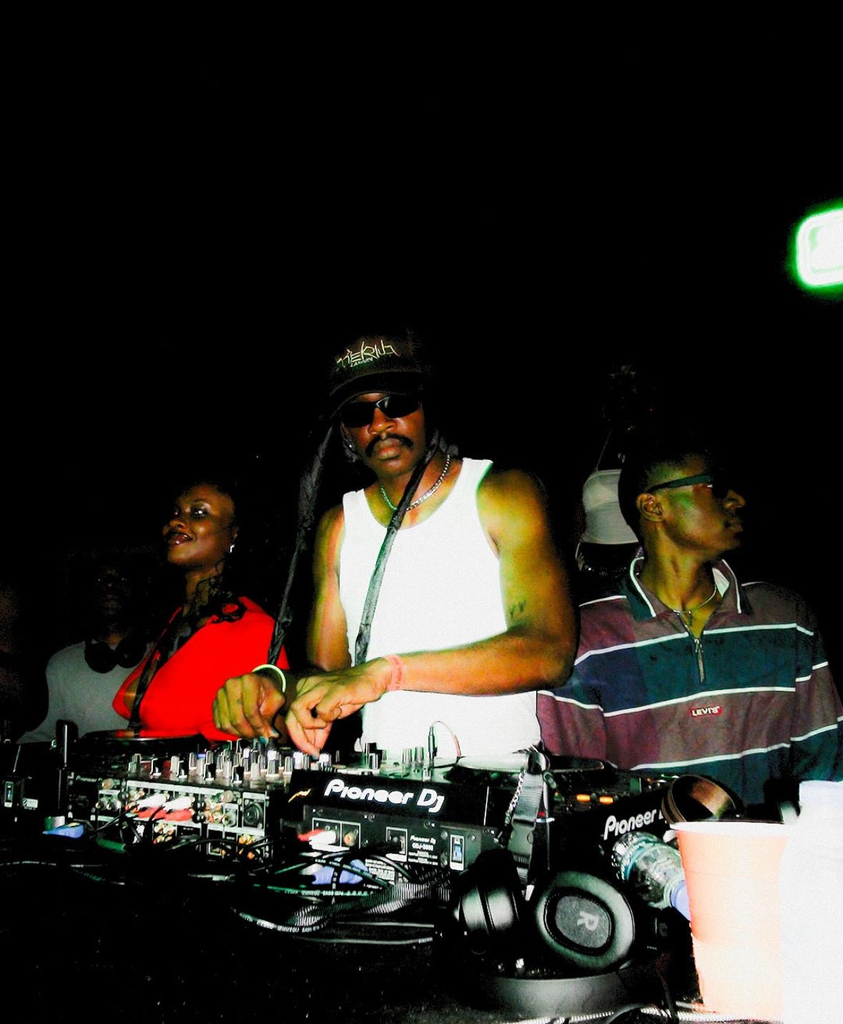
What started as a chance encounter with VirtualDJ, and a university hobby, has turned into a full-fledged career that has seen Yosa play at all the major raves in Lagos such as Group Therapy, Element House, Boiler Room Lagos, etc. His prowess has taken him further to play international shows in London, France, Uganda, and the list goes on.
I caught up with Yosa for a conversation about the intricacies of being a DJ, his journey so far, what’s special about Lagos’ rave scene, as well as peeking into the process that makes him the talent he is.
Nasir: I want to start with this idea about DJs and how, as opposed to just playing music, you are also in charge of the heartbeats of the people and how they move. Is this something you think about? And how does that manifest for you, if it does?
Yosa: Yeah, that’s interesting because I also think about that sometimes. It’s interesting because the times that I most think about that as a DJ—I can speak for myself—I sometimes get stuck in the idea that what I do is play music and then I hope other people like it and dance. I can almost get lost in it, and it can become pretty robotic, like, “Okay, I know that people will dance to this, so let me just play this song.”
But at other times, when I feel like I’m just playing music and somebody says, “Ah, bro, that set rearranged some things in my brain,” or, “Bro, that set, I felt it spiritually,” I take a step back. In my head, I’m just pressing buttons and playing music, but those kinds of comments make me realize that there is actually something a little bit more involved than how I think about it.
At other times, when I’m in transcendent places—like during my Group Therapy Ibadan set outdoors at New Culture Studio, which is an amphitheater with open space and people everywhere—I observe it differently. I felt it again at Nyege Nyege Festival in Uganda watching an artist who is basically the Fela of Uganda, and recently at Berghain in Berlin. You’re enjoying the set, but then you take a step back into yourself and observe everything as if you’re not a part of it, seeing how crazy it is that these sound waves are making people’s bodies move in the way that they are.

The kick, the bass, and all the syncopations in between are sending waves through people’s bodies and making them move in different ways. When I feel that, I realize that whoever is playing the music right now has the power. If you extrapolate that thought, these sound waves have the power to affect people in so many ways. For example, if the person playing shuts the music off, all those bodies stop moving immediately.
So, that right there, in its simplest form, is such a powerful thing to think about. Sometimes I find myself forgetting that there is actual power in whatever we’re doing up there as DJs. Moments like that bring me back to it.
Nasir: What’s a big misconception people have about what a DJ is actually doing?
Yosa: A big misconception? What is even a misconception of what DJs are doing? Well, now it’s cool and sexy to be a DJ. A lot of people listen to music their whole lives, and we’re in the streaming era where everyone is making playlists. You can set a mood, take the playlist, put it into your DJ deck, learn how to press the buttons and count—now you don’t even need to count, there’s a sync button—and just press sync.
So now it’s an easier way because we are in this weird viral social media society, where your value is how much attention you can grab and how viral you can be. People have found that DJing is an easier way to get on stage, make videos, post them, and go viral. You don’t have to learn how to play guitar, and you don’t have to spend decades learning how to sing.
It’s also a nice add-on to your resume. You see people who before were creative directors, actors, or poets, but now they are creative directors and DJs. If you have enough followers on Instagram, they fly you out to the South of France to DJ. Honestly, it’s cool. It makes me a better DJ because there’s more I need to show to prove I’m actually a skilled DJ. But I’m interested to see what happens when DJing becomes less sexy again, and what people will move on to.
Nasir: I think that’s what separates people who also feel it on a spiritual or philosophical level. Regardless of whatever is happening, as much as it is doing something for the people, there’s something that it is doing for you as well.
Yosa: Exactly.
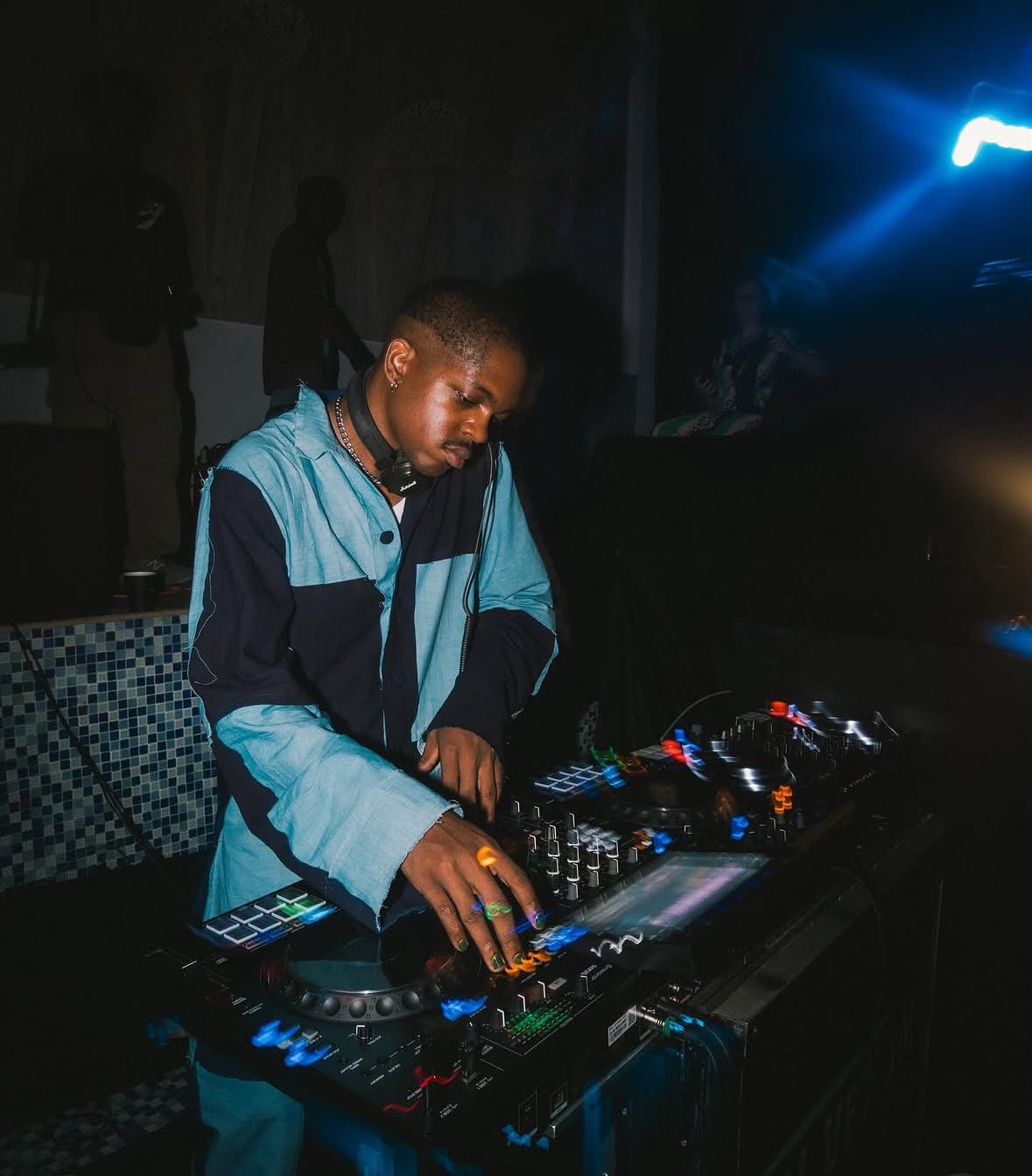
Nasir: How do you balance giving people what they want versus introducing them to something they didn’t know they wanted?
Yosa: That’s the whole game. Obviously it depends on the gig. Sometimes I see myself as a DJ as a profession. If you’re hired as a professional DJ, it’s like being hired as a consultant or a plumber. They come and tell you, “This is the toilet I need fixed.” As a plumber, you can’t say, “Today I feel like fixing the sink instead.” We hired you for a specific reason.
When I’m hired like that—for example, for club gigs—I play clubs the way they’re generally played, though I still infuse my own perspective and thought process. But if somebody books me to be myself, then I do what I want. I don’t just do whatever I want; I think about what I want, look at the situation, and find the happiest medium between the two. Ideally, I’m playing everything I want, but I’ve put in the work beforehand to make sure that you, the audience, will also connect with it. That is the work.
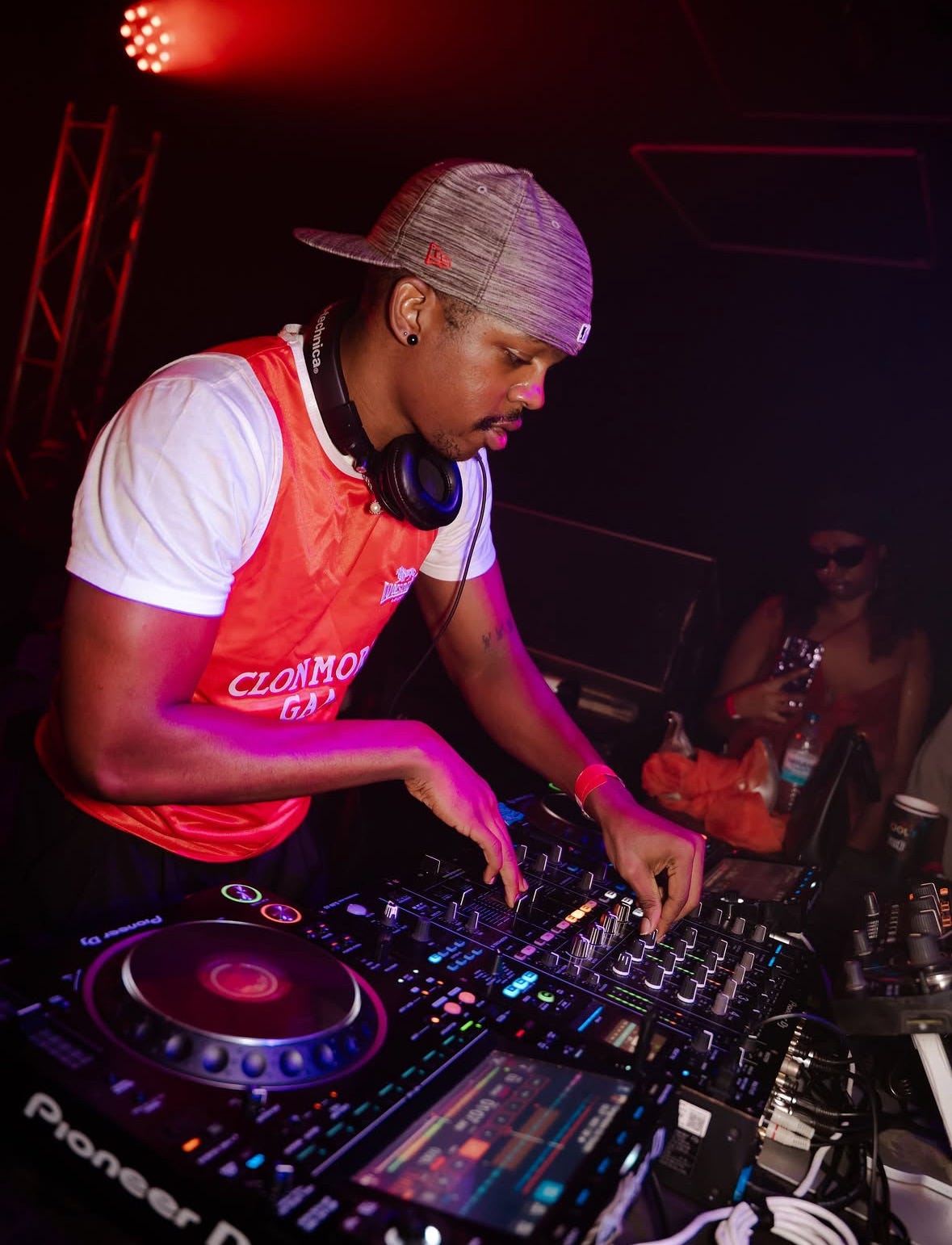
Nasir: I get that. What does preparation look like for you before a show?
Yosa: Right now, preparation is… I have Group Therapy London in two days, on Saturday. For this set, I want to play as many genres as possible within an Afro House and Afro Electronic perspective. I’m looking for songs that make sense sample-wise—even songs that aren’t electronic music, like any random cultural artifact in different genres, like “Hey, hey, my God is good oh”.
Nasir: Cultural artifacts.
Yosa: Yes, cultural artifacts. I’m trying to figure out where I can place them within the Afro Electronic framework. If I do that, the options are endless. It is about finding puzzle pieces—this song is shaped like this and has this color, so where can I fit it into another song that is shaped like Afro Electronic and has that same color? How can I layer them on top of each other?
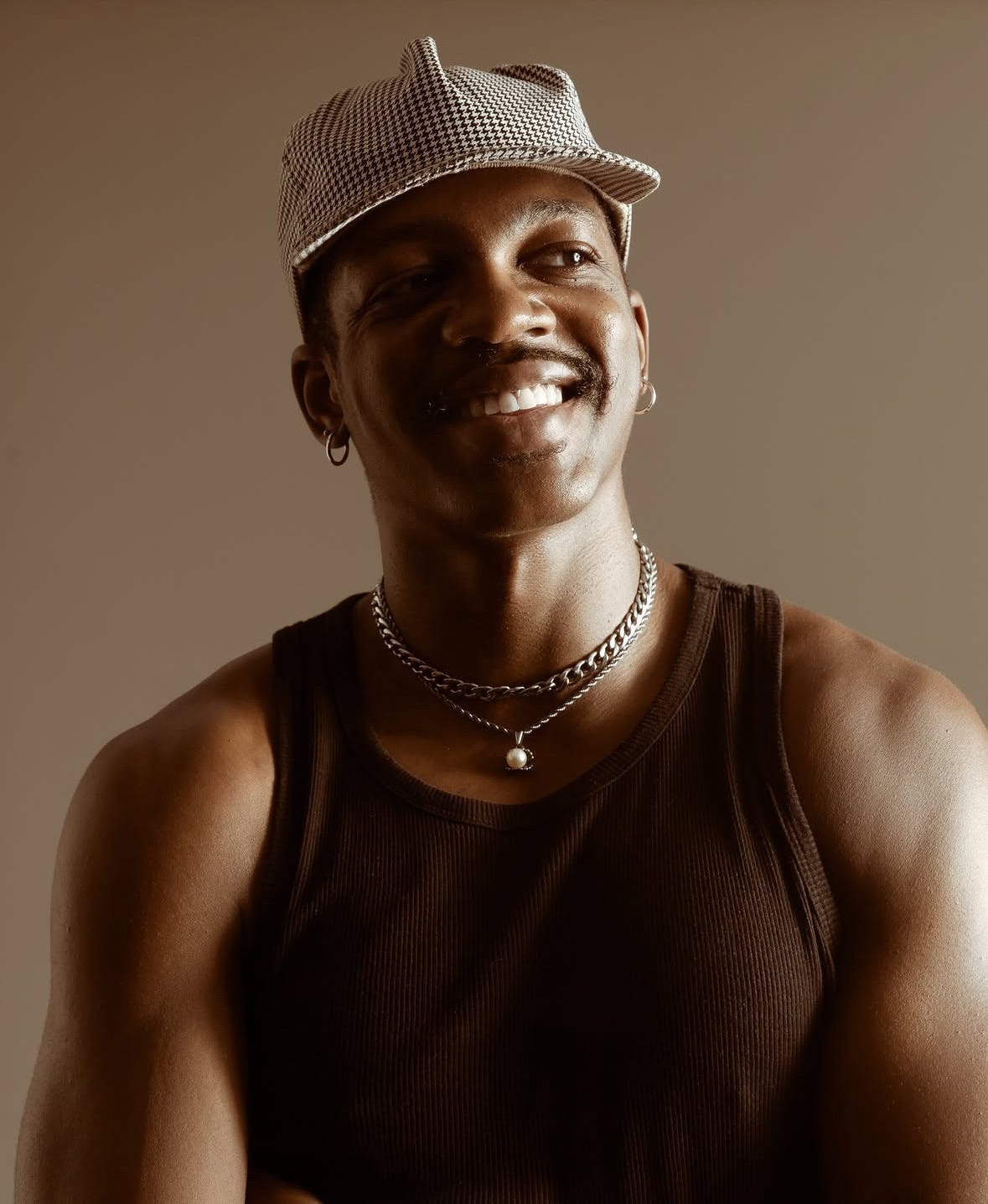
Nasir: The way you explain the process makes me think of it visually as molding clay.
Yosa: Exactly. You have to massage it so it can all make sense together. That is exactly what it is. And then, after you mold it, you paint on top of it.
Nasir: Do you think there’s a shift in people wanting Nigerian EDM in DJ sets at raves? One big marker right now is the Lojay and Aniko song. Do you perceive a trend there?
Yosa: Yeah, I think this is going to be the year for that. The DJs and producers in Lagos have been on it for some time, and the Afrobeats scene is either a little late to the party or they’re right on time, and we were early. They’re catching up, and it’s starting to make sense for them because rave music, electronic music, EDM, or house music is now the global sound.
Afrobeats artists are trying to figure out how to make their songs as big as possible. Labels or A&Rs are thinking, “DJ Aniko has an audience, how can we tap into that?” It is exciting because it gives us more opportunities to grow our audience, get more gigs, and get international bookings. It’s nice to see both sides of the Nigerian music spectrum coming together to collaborate.
Nasir: I think that has the potential to be a fruitful merger.
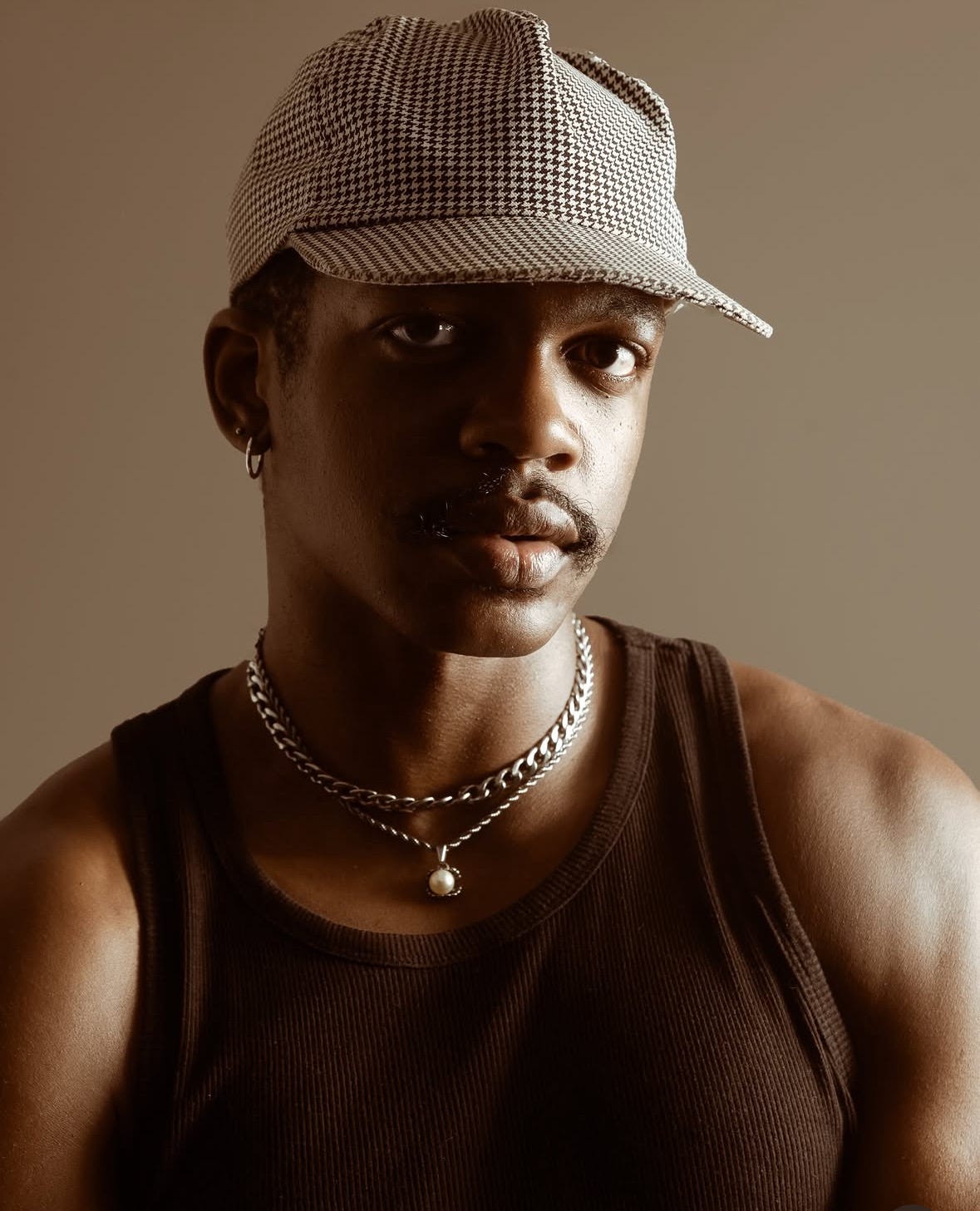
Nasir: You’ve played in multiple cities and had different experiences. Have you perceived a difference in how Lagos dances?
Yosa: How Lagos dances? Maybe we’re getting there. When I get back, I should attend more raves. I don’t attend enough raves or outdoor events as much as I could. But it seems people outside Nigeria are a bit more patient with the music and the DJs. At Berghain, for example, they have four-hour sets, not just one hour.
Nasir: Wow.
Yosa: They have four-hour sets where the DJ is taking us somewhere, as opposed to, “Oh, I know this song, I know this song.” That’s one of the big things I’ve noticed. Since we are actually brand new to raving, we just came from doing Joha at the club, with Afrobeats DJs switching every 30 seconds.
We just came from “All I Do Is Win,” and then the next song is “they hating but they broke though.” I think we’ll get to the point where we do two-hour sets that don’t necessarily have to be all bangers—where we trust that the DJ is taking us where they want us to go.
I like that the Lagos and Nigerian communities are becoming more open to different sounds. The rave scene is getting commercial in the sense of commercial parties with rave DJs, where they want you to play house music but it should have “Take banana” or a proper Gbedu beat underneath. But there’s also another direction where we do two-hour or three-hour sets of more ambient or minimal sounds. The scene is growing and widening in taste.
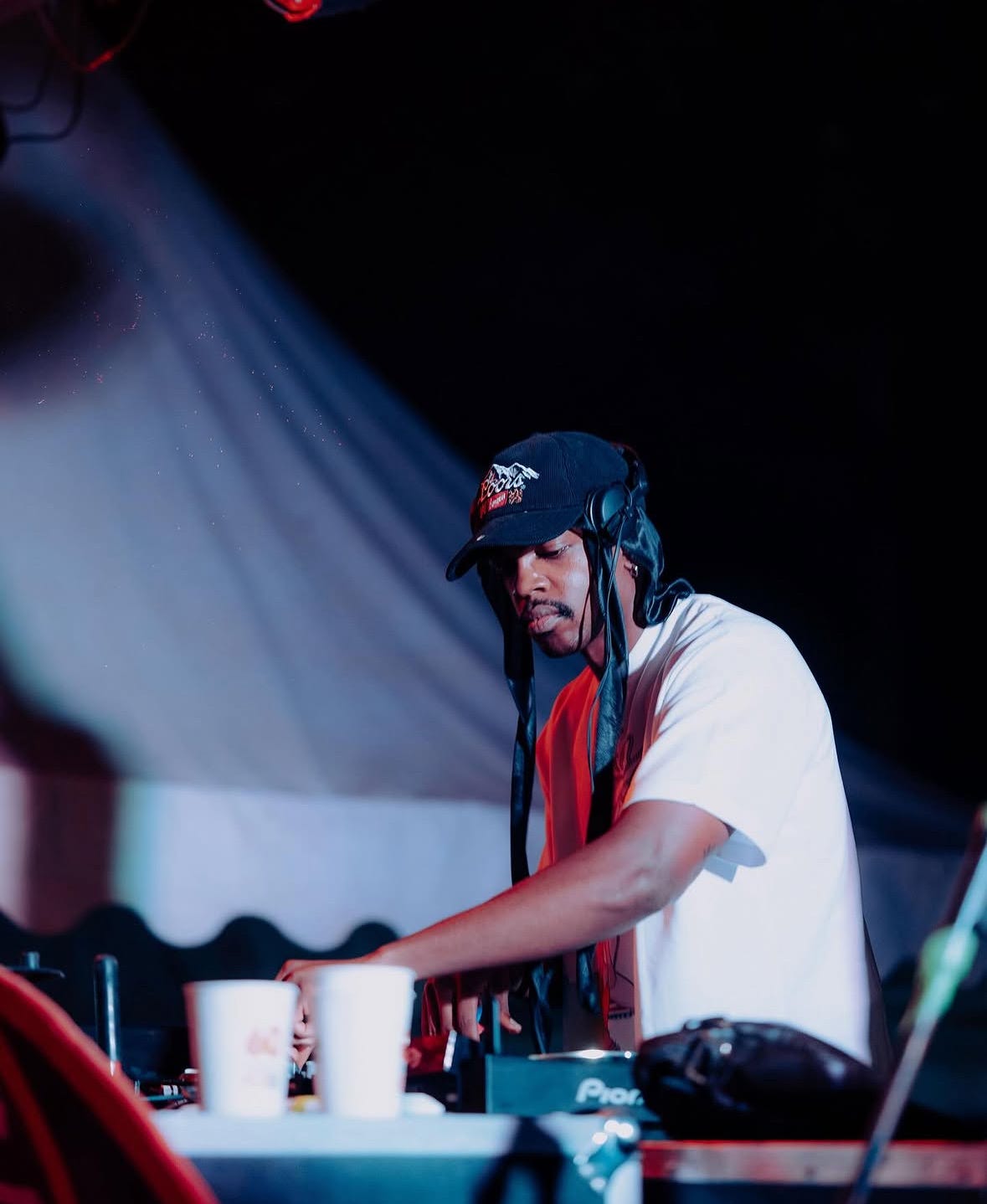
Nasir: I’m also curious about your journey into being a DJ over the years, and when you realized this is what you want to do long-term.
Yosa: I started DJing in 2013, the year before university. I was in the US at the time, and I visited Abuja where I heard Wizkid’s “Superstar” on the radio. That is how I discovered Afrobeats and realized they were making incredible music where I’m from.
When I got back, I stumbled on VirtualDJ at the beginning of the summer, and I was locked in. In university, that became my personality—I was the DJ guy, playing all the parties and shows. Coming back from a party I had just played, my friend Mamadou Ba stopped me at the dorm door and said, “Yo, bro, you’re really good at this thing, don’t stop.” I was like, “Okay.”
I don’t know if he’ll remember that, but that was one of those moments. I felt like I was just playing music, but for him, it was a deeper experience. It made me realize, “Okay, maybe I am good at this.” When you decide to do something, there are different moments in your life that affirm your decision. That was one of them.
Nasir: Is there a part of your personality that shows up behind the decks that doesn’t show up in everyday life?
Yosa: No, but I would love to be able to take my shirt off and get wild on stage. But I’m just myself, having fun. I probably dance a bit more when I’m on stage. It’s funny because I’m pretty sarcastic in my life, and I enjoy irony. I think that comes across in my playing as well.
I think about this a lot: “Are you just yourself, or are you performing?” I would like to take it a bit further, where it is still myself, but an expanded or more pronounced version. Sometimes I think it would be cool to do a set as an art project where I’m fully in character under a different name, playing completely different music, with a different personality and playing style. Why not?
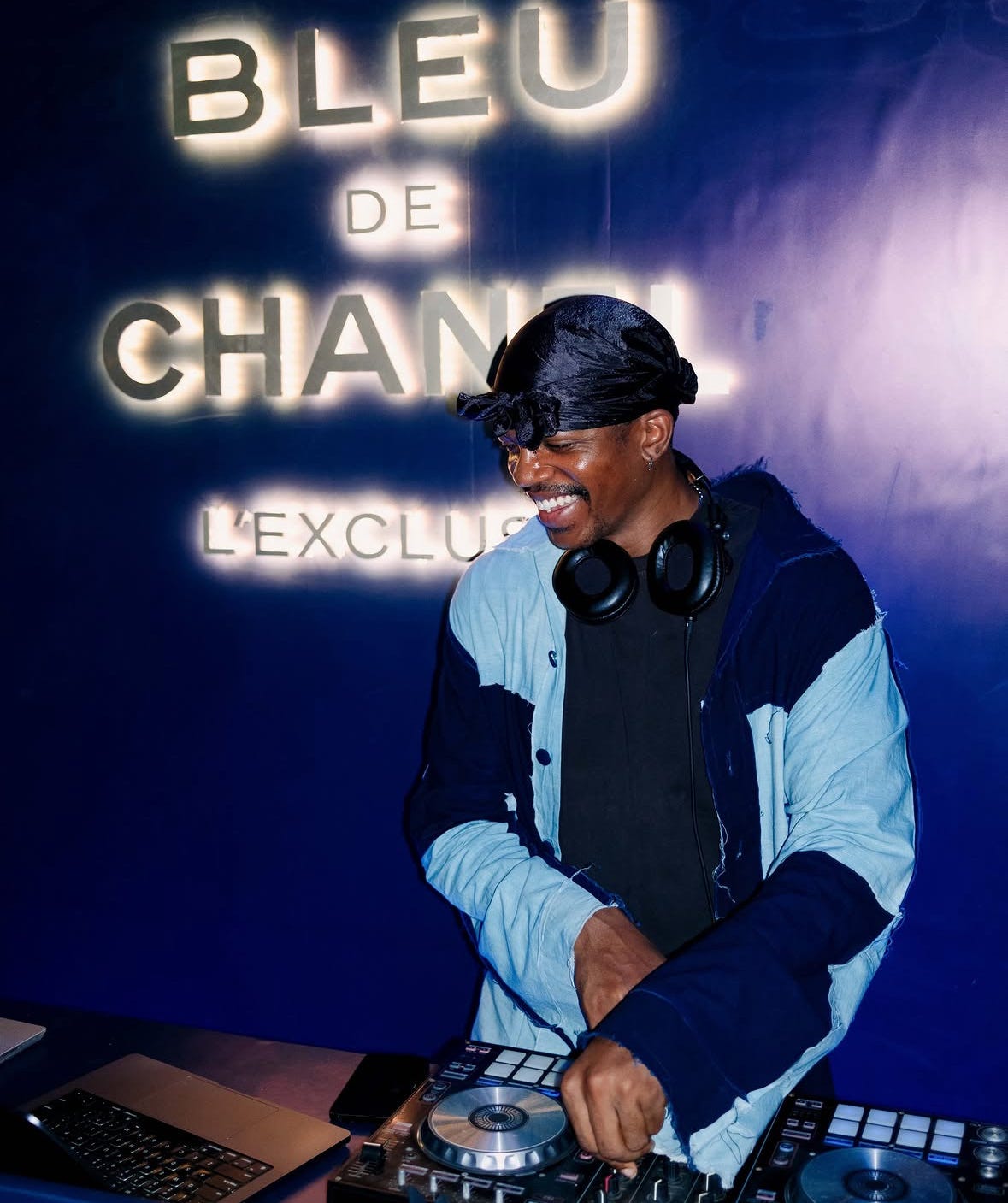
Nasir: Have you ever taken a risk in a set that paid off? What was that like?
Yosa: I sometimes play instrumental, drum-heavy, jazzy songs in tech raves to clear the palette. I’ll play an eight-minute song that is just guitars, horns, and drum lines. There is one specific song I play called “One Dream” by Louie Vega. When I first started playing it, I knew it was a jam, but it always goes a lot better than expected.
Nasir: Is there any record you’ve played loads of times that still excites you?
Yosa: Yes, there’s that one. There is also “Call of the Wild” by Dam Swindle, which is a banger I play a lot. And another one called “Bukom Mashie,” which is a Jay-Cruv edit of Oscar Sulley—he’s from an Afrobeat band, but this DJ made an edit of it. I love playing that song. There are a bunch.
Nasir: If someone listens to your sets without knowing it was you, do you think they would recognize your signature style?
Yosa: I combine electronic sounds with live instruments as much as possible. It brings a nice color. A lot of the raves we have in Lagos can be quite dark and brutalist with heavy sounds, so adding live instrumentation brings warmth and color to the space, lineup, or curation, which I enjoy.
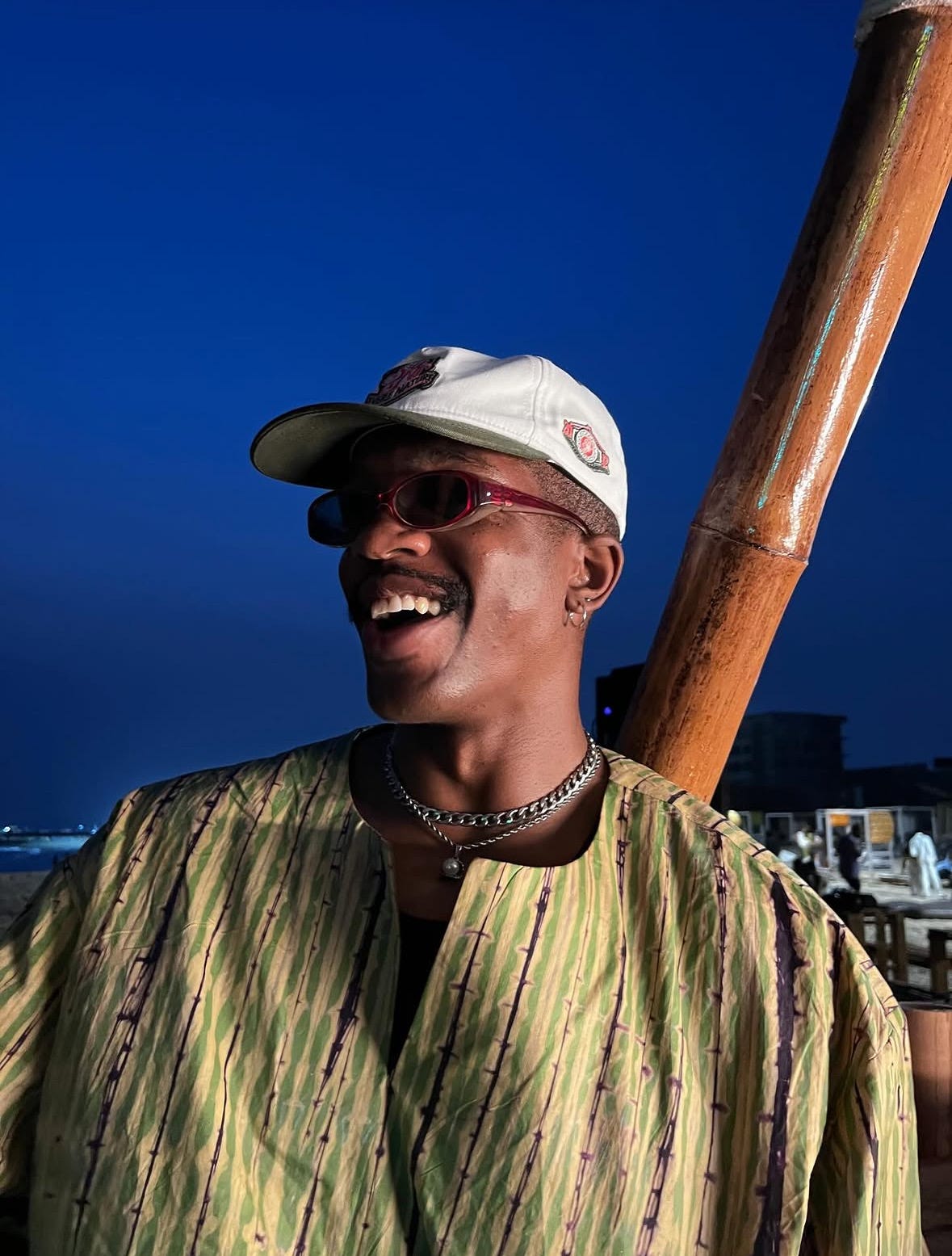
Nasir: What is the difference between how you approach playing raves and playing on Rema’s tour, for instance?
Yosa: Raves are about electronic and rave music, whereas the tour stuff is mostly Afrobeats and some hip-hop. I still try to squeeze in some house songs wherever I can, but they are very different playing styles.
I enjoy both, and ideally, there’s a nice balance. On a perfect weekend, I’d play a high-energy club night—one of those bottle service clubs—on Friday, do an afterparty for a fashion brand with cool, groovy vibes on Saturday, and play a rave on Sunday. That’s a good weekend.
Nasir: What do you notice in a crowd that most people don’t? And from your perspective behind the decks, what do you think people are looking for or desiring when they step onto a dance floor?
Yosa: People are coming out to escape from their everyday lives. When they are in the music, they want to forget about the outside world. I felt this strongly at Berghain. I was there for 13 hours, from 4:00 p.m. to 5:00 a.m.
Nasir: That’s intense.
Yosa: Yeah. I had a flight at 11:50 a.m. Around 4:30 a.m., real-life planning started to sneak back in: what time to get to the train station, and all these things. I realized, “This place is not real, I have to be on a plane in four hours.”
That’s when I truly understood why people come to these spaces. They want to escape and forget about their lives. I was looking around thinking, “This person probably has a kid staying with their grandmother right now, or that person has crazy things happening at work, but they’re here because they need that release.” It’s actually beautiful.
Nasir: That’s ultimate escapism.
Yosa: Escape maxxing, exactly.
Nasir: What are some of your most memorable sets?
Yosa: Group Therapy Ibadan last year was incredible. I felt completely free, and the crowd really accepted what I was playing.
Another was a dinner party I played in Paris with YesJulz and Deeds. For some reason, I didn’t have the cable I needed to plug into the decks, and I had left my USB at a show the day before, so I was in a tough spot. I borrowed my friend Dizzy’s USB and tried to load as many songs as possible while playing. There were very famous people there, and I was thinking, “I blew this opportunity. I fucked up.” Cause I know what I’m capable of, but I was in survival mode, just playing whatever I could find.
But towards the end, everyone was cheering, “Ah, crazy, bro! Yosa, baddest DJ!” My takeaway was that creatives are always much harder on themselves than everyone else is. Since I’ve put in the work to handle difficult situations, I should trust my skills more.
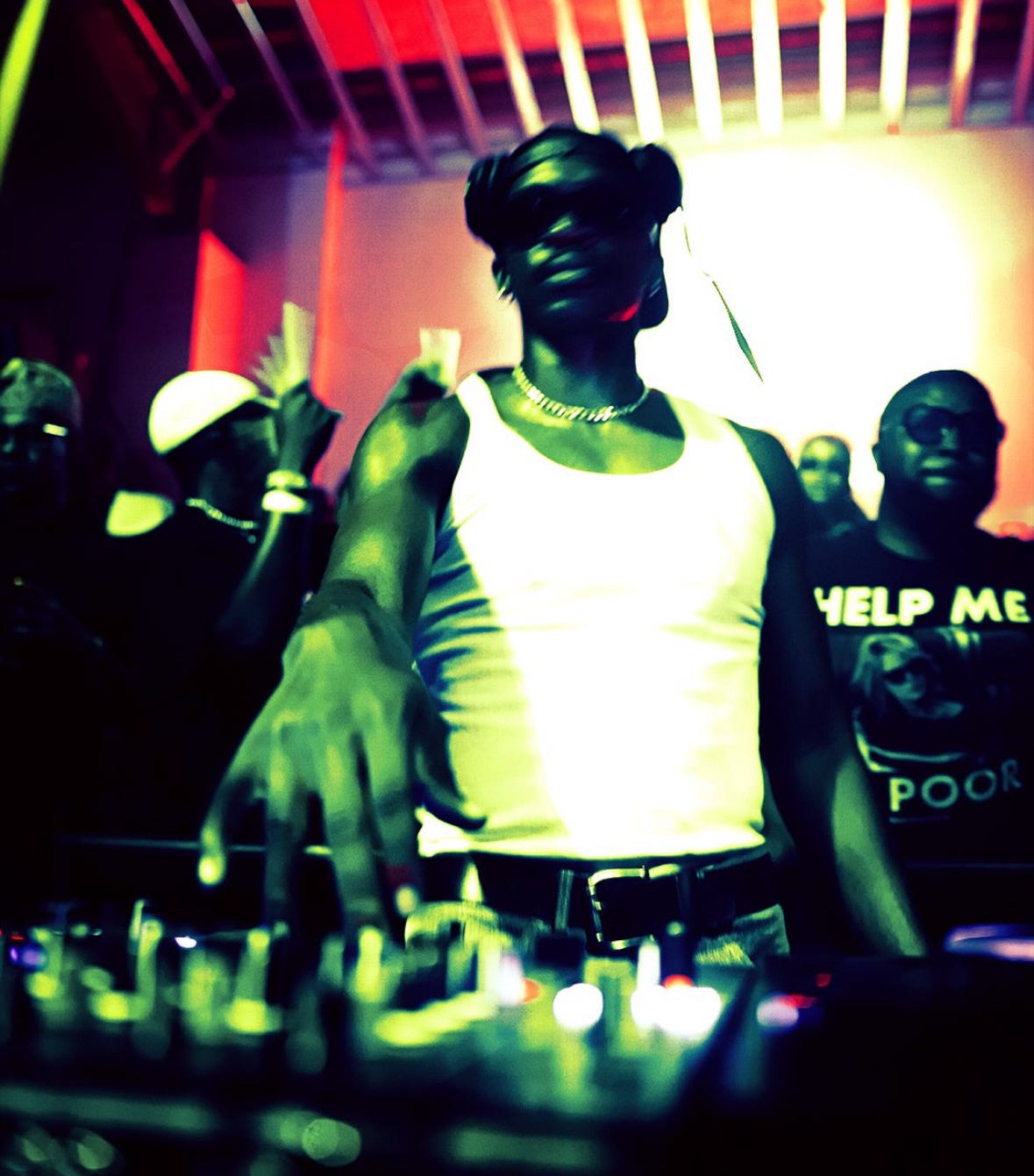
Nasir: Having a point of view as a DJ is an interesting concept, rather than just having a music collection. What does that look like?
Yosa: I think having a point of view is the whole thing. It depends on what type of DJ you are, but every DJ is a human being with their own personality. Ideally—though maybe less so in this TikTok era—people hire you for your skill, but at a certain point, skill cancels out because everyone is good. They hire you for your taste: how you hear this song coming together with this song, from one song to another, and how you react to the room.
If the crowd isn’t dancing as much as they should be, how do you take that information and decide what song to play next? The answer is usually Kanye.
Nasir: Fair enough, you can’t go wrong. It gets the people going.
Yosa: Exactly.
Nasir: It seems like a huge aspect of DJing is about micro-decision-making under pressure—action, reaction, and making split-second choices in the moment. Is that a big part of what it is?
Yosa: That’s exactly what it comes down to. Even when you prepare, sometimes what you planned isn’t working, and you have to salvage the situation. Sometimes you’re wrong, and you have to adapt. When I’m playing, I actually like to get myself into difficult situations and figure out how to get back—like putting on a weird song and then working to bring the crowd back.
When you pull it off, you feel tough. But when you fail, you hate yourself. Because I care so much, a mediocre set can completely ruin my mood. If I only have one set on a weekend and it goes poorly on Friday night, that is a terrible weekend until the next time I play.
Nasir: It shows you really care about your craft. Do you think streaming algorithms influence how people respond to music on the dance floor?
Yosa: For sure. Traveling with Rema made me realize this. While streaming affects how people listen, when you are playing a show, songs like “Ozedba” or “Soweto” are the massive party hits. But on Spotify, those aren’t even in his top ten because “Calm Down” dominates the global market.
It is interesting to think about: streaming affects listening culture, but the parties on the ground move much faster. This Afrobeats party culture is a niche subculture, so something can go viral within the scene without making a massive dent globally.
Nasir: Ten years from now, what do you hope people remember about experiencing a Yosa set?
Yosa: I want people to have a good time, but I also hope they say, “This song that is now my favorite song, I heard it for the first time at Yosa’s set.” That kind of vibe—where they experienced a new feeling or combination of feelings for the first time. That’s a good vibe.