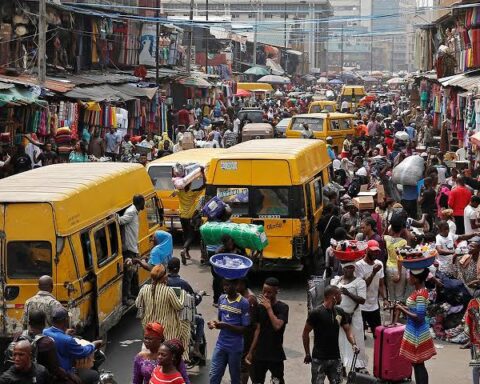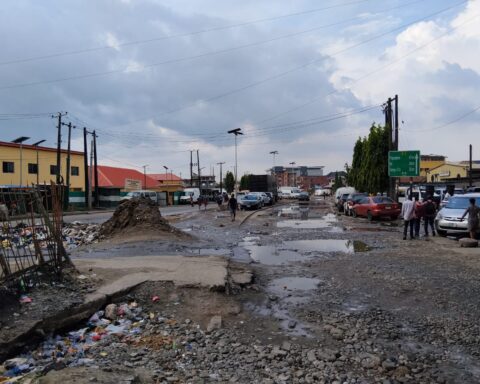
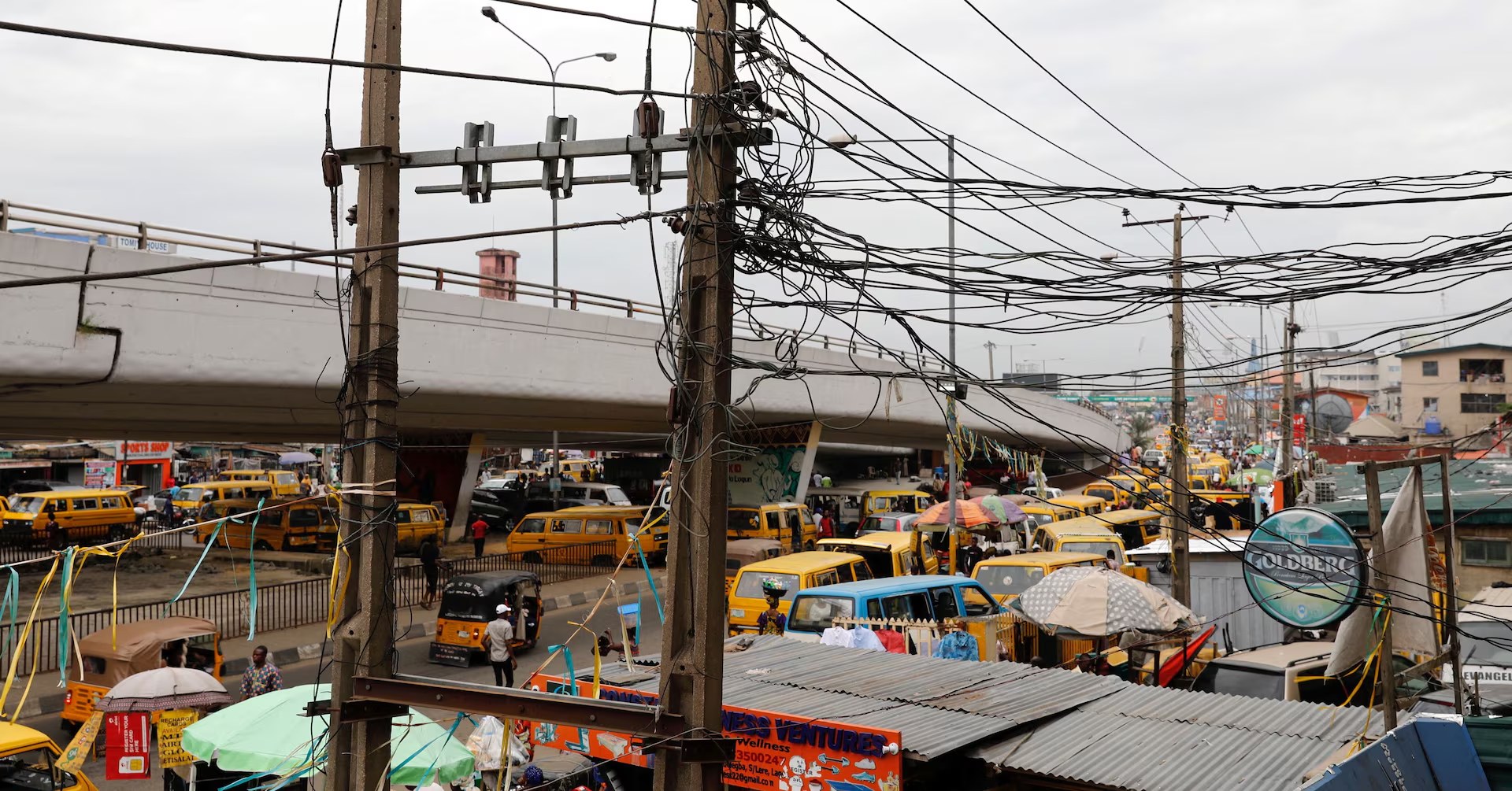
Lagos has had low power supply since the second week of October, according to Pulse Nigeria. That is about three weeks as of its 29 October report.
On 19 October, Ikeja Electric told customers that “reduced hours of electricity supply” were due to a shortfall in the power allocated to it from the national grid. It had issued a similar notice on 5 October, Nairametrics reported. Residents in Ikeja, Ogba and FESTAC reported outages lasting up to two days.
What the grid is doing
Pulse reported that national generation fell from 3,840 MW to 476.7 MW from one day to the next, with Egbin, Jebba, Shiroro and Kainji recording zero. The grid has about 13,000 MW of installed capacity but has generated roughly 4,500 MW over the past two years. On 19 October, the grid operator reported multiple trippings on the 330kV network and said they were fixed. Between September and October there were at least five line trippings. In August, BusinessDay reported that two 330kV lines feeding Lagos had tripped.
Gas and money
Gas deliveries to power plants fell to 43 per cent of the required volume in February. Joy Ogaji of the Association of Power Generation Companies said suppliers won’t deliver without payment, and generators say government subsidy debts have reached ₦6 trillion. Former Power Minister Adebayo Adelabu has said the grid is more than 50 years old.
The distribution companies have their own gap. NERC data shows they failed to collect ₦45.26bn of the ₦250.79bn billed in July, an efficiency of 81.95 per cent. In the second quarter they recorded ₦201.9bn in billing losses.
The politics
The current Power Minister, Joseph Tegbe, has said the government plans to remove the electricity subsidy in 2027. Pulse noted that President Bola Tinubu promised in his 2023 campaign to stop seeking re-election if he failed to deliver stable power.
Ikeja Electric has given no restoration date, and no figure for Lagos’s allocation or hours of supply has been published.