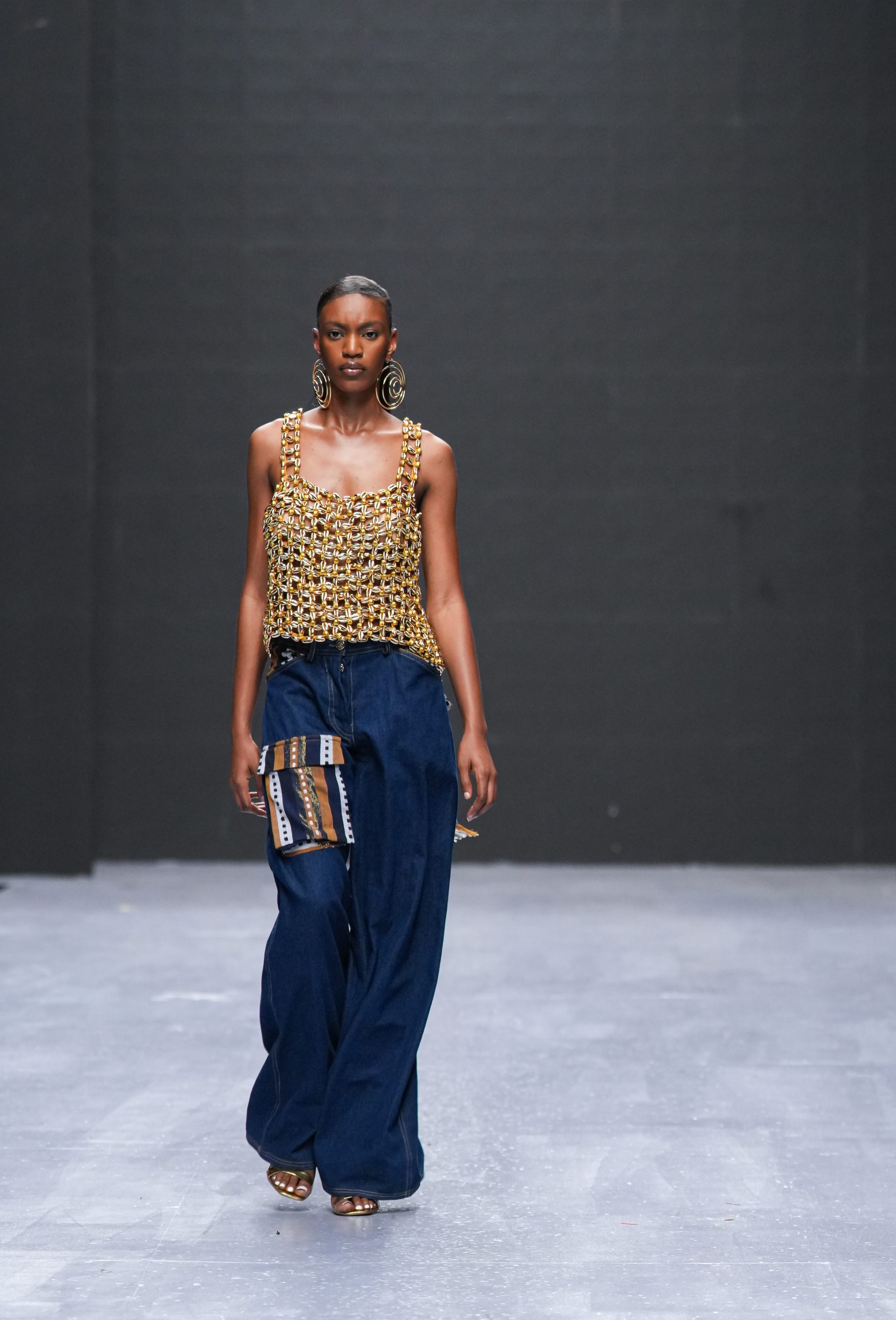
Fashion in Nigeria has always been more than simply clothing—it’s an evolving interaction between the past and the present. It is a way of showcasing one’s identity and establishing it. With the use of traditional textiles such as aso oke, adire, Nigerian fashion has evolved over decades, merging global influences with their distinct local one. Among these styles, streetwear has increasingly become a staple for Nigerian youth. This fashion has been instrumental in expressing their voice, and creating space to talk about the challenges they face in a climate that is constantly shifting.
Generally, streetwear is a distinct type of casual and often bizarre clothing that arose as a cultural expression, intimately linked to the subcultures of skateboarding, graffiti art, and hip-hop, in the United States in the late 1970s and early 1980s. In Nigeria, the phrase “streetwear” has come to refer to a fashion that is rooted in these different subcultures and reflects the distinctive style and personality of those who wear it.
The Golden Era of Streetwear
In the early 2000s, Nigeria saw an unexpected surge in streetwear. This was largely owed to brands like Nike and Puma as well as hip-hop music which became increasingly popular among the youth. Arguably the most memorable brand of this era was Ama Kip Kip, a South African label that took Nigeria by storm. Their catchy slogan (that actually means “colored popcorn” which is a local Johannesburg delicacy) coupled with the vibrant colors of the era became a symbol of the youth in Nigeria.
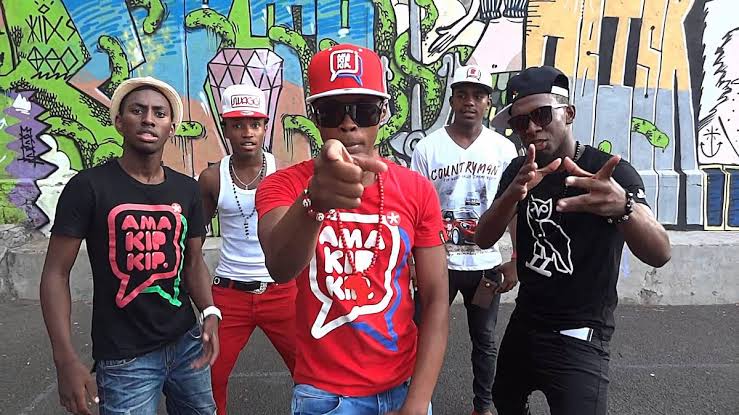
Every young, cool and fashionable person received their badge only when they had one of the staple brands of this era. Unfortunately, most of these brands were overshadowed by knockoffs that flooded the market ultimately affecting their image and weakening appeal. But this phase ignited a love for streetwear in Nigeria, laying the groundwork for a new generation of Nigerian brands.
Been a while I saw those Ama Kip Kip shirts and My money grows like Grass shirts
— Yerins Abraham (@yerinsabraham) August 18, 2021
Those good old days. They were almost like a must have then.
Rise of The Nigerian Streetwear Brand
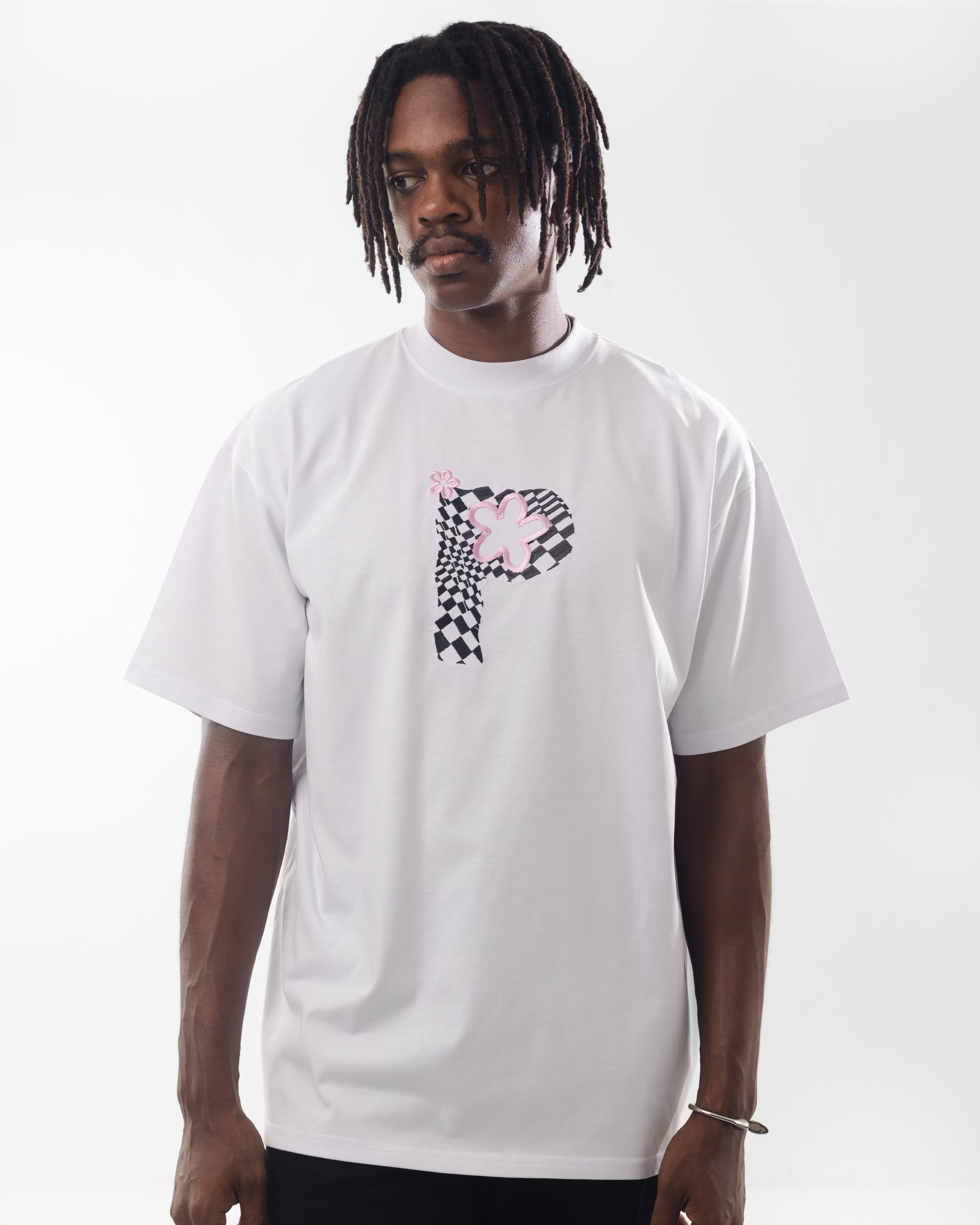
As international brands struggled to keep up with Nigerian demand and economy, local designers began creating their own streetwear labels. Brands like WAFFLESNCREAM (now WAF), Severe Nature and Pith Africa emerged in the 2010s, setting the stage for a new kind of Nigerian brand. A Nigerian streetwear brand. It was also around this time that skateboarding and alternative culture started attracting more and more eyes.
These subcultures resonated deeply with Nigerian youth and the fashion adequately helped them express their communities. The subcultures were largely western but the performance by Nigerians were very influenced by Nigerian culture. WAF which is heavily involved in the skateboard community reflected this in their western style pieces with Afrocentric fabrics.
Nigerian fashion brands are unmatched. Eery time I see something I wanna buy on IG, they’re a Nigerian brand
— 💫 Lannie (@NjilanMJ) October 16, 2024
This era of streetwear has shown to be about more than just fashion. It represents a culture of experimentation and local pride, blending traditional Nigerian symbols and sayings with global streetwear aesthetics. On a global scale however, Nigerian streetwear wears a different face.
Streetwear Meets Luxury
Championed by brands like Supreme and Stussy, the merging of streetwear and luxury began in the 2010s, led by designers like Pharrell Williams and Virgil Abloh. These brands like Pharrell’s Billionaire Boys Club brought streetwear to high-end luxury labels like Louis Vuitton and Kenzo. These designers pushed the idea that street culture had a place in luxury. Collaborations like Supreme x Louis Vuitton became status symbols, with limited-edition releases driving up demand.
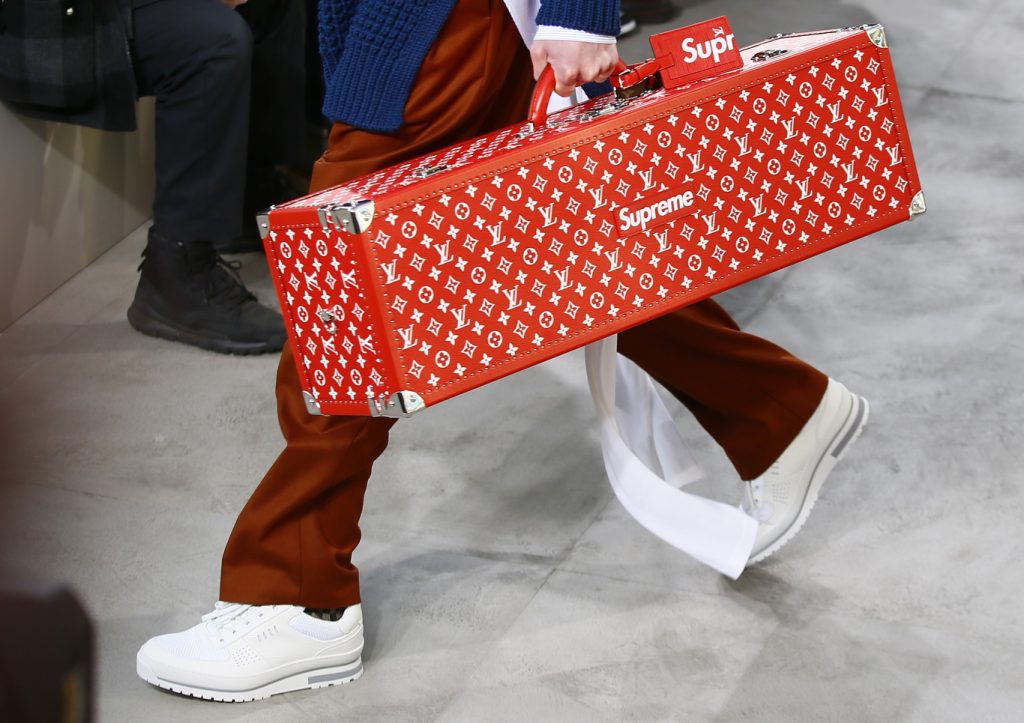
This fusion of luxury and streetwear inspired Nigerian designers, who saw a path to elevate their own brands to luxury status. They saw the space in the luxury market and sought to fill it.
However, while international brands have had years to build, perfect their craft and strengthen their brand, Nigerian luxury streetwear is still developing. This has resulted in these brands facing criticism for high prices that don’t always align with customer expectations.
NOOOOOOOOO I DON'T WANT TO BUY YOUR HEAVY HOODIE IN THE NAME OF SUPPORTING NIGERIAN STREETWEAR BRANDS.
— Jola (@Jollz) October 15, 2024
IT'S HOT OH, WE LIVE IN LAGOS.
ARE YOU SLOW?????
It is old news that quality is not the main reason for the price tag a high-end product carries. Most times it is not even about creativity or ingenuity. Consumers are willing to pay high prices for globally recognized brands, as they carry years and years of reputation and exclusivity. Nigerian brands have just not achieved that level of history or recognition to completely mirror luxury brands down to their price tags.
As someone who only likes wearing Nigerian brands, they're becoming "trop cher".
— Adéọlá (@adeoladev) October 7, 2024
I get why it's happening but, damn!!!
Quality, Originality, and Community
A new or unknown brand demanding luxury prices without building trust or establishing a solid identity can feel like overcharging rather than offering something “exclusive”. While global brands like Supreme have spent years and resources crafting a strong identity, Nigerian brands often haven’t invested such time in this foundational work. No doubt leaving their products feeling expensive but lacking in the qualities that justify those prices.
a lot of this 'streetwear', streets no fit afford am o.
— Ayomide Tayo (@AOT2) October 25, 2024
A successful streetwear brand relies on more than just clothing; it’s about finding a shared experience and a sense of belonging. Nigerian brands must focus on building these relationships and trust with their customers before demanding so much from them. Building this kind of connection is crucial before setting prices that would only alienate their market.
Nigerian streetwear brands need to tell stories. Emotional impact works always
— Temitope Elshabazz (@Temitopeshabazz) January 30, 2024
Nigerian brands have the potential to build a streetwear culture that’s distinctly their own, with unique ties to their heritage. But this requires authenticity, quality, and a community-first approach.