Every January 15th is marked in Nigeria as a memorial day to honour and remember Nigerian soldiers and other members of the armed forces for fighting in armed conflict and laying down their lives in the service of their country. Some of these conflicts include the Nigerian-Biafran war, the First and Second World Wars, peacekeeping missions and other internal conflicts like the Boko Haram insurgency in the North East.
Originally celebrated as Nigerian Armed Forces Remembrance Day, the name was changed on January 8th 2026, to Armed Forces Celebration and Remembrance Day.
According to the Director of Defence Information at the Nigerian Defence Headquarters, this was done “to better reflect the dual essence of the occasion in honouring the living while also acknowledging the fallen heroes.”
This day holds significant importance in Nigeria’s history for several reasons. On this day in 1966, the first Nigerian military coup led by Major Chukwuma “Kaduna” Nzeogwu occurred. That coup led to the Biafran War and the subsequent emergence of the military in Nigeria’s political and governance history. It is also important to note that on January 15th 1970, the Biafran troops also launched their last offensive and brought the war to an end by surrendering to Nigeria.
However, Armed Forces Celebration and Remembrance Day is not only about the Biafran war. It is a multi-layered celebration of all the Nigerian soldiers, navy people and air officers who continue to protect Nigeria’s territorial integrity.
Some people also mark Armed Forces Celebration and Remembrance Day in remembrance of some of the brutality faced by the Nigerian masses at the hands of Nigerian soldiers and call for better justice structures and governance systems.
In recognition of Armed Forces Celebration and Remembrance Day, here is a resource list of books and documentaries that tell you all about the military and armed forces in Nigeria.
Books
- Why We Struck: The Story of The First Nigerian Coup.
Written by Major Adewale Ademoyega, this is a non-fiction memoir that explores the motivations of the January 15th 1966 coup plotters. It explains the state of the nation shortly after independence and why some military men decided to carry out a coup.
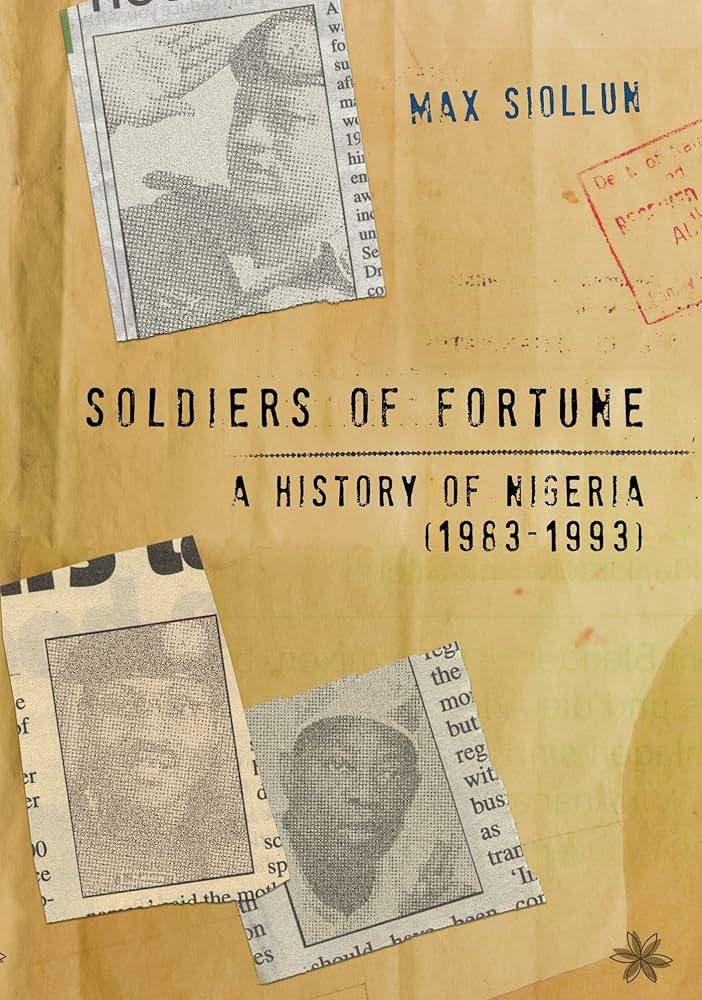
- Soldiers of Fortune: A History of Nigeria (1983-1993)
The years between 1983-1993 hold significant importance in the history of Nigeria’s military dictatorships. It saw the trio of Buhari, Babangida and Abacha come into military power.
Soldiers of Fortune by Max Siollun is an account of Nigeria during these years and their impact on Nigerian civilians.
- Ironsi: Nigeria, The Army, Power and Politics
Johnson Aguiyi-Ironsi was the military head of state who took over after the January 15th 1966 coup. He was assassinated in the counter coup of July 1966. This book by Chuks Iloegbunam gives an insight into Ironsi and his time as military head of state.
- The Bead Collector
Written by the Nigerian novelist and playwright Sefi Atta, The Bead Collector is about the experiences of Nigerian and non-Nigerian women in Lagos. It interrogates the impact of the multiple military coups on the relationships between these two groups of women.
- The Last Duty
This novel by Isidore Okpewho documents the experiences and perspectives of Urhobo civilians during the Nigeria-Biafra war of 1967-1970.
- My Command: An Account of The Nigerian Civil War.
A memoir by former president Olusegun Obasanjo, this autobiography is an account of his experiences as a military man during the war.
- The Nigerian Revolution and The Biafran War.
Written by Alexander Attah Madiebo, who was the General Officer Commanding of the Republic of Biafra, this non-fiction book talks about the motivations behind the Biafran war and the organisations of the Biafran military officers.
- Roses and Bullets
This novel by Prof. Akachi Adimora-Ezeigbo gives a bird’s-eye view into women’s experiences in the Biafran war and how Biafran women participated in civil and military efforts during the war.
- Reluctant Rebel
Written by Fola Oyewole, this is an autobiographical account of a Yoruba soldier who fought for the Biafran army, which was predominantly made up of Igbo and Southern ethnic groups.
- Measuring Time
Set in Northern Nigeria, this novel by Helon Habila follows the lives of two brothers as they come to terms with conflicts and the decision of one of them to leave Nigeria as a peacekeeping soldier in a war-torn West African country.
- There Was A Country
The last book by revered writer Chinua Achebe, this memoir is an account of his experiences during the Biafran war.
Documentaries and Films
- A History of Nigeria by Jide Olanrewaju.
This documentary explores the brutality of the military years, the causes of the Biafran war and the colonial motivations of both.
- Half of A Yellow Sun: The Movie.
This movie starring Thandiwe Newton, Genevieve Nnaji and Anika Noni Rose is an adaptation of Half of A Yellow Sun, a novel on the Biafran war by Chimamanda Ngozi Adichie.
- Nigeria: A Squandering of Riches by Onyeka Onwenu.
Produced by the British Broadcasting Corporation, this documentary was written and presented by singer and journalist Onyeka Onwenu and addresses problems in certain military governments.
- The Encounter: A Short Film on Emmanuel Ifeajuna.
Produced by Trino Pictures, this film follows the life of Emmanuel Ifeajuna, one of the January 15th 1966 coup plotters.
Link To Watch:
- ‘76
Directed by Izu Ojukwu, this is a historical film that documents the real-life failed military coup of 1976. This coup was led by Colonel Buka Suka Dimka.