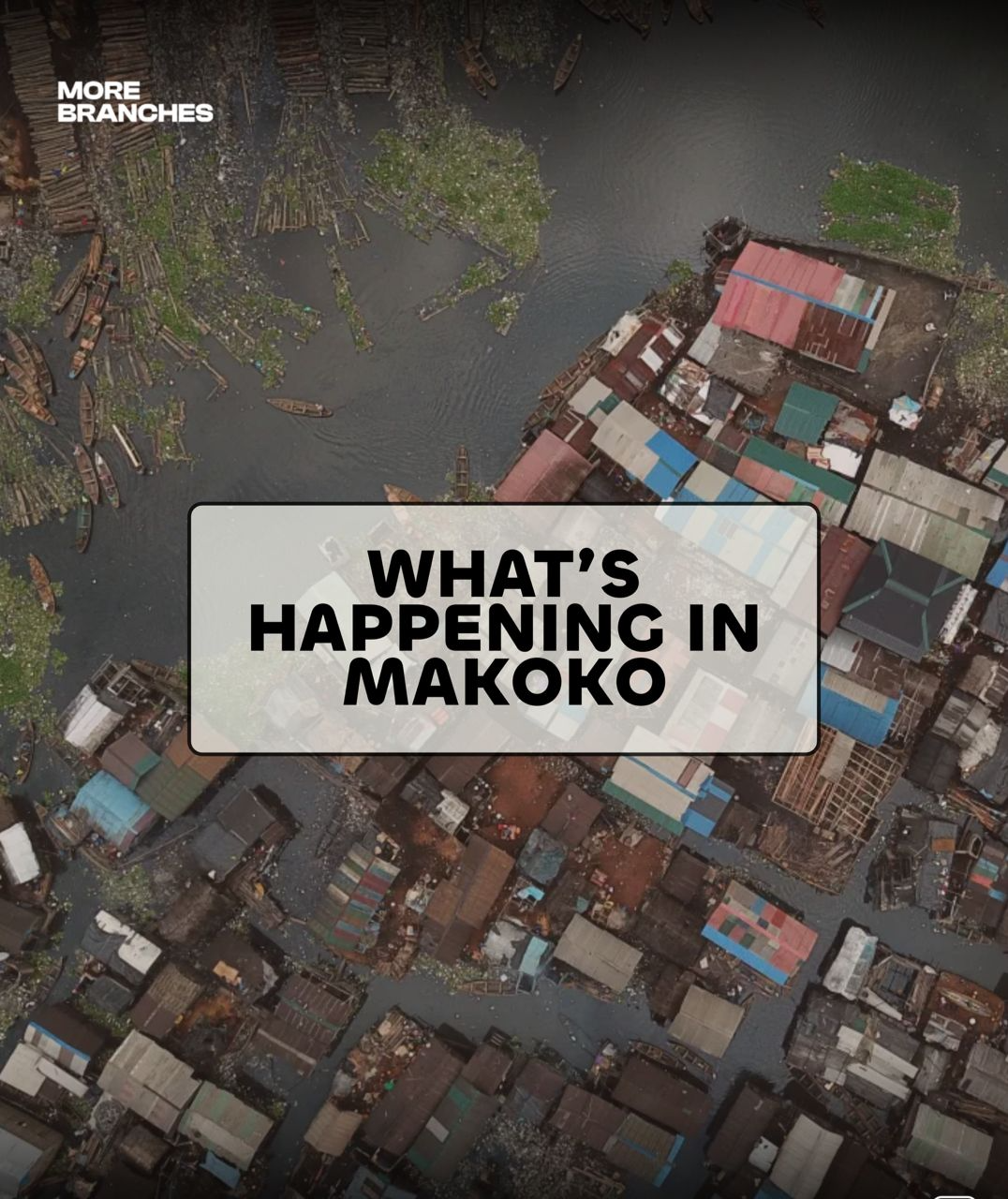
Makoko, one of Africa’s largest informal waterfront communities, is currently facing an aggressive demolition exercise by the Lagos State Government. What is being described as an “urbanisation” effort has instead unfolded as a humanitarian crisis, marked by chaos, fear, and loss of life.
As demolition squads moved into the community, residents reported the use of teargas. So far, three people have died, including two children and an elderly woman. Several others are battling severe respiratory symptoms, with families unable to access immediate medical care amid the confusion. Children, women, and the aged have been hit the hardest.
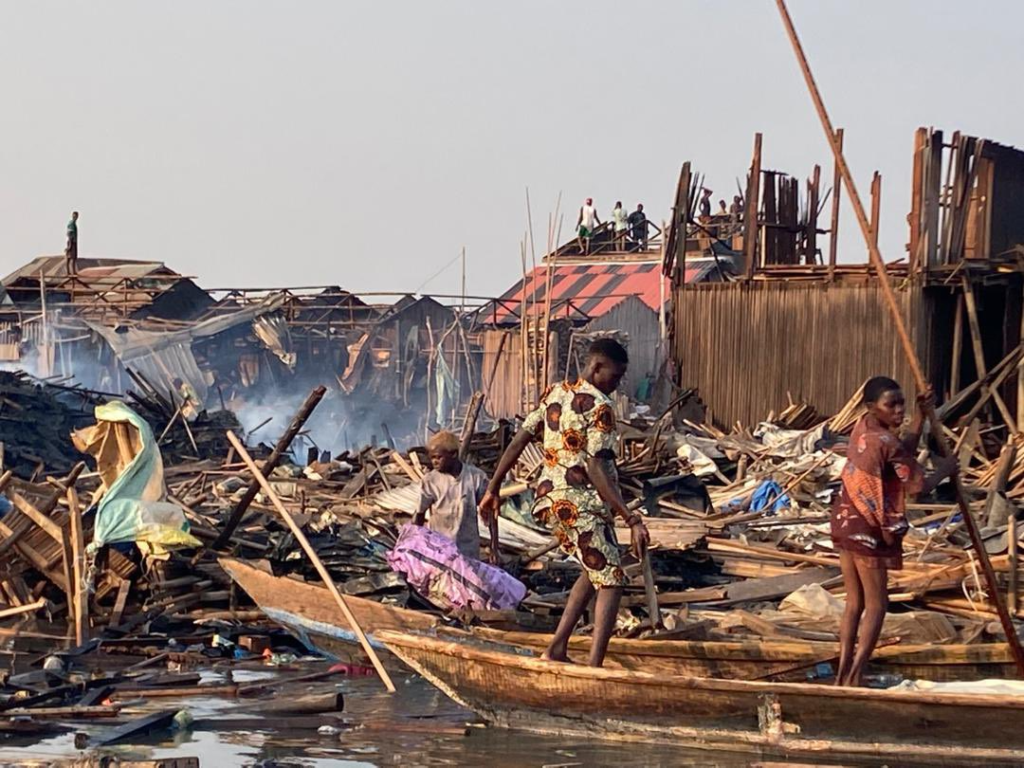
Entire sections of Makoko have been flattened. Homes built over decades have been destroyed in hours. An estimated 1,000 to 2,000 families are being displaced, many forced to sleep in boats, canoes, or open spaces, with no alternative shelter provided
Before the demolitions began, community leaders had an agreement with the Lagos State Ministry of Urban Development. The understanding was clear: only structures within 30 metres of power lines would be removed. When demolitions went beyond this boundary, the chiefs rushed to Alausa to raise an alarm.
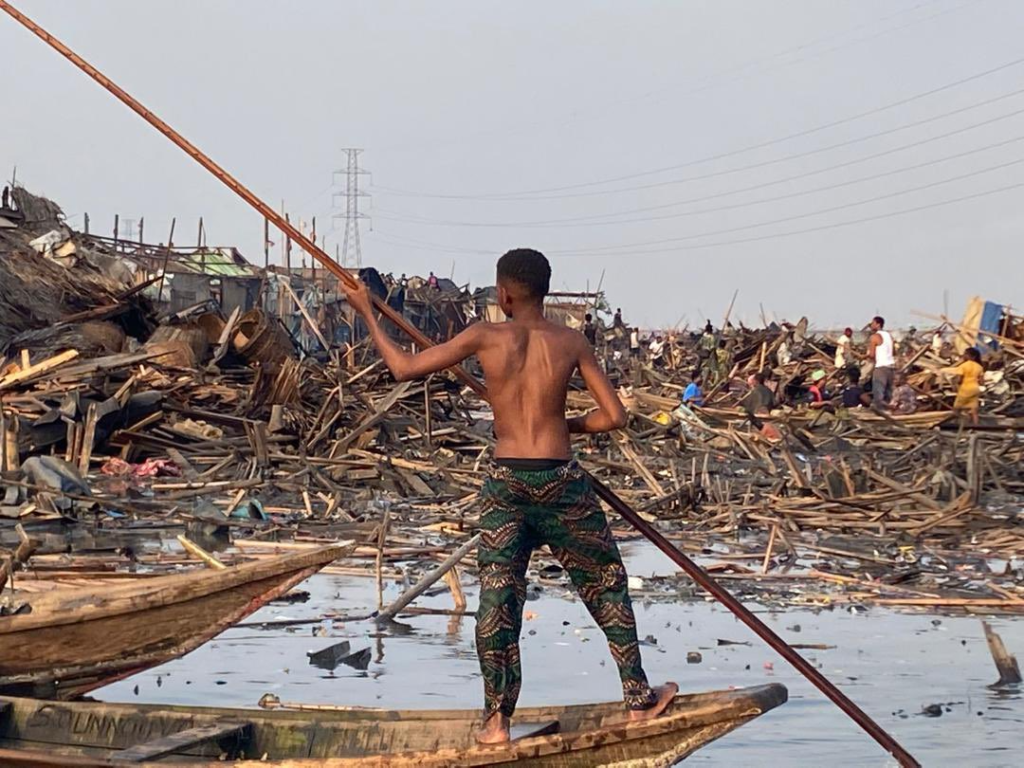
At Alausa, government officials revised the plan, increasing the demolition corridor to 50 metres. Though unhappy, the community leaders agreed and returned, hoping the destruction would stop there. Instead, officials later claimed the chiefs had consented to 100 metres — a claim the community strongly disputes. That extra 70 metres cuts deep into Makoko’s residential core, threatening hundreds more homes and displacing thousands more people.
Nigeria’s own regulations stipulate a 30-metre setback, or at most 50 metres. Yet demolitions continue far beyond this. Even more troubling, Makoko’s case is reportedly still before the courts, raising serious questions about legality, due process, and contempt for judicial proceedings.
What is happening in Makoko follows a long and disturbing pattern. Over the past year alone, communities such as Oko-Baba, Ayetoro, Otumara, Baba Ijora, Oworonshoki, Precious Seeds, and others have been demolished. In many cases, residents received little or no notice. In some cases, demolitions occurred despite court orders.
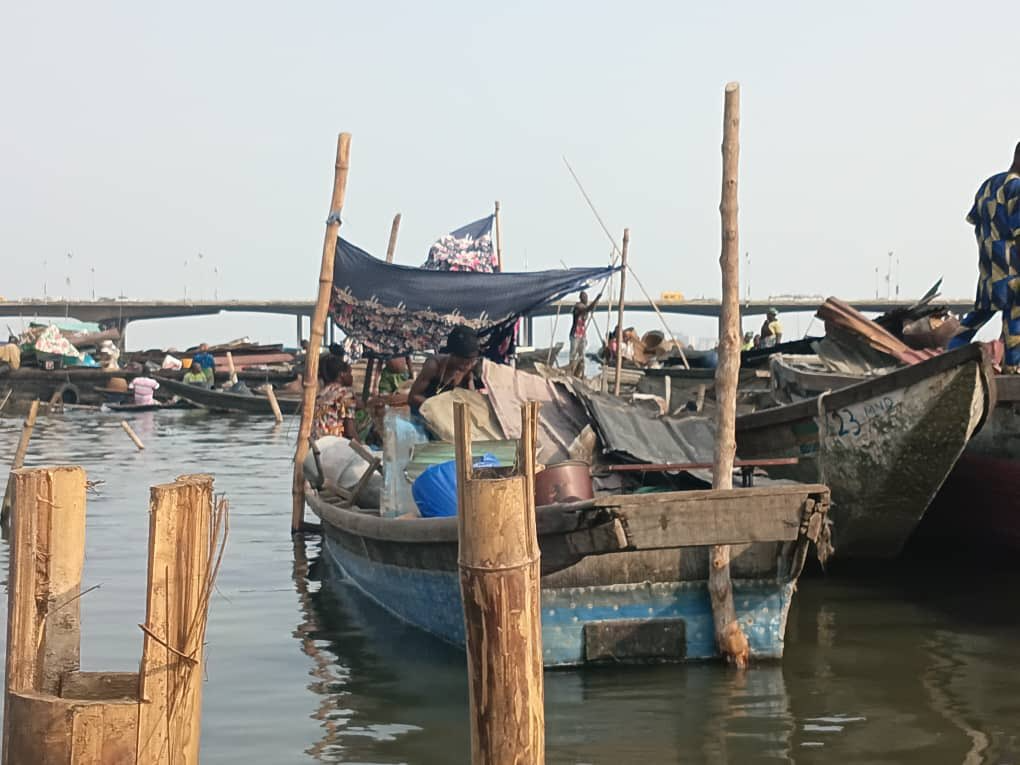
Deaths, mostly of children and elderly residents, have been recorded across several of these evictions.
Lagos prides itself on being a “megacity,” yet the city’s economy is powered largely by the informal sector, the same people being pushed out. Despite an acute housing crisis, there is no robust social or affordable housing plan to absorb displaced residents. Instead, lands cleared of poor communities often re-emerge as sites for private, high-end developments.
Internationally accepted standards for land acquisition require prior notice, informed consent, relocation plans, and compensation for the affected communities.
In Makoko and similar communities, these principles are routinely ignored. What prevails instead is force, backed by armed personnel and intimidation.