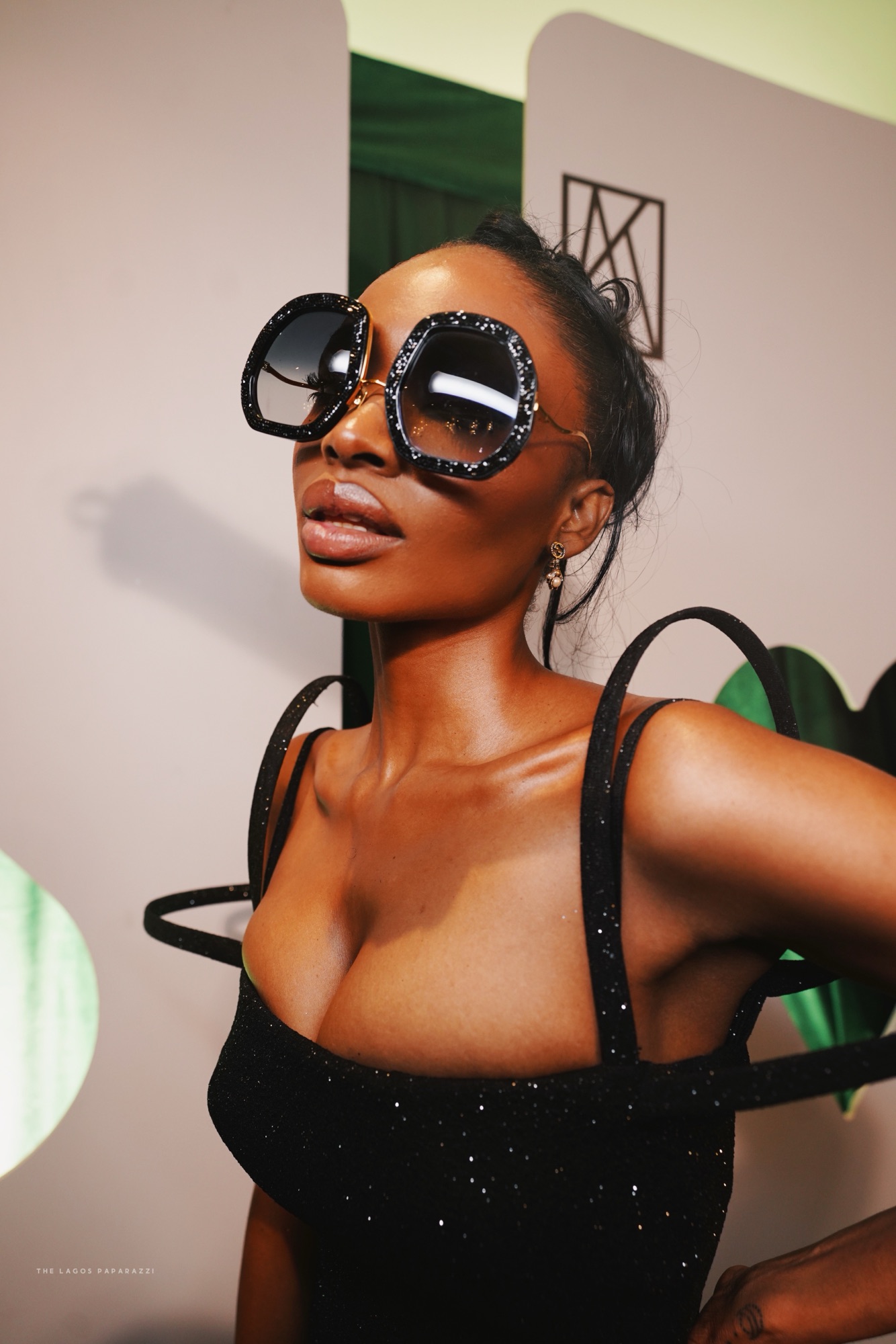

The Miss Universe Nigeria competition has always struggled to match the quality and prestige of its international counterparts. For many, it’s known more for its mediocre photography and low-budget presentation than for the grandeur associated with global pageants. Yet, this year, the competition saw an unprecedented surge in popularity, driven not by its merits but by a series of controversies that unfolded on social media and that highlighted deeper societal issues.
The Miss Universe Nigeria Pageant
Originally launched as Miss Universe Nigeria in 1983, the pageant failed to gain significant attention, and its winner didn’t even compete internationally. It wasn’t until 1986, when it was rebranded as the Most Beautiful Girl in Nigeria (MBGN), that the competition truly came to life. MBGN went on to become Nigeria’s premier beauty pageant, sending its winners to Miss Universe and Miss World.
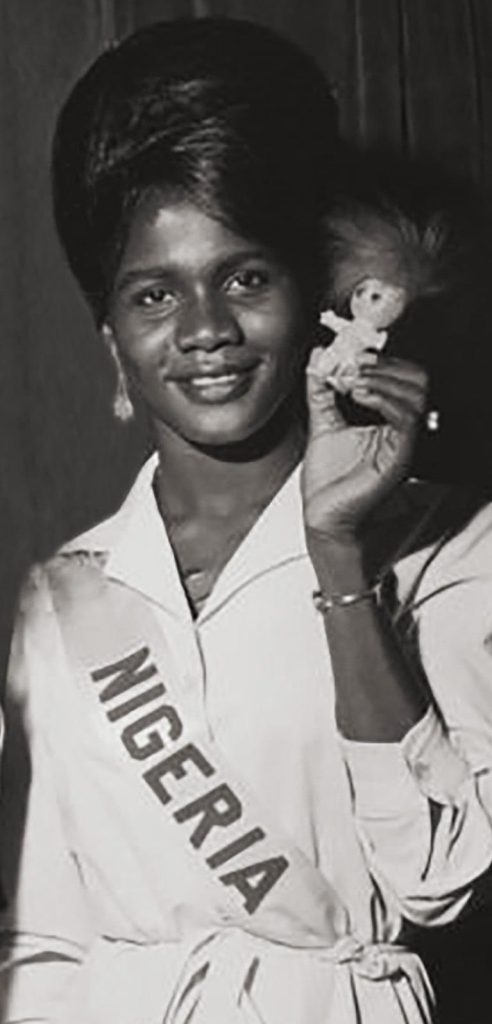
However, in 2023, the original Miss Universe Nigeria title was revived in a bid to align with evolving global standards of inclusivity. The organizers emphasized that the pageant would now welcome women of all body types, colors, heights, weights, and relationship statuses. This rebranding seemed to promise a new era of diversity and representation, but the reality was far more… complicated.
Miss Kwara and the Battle against Fatphobia
Ufa Dania, a plus-sized model and content creator from Abuja, became the first full-figured contestant in Miss Universe Nigeria’s history when she entered the 2024 competition as Miss Kwara. At just 23 years old, Ufa was already moderately accomplished, with a successful stint as Miss AUN during her university days at the American University of Nigeria, Yola and a significant following on social media. She also founded a non-profit organization called Minds and Hearts, which focuses on educational and empowerment initiatives.
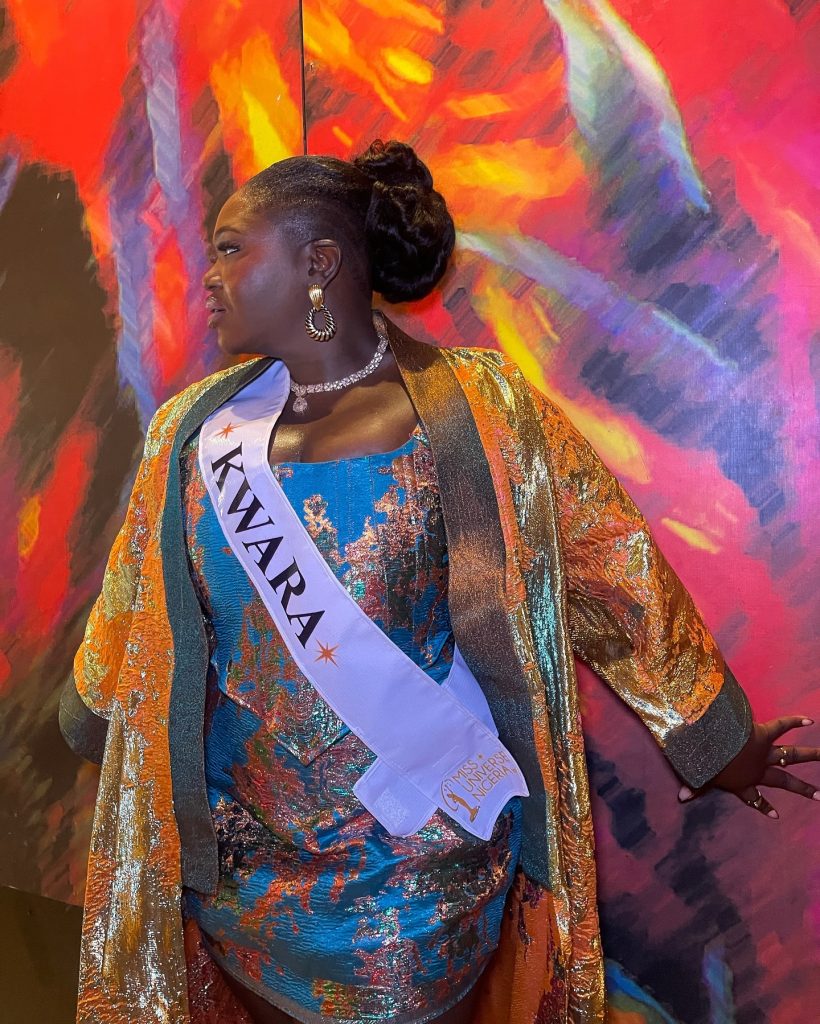
Ufa’s entry into Miss Universe Nigeria should have been a triumph of inclusivity, but instead, it highlighted the stark reality of fatphobia in the beauty industry. Despite the pageant’s claims of diversity, Ufa was left unprotected by the organization as she became the target of vicious trolling online. After a video of her (alongside other delegates) was posted on X (formerly Twitter), the comments section was flooded with hateful remarks questioning her right to compete. Rather than defending her, the organizers remained silent, allowing the harassment to continue unchecked.
Ironically, this wave of online abuse caught the attention of South African netizens, who began rallying behind Ufa as a way to spite Nigerians. This unexpected support, however, only fueled further hostility from Nigerian trolls. Despite the surge in votes that propelled her into the top 10, Ufa was swiftly eliminated from the competition before the top five were announced. While beauty pageants are inherently unpredictable, it’s hard not to feel that Ufa was set up to fail—a token of diversity in a competition that was never going to let her win.
Chidinma Adetshina and South Africa’s Xenophobia
The 2024 Miss Universe Nigeria competition also featured Chidinma Adetshina, a contestant who brought her own share of controversy which has arguably had a more profound impact on the competition. Adetshina, who initially competed in the Miss South Africa pageant, faced intense scrutiny and backlash due to her Nigerian heritage. Although born in South Africa, her Nigerian name and mixed heritage led to questions about her legitimacy. Allegations that her mother may have entered South Africa illegally only added fuel to the fire, leading to widespread calls for her disqualification.
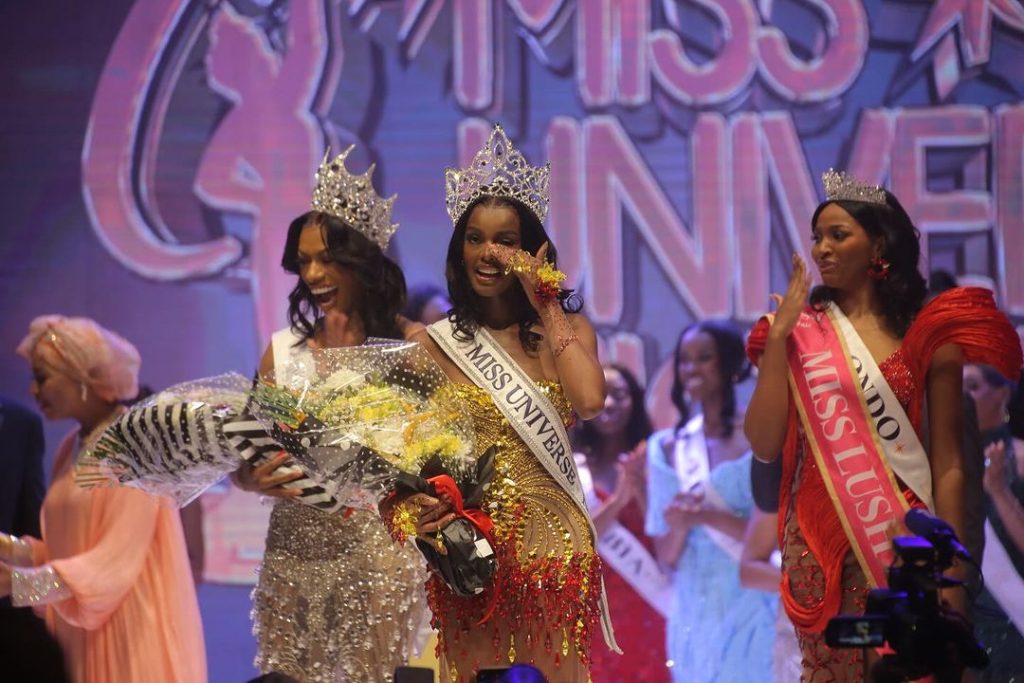
As if this wasn’t enough, many South Africans argued that Adetshina did not culturally represent South Africa, largely because of her Nigerian name and her decision to fly the Nigerian and Mozambican flags on her social media profiles. Many have pointed out that the current winner Mia Le Roux, who is of French descent with a French name did not suffer these criticisms. Nonetheless, these factors, coupled with a deeper context of xenophobia—where South Africans have repeatedly targeted foreign nationals, especially Nigerians—culminated in Adetshina’s withdrawal from the Miss South Africa pageant.
Sensing an opportunity, the organizers of Miss Universe Nigeria invited Adetshina to join their competition. What might have seemed like an act of inclusivity was, to many, a calculated move to capitalize on her existing notoriety. Unfortunately, her inevitable win in the Nigerian pageant has only reignited the debate over her legitimacy. Now, Adetshina is once again facing accusations that she doesn’t deserve the crown—this time from Nigerians.
Miss Universe Nigeria vs The Forces of Evil
In their quest to be seen as more “inclusive,” the organizers of Miss Universe Nigeria have inadvertently placed two women at the center of controversy and public backlash. Dania and Adetshina have been left to navigate a sea of negativity, with little to no support from the very institution that should have championed them. This entire spectacle seems to be nothing more than a desperate attempt to attract attention, secure sponsorships, and generate revenue—at the expense of the contestants’ well-being.
The organizers’ failure to protect these women underscores a broader issue within the world of beauty pageants, where the focus often lies on profit rather than the participants. Instead of empowering these women, Miss Universe Nigeria has left them isolated and vulnerable. The experiences of Ufa Dania and Chidinma Adetshina serve as a stark reminder that inclusivity must be more than a buzzword—it must be a genuine commitment to supporting and uplifting all contestants, not just using them as pawns in a game of media chess.