
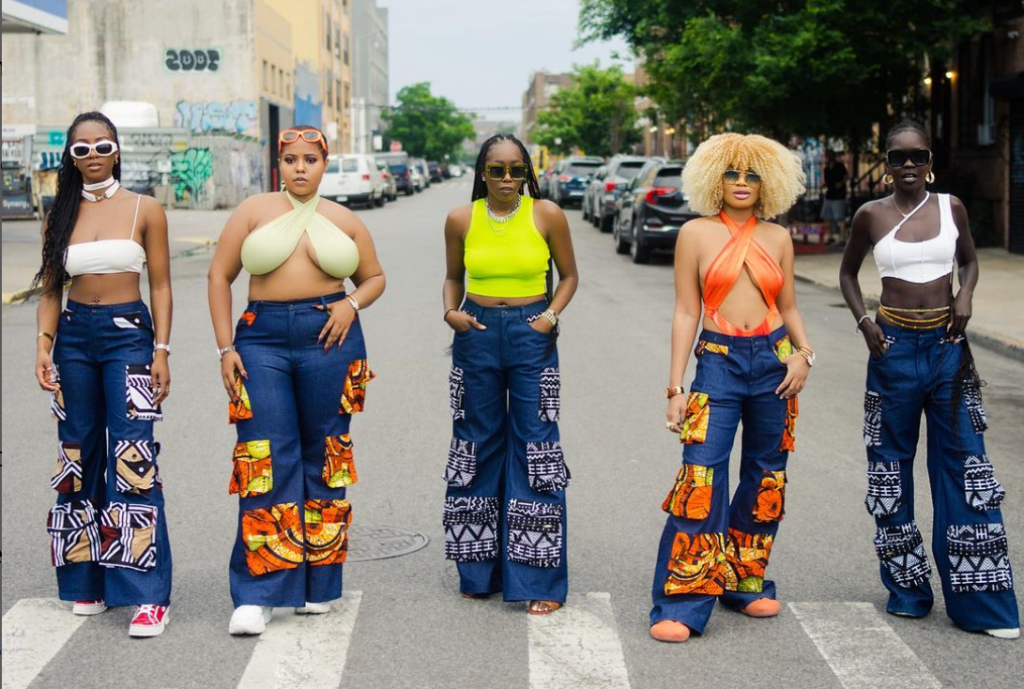
While they say imitation is the sincerest form of flattery, in the world of fashion, it is regarded as daylight robbery. African designers rank among the most creative minds globally, crafting eye-catching pieces fit for any runway only to have their innovations stolen stitch by stitch.
From bold prints and patterns to intricate beadworks and daring silhouettes, African fashion always has a story to tell about culture, heritage, and craftsmanship. Yet counterfeits and knockoffs lurk around every corner, threatening not only the integrity of artists’ designs but also their very livelihoods. Original designers struggle to compete as counterfeit versions of their work flood both local and international markets, robbing them of well-earned recognition and valuable financial opportunities.
As African fashion continues to gain global recognition, it is crucial to highlight these challenges and implement measures to protect the continent’s many talented designers. The future of African fashion relies not only on creativity but also on the ability to safeguard the work of those who bring it to life.
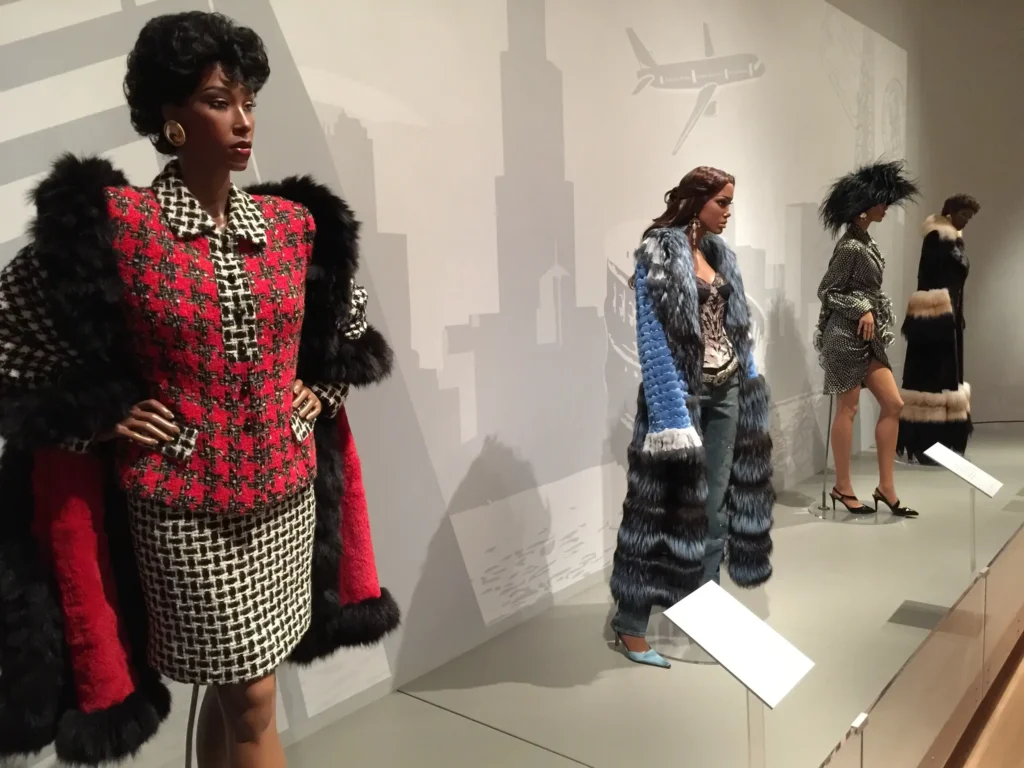
Counterfeit Fashion in Africa: The Rise of Imitation Culture
Many of us have, at some point, attempted to recreate designer pieces, confidently saying, “My tailor fit sew am.” More often than not, we’re met with disappointment when the tailor falls short in replicating the essence, precision, and craftsmanship of the original design. While this is the case for some tailors, others are more successful in flooding the streets of Africa with cheaper imitations of designers’ original works.
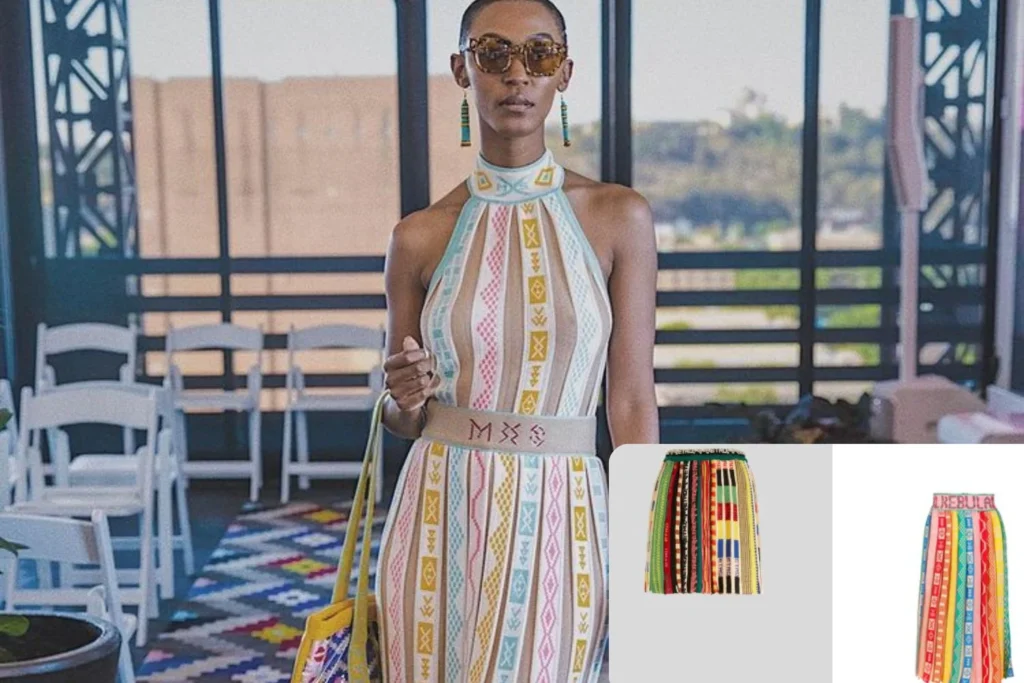
Counterfeiting isn’t limited to local markets; international brands have also been implicated in replicating African designers’ creations without authorization. In 2023, Italian fashion brand Etro released a skirt that bore a striking resemblance to MaXhosa’s signature designs, a brand by South African designer Laduma Ngxokolo, leading to public outrage.
For reasons like this, African designers, especially Nigerians, often grapple with the disheartening reality that their creative rights are undervalued in the market.
The digital era has turned counterfeiting into a competitive sport, and the real MVPs? Knockoff peddlers who shamelessly flaunt their replicas across social media, completely unfazed by intellectual property theft. Take, for example, the hand-dyed prints and patterns made famous by the Nigerian brand Dye Lab. While Adire textiles have long been a staple in African fashion, Dye Lab elevated them with expertly tailored, handcrafted pieces. But the moment their designs took center stage, counterfeiters pounced—flooding social media with copycat creations, cashing in on originality they never conceived.
The culture of imitation extends beyond fashion garments to accessories. Intricate beadwork, finely crafted handbags, and footwear have also been prey to counterfeiters. Artisanal crafts that take days, weeks, or even months to perfect are being replaced by mass-produced, low-quality replicas. These cheaper versions not only rob designers of recognition but also strip away the cultural and artistic essence embedded in each original piece.
In 2017, renowned French fashion house Saint Laurent faced significant backlash for releasing a clutch bag strikingly similar to the Mburu bag by Senegalese brand Tongoro. History repeated itself in January 2024 when Tongoro’s founder, Sarah Diouf, accused another major French luxury fashion house, Balmain, of copying the brand’s Cairo face jewelry piece. Had Diouf not spoken out, her craftsmanship and creative vision—deeply rooted in cultural significance—could have been overshadowed, with credit for her innovative designs unjustly claimed by others.
The absence of strict fashion copyright laws in many African countries has emboldened imitators, allowing them to carry out counterfeiting without fear of legal consequences. As a result, designers are left vulnerable to exploitation, with their creativity and hard work easily replicated. This highlights the urgent need for stronger industry-wide policies to safeguard the originality of African designs and secure the economic future of their creators.

How Counterfeits Hurt African Fashion Brands and Designers
The African market is often drawn to cheaper alternatives, prioritizing affordability over investing in original designs. However, these knockoffs typically come with subpar quality and limited durability, failing to match the craftsmanship and longevity of authentic pieces. Consumers often end up purchasing poorly made imitations, inadvertently diverting financial support away from the original creators.
For designers, the financial outcome is colossal. Counterfeiting cuts deep into their profits, making it challenging to scale their businesses, hire skilled artisans, or even sustain production. Emerging designers, in particular, face an uphill battle—struggling for recognition before building a loyal customer base. Even designers with established brand loyalty remain vulnerable to design theft, forcing them to constantly defend their creativity in an industry that often fails to protect its innovators.
In 2023, a brand was exposed for copying designs from the popular social media fashion brand Bawsty. Despite widespread attention, the founder and brand chose not to address the blatant intellectual property theft. Meanwhile, the imitator not only profited from the stolen designs but also sold them at double the price of the original, capitalizing on someone else’s creativity. The imitator even received praise and recommendations from shoppers on social media who couldn’t purchase from Bawsty due to sellouts, further blurring the line between counterfeit and original while exploiting the brand’s success.
When these copycats sell replicas at higher prices, they deceive consumers while undercutting the true value of authentic craftsmanship. This cycle not only discourages innovation but also threatens the sustainability of emerging brands.
Although counterfeiting may not always reduce demand for certain artists, it still takes a psychological toll, making them question whether their creativity and hard work are truly valued. For many designers, years of hard work and dedication go into bringing their creations to the runway or market. Yet, in a matter of weeks—or even days—a copycat can replicate these designs, diminishing the original designer’s efforts and devaluing their work.
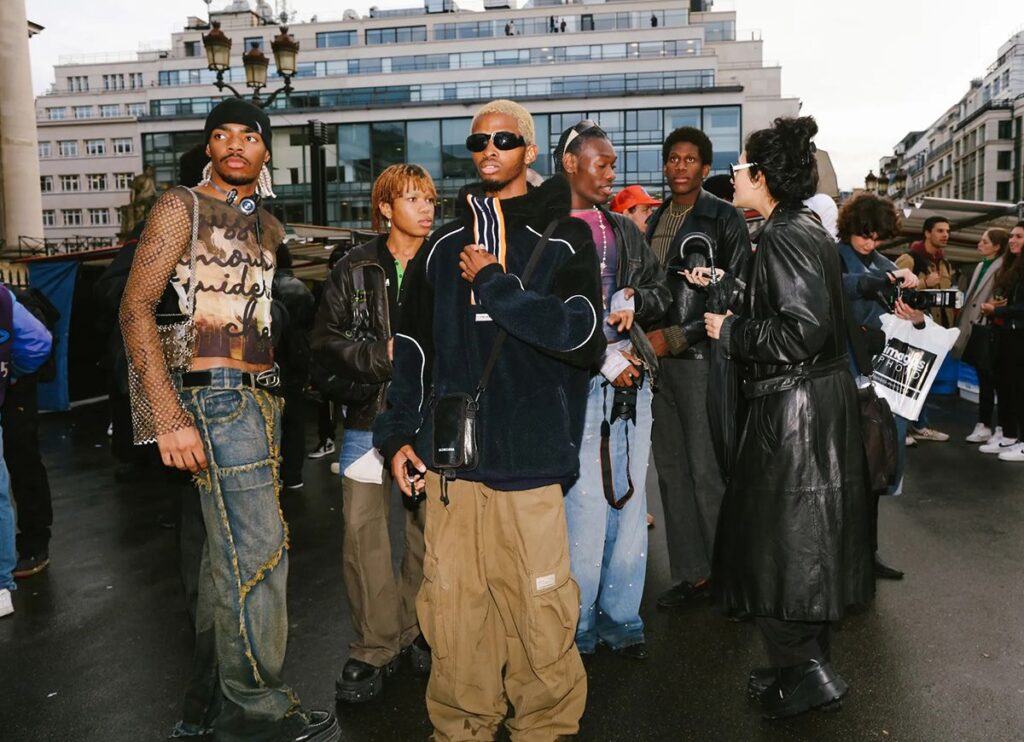
Counterfeiting undermines Africa’s standing in the global fashion industry, with investors and buyers hesitant to invest in or collaborate with brands when they see Africa being flooded with fakes. This puts a pause on opportunities for African designers to break into luxury markets and gain international recognition. Without stronger protections, the industry risks being seen as a source of imitation rather than innovation, ultimately hindering its potential to thrive on a global scale.
Beyond economic loss, counterfeiting threatens the preservation of culture. Many traditional African garments and techniques carry deep narratives of heritage, craftsmanship, and identity. However, when mass-produced, low-quality imitations replace these meticulously handcrafted pieces, the expertise and artistry behind them risk being lost. These crafts often passed down through generations, lose their cultural and economic value as traditional artisans struggle to survive in an industry increasingly dominated by cheap replicas.
Fashion Copyright Laws in Africa: The Fight Against Counterfeiting
Fortunately for Africa, the fight against counterfeiting is gaining momentum. It’s no secret that the African fashion industry suffers from the absence of stringent intellectual property protection, unlike other creative fields like music and visual arts. While some African countries have copyright and trademark laws in place, weak enforcement—much like with other regulations—allows imitation and intellectual property theft to persist unchecked.
Many designers avoid registering their designs due to the complex and tedious legal process involved. Even those who do often find that pursuing legal action against counterfeiters is costly, time-consuming, and offers little guarantee of success. Meanwhile, others face ridicule for speaking out, as counterfeiting is often dismissed as an inevitable part of the industry rather than the serious violation it truly is.
In August 2024, a designer named Marley posted a video on X (formerly Twitter), showcasing a dress she created while crediting designer Desirée Iyama, founder of Desirée Iyama, as her inspiration. Iyama quickly addressed the post, stating, “Nothing about this is an inspiration. It is an outright copy.” While Marley later explained that she had no motive for selling the dress and even encouraged people to support the original, the incident sparked wider conversations about the lack of protections for African designers. Iyama’s quick response reflects a growing movement within the industry—more designers are actively calling out counterfeiting and demanding accountability.
Sandarah Tubobereni, founder of Tubo, a Nigerian fashion brand renowned for blending traditional African craftsmanship with contemporary design, issued a strong warning to Nigerians against replicating her designs, threatening legal repercussions for those who refuse to heed her warning. Although some Nigerians took to social media to mock her, many took her warning seriously and have since refrained from replicating her designs or publicly showcasing imitations as they once did.
Beyond its impact on Tubo as a brand, her warning also sparked broader conversations about the ethics of counterfeiting and the need for stricter protections within the industry. By publicly addressing the issue, she reinforced the message that African designers deserve the same level of respect and legal safeguards as their global counterparts. Her actions serve as a wake-up call for both consumers and counterfeiters—emphasizing that creativity should be valued, not stolen.
With copyright and trademark laws offering limited protection, African designers have begun embracing technology to combat counterfeiting.
They are leveraging blockchain and NFT innovations to verify authenticity and create a digital footprint for designs, safeguarding their work from imitation. Brands like Orange Culture from Nigeria and Tongoro from Senegal have built a strong digital presence and are wielding technology to ensure that customers receive high-quality and authentic pieces by investing in high-quality content, limited edition collections, and blockchain-backed authenticity certificates.
Why Awareness is Key to Stopping Fake Fashion in Africa
With our laws falling short, it’s up to us to raise awareness and educate consumers on the need to protect creativity. Consumers often overlook the damage caused by purchasing knockoffs, viewing it merely as a cost-saving choice rather than a threat to original designers and the industry as a whole. The power of awareness can bring about a shift in consumer behavior and significantly curb the prevalence of counterfeiting.
Consumers need to recognize that beyond the economic damage, there are ethical implications of purchasing knockoffs. Counterfeiting not only exploits creativity and cultural heritage but also fuels unsafe production practices, harms the environment, and undermines ethical standards in the fashion industry.
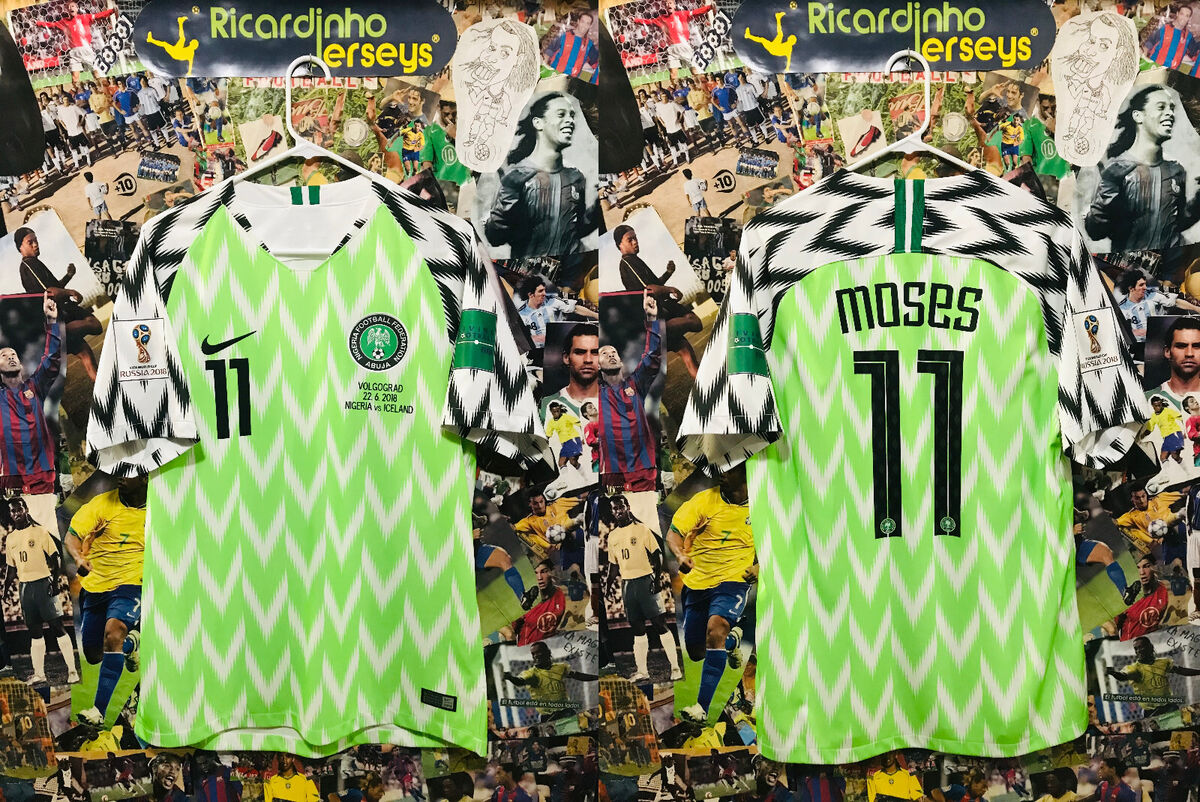
Social media has been a driving force behind the rise of counterfeiting, but it also holds the potential to be a powerful tool in the fight against it. Social media campaigns, influencer partnerships, and collaborations with fashion organizations can help educate buyers on the importance of supporting original African brands. Celebrities and industry leaders should also play a role in promoting authenticity by openly endorsing designers and calling out counterfeits.
Greater awareness of this issue could push governments to strengthen and enforce copyright laws, ensuring better protection for designers and encouraging ethical fashion practices. Creatives must take a proactive approach by securing legal protections for their work and advocating for stronger copyright enforcement to safeguard their brand and originality.
Nigerian fashion brand Imad Eduso took a firm stand against design theft by issuing a legal notice prohibiting the reproduction of its designs. This notice specifically safeguarded its SS25 collection, unveiled at Heineken Lagos Fashion Week. Such actions set a powerful precedent, reassuring other African designers that protecting their work from copycats is not only valid but necessary for the industry’s growth and integrity. This also helps amplify awareness about counterfeiting and its impact on the fashion industry.
Conclusion: Preserving Africa’s Fashion Identity
The African fashion industry continues to prove itself as a powerhouse of creativity, but without proper protections, it risks losing its authenticity to mass-produced knockoffs. Counterfeiting in African fashion is not just an economic issue—it’s an ethical crisis that threatens creativity, culture, and fair labor practices.
Addressing this challenge requires a collective effort from designers, governments, and consumers. Strengthening legal protections, leveraging technology, and raising awareness are crucial steps in safeguarding Africa’s fashion industry and ensuring its influence continues to grow, stitch by stitch.
The future of African fashion depends on preserving originality while embracing and encouraging innovation. To maintain its place as a global fashion leader, Africa must not only push creative boundaries but also fiercely protect its artistic and cultural heritage.