Ethiopia is ringing in the year 2017 while the rest of the world looks ahead to 2025. This isn’t a case of time travel or a parallel universe, it’s a celebration deeply rooted in Ethiopia’s rich cultural heritage and unique history. Let’s dive into why this East African nation operates on a different calendar and how it’s celebrating its distinctive New Year.
The Ethiopian calendar, distinct from the Gregorian calendar widely used worldwide, features 13 months. Twelve of these months have 30 days each, while the 13th month, known as Pagume, has either 5 or 6 days depending on whether it’s a leap year. This calendar system results in a significant lag compared to the Gregorian calendar, with a difference of approximately 7 to 8 years. Notably, the Ethiopian New Year is celebrated on September 11th (or September 12th in leap years), deviating from the January 1st observance common in many countries. This ancient timekeeping system has its origins in the Coptic Church of Alexandria and has been used in Ethiopia for centuries.
The Ethiopian New Year, Enkutatash, is a significant cultural event that aligns with the end of the rainy season and the blooming of vibrant yellow daisies known as Meskel flowers. This timing is not merely coincidental but carries deep meaning. The holiday marks the end of the rainy season and the beginning of the harvest, a pivotal period in Ethiopia’s agricultural cycle. Additionally, the Meskel flowers adorning the landscape symbolize hope, renewal, and the promise of a prosperous year to come. Some historical accounts even link Enkutatash to the return of the Queen of Sheba to Ethiopia after her renowned visit to King Solomon in Jerusalem.
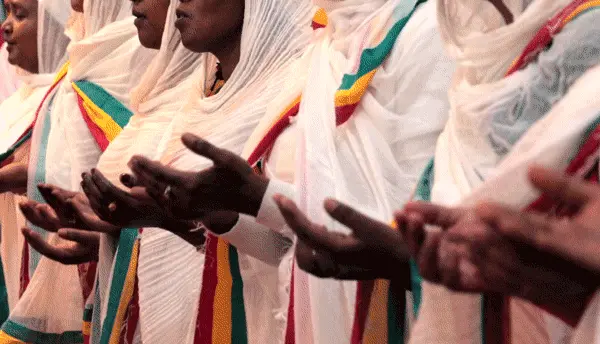
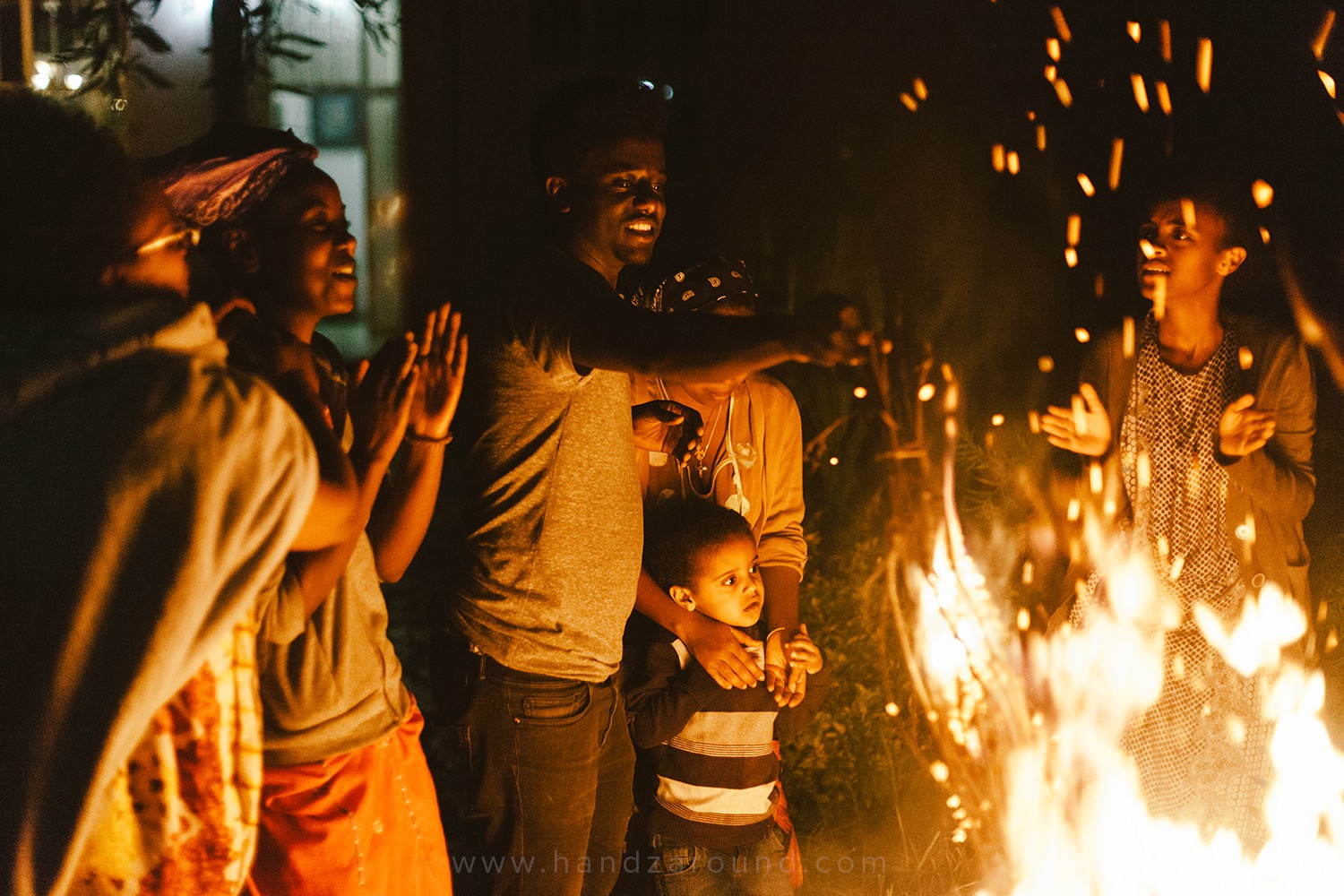
As Ethiopia steps into its version of 2017, the celebrations blend time-honored customs with contemporary flair. Families gather for traditional coffee ceremonies, exchange bouquets of Meskel flowers, and enjoy festive meals. In a modern twist, this year’s celebration featured a performance by Afrobeats superstar Davido, bridging Ethiopia’s ancient traditions with global pop culture. The unique Ethiopian calendar serves as a point of pride, highlighting Ethiopia’s status as the only African nation never to have been colonized. This temporal divide, while a source of national pride, presents a complex tapestry of challenges and opportunities that touch every aspect of Ethiopian life.
In the realm of commerce, Ethiopian businesses perform a daily balancing act. Local operations run on the Ethiopian calendar, while international trade demands adherence to the Gregorian system. This dual approach, while cumbersome, has fostered a remarkable adaptability among Ethiopian entrepreneurs. They navigate time zones and date systems with a fluency that puts many global businesses to shame. However, this dexterity comes at a cost—occasional confusion in trade agreements and financial reporting can lead to costly mistakes, highlighting the need for heightened vigilance in international transactions.
The education sector faces its own set of hurdles. Ethiopian students must reconcile their academic progress with international standards, a challenge particularly acute when seeking opportunities abroad. Yet, this very challenge has spurred innovation in the country’s curriculum design. Educational institutions are developing programs that bridge the gap, preparing students not just academically, but culturally, for a global stage.
Who knows, this adaptability may turn out to become a competitive advantage in an increasingly interconnected world.
On the diplomatic front, Ethiopian officials have become masters of temporal translation. Every international meeting, every global event requires a mental recalibration of dates. While this could be seen as an inconvenience, it has inadvertently fostered a heightened cultural awareness among Ethiopia’s diplomatic corps. They’ve become unofficial ambassadors of their country’s unique timekeeping.
Ethiopia’s New Year celebrations, falling in September, offer a unique draw for international visitors. Hotels and tour operators have capitalized on this, creating specialized packages that allow tourists to “time travel” and experience a New Year celebration twice in one year. This not only boosts the hospitality sector but also provides a platform for showcasing Ethiopian culture on a global stage.
Ethiopia’s New Year celebrations, falling in September, offer a unique draw for international visitors. Hotels and tour operators have capitalized on this, creating specialized packages that allow tourists to “time travel” and experience a New Year celebration twice in one year. This not only boosts the hospitality sector but also provides a platform for showcasing Ethiopian culture on a global stage. Ethiopia’s journey through time, seven years behind yet centuries ahead in cultural preservation, continues to captivate and inspire, challenging our perceptions of time, tradition, and the true meaning of progress in the modern world.