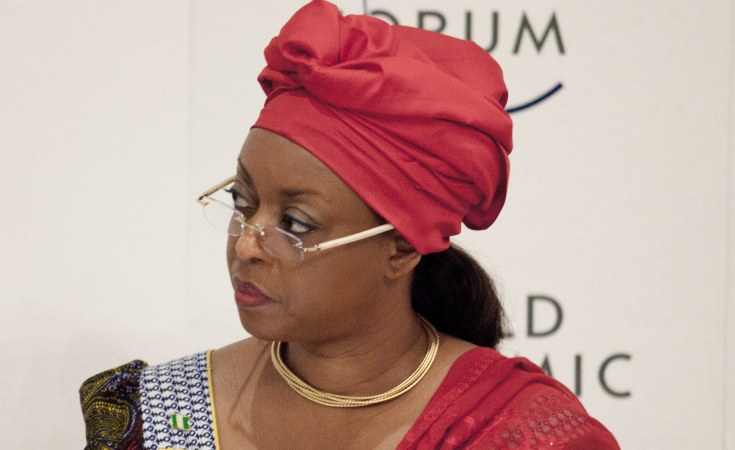
Diezani Alison-Madueke, Nigeria’s former minister of petroleum resources and the first woman to lead the Organisation of Petroleum Exporting Countries (OPEC), is standing trial in the United Kingdom over alleged bribery linked to Nigeria’s oil sector.
Now 65, Alison-Madueke is accused by UK prosecutors of receiving bribes in exchange for influencing the award of lucrative oil contracts by Nigeria’s state oil company. Prosecutors allege that between 2011 and 2015, she enjoyed a lavish lifestyle in the UK funded by illicit payments connected to Nigerian oil contractors.
According to the prosecution, the alleged benefits included multimillion-pound properties in London and Buckinghamshire, millions spent on refurbishing those homes, a chauffeur-driven car, private jet travel, large cash payments, and luxury shopping. Prosecutors told the court that rent and lifestyle expenses were allegedly paid through intermediaries and companies linked to Nigerian oil interests.
Alison-Madueke faces five counts of accepting bribes and one count of conspiracy to commit bribery under the UK Bribery Act. She has pleaded not guilty to all charges and maintains that she did not personally profit from her time in office.
Two other defendants are standing trial alongside her. Olatimbo Ayinde, an oil industry executive, is charged with bribery offences linked to the former minister, while Doye Agama, Alison-Madueke’s brother and a former archbishop, is charged with conspiracy to commit bribery. Both men have denied the allegations.
Her defence team argues that Alison-Madueke did not have direct decision-making power over oil contracts and was effectively a “rubber stamp” within a system run by committees and state institutions. They have also raised concerns about the long delay between her arrest in 2015 and the filing of charges years later, as well as the fact that some alleged bribe-givers are not on trial.
While the alleged crimes relate to Nigeria’s oil sector, the trial is taking place in London because much of the prosecution’s case centres on activities that allegedly occurred in the UK. Prosecutors say the benefits of the alleged bribery were received and spent there, bringing the case within the reach of British law.
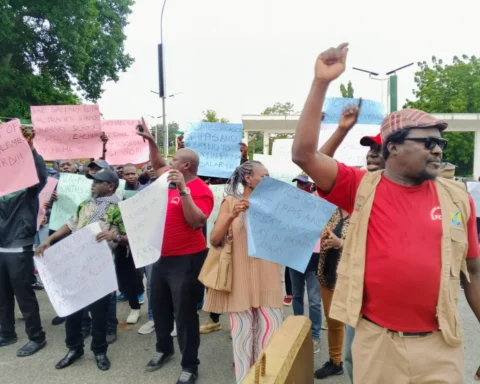
In Nigeria, Alison-Madueke has faced multiple investigations, including asset forfeiture and money-laundering cases pursued by the Economic and Financial Crimes Commission. Although several high-value properties linked to her have been seized, criminal proceedings have struggled to move forward, largely due to procedural delays and her continued absence from the country.
The contrast is stark and questions Nigeria’s ability to prosecute complex, high-level corruption cases. International investigations, including those linked to offshore financial records, constantly expose how Nigerian public officials move wealth through foreign jurisdictions beyond the reach of local enforcement.
As the UK trial continues, it represents one of the most significant corruption cases involving a former Nigerian government official to reach a courtroom but beyond the outcome, it’s important to ask why allegations rooted in Nigeria’s oil sector are being tested in a foreign court. This clearly reflects deep weaknesses in domestic accountability systems.
The trial is expected to run for about 12 weeks, with a verdict anticipated later in the year. If convicted, Alison-Madueke could face a lengthy prison sentence.