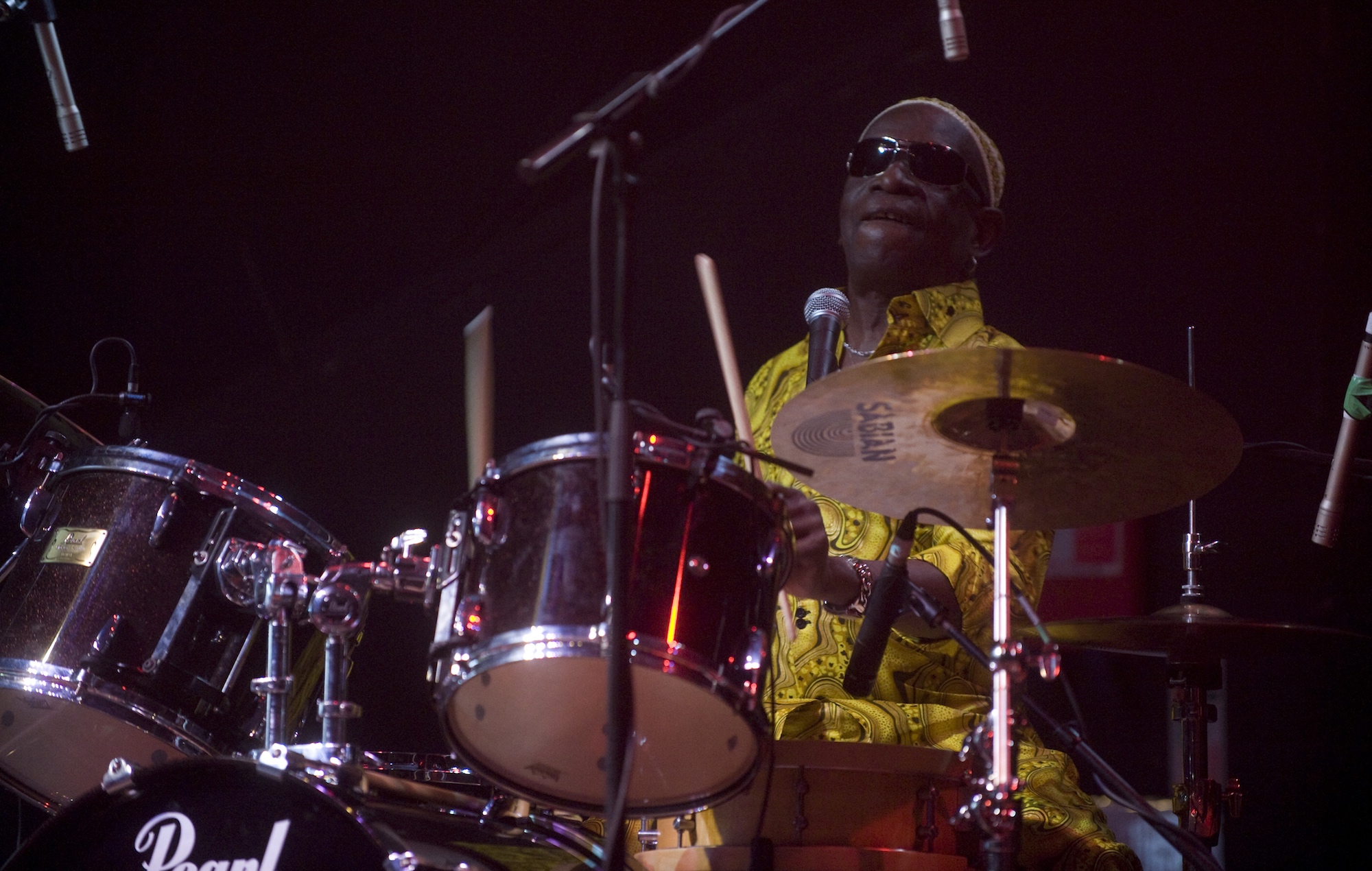
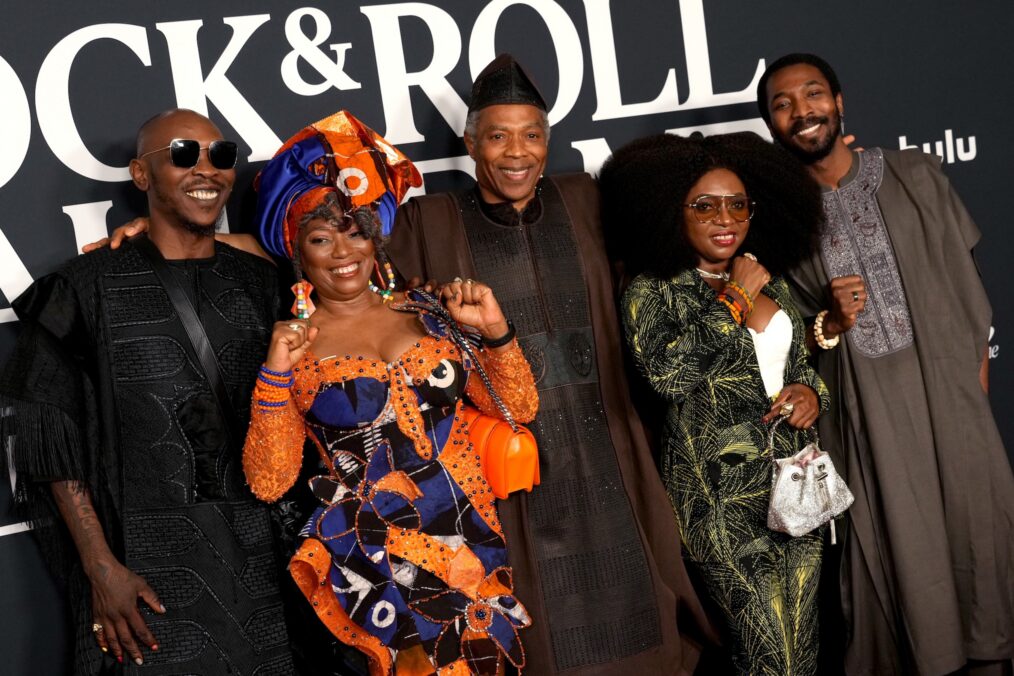
Fela Anikulapo Kuti was inducted into the Rock & Roll Hall of Fame on Saturday 14 November at the Peacock Theater in Los Angeles, twenty-nine years after his death. He entered as the first African-born solo artist in the Hall, and he entered through a side door.
The honour was the Early Influence Award, not induction as a performer. A video tribute marked it. His children Seun, Yeni, Femi and Shalewa attended with his grandson Made and accepted on his behalf. The Associated Press listed his defining songs as “Water No Get Enemy”, “Zombie” and “Let’s Start”.
He was on the performer ballot twice and missed both times
In 2021 Fela was one of sixteen names on the performer ballot and the only African musician among them. Burna Boy, Davido, Don Jazzy and Banky W pushed a campaign urging fans to vote. He finished second in the fan vote with more than 545,000, behind Tina Turner on more than 585,000. He was not in that year’s class. Femi Kuti pointed out at the time that a separate members-only vote was the process that actually decided it.
In 2022 he was nominated again and the floor fell out. He took 69,656 votes, 1.28 per cent of roughly 5.43 million cast, and finished last of seventeen nominees. He was not inducted.
The third attempt did not go through the performer category at all. On 13 April 2026 the Hall announced him as an Early Influence recipient alongside Celia Cruz, Queen Latifah, MC Lyte and Gram Parsons.
What the category actually says
The Hall describes the Early Influence Award as recognising artists whose music and performance styles directly influenced rock and roll and other popular music forms. Read one way that is a serious honour, placing Fela in the lineage that produced the music the institution exists to celebrate. Read another way it is a category that defines an artist by his effect on somebody else’s genre.
Afrobeat was not a precursor to rock and roll. It ran alongside it, built from highlife, jazz and funk, and it has outlived the frame it is now being honoured inside. The Hall found a way to admit the most significant African musician of the twentieth century without the performer vote it had already put him through twice.
Two Nigerians in the same class, honoured two different ways
The 2026 class ran to eighteen inductees across rock, hip-hop, R&B, Latin and Afrobeat. Sade was among them, inducted as a performer by Andra Day. Helen Folasade Adu was born in Ibadan. That is why the language around Fela keeps specifying first African-born solo artist rather than first African artist, and the distinction tells you something about how the institution sorts people.
Phil Collins, Oasis, Iron Maiden, Joy Division and New Order, Wu-Tang Clan, Billy Idol, Luther Vandross and Rick Rubin filled out the rest of the night. Several of the biggest rock names did not show up. The ceremony debuts on ABC and Disney+ in December.
The honours are stacking up fast
This is the third major posthumous recognition in under two years. “Zombie” entered the Grammy Hall of Fame in 2025, the first Nigerian album to do so. In January 2026 the Recording Academy gave Fela its Lifetime Achievement Award, making him the first African recipient of that honour. Now the Rock Hall.
Two celebration nights ran in Southern California around the ceremony, at Pappy and Harriet’s in Pioneertown on 13 November and The Regent in Los Angeles on 15 November, with DJ Rich Medina.
Yeni Kuti had a different point to make
Speaking after the ceremony, Fela’s eldest daughter turned the attention back home. “I don’t think he’ll be shocked about what’s happening in Nigeria today,” she said. “But, we just didn’t listen. If we had listened, Nigeria wouldn’t be in the situation it is today.”
On the pattern of recognition arriving late, she was blunt. “Now that he’s dead, people are like, ah, Fela said it, oh, Fela is a prophet.”
On the award itself she was warmer. “Now, about the rock and roll, I’m sure he’ll be shocked and happy.”
Fela spent his life being arrested, beaten and raided for saying things about Nigerian power that Nigerian institutions did not want said. Lagos gave him a multi-sensory exhibition of his own this year. Thirty years on, an American institution has put his name on a wall in Los Angeles and the things he was saying are still true.