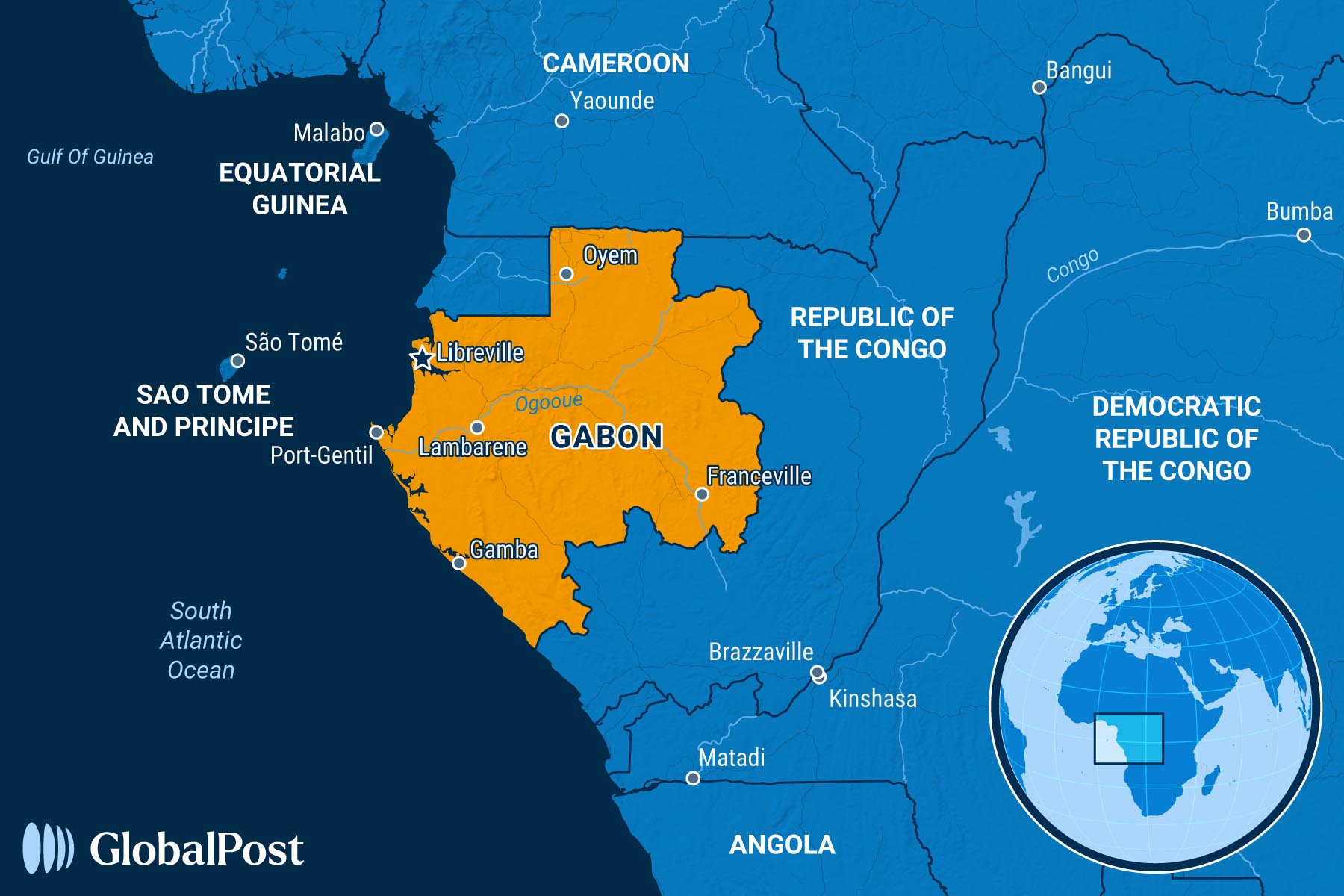
The Gabon social media ban is over. The country has switched Facebook, TikTok, YouTube and Instagram back on after eight months, but the price of getting back online is your identity.
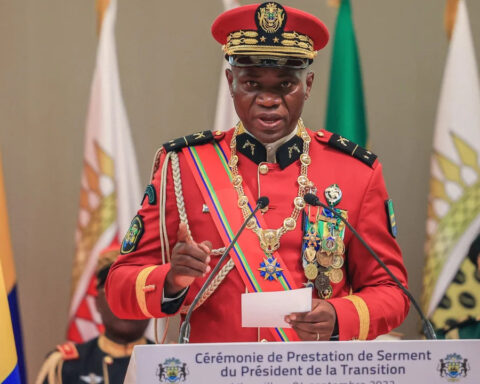
The country’s media regulator, the High Authority for Communication (HAC), announced the end of the suspension on Saturday 24 October. HAC spokesman Jean-Claude Mendome read the decision on state television.
What happened after the Gabon social media ban
The HAC imposed the ban on 17 February. It blamed online content for fuelling conflict and division, and said the pause would give the government time to update its legal framework for regulating social media. The ban came amid social unrest, less than a year after President Brice Oligui Nguema’s election. WhatsApp worked only on and off.
The catch for every Gabon social media user
Users now have to identify themselves. A regulation passed in February requires social media users to provide verified names, addresses and ID numbers, which effectively ends online anonymity. The HAC says it has held talks with Meta, TikTok and YouTube about improving content moderation, and it urged users to be more responsible online.
The pushback against the Gabon social media ban
The opposition called the ban an abuse of power, and every legal challenge against it was rejected. Former prime minister Alain-Claude Bilie-By-Nze, jailed since April on fraud and abuse-of-trust allegations dating back to 2008, was one of its loudest critics. Activists point to the ban and his arrest as signs of a repressive climate under Nguema, who came to power in the 2023 coup that ended 55 years of Bongo family rule.
Gabonese users did not simply wait. Proton, the VPN provider, reported a 60,000% jump in downloads of its VPN tool the day after the ban began, and Anadolu reports thousands of citizens used VPNs to get around it.
Why Nigerians should care
Nigeria knows this story. The government blocked Twitter, now X, for about seven months from June 2021 to January 2022. Gabon’s ban, like the Zimbabwe internet shutdown we covered earlier, shows where that road can lead, and what comes after it. Access returns, with rules attached. For young Nigerians who live on these apps, the question is who gets to know who you are online.
Sources: Africanews, Anadolu Agency, Citizen Digital.