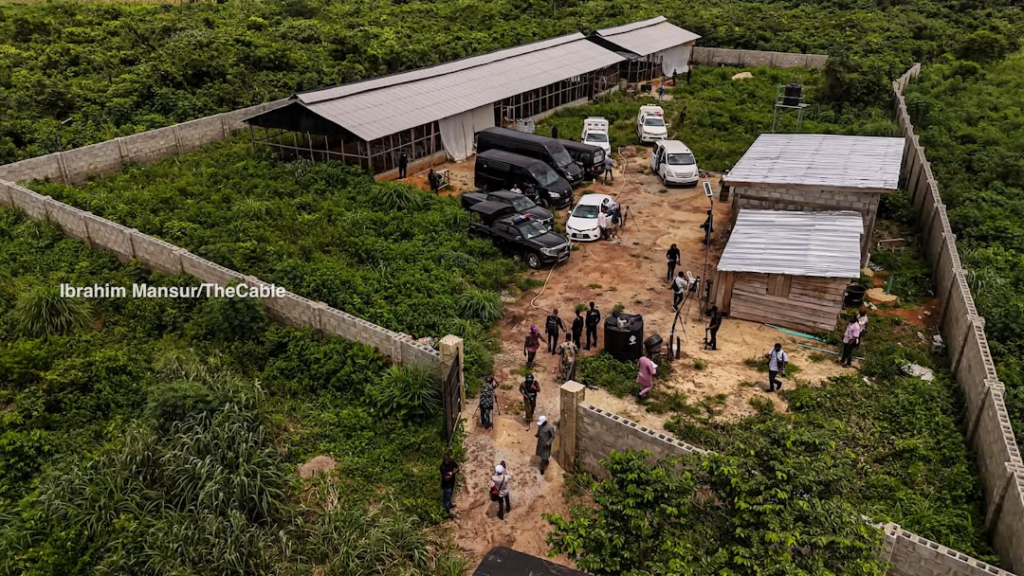
If you were writing a script about global drug syndicates, you’d probably place the climax in the Sonoran Desert or a warehouse in Guadalajara. You almost certainly wouldn’t place it in Abidagba—a quiet, leafy patch of forest tucked away in Ogun State. Yet that’s exactly where the NDLEA uncovered the largest industrial methamphetamine operation ever found on Nigerian soil.
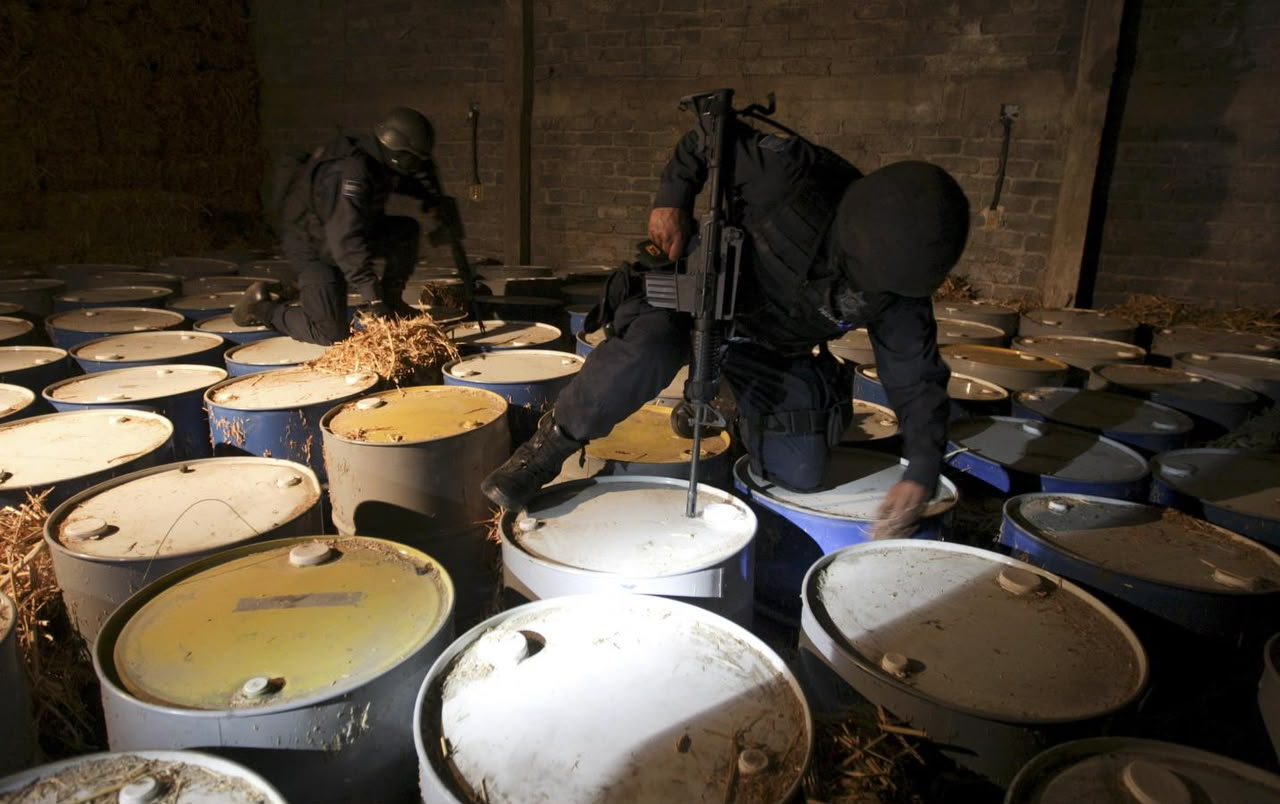
When officers raided the site, they didn’t just find a few drums of chemicals; they found a full-scale factory, $363 million worth of high-purity meth and raw materials, and ten people in handcuffs, including three Mexican nationals brought in as specialized “cooks.” The raid didn’t end in the woods. It spilled over into the gated estates of Lagos, where local handlers were living comfortably off the profits. Here is what actually happened, why it matters, and what it signals for the region.
How a “Super Lab” Actually Works
This wasn’t some haphazard setup producing street-grade narcotics; it was a high-yield “super lab” designed to run non-stop for the export market. The structure of the operation was clear:
The Technicians: The three Mexican nationals were brought in specifically for their technical expertise, handling volatile precursor chemicals and maximizing production purity.
The Logistics: The Nigerian network handled the ground game: acquiring the remote land in Ogun, securing local transport, and setting up cover operations in Lagos.
The Destination: The product wasn’t meant for local corners; it was destined for international markets in East Asia and Southern Africa, where crystal meth commands some of the highest wholesale prices in the world.
The scale of the site was so massive that authorities took the unprecedented step of holding a formal court session right there in the middle of the Ogun forest.
For years, West Africa was treated by global cartels as a convenient pitstop: a place to refuel and re-route cocaine and synthetic drugs coming from South America toward Europe. The Abidagba bust proves that dynamic has shifted.
West Africa is no longer just a shipping lane; it has become a manufacturing site. Setting up labs locally cuts down on shipping costs for cartels and exploits vast, hard-to-police rural areas.
The problem is that manufacturing never stays strictly for export. Production sites always leak into the local market. The cheaper, highly addictive product eventually hits nearby streets, feeding local substance crises—like the rise of mkpuru mmiri in the East—and leaving rural communities to deal with the toxic chemical waste left behind in the soil and water.
It’s easy to look at a $363 million price tag and treat this like a real-life crime drama. But behind the dramatic headlines is a very real threat to the region’s stability. When international syndicates build infrastructure locally, they bring violent tradecraft, heavy money laundering, and environmental destruction with them. As global trade routes adapt, understanding the reality behind these operations is the first step in keeping our communities from becoming collateral damage.