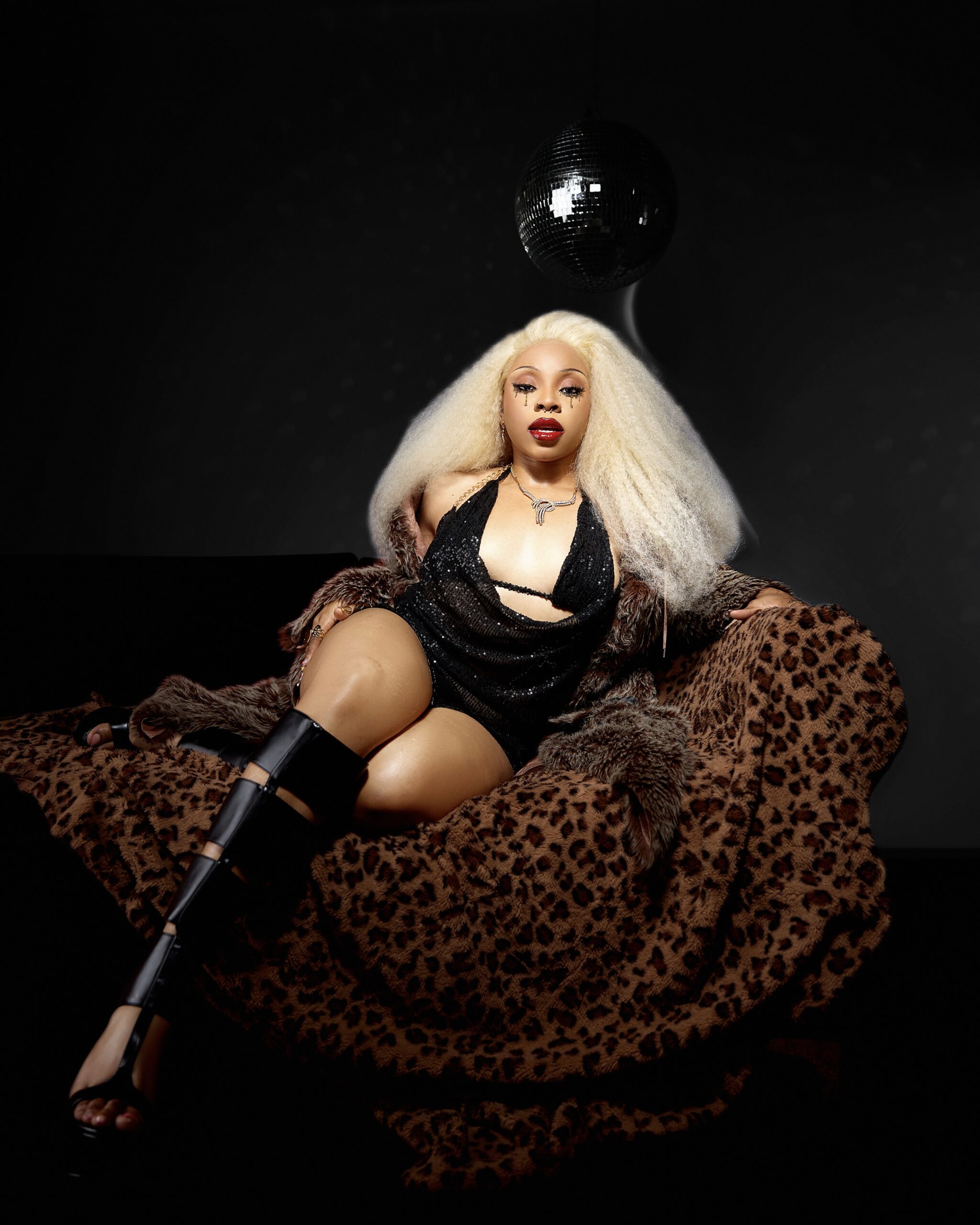
Few artists in Nigeria’s new generation have shaped the sound of Afrobeats with the same clarity and individuality as FAVE. Since emerging as one of Afrobeats’ most exciting new voices, the Nigerian singer has built her career on instinct, following melodies wherever they lead and transforming personal emotions into songs that feel universally understood. Her rise has been defined by moments that have travelled far beyond Nigeria, from the irresistible pull of “Baby Riddim” to her collaboration with Davido on “Kante,” establishing her as one of the defining voices of a generation reshaping the future of African pop.
RnBling is a project built on contrast. Across six tracks, FAVE brings together the emotional depth of R&B with the rhythmic freedom of Afrobeats, Dancehall, and Pop, creating a body of work that feels both reflective and alive. The EP explores different sides of connection from longing and heartbreak to confidence and release, but never allows those emotions to become limiting. Instead, FAVE transforms them into something brighter: music that acknowledges life’s difficult moments while still leaving room for joy, movement, and celebration.
In conversation with MoreBranches, FAVE opens up about creating without boundaries, trusting her instincts, the collaborations that shaped RnBling, her evolution as a songwriter, and why she hopes the project becomes the kind of music people return to long after their first listen.
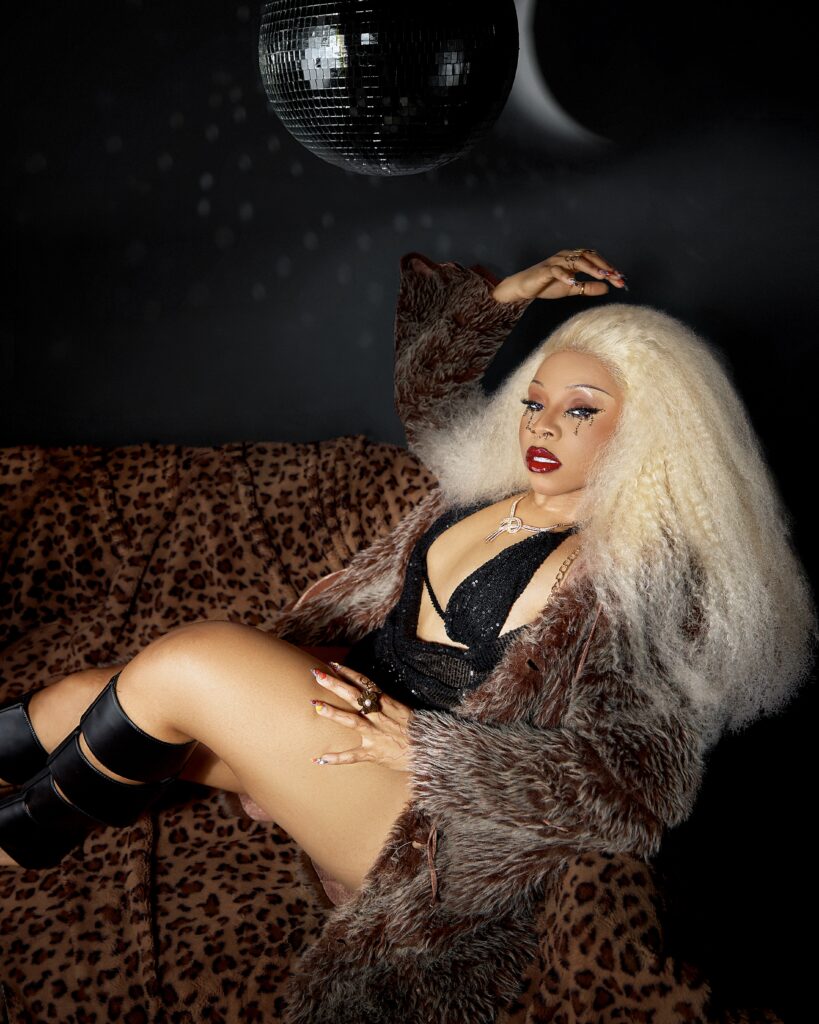
First of all, I want to say the project is a solid one. I really love the name, the music, the artwork, and everything about it. It sounds so luxurious. I was wondering, you know, it deals with a lot of important topics like healing and vulnerability. Why did you choose the title RnBling?
FAVE: I think, for me, I like to play on words. I thought it would be really cool to tie it to R&B, but switch out the “B” because I tend to think differently from what is considered the norm. A lot of the time, I unintentionally think outside the box. That just perfectly played into me being this R&B-type of artist. Well, I wouldn’t necessarily say I’m just an R&B artist, but that’s kind of what people get when they hear my voice. Pairing that with a lot of the drums, a lot of the rhythm, and the more uptempo instrumentals on the project, that’s how we arrived at RnBling.
It’s no longer “blues”; now it’s “bling.” It’s not something that makes you feel weighed down. It’s something that makes you want to move your body, bump your head, bump and grind, while still giving you all the feelings an R&B song gives you. It makes you remember people you thought you’d forgotten. It makes you connect with a story that may not even really be yours. You know how you can feel someone’s pain just from hearing their story. You could listen to a song and think, “I’ve never been in this position before, where I had to say no more to a lover because it just wasn’t healthy for me,” but somehow you almost know what that feels like because you can feel it through the song. To me, RnBling was just a mesh of two worlds that are usually very different, but now they’re together as one.
Amazing. You kind of answered the next question I was about to ask. I really love that the project touches different genres. I’m hearing R&B, Afrobeats, of course, and then Dancehall. How did you approach exploring all those different spaces while still making it feel like a FAVE project?
FAVE: I would say it’s a normal thing for me. I’m always about pushing boundaries and pushing the pen. The first thing I have to do is admit to myself that I can’t do something, but if I haven’t tried it yet, how can I say I can’t do it? I’m always experimenting with genres, so this project was no different. A lot of the time, when I go into the studio with a producer, about 70% of the time they just play me beats. I’m like, “Okay, I like this one. I don’t like this one. I like this one.” It’s only about 30% of the time that I actually walk into the studio already knowing what genre I want to make. Like, “Guys, I want to do Dancehall today,” or, “I want to do R&B today,” or “Afrobeats.” Most of the time, I just receive what’s in front of me, and if I like it, I think, “Yeah, I could absolutely murder this.” RnBling was no different. It’s really a reflection of life. You don’t always plan for things, they just happen.
“Drown” is so different from anything I’ve ever done before, and I don’t even know what genre I would call that. I don’t think I could have walked into the studio and said, “Give me that genre.” It just became a collection of genres that all speak to that R&B-plus feeling, like the Dancehall side, the Afrobeats side, the touchy-feely side, while also making you feel like you’re in the club and everybody’s just having fun.
Speaking of “Dance,” which is the lead single, it kind of took the most unexpected turn compared to the other tracks. The song feels like a release. What emotions did you want people to feel when they heard that record?
FAVE: I just wanted people to dance. I wanted people to feel like themselves, completely uninhibited. Don’t think too much. Don’t think about whether you’re busting a move correctly. Just bust a move. It’s also personal because I’m the type of person who’s always calculating when it comes to dancing, when really you should just dance without thinking. The person who invented legwork probably just did it. They didn’t overthink it, and now it’s a whole dance style.
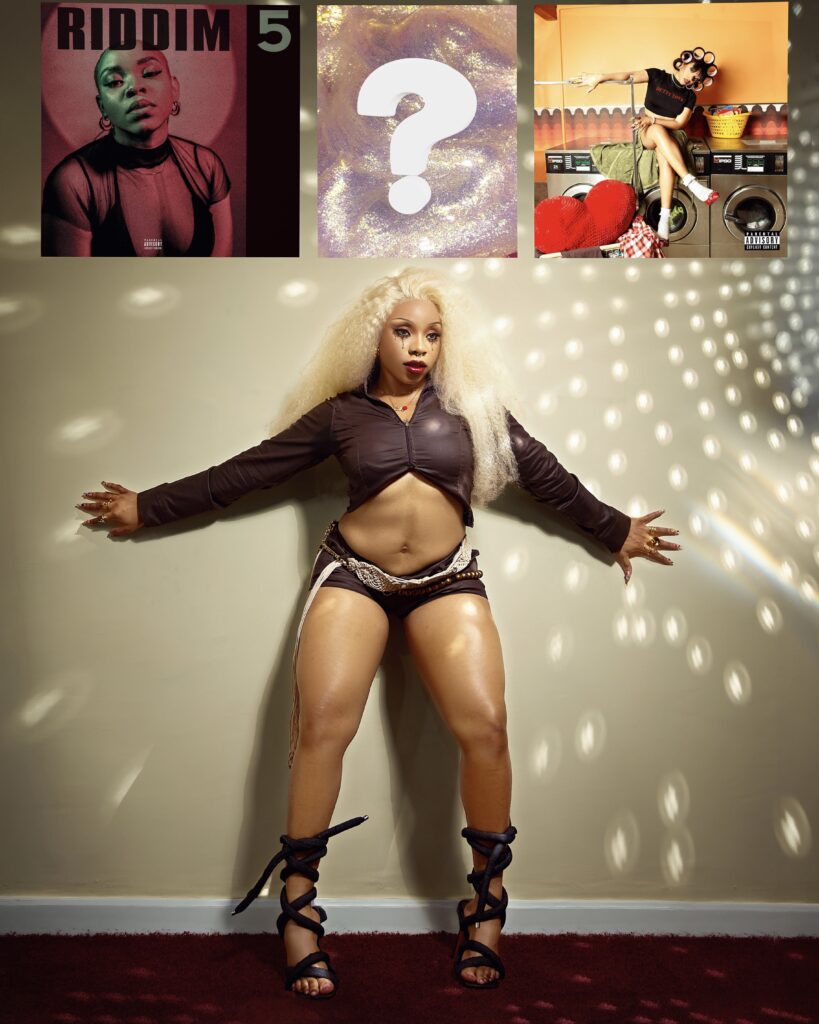
You never know what happens when you put your two left feet together and create something that becomes amazing to someone else. Beauty is in the eye of the beholder. What one person calls rubbish, another person might think is incredible. “Dance” is really about someone accepting you as you are and understanding you without judgment. You want to take over the world together. They make you feel at home. They make you feel like yourself. When it comes to dancing, you should feel like yourself because it’s a form of expression. If you’re not expressing yourself, then who are you expressing?
You mentioned that when you go into the studio, you let the producers take the lead, and you just come with the vibe. I know you worked mostly with Dunnie and Damie, and they both brought different strengths to the table. Were there conversations about the overall sound and direction of the project? What was it like working with those producers?
FAVE: Sometimes there were conversations. For me, I don’t usually make an EP by going into the studio saying, “I’m making an EP.” It’s usually a compilation of songs that have the same history or the same intent. They all fit the title and the theme of the project, but they were created at different times and with different intentions.
The only song that I know was created specifically for this project, where I knew I was putting together the project and wanted this exact vibe was “La La La.” That’s actually the newest song on the project. So there wasn’t really a conversation like, “Let’s create songs specifically for this project.” It was more that once we figured out what the project was, we chose the songs that fit that vision.
Would you say “La La La” kind of set the vibe for the rest of the project?
FAVE: I would actually say “Dance” did. I’d already started teasing “Dance” earlier in the year before I even planned to release a project. So I think it really set the tone for everything else.
Speaking of collaborations, you brought Chike onto “Miss You.” Why did you bring him in, and what was it like working together?
FAVE: That collaboration came about because of the producer. I recorded the song, the producer played it for him, and that’s how it happened. We’ve been friends for years, but we’d never really worked together. He brought a completely different vibe to the project. I appreciated how he immersed himself in the storyline. The idea of having someone, losing them, and being unable to admit to yourself that you’re actually losing your mind because you’re trying so hard to act like you don’t care.
Speaking of different energy, the song with Yemi Alade. At one point, I almost forgot who was FAVE and who was Yemi because the synergy between both of you was amazing. I honestly thought, “She found the perfect artist for this song.” How did that collaboration come together?
FAVE: “Paparazzi” was honestly a no-brainer because we made it together in the studio. We’d already recorded a couple of songs in that session. She featured me on her song “Worry” last year, and during that same session we made “Paparazzi.” She loved “Worry” more, and I loved “Paparazzi” more, so we just switched them. It was seamless. We were already creating together, so it wasn’t a case of me recording the song first and then sending it to her. I think we just fed off each other’s energy. Honestly, she chewed me up on that song in the best way. She completely over-delivered. I was so excited hearing what she was saying and how she delivered it. I love it when artists are able to match my energy. It’s perfect.
I totally agree. I loved that track, and I also loved “Worry” last year. Hopefully we get more collaborations between both of you because the chemistry is amazing. Your songwriting is something people have always loved about your music. I wanted to ask about your writing process. When you’re writing, what usually comes first for you: the melody, a lyric, or simply a feeling you want to capture?
FAVE: When it comes to writing, the storyline always comes from what the beat is giving me. What is this beat saying? How does it speak to me? Is it about struggle? Missing someone? Being drunk in the club? Being a bad bitch? You can usually tell from the beat. Then, the words I choose and the way I tell the story. That inspiration comes from God. I think that’s because I’m a very peculiar person. I’m different from everybody else, so the way I tell my stories is naturally different from how someone else would tell the same story. That inspiration from God helps me tell stories the way I do and paint vivid pictures. Writing is probably my favourite part of making music.
Listening to the project as a whole, I feel like it gives listeners a much wider picture of who FAVE is. Was there anything you discovered creatively about yourself while making this project?
FAVE: I would say I’m more comfortable singing in Pidgin now. A lot of people have never actually heard me speak Pidgin. They assume I’d probably butcher it, but I actually speak it really well. It just doesn’t come naturally to me when I’m creating because I really enjoy writing in English. I enjoy forming sentences, playing with words, and doing things like that. I think that’s a little more limited in Pidgin. But on this project, I really leaned into that side because I hear all the time that a song won’t really do well in Nigeria if it doesn’t have Pidgin in it. I’m not saying I disagree with that because, honestly, the proof is in the pudding.
I agree. Finally, what do you hope people take away from this project?
FAVE: I just hope people enjoy good music because there aren’t enough amazing songs out there these days. I want people to receive it and say, “Yeah, we have some amazing music again.” That would be my greatest satisfaction. I hope people really take the time to listen to it, share it with others, enjoy it, and that it stands the test of time. That’s my goal.