
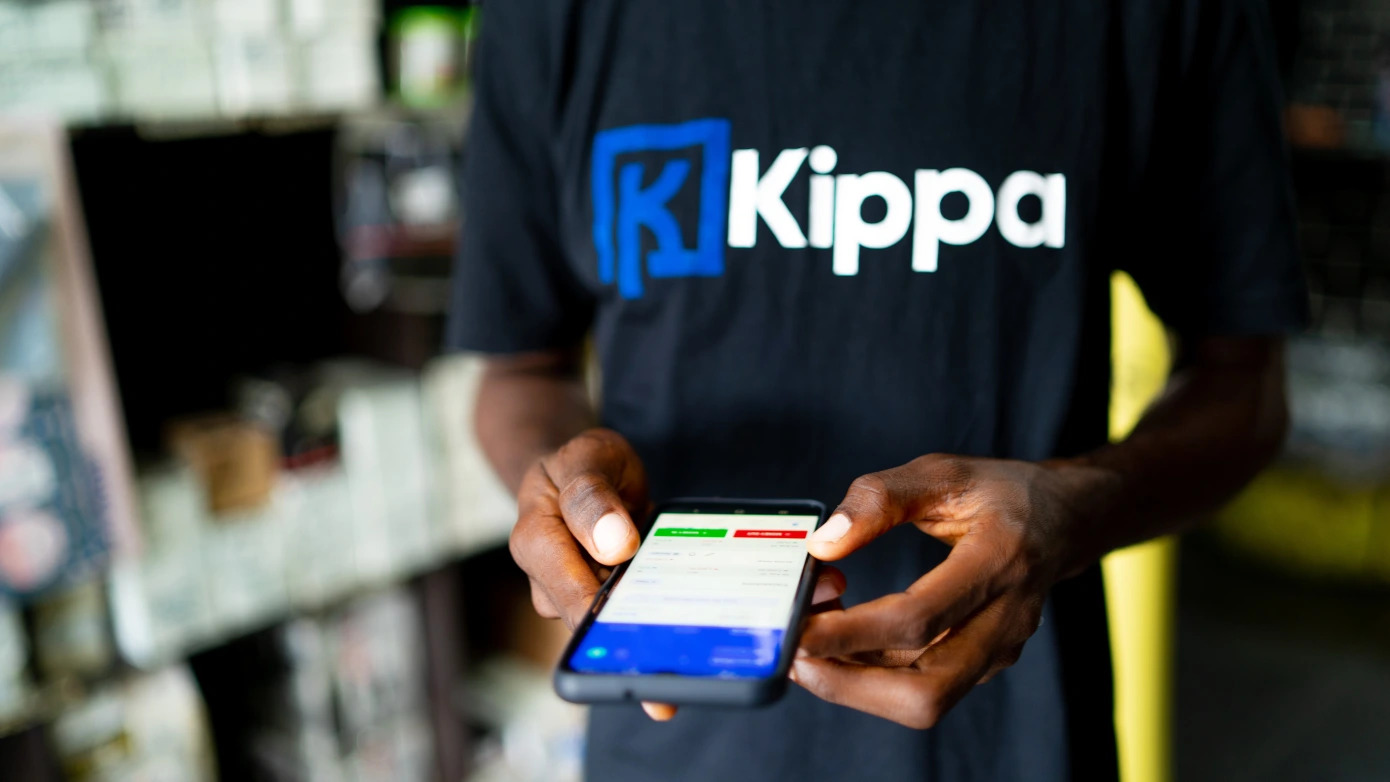
Kippa, the Nigerian startup founded with the aim of improving the lifecycle of small businesses across Nigeria with its financial management and payments platform, has raised $8.4 million in a seed round.
The startup provides digital business and financial management solutions to Nigeria’s small and medium enterprises (SMEs). It has garnered backing from international investors to develop products that will help SMEs grow their businesses.
The startup — launched last June by Kennedy Ekezie-Joseph, Duke Ekezie, and Jephthah Uche — received investment from backers such as Goodwater Capital, TEN13 VC, Rocketship VC, Saison Capital, Crestone VC, VentureSouq, Horizon Partners and Vibe Capital. Kippa said the investment would allow it to develop financial products that help SMEs grow their businesses and grow its team in Nigeria. Last November, Kippa announced its $3.2 million pre-seed from Target Global and other investors.
We have over 500,000 merchants on our app and there are a lot of opportunities for us to do more for them and provide more financial services. The super agent license allows merchants and typical neighborhood shops who already use our bookkeeping app into a one-stop-shop for essential financial services for their customers.
Said Kippa CEO Ekezie-Joseph.
Kippa allows small business owners to keep track of their daily income and expense transactions, create invoices and receipts, manage inventory and generally monitor how their businesses flow over time.
Startups have launched various bookkeeping solutions to digitize the operations of these small businesses in a traditional retail sector worth more than $200 billion alone in Nigeria.
According to Techcrunch, Last week, Kippa announced that it obtained a license from Nigeria’s apex bank, the Central Bank of Nigeria (CBN), to operate as a Super Agent, just like agency banking players OPay and TeamApt. With the license, merchants on the Kippa platform can, in turn, act as agents and offer financial services such as cash withdrawals and deposits, bank account opening, bills and utility payments, and insurance to individual customers who come to their small shops regularly to make everyday purchases.