
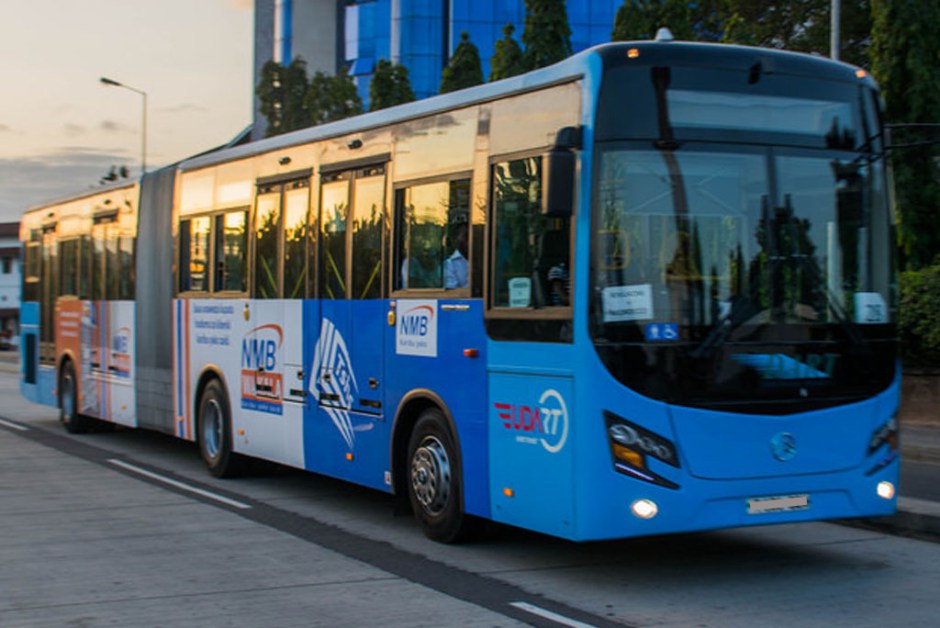
Lagos State has approved a 13 per cent increase in fares on Bus Rapid Transit (BRT) standard routes, citing rising operational costs and sustained inflationary pressure on the transport sector. The adjustment affects commuters using the regulated BRT corridors across the state and takes immediate effect.
The fare hike was authorised by Governor Babajide Sanwo-Olu following a review of the financial sustainability of the system. State officials indicated that higher fuel prices, maintenance costs, and general economic conditions have strained operators, making a price adjustment necessary to maintain service reliability and prevent operational disruptions.
Lagos’ BRT network is overseen by the Lagos Metropolitan Area Transport Authority (LAMATA), which regulates bus services and coordinates urban transport planning. The system forms a central part of the state’s strategy to ease congestion in a city of over 20 million residents, offering structured routes, regulated fares, and dedicated lanes in key corridors.
Bus Rapid Transit systems are designed to function as high-capacity, efficient alternatives to informal transport networks. By operating on dedicated lanes with controlled boarding systems, BRTs aim to reduce travel time, cut emissions, and improve commuter experience in densely populated cities. Globally, the model has been adopted as a cost-effective mass transit solution in rapidly urbanising areas.
For many Lagos residents, the increase adds to mounting financial pressures. Commuters have faced successive transport fare adjustments over the past year, alongside rising food prices and housing costs. While authorities argue the increment is moderate compared to broader inflation trends, regular users of the system are likely to feel the cumulative effect on monthly commuting expenses.
The state government has not announced whether additional fare reviews are planned this year, but officials maintain that the latest adjustment is intended to strike a balance between affordability for passengers and operational viability for service providers.