Moove, the vehicle financing company founded in Lagos in 2020, is shutting down its operations in Nigeria. On its way out, it is handing over cars worth about ₦35 billion to the drivers currently using them, at no cost.
The company says eligible vehicles will pass into the full ownership of the customers who operate them, with no further payment required for the cars from 1 October 2026. Every member of its Nigerian staff will also receive a free car. Moove is calling the gesture “Thank You Nigeria”.
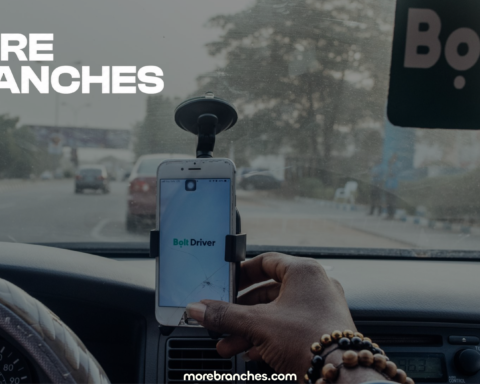
The exit comes a little more than a month after Uber, a major investor in Moove and its main operational partner, announced that it was leaving the Nigerian market. Most Moove drivers earned their income on Uber’s platform, so the ride-hailing company’s departure removed the foundation the business stood on. Drivers had already been asking Moove to cut their daily remittance from ₦18,700 to ₦12,000 after the Uber news broke.
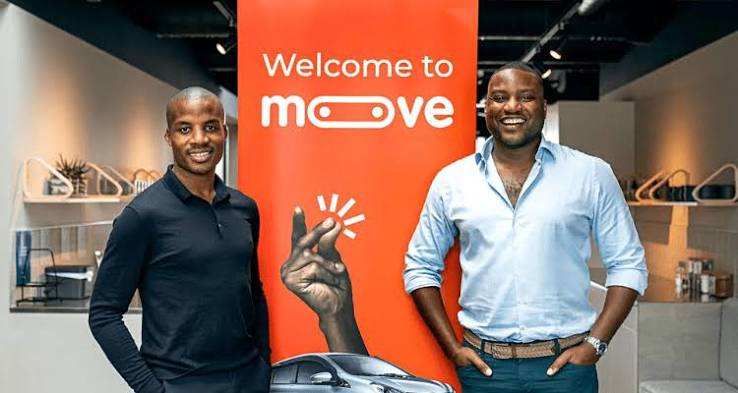
Ladi Delano and Jide Odunsi started Moove with 76 vehicles in Lagos. Their idea was to finance new cars for ride-hailing drivers who wanted to work but could not get a loan, and to let those drivers pay towards ownership from their daily earnings. The model grew into a business that now runs 42,000 vehicles in 29 cities around the world.
In Nigeria, the company says more than 9,000 customers used its drive-to-own and rental products, and that those drivers generated roughly ₦57 billion in revenue with Moove-financed cars.
Delano, who is co-CEO and chairman of the advisory board, described the announcement as a thank you to customers and staff. “Nigeria is where Moove began,” he said, adding that the company’s first customers trusted it when it was still an idea.
Moove has not given a reason for the shutdown in its statement. It also has not said how many vehicles qualify for the transfer or what makes a vehicle eligible, which means some drivers may not be covered. The company says it will work directly with affected customers and employees as it winds down and completes the handover. Moove will continue to operate in its other markets.