Not only are Russian troops and torment spreading into more Ukrainian cities, the transcontinental country has just defaulted on its foreign debt for the first time since Vladimir Ilʹich Lenin’s regime in the 1920s. Back in China, the economy is slowly recovering but news out of Beijing states that it is currently experiencing its biggest surge in COVID-19 cases since the start of the pandemic, with over 45 million people back in lockdowns as a result. The Russia-Ukraine tensions are on track to disrupt Africa’s wheat supply and heighten food insecurity in many parts. So much that the continent’s richest man Aliko Dangote has given a public service announcement warning Nigerians about what to expect.
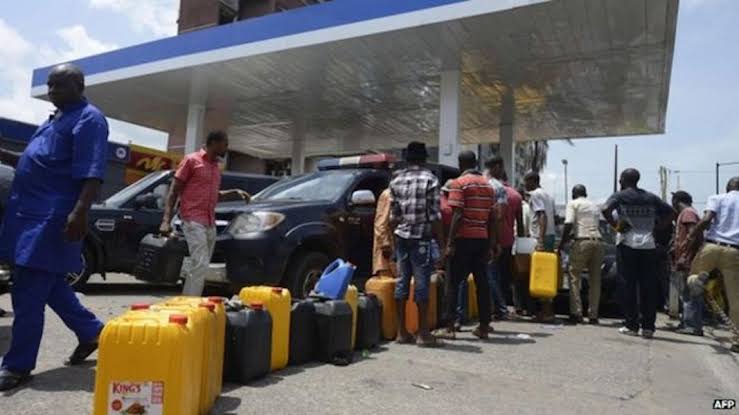
This brings us closer to home, no other place than Nigeria; where the national grid has completely collapsed with most parts of the country experiencing a black out. Considering the abnormality of things in the country, this shouldn’t be a big deal considering that the country hailed the record for the highest number of generators in the world. But a 3-week long fuel scarcity that has taken many commuters off the road, and even affected the aviation sector has put millions of Nigerians at crossroads, and threatens many economic activities.
One of the Pandora effects this has unleashed is the recent revelation from the office of the Auditor General of the Federation on how the Nigerian National Petroleum Corporation, a state-owned oil company has failed to account for over 107 million barrels of crude oil over the past year.
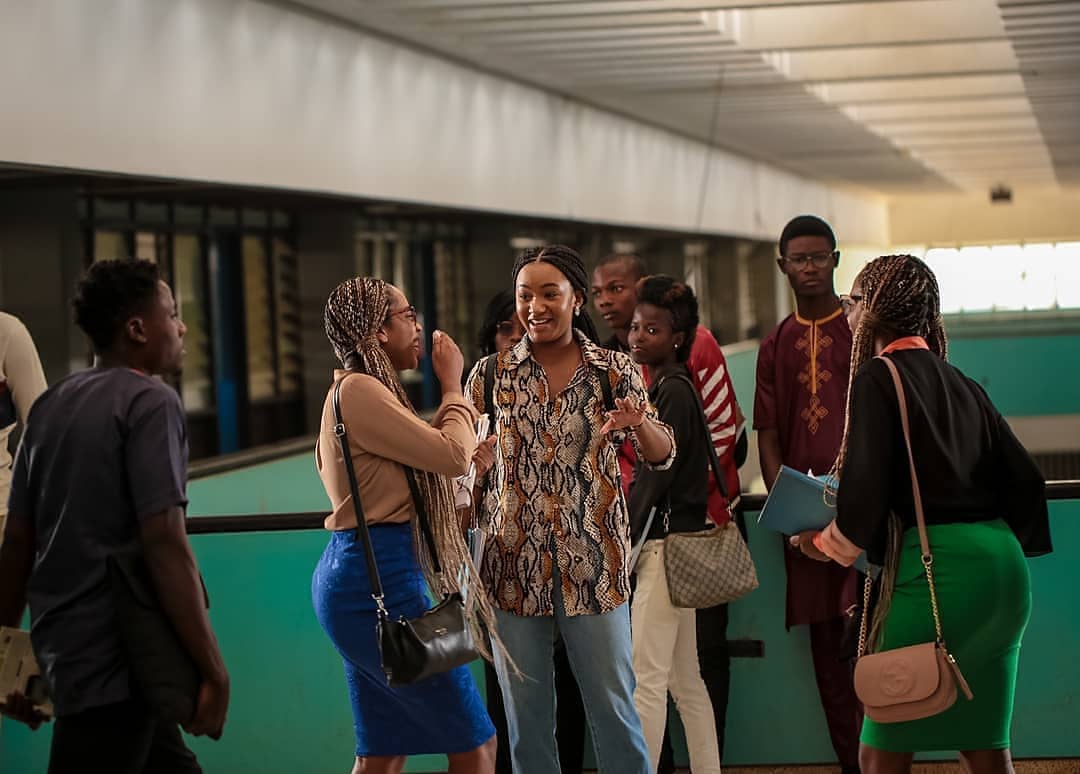
All of Nigerians’ problems can easily be solved if its younger, better-positioned, educated and digital savvy generations can successfully navigate their way to the corridors of power. It’s very easy to say, but the ‘leaders of tomorrow’ are still hoping the Academic Staff Union of Universities (ASUU) and the Federal Government settle their differences and meet the demands. With the look of things, that wouldn’t be happening soon as ASUU has extended its warning strike by another two months.
Naijalingo: JAPA’ a Yoruba-derived slang common amongst young Nigerians to describe their hopes of migration to greener pastures.
While those who can afford visa fees have been flocking embassies across the country more than key United Nations diplomats in the past few months, the U.K has just pressed the ‘halt’ button for work and study applicants in Nigeria, China and some other countries. The move according to the U.K Visa Immigrations Office is to accommodate Ukrainians in response to the ongoing humanitarian crisis. Murtala Mohammed Terminal 1 has fallen.
Honorary mention: today’s Goggle Doodle honours Ladi Kwali. She’s not just the viral woman on the backs of your N20 notes, she’s a Nigerian potter, educator and glass worker whose work brought the beauty of Nigerian art to limelight. See you again soon.
In a city as big as Lagos, an economic powerhouse and also a hotspot for Africa’s burgeoning entertainment industries, you tend to run into a lot of movers and shakers; people pulling strings and adding their bits to the larger picture not just on the gram, but in real life. From music artists, OAPs, media and marketing executives, actors, influencers, to name a few ––there’s a diverse network of people making things happen and putting their mark in the cultural books. It is also thrilling that young people are gradually taking up space in an ecosystem that has been fuelled by old ideas for too long.
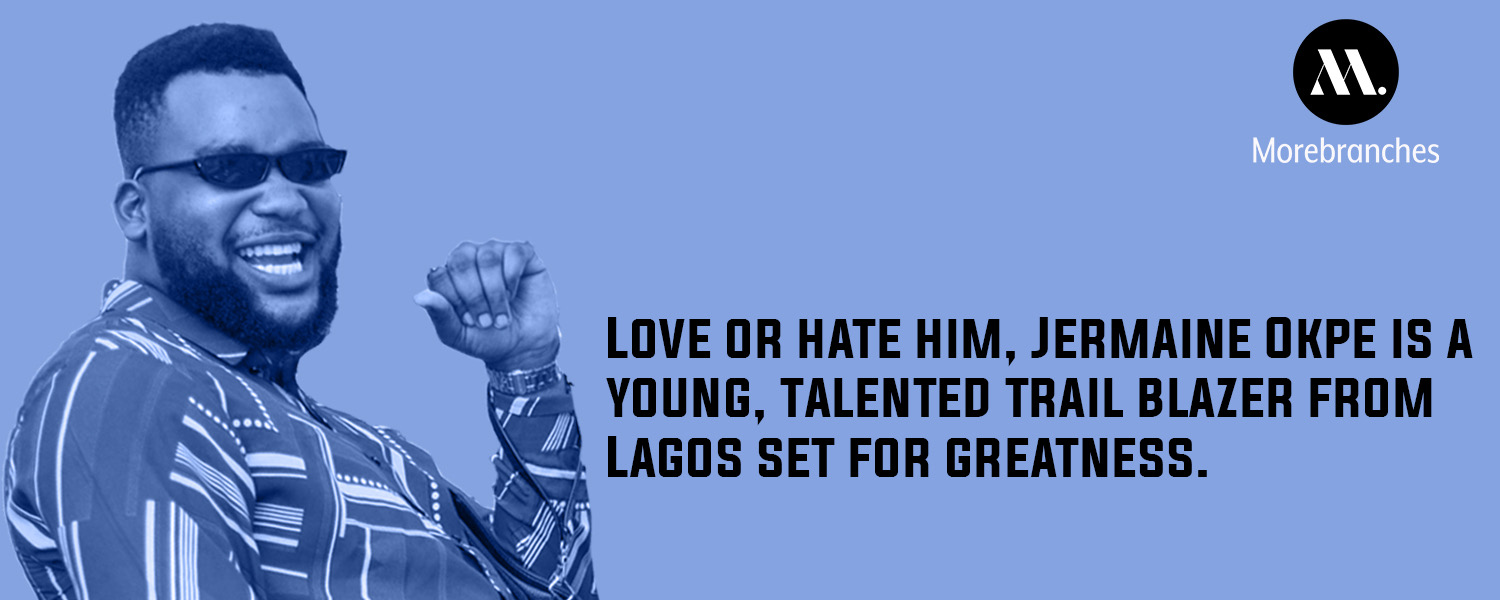
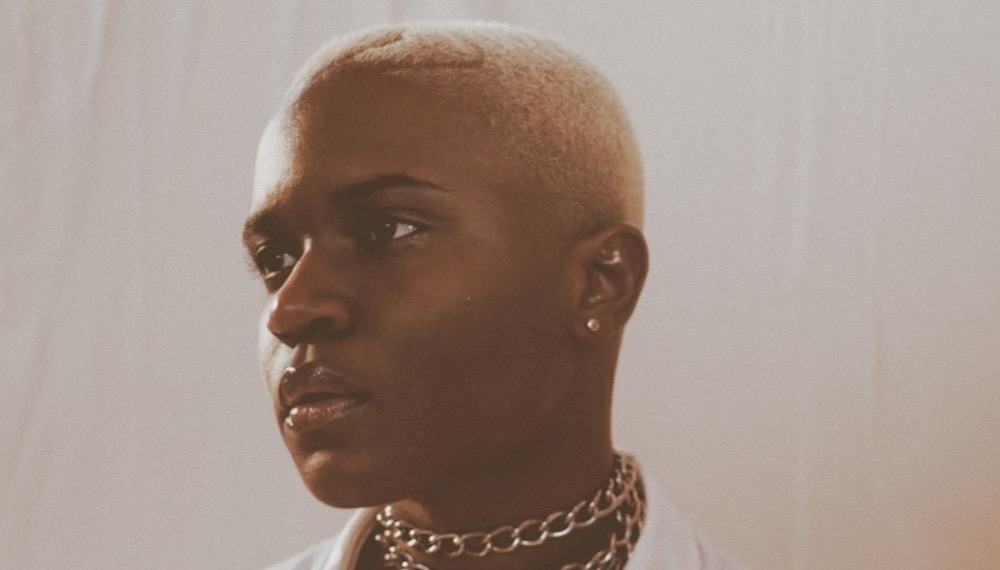
JermaineOkpe is one of the promising, young Nigerians disrupting his chosen field and defining what PR and influencing could look like for emerging generations and brands with base in Lagos. The first time I ran into him was at Club 57 in 2017, he was acquainted with my brother and so there was little introduction. Fast forward to 2020, we have become more than friends, but young ‘moguls’ building camps in Africa’s multi-billion dollar entertainment industry. Jermaine is no new name to many, if you haven’t attended one of his parties, either created or promoted by him, then you have come across his content, seen him in one of your favourite celeb’s story or even seen him get bashed by twitter vultures. He’s got a larger-than-life persona which hasn’t only boosted his journey so far, but also earned him a lot of haters and unsolicited advisors. But here’s the thing, Jermaine hardly pays attention to these comments or allow them weigh him down. As he would say on this 22nd birthday party a few weeks ago in an upscale lounge in Victoria Island “it is only what you pay attention to that bothers you”, he sips his drink and loudly whispers in my ear ‘dem go tire!”
In the thick of the virus outbreak, far before the #EndSARS movement, Jermaine and I sat for long hours and journeyed through his life, career and hopes for the future.
Read our chat below.
Tell us how you have you been keeping your head up since the beginning of the year, through the pandemic and other notable events since?
Thank you so much Korede for having me do this. First of all, I’m pretty sure this is the first time me or anyone in my generation is experiencing a pandemic. Yes there’s been Ebola but it wasn’t as crazy as this, schools weren’t locked, markets weren’t shut or churches closed. The only curfews we knew were the ones our parents gave us but it’s much different now. But so far for me I’ve had to go back into my shell and redefine myself, who I am and what I stand for. Especially because the things I knew or was used to like concerts, live shows et al are no more. So are you telling me Jermaine Media will stop to exist? I’ve had to diversify and find more of me. If that makes any sense. Now I’ve started a show where I interview entrepreneurs, influencers and creatives. It’s been running for more than three months and we have featured over 30 people. The aim is to be a voice for the youth and help young people air their struggles and wins.
I’ve also taken the time to learn new things. I’ve started cooking again because I took a long break due to nature of my work. I watch more TV and listen to more music now. There are still promotion jobs here and there but not like usual. Most of the work is online. But things are gradually opening up so I’m hoping for the best.
What has been your biggest lessons or mind shifts since then?
First one is that you must have more than one source of income so when one closes another can open. The traditional workplaces have been shaken; banks, schools, churches and offices were shut for a long time. Some are still not open. If my work wasn’t media or mostly digital I’d be so idle. Even with that I’m useless sometimes. Young people need to learn to use their skills or always want to do new things. No one knows tomorrow. It’s the 21st century and there’s so much that comes with that too.
Let’s talk about you – a young, vibrant and authentic blogger and influencer that has built a strong profile over the past few years. How did you get started, and also find your own voice in the entertainment and pop culture scenes here in Lagos?
I’m not a blogger actually. In no way. I do not report issues. I am a content creator, media personality and the creative director of Jermaine Media. We’re an entertainment platform that cover and promote shows, events and brands. Because I founded JM, I’m in the position toI talk on issues as they unravel but that doesn’t make me a blogger. But you know I don’t break stories except at events though (laughs out loud), I probably own most of the viral videos you see of events, no cap YKTV.
I started up 2016, March 25 to be precise, because I know the date. I’ve a willpower in me to be so much more no matter what. Then I was in a gap year so I was home all through. I was always doing a lot for my friends, hype their businesses, work with fashion brands, plan parties and all that. But it came to me to just start something big in the events scene. First event I covered was KONAMII 2016 and that’s really what brought me out because I captured memorable images from there. The beautiful thing about my brand is that it has evolved over the years. I started with photography, then I moved to video content at events, and now I’m doing events and PR for top brands and public figures. It’s been amazing I must say; there was no support at the beginning, most people ghosted on me or doubted what I was up to. I had to do all the networking myself and mind that the first two years were extremely difficult. I never gave up and now I’ve been able to find my voice and people are beginning to understand the brand better. I believe the youth are gradually taking over here in Lagos, Nigeria and I’m proud to be a mover and shaker in the scene. I also support and promote young, amazing talents from across the country. I absolutely enjoy it.
Describe your personal brand?
I’m moving towards being more of a media personality because I’m appearing in a lot of conversations now. Even videos, see the Mayorkun and Zoro videos I featured in. I’ve been doing a lot of airtime on radio and TV too. Also I love fashion, and I’ve a very good designer I’ve been working with Mori Apparel and most of the things I wear are from him. So I’ve been gravitating towards a lot of fashion lately especially because people are taking more notice of what I wear. Media is growing and it’s gone beyond me carrying the cameras. We’ve a full team now including a manager. I love doing events but I don’t mind doing appearances and charging based on pubic figure status you know. I just believe in life whatever you do, just do you. That’s what I’m doing, having fun and testing the waters. Oooh I forgot I’m a law student in my fourth year. Bowen university. So I’m definitely practicing law too. In the morning in my hotel room in orientals going through files and next thing I’m at the club popping martell at night. That kind thing.
You’ve also been throwing parties since like way back and you’re well involved in the Lagos night life. How are you able to juggle all of these with your education and personal life?
It started in 2015. ‘Rated X’ the first party I ever did at my home. It was a party for the young ones and it was really big, over 300 people in attendance. I feel like I’ve been connected to the youth and entertainment scene here in Lagos since then. I’ve been involved in so many big parties since. Nothing in this Lagos goes on without me getting invited. These days na me dey even turn am down. But we thank God for growth so far.
When did you realize this was something you wanted to do or build a career out of it?
For a long time I was just doing this for the sake of doing something. I won’t lie to you as a human being I had doubts. As at 2016/17 I was still having doubts. December 2018 was when I knew this was what I wanted to. I made a video of Tiwa Savage at Wande Coal Live and it broke the internet. Tiwa savage posted it on her page and it had more than 1 million views. There was another video with Wande and Burnaboy. His picture with Kodak too. Wande kept reposting my videos and crediting me. That felt good. Then there was Burna Live, Davido 30BG in 2018, the Wizkid VIP Experience. I made amazing content from those shows and it trended online. People would message ne to thank me for covering these shows because they couldn’t afford most of them. That was a really proud moment and it made me finally settle to do this. I was losing a lot of sleep this time while my friends were home chilling but I knew this was beyond me and something I had to do.
You literally know everyone and you’re always at the most of the biggest and exclusive events. How do you manage to keep these relationships or start new ones?
To be very honest that’s the best part. One of the biggest events I’ve attended was for Sijimoto, one of the biggest luxury real estate entrepreneurs in Lagos. He did the Davido Banana island residence. That particular event was for the la creme de la creme of the society. High flyers in the entertainment industries, governors, billionaires and then there was me, in one big room. It was a night if glitz and glamor. I made friends with Eku Edewor there, we’ve been good friends ever since. I also got on channels TV too. All of these pushed me build to start building my public persona. As for building relations, there are some people I just really love in the industry. Talk about Lola OJ, Mo Abudu, Funke Akindele. For years I’ve been digging entertainment and following these people on social island media. So it’s crazy to start being in the same room with these people. When I meet them I let them know how much I adore them, some of them even end up being my mentors I’ve made really good friends with Zoro too. I’ve a lot of celebrity friends now that I look up to and learn from.
What has been your experience working with brands, events and celebrities in the space?
It’s being a love-hate, bitter-sweet, cry-laugh situation. Some celebrities pay, some don’t. Some just promise you exposure. They want me to cover their events but won’t pay at the end of the day. Some have gone so well that I wish hey keep happening. It’s like 50/50, but so far it’s being good learning the game and knowing how to navigate more of this relationships or clients per se. You’re quite controversial in some circles which is a common thing for someone that does what you do. What are some misconceptions people have about you?
You’re quite controversial in some circles which is a common thing for someone that does what you do. What are some misconceptions people have about you?
I feel like I need to address this well. Speaking on controversial issues, I never plan to trend or get people attach me, I always just find myself in the mix because I have content on it or aware of the topic. Let’s take two issues for example that people have bashed me for my harmless opinions. Timini was trending for dating a 19 year old. In 2019 there was an event we were part of “The Lagos Party”. When they were leaving I made a thanks-for-coming video of them when leaving. So when he was trending for dating someone who was an adult, I just found it a perfect time to bring up the video again. And I quoted it with oh “wow this beautiful lady is Timini’s girlfriend, no wonder she was dodging the camera”. That’s all oh, and next time Jermaine is on everyone’s mouth. My point is I just have fun, I always have content but then expect people to consume it however way they want to. I’m not in control of that. Another was Solomon and these influencers, a group of friends who came together on my live show to talk about how they’re pushing the culture, at least that was the intention. All of a sudden they’ started calling out each other out and cussing. I started getting messages from my followers discrediting the show because it was meant to be a show to unite creatives but here they were. I had to speak on the matter later because I owed my followers an explanation. I’ve been involved it’s settling the disputes after all. I’m always in the position to talk on things cos I’m industry and I talk on what I have enough facts about. But people will always misunderstand you. I’m just doing my job. There’s a saying that “it’s not your job to preach the truth to people but when you see the truth it’s your job to follow it”. You can’t convince everyone so be yourself.
What’s the most memorable events you have covered?
It has to be Everything Savage in 2019. I got exclusive all access to cover the show from Tiwa’s management. It was amazing, they treated me so well and I got to meet a lot of people. I had Toke Makinwa, MsBanks, Teni the entertainer and more on my Red Seat show. They gave me enough room to use my creativity and I’m grateful for that
Also Ushbebe Live 2020. The only successful comedy show this year because it happened before the coronavirus break. I got to meet some icons in the industry and I made exclusive content too. The most memorable events for me are the ones where I’m allowed to create what I want. All access!
How do you grow your following?
My following always grows anytime I’m doing a project. Let’s say I’m doing my prom tour, I get a lot of high school students follow me . I get content from my coverage of December events in Lagos city. And then there’s my live show too that’s always bringing new or home to my page.
In your opinion, what makes someone influential?
It’s the ability to carry the crowd or make them believe your brand. To be a voice for people no matter how little and to lead. Not a lot of people can do that.
Do you ever feel attacked by people’s comments or perception of you?
Instagram for me is my safe haven. Even when I do things they don’t like they know how to correct me subtly. But you see twitter ehn, twitter people we have beef to settle. Anything I do they must complain. Do I feel like they’re being a bit too harsh? Yes of course. Do I think they should pipe down and let me do my job. Yes. They misunderstand me a lot and most of the things they come at me for, they don’t have the facts yet they will argue with someone who is closer to the source. They don’t know what’s going at all they’re lost Na we dey run things
What are some important qualities you hold on to keep you grounded?
Always speak our truth. Remember home and where you’re coming from. The final thing, let love lead.
You see any changes coming to events and influencer landscapes in Lagos after Covid?
Definitely. I believe after this pandemic, brands and agencies will go after the influencers who have channeled their voices well. For events I can’t really say because it’s dicey. There have been some changes lately though, more of drive-throughs and intimate events. Events will be upgraded and even much more better when they return. I’m really excited for the entrainment culture in Lagos by the time life is back to normal.
What piece of advice do you have for other young people seeking a career in the media/events/influencer sectors?
Be consistent. Know that flowers don’t grow in a day, they have to be nurtured and watered to become plants. Same as humans, you need to give whatever you are doing time to grow and improve. Have a mind of your own. Do not listen to what people have to say if not that will derail you. You’ll start overthinking what people say and let it influence your decisions. So be careful with that. I keep saying it, so you.
How do you maintain your authentic voice in your channels while still partnering with brands?
You don’t have to work with every single brand that comes your way that’s Ymir you being silly it’s just being selective of the brands that reflect who you are and useful for your audience. I luck brands that relate to me or the things I do. That works for me.
Are you working on any project(s) right now that you’re excited to share?
I’m not allowed to share some though but know big things are coming. With my live show already running, know that’s going to be bigger. We will take it out of Instagram and even reach more creatives across the continent.
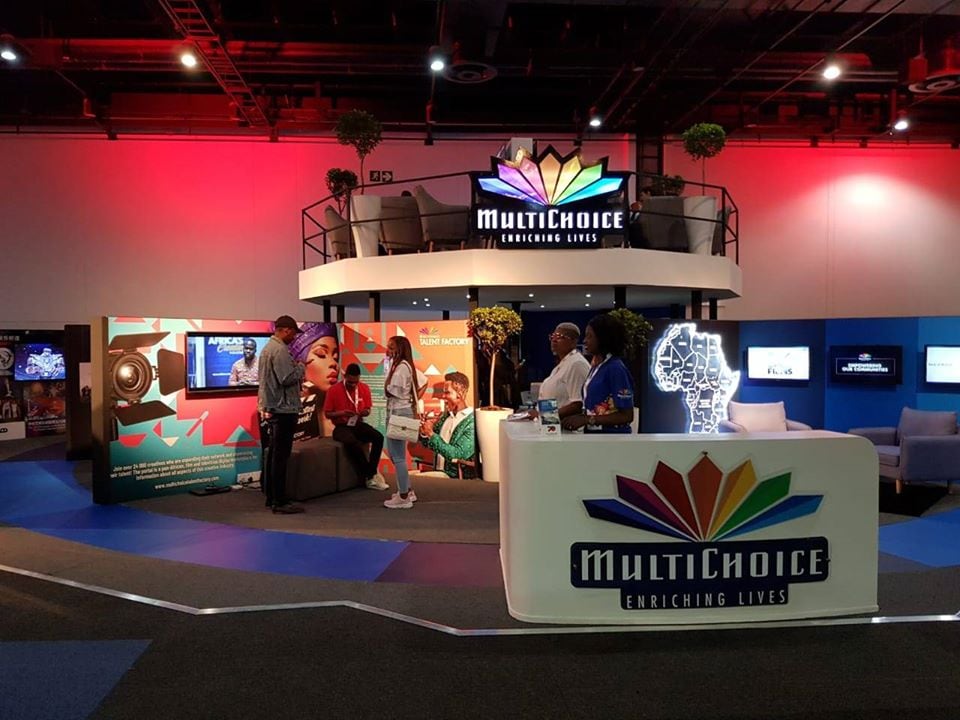
In 2019, France’s biggest PayTV company Canal+ acquired ROK studios, one of Nollywood’s biggest production houses and this signalled the company’s interest to expand beyond Francophone Africa. On Thursday, the continent’s leading entertainment group and owners of GoTV and DSTV, Multichoice announced that french pay-television giant Groupe Canal+ has continued buying up its shares, so much so that its stake has doubled to 12% in the past month.
Vivendi, the conglomerate that houses Canal+ has been buying MultiChoice shares since April and they only had to disclose their position after they had bought more than 5% of the company’s ordinary shares. MultiChoice shares rose to a record above R140 this week after Canal+’s buying spree and speculations that some sort of bid for the pan-African pay-TV group – hostile or otherwise might be on the cards soon. According to TechCabal, Vivendi has a reputation for hostile takeovers, often buying minority stakes in the company first, before making takeover bids. It could very well be the play here.
“As a publicly held company, MultiChoice regularly engages with its strategic partners and maintains an open dialogue with the investment community. The group’s policy is not to comment on its individual shareholders nor on its interactions with them,” MultiChoice said in Thursday’s statement. “The company remains committed to acting in the best interests of all shareholders and to create sustainable long-term shareholder value.”
Canal+ said at the time that the move was a long-term financial investment and testament to the confidence that owner Vivendi has in MultiChoice and the African continent.
Before the pandemic wave hit earlier in the year, news broke that award-winning Nigeria filmmaker Kunle Afolayan was shooting his new movie Citation in Ile-Ife. The reveal of popular Nigerian Youtuber and social media sensation Temi Otedola as the lead character on her acting debut made the news even more exciting. She plays ‘Moremi Oluwa’ a postgraduate student facing the university’s disciplinary panel over allegation of sexual harassment from one of the most popular lecturers on campus, Prof. Lucien Nd’yara played by Jimmy-Jean Louis.
One of the biggest movements that have erupted from 2020 is the conversation around rape and sexual harassment, of women mostly, especially in educational institutions. Nigerian journalist Kiki Mordi put the spotlight on this dilemma in her Emmy nominated documentary for BBC Eye ‘Sex For Grades’ indicting two lecturers in University of Lagos and the University of Ghana who were predating on younger, female students in exchange for good grades.
It’s great to see Kunle Afolayan bring this scathing issue to the mainstream again with Citation, which has been described as a pending blockbuster focused on educating young people on ways they can tackle sexual-based crimes in universities.
Another highlight from the recently released trailer is the unveiling of Mrs Ibukun Awosika, a serial businesswoman and Chairman of First Bank of Nigeria, cast as dean of one of the university’s faculties and head of the senate disciplinary committee. That really did take a lot of people by surprise.
The entire movie was shot in Obafemi Awolowo University, Osun State and it also stars several Nollywood gems including Tunde Babalola, Joke Silva, Sadiq Daba, Gabriel Afolayan, Ini Edo, Adjetey Anang, Yomi Fash, Seun Kuti, amongst others.
You cannot talk about the new crop of emerging artists from West Africa pushing their sounds and art beyond borders and the formulaic Afrobeat, without mentioning Ama Serwah Genfi –– the 25 year-old Ghanaian singer popularly known as Amaarae.
Her especial music which combines an experimental mix of neo-soul, buttery vocals, pensive lyrics and African drums is sonically tailored to evoke and challenge norms and traditions, particularly around sex and body positivity. Her 2017 six-track debut EP, Passionfruit Summers earned her recognition from Apple Music, which named her Africa’s Favorite New Artist in April 2018 and a featured artist for Apple Music’s Beats 1.
Amaarae is giving us a sneak peek into her forthcoming body of work Angel You Don’t Know, with the release of Leave Me Alone–– a song that touches deep on freedom, space and self care. According to the singer, “Leave Me Alone’ is a freedom record. It’s just about wanting to live your life and be left to do so, there’s so much going on in the world right now. We all need a break — or some form of escape and this song speaks to that desire. It’s about having the space to breathe, process and get your mental and emotional states right.”
Blending paced vocal runs with silky smooth cadences, every note on this song is easy on the ears and relaxing as can be. Between the musicality of her art and the incredible, complementary presence of her visual aesthetic which is always evident in her videos, Amaarae is firing on all cylinders right now, so don’t sleep.
Founded in 2012 by Dave Macli and David Ponte, Audiomack is a youth-driven, artist-first music streaming platform that allows creators to share unlimited music and podcast content for free, along with tools to help them expand their audiences.
The platform is focused on emerging artists and scenes including Hip-Hop, Electronic, Latin, Reggae, and most recently Afrobeats and other and emerging genres. Audiomack has played a pivotal role in the careers of some of today’s most popular hip-hop artists, including Young Thug, Migos, A Boogie Wit da Hoodie, 21 Savage, Juice WRLD, and more.
By leveraging a hybrid combination of in-app subscription and advertising to monetise the mobile app, the global streaming service crossed 1 billion monthly plays in January 2019, after which it introduced a premium tier offering at $4.99/month and a monetisation platform to help creators on its service get paid.
In the past few months, Audiomack has also doubled down on visibility snd partnerships in Africa and with artiste]s leading the scenes. Because it is free, Audiomack makes a great fit for the African market and is well positioned to dominate the market–– where illegal music downloads and piracy account for the bulk of music consumption.
Audiomack is already available in all 54 African countries and currently tops the chart as the No. 1 free music app, the No. 6 free app overall (after Facebook’s suite of apps and Snapchat) on Apple’s App Store in Nigeria. The company recently announced its expansion move with the launch of a new office in Lagos and 3 new hires that will oversee operations across the continent: Adeyemi Adetunji (Head operations and commercial partnerships), Charlotte Bwana (Business development and media partnerships) and Olive Uche (Content strategy).
It’s without doubts that Audiomack has arrived Africa at the right time ––when Afropop and other sub-genres is experiencing a golden moment of global acceptance and consolidation. Although they will have to battle Chinese owned Boomplay, which already leads the market with 42 million monthly active users, Apple Music and Spotify, top US-owned platforms, both of which already have bureaus running in South Africa.
“Audiomack from inception has always been a key partner for the African creative,” Nasty C manager and Africa Creative Agency co-founder Colin Gayle said in a statement to Billboard. “The platform has been key in amplifying our clients…and has a clear understanding of the market and audience. And now with boots on the ground, Audiomack is poised to change the game forever.”
We look forward to see how this trio will push ground making initiatives and offers that African creators can build on on and altogether bolster monetisation and industry advancements.
There’s an exhilarating feeling that comes with discovering a new artist or sound for the very first time. You want to hear the song over again and listen to more music by the artist. That novelty is quite thrilling.
In Nigeria, the epicentre of West Africa’s infectious sound, Afrobeats, its reach rampantly spreads like the population does. The music has almost become the de-facto antidote to the struggles that come with living in a third world country.
Not only is Nigeria one of the biggest consumers of music, it also ticks the box for being a major music-production powerhouse. Young Nigerian artists discover the joy music brings and hatch this passion which evolves into a music career.
One can kickstart an independent music career from the four corners of a bedroom. The respective ease and reach of streaming services and social media presents a unique autonomy to current independent and budding artists.
As the music industry landscape continues to change and evolve, so has the talent that comes from each genre. Each of these artists vary in sound–gritty rap, afro-hop, soulful R&B to rap music –– and are on their way to becoming music’s next big things. They range from SoundCloud sensations to artists getting co-signs from Mr Eazi and international record labels.
Still, the local music scene is very much male-dominated, and it is rare to see women, asides from the big 5 –Tiwa Savage, Yemi Alade, Simi, Teni and Niniola –– rise to the top of the charts or break out of this androcentric trend. However, the next generation of African stars have signaled a desire to bring balance and create a new pop narrative.
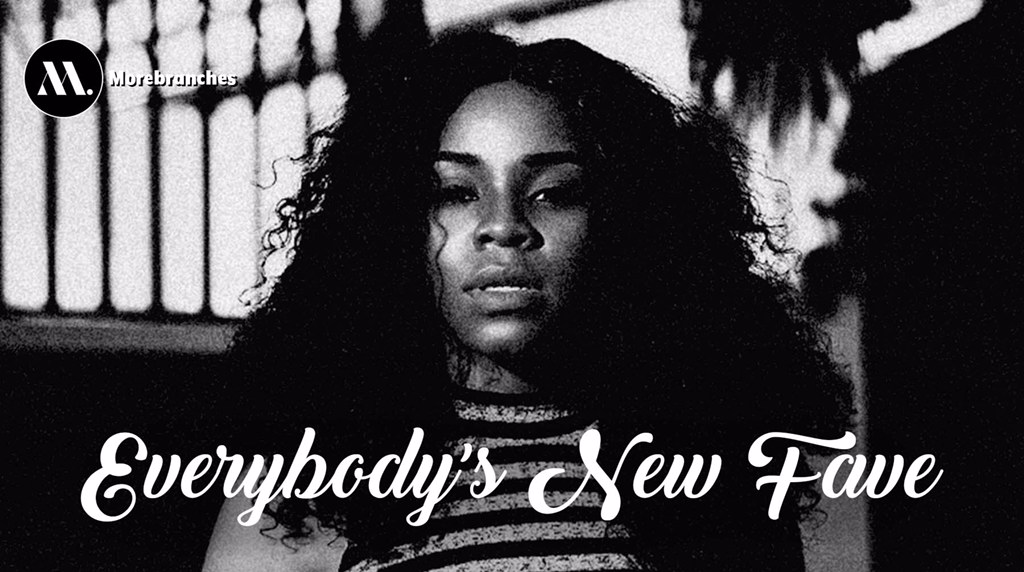
Through creativity, self-awareness and vulnerability, more young women are rising to the task, breaking the ranks and making the future of Nigerian music an exciting prospect. One of these new exciting acts is 19 year old Chidozie Godsfavour Ugochinyere, professionally known as Fave.
The relative newcomer first tasted limelight when she jumped on a free beat shared by Jinmi Abduls on Twitter. In her freestyle video she effortlessly synced melodies over one of Jinmi’s groovy beats and accidentally became a viral sensation. This moment helped expose Fave to new audiences and fans, including a few entertainment executives enthusiastic about her artistic prowess.
The freestyle was later released as a proper record titled N.B.U (Nobody But You) and recently crossed the 100k mark on Apple Music. A big deal for a fresher doing music in a country where the majority of people haven’t cozied up to paying for content.
To be clear, Fave had already made a statement prior to now. She had two singles out –– ‘M.O.M.M.S’ which got featured on three Ndani TV shows, and ‘DAL’ her 2020 debut.
Fave is undoubtedly poised to join the distinguished group of new-gen Nigerian R&B prodigies trailblazing the music industry. In the calm before this storm, I spent some time with her over the phone during the heat of the pandemic.
MOREBRANCHES: Hello Fave, where does this interview find you? Is there music playing in the background? If so, what is it?
Fave: Hello! I’m currently munching on something and there’s no music playing. Just enjoying the quiet.
What music gets you instantly out of a bad mood or one song you are loving more these days?
Fave: It has to be Beauty by Bez, very nice and catchy song. SBCNCSLY by Black Koffee too. Heard it recently and I haven’t stopped listening to it. Literally the first thing I do when I open my app.
Growing up, was music always a big part of your life? Can you recall your earliest musical memory?
Fave: Yes music has always been a big part of my life, I’ve always been a chorister since 6. That’s the qualifiable age to join the choir in my church back then.
What made you finally decide to embrace your passion for music and put that on display?
Fave: hmm… that’s actually deep. I just finally made the decision, like fuck it. Everyone knew I liked music including my parents. So I guess its something that didn’t stop coming. There are some things we enjoy doing as kids and when we grow up we outgrow them, but that wasn’t music for me. It just happened so. When I found out I could make music in room, I was in school at that time. I heard a beat and I was just like no I want to jump on this. Studios were quite scarce there because I schooled in OAU, Ife. So I hooked up with a mate who had a studio, hit him up like ‘hey how much will it cost for a session’. We concluded on a price and that’s how M.O.M.M.S came about.
I didn’t like that every time I told someone I could sing and when they asked for proof, I had nothing to show for it. But M.O.M.M.S was the beginning of something. I didn’t plan to take it seriously, I just wanted to put it on Soundcloud and Audiomack. Even the producer was like ‘why will you just want to put this song out without a strategy, it’s a really good?‘ and all that. I just wanted a link to send to people. But when it was released, people really loved it and I had to put up on other platforms.
You showed up to the scene as a professional artist about 10 months ago, how has your experience in the Nigerian music industry been so far?
Fave: well I’m probably just scratching the surface. I don’t really know but I have come close to realise that when you adore something, it’s just best to watch it come closer. People aren’t really what they portray themselves to be. I have always been told that the industry was a dangerous place but I didn’t know it was this serious. There’s a relationship network there, so you have to walk on eggshells and not piss anyone so you don’t lose any contacts. Just do your own bits. But meeting new people has been nice anyway. I don’t really know if i’m fully in the music industry yet, I just record my songs and put out and God helps me get the songs to places it should get to. I don’t think I’ve done promotion for any of my songs. No I actually haven’t. People just find it, love it and promote it. I’m really enjoying my twitter fam right now because ‘e be like say they carry my matter for their head.’
Like when N.B.U freestyle came out, because it was already anticipated, people kept on retweeting and gushing over how much they love the song, and till now no promotion. I don’t know but you can’t say I know someone in the industry. I’m really just moving with God and vibes. I can really say much about the industry but the journey has been rough, people say you need to lick ass, act like a moron and all.
Sometimes you know people are just moving with you to get a share of something, it gets boring sometimes and you just want to quit and focus on school. But because music is a passion for me, it’s that one thing in this world that makes me super super super happy. There was a time where I almost quit because I will enter for instagram video challenges but I never won. Fully knowing that the winners were no where near me musically and it just sort of affected my self esteem. Telling people to repost or retweet my songs. It’s embarrassing.
Even when I make mouth that I’m never doing it again, I wake up the next morning and find myself writing. My friends love my music too so they are always encouraging. I will say am not doing and my friends will be like ‘is it not you hmmm, you’ll go back to it’.
Before putting out the freestyle video of you singing on Jinmi Abduls beats, have you had any work relationship with him prior to that?
Fave: No, jinmi Adbuls wasn’t even following me. We weren’t following ourselves I guess. I knew him but there was no relationship before then.
How did you feel when the video was blowing up on the internet?
Fave: It was amazzziiing! You know it’s different when you have planned towards something or you haven’t slept days and nights because of it? You already have the mindset that you want people to be blown away and appreciate the work. It feels nice yeah, but it is completely different when you just wake up one morning and write four lines with no plans, just felt it sounded nice, put it up on social media with hopes that about 30 people like it and share. And when that happens, it turns out that people not only like it, but are obsessed with. Post it on their walls, hype you up, use the song for skits, make their own covers and even ask you for more. It is so refreshing.
My mind was blown honestly because I wasn’t expecting the reception I got I just kept thanking God. I felt like my type of music appeals to many people and makes them happy. N.B.U went to places I didn’t expect, I felt loved and it felt so good can’t lie. It got me recognition from influential music heads, the public ones like Empawa, Adekunle gold and there’s more in the DMs that am not allowed to say. It’s funny because I can say that freestyle video changed my life. Who would expect a one minute video I did in my bedroom to do that. It’s a story I can’t stop talking about, its like that story, my own story!
Let’s talk about your N.B.U as a record on its own, what influenced the music, is there a story behind?
Fave: not really, there is a story but it’s not my story. I like to write about stories that people can relate with. I come up with the lyrics in my head but it doesn’t really mean I have experienced it. You don’t have to before you can sing about it.
I’ve probably never written a song that was born out of a personal feeling at the moment, never let my feelings influence my songwriting I don’t know why. It’s like most times the beat influences what I sing about. That’s how I set the pace for the song. When I hear the beat am like okay, what do I want this music to be entered around. For N.B.U, the first line that came to my head was ‘if I fly away and go hunting will you come with me’, from those words, it was easy to know what the rest of the song would be about. More like a lover asking the other for assurance or reassurance. Will you follow me if I want to do this, am I on my own on this one or will you bail. I guess that’s the story behind.
Do you have plans to push the song even more, let’s say make a video?
Fave: I don’t have plans to push the song, but speaking about a video, I do not have the right answer now.
When do you hope to put out more original new music and full-length album of new songs? Are you currently in the studio working on music?
Fave: No I am not working on any music, I am isolating at home. I deff want to put out more music in the future but I’m not in the studio right now. Still don’t mean because i’m aways working on new music
How did you feel when your songs got featured on NdaniTV’s shows?
Fave: It felt great, I felt good at least my songs were on TV even if I wasn’t. I was happy that people were hearing my songs and hiting me up like ‘yo! I heard your song on Ndani kini kan kini kan’. I got some satisfaction knowing that they identified my sound, they know my song and they were ready to share with the world. It made me happy.
You had a viral concert with Social Block Party a few weeks back, how was the experience? Getting on stage but reaching your fans via the internet?
Fave: It was really great, I felt like I was actually there. The MC guy, Livewire has a way of hyping and helping you connect. He is very lively and made me feel like it was really happening. The whole experience was really nice and people kept asking me to sing more songs but the network kept messing up.. I enjoyed it for real
Who are some of your favourite artists, who inspires you and your sound? What musicians would you absolutely love to work with in the future?
Fave: My favourite artist that continues to inspire me is Teni. I love her music but it doesn’t inspire me. I love her as a person, as an individual. She speaks to me and I’ve been following her since before Fargin. I always loved watching her freestyle video at that time because she was so original and happy. She enjoyed what she was doing, without thinking about what people will say. She’s just very jovial and lives a kind of life –– ‘state and shame unto you all power belongs to Jesus’ that type of thing. I just see her stuff and am happy. She may not have said it but she just gives that type of do what you like and be happy vibes. I don’t think there’s any artiste in the world I admire as I admire teni when it comes to personality
Which musicians inspire my music, I will say Adele, Sia, Shaggy and Lana and Lorde. There’s a bunch of them but that’s top top. Always been listening to them from like let’s say 10. Adele most especially influenced my sound a lot. My favourite artists are Wande coal, Duncan mighty, Santi and Billie Ellis. I will love to work with Santi, Burna Boy, Kida Kudz and some British artists I rate dearly.
Tell us about your creative process. How do you create, are there any rituals per se? Do you write first then create the melody? Or you write to the melody?
Fave: My creative process okay, sometime I’m just on my own and lines come to me so I grab a note and put down melodies. I also get my phone and record because I’m really forgetful. But that’s different, if I get a beat in my mail, I record immediately I listen to the beat cos I have a recording app on my phone so when I’m done, I go back and play and try to restructure a few things to make it make sense. The is a process I haven’t done in a while though. I kinda outgrew that process. I started writing and singing while the beat is playing and rinse and repeat. So I do both simultaneously, its like a two way process. Its even faster and easier for me.
What do you hope fans take away from your music?
Fave: hmm thinking about it, I really don’t know how to answer this question. I just want people to relate and resonate with all of my music. I also want my fans to be able to identify my sound anywhere, because the originality and style. For them to also understand music is what I love to do and its my life and you listen to it with the same passion with which its born.
We will love to know more about your other interests.
Fave: Music is my life, like from 1 to 10, music comes like 9 times. What will come next will be painting, not like i’m that good or I’ve a plain brush canvass and all. While people use their toes to paint and all that put your legs in kitchen sink, I just grab my paper and pencil and or some draw with a design app I use. I do it in my spare time I probably should take it more seriously.
I’m a law student in school so that should probably be my interest but it is not. I’m just doing that because I need to go to school. The rest are songwriting and going to the studio. I want to be able to make beats and all, all my interests encompass music so that’s just really it for me.
In terms of your artistry, do you think you approach this year is any different than you did last year?
Fave: I do not know but I will say yes. I wasn’t really doing freestyles last year. I haven’t really told people the but I never really enjoyed putting this out. When I started music my aunts will be like ‘upload your covers and puton instagram, tag Davido and mayorkun’ and all of that. I will sit down and try recording and then I start feeling anxious.
I also had issues showing my face cos I felt I looked scary while singing. Those were the major issues. I also realised I enjoyed singing my own lyrics rather than do covers because its my own zone. When I grew out of that, it was now the whole face problem but that’s over now. I realised I couldn’t record all the songs at once so I just converted some to freestyles and put it out. Now I know more producers than before so we’re always vibing and becauseI’im always delivering, I have so many songs in my archives. I enjoy freestyling and I don’t think am stopping soon. It’s really stressful cos for every freestyle I put out, I do like 20 videos lol. I don’t message people no more to retweet, I just focus on my originality and delivery.
Close your eyes and picture what your career looks like in 5 years from now. What do you see?
Fave: (**excited**) I see success. I see growth honestly. I definitely don’t see my self at this stage that am at in another five years. I see myself doing so much bigger, many collaborations and of course, on the big stage.
Any inspirational quote or mantra you live by especially in tough times like this that you will like to share with your fans?
Fave: I’ve one yes! Tough times never last only tough people do. I know its from a meme video but its just always coming to my head. It’s real, like seasons come and go, and you’ve to be solid to withstand it, you’re not shafts so you shouldn’t be easily blown away, don’t let anything that comes influence your stance and never give up because things are hard. It’s my philosophy
There’s another one, just be you and do you, its the best advice. The reward of your hardwork will always find you.
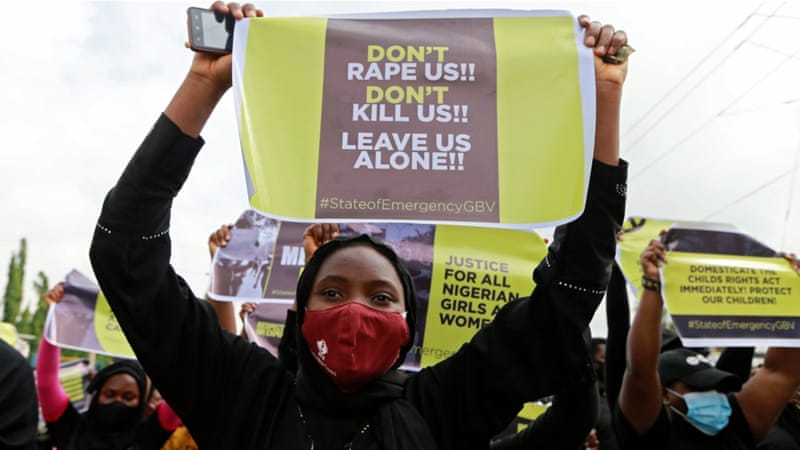
In more recent years, the idea of rape culture has received much more attention, including from mainstream outlets and social media campaigns led by feminists and initiatives championing the voice of a new generation of women who fearlessly share their stories of sexual violence on social media and other digital platforms, confronting established limits on talking about rape and making sure that perpetrators are brought to book.
The pandemic has also been a golden ticket to open up society’s mucky cans of racial injustice, inequality, LGBTQ+ rights, domestic violence and other deviant issues in today’s world, coupled with recent gruesome happenings in Nigeria; some of which include the death of Vera Uwaila Omozuma, a 22-year-old university student in Edo State, who was recently found dead in a church after being allegedly raped, 18-year-old Jennifer who was allegedly attacked and raped by a gang of five men in a small village in Kaduna state and the arrest of 11 suspects in Jigawa state who allegedly raped a 12-year-old girl.
Around the world, rape and sexual abuse are everyday violent occurrences affecting close to a billion women and girls over their lifetimes. However, despite the pervasiveness of these crimes, laws are insufficient, inconsistent, not systematically enforced and, sometimes, promote violence. By any measure, gender-based violence, including sexual violence, is being inflicted on women and girls in epidemic proportions.
Rape Culture affects every woman. The rape of one woman is a degradation, terror, and limitation to all women. Most women and girls limit their behavior because of the existence of rape. Most women and girls live in fear of rape. Men, in general, do not.
Over the years, perpetrators of rape have continued to enjoy the crime because the our laws protect them and the burden of proof always lie only with the victims. Violence against women is partly the effect and the result of gender inequality, because men believe they have both the right and the power to do what they want: they don’t just see women as property that they can manage and order about, they also see that this is their right as men to do so.
When we talk about victims of rape, we say ‘it could be your mother or sister or daughter’. We rarely say ‘the rapist might be your father or brother or son’. This is subtle normalisation of rape culture and sexual violence against women in our society has also been silently excused in the media and popular culture, which is mostly dominated by men themselves. But now, with the social debate that has been generated, it is time for the institutions to take measures, and for every one of us, men especially, to effect change.
What Men should know
The length of someone’s skirt is not an indication of whether or not they would like to have sex with you. The tightness of clothing is not an indication they would like to have sex with you. Flirting is not an indication that they would like to have sex with you. If a person is not vocally giving you an invitation for sex, they probably aren’t asking for it. If someone is clearly intoxicated, that is not an invitation for sex.
If you have to convince someone to have sex with you, you probably should not be having sex. Sex needs to be consensual for both parties to enjoy. No means No, and even when you’re granted consent, it can be withdrawn at any time and you must respect that.
For the men who think they are more disciplined to always keep it in their pants bu still shame victims, you need to understand that gaming survivors is wrong because the only one responsible for rapes are the rapists themselves. People are often more concerned about what the survivor wore, whether or not they were drinking, or what the survivor told the perpetrator before the rape.
Victim blaming is an umbrella term that denotes any actions or words that suggest or state that a victim of a crime, in this case of sexual nature — is to blame for what happened to them.
Why should men care about sexual violence?
Men Rape –– males commit the majority of all sexually violent crimes. Even when men are sexually victimised, other men are most often the perpetrators.
Rape also confines men –– when some men rape, and when 80% of those who are raped know the man who attacked them, it becomes difficult to distinguish men who are safe from men who are dangerous, men who can be trusted from men who can’t, men who will rape from men who won’t. The result is a society with its guard up, where relationships with men are approached with fear and mistrust, where intimacy is limited by the constant threat of violence, and where all men are labeled “potential rapists.”
Men Know Survivors–– at some point in every man’s life, someone close to him will likely disclose that they are a survivor of sexual violence and ask for help. Men must be prepared to respond with care, sensitivity, compassion, and understanding. Ignorance on the part of men about the situation of rape and its impact can only hinder the healing process and may even contribute to the survivor’s feeling further victimized. A supportive male presence during a survivor’s recovery, however, can be invaluable.
Men Can Stop Rape –– rape is a choice men make to use sex as a weapon for power and control. For rape to stop, men who are violent must be empowered to make different choices. All men can play a vital role in this process by challenging rape supporting attitudes and behaviors, and by raising awareness about the damaging impact of sexual violence.
We’ve normalised sexual assault against women because it happens so often, but we forget by normalising this, we allow individuals who do this to keep doing this. It contributes to women being objectified, and it contributes to the notion that women are there for a man’s pleasure.
By saying “boys will be boys,” we give men the excuse to act in an unbehaved manner and write it off as typical men’s behavior. Saying this perpetuates what is expected of boys, and that it is okay to be aggressive because it’s “boys will be boys.” You are excusing boys from their aggressive behavior instead of teaching them how to respect those around him. We let his actions go without consequence. Telling girls “he does that because he likes you” tells her that when a man is violent with you, it is because he loves you.
Men have mouths, if they like you, they can express their feelings. Stop telling girls a way boys show affection is through violence. It instills this mindset that if in an abusive relationship, he abuses you because he loves you and he just doesn’t know how to express his emotions.
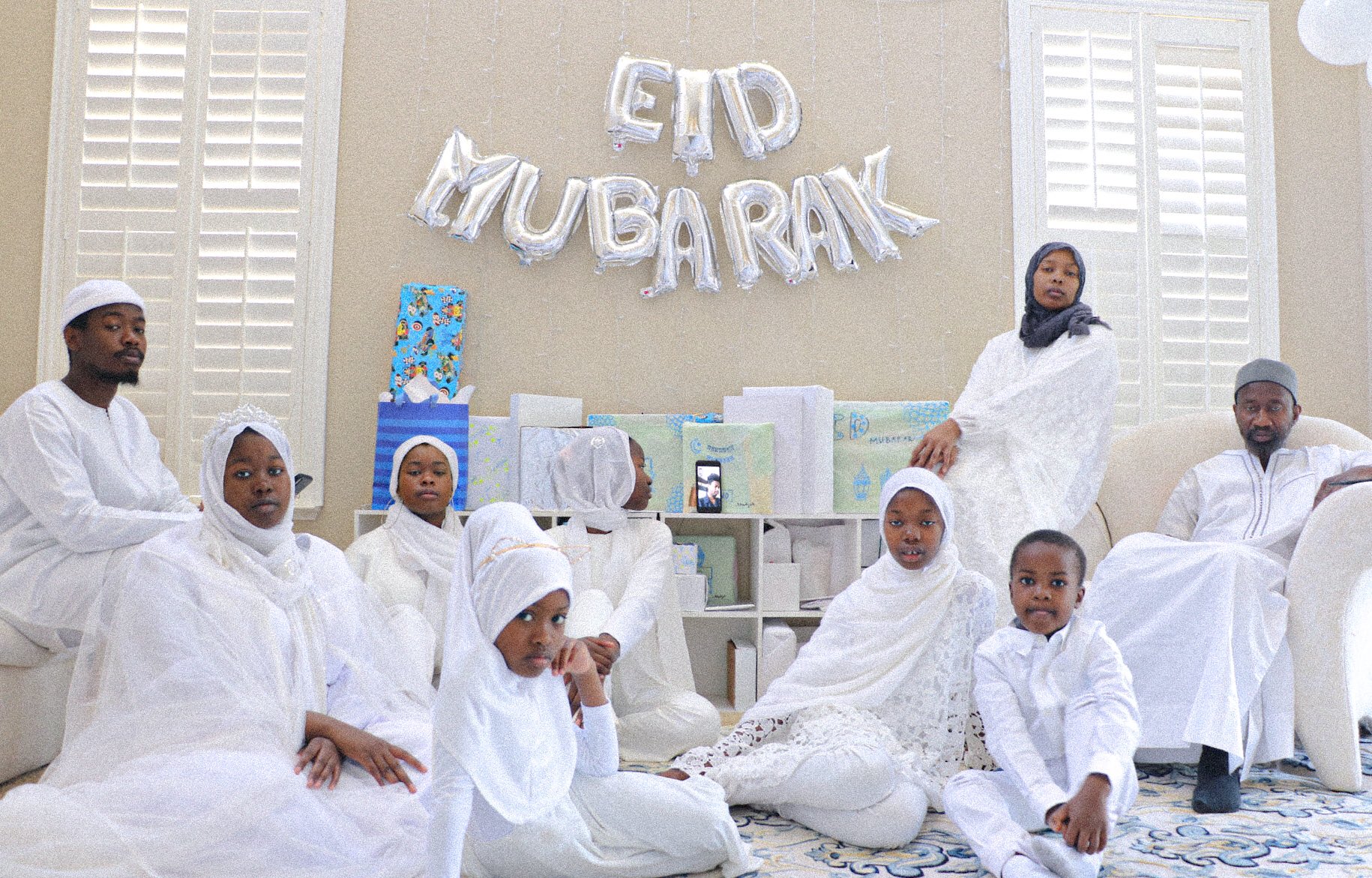
Our Muslim brothers and sisters have been basking in all gloriousness, taking to social media platforms to share pictures with family and friends as they mark the end of Holy Month of Ramadan.
Eid Al-Fitr is traditionally celebrated with mosque prayers, family feasts and shopping for new clothes, gifts and sweet treats. It is one of the most important events in the Muslim calendar.
This year’s celebration is quite different from the usual ones; the unfortunate COVID-19 outbreak has overshadowed any form of festivities due to lockdown restrictions and social distancing.
However, our Muslim brothers and sisters didn’t let the virus stop them, social media saw the height of their glamour through many alluring holiday shots. as they spent the day with their immediate family and friends.
Arewa Twitter was a particular highlight of the day’s display. A particular section of Twitter used to describe Northern Nigerian Muslims. Not only did they share heartwarming and lovely images, but some also gave us sneak peeks of their garages, packed with some of the world’s most expensive and luxurious vehicles. It validates the sentiment that ‘Northern money remains unmatched’.
Here is Morebranches’ pick of best photos of Eid al-Fitr celebrations around Nigeria.
H.E @GovUmarGanduje and his Deputy H.E @DGawuna attended the Eid-il Fitr Prayers today, which was also the first Eid prayer of His Highness the Emir of Kano and Chairman of the Kano State Council of Emirs Alhaji Aminu Ado Bayero. The prayers were led by the Chief Imam of Kano. pic.twitter.com/xBo0uOZe6F
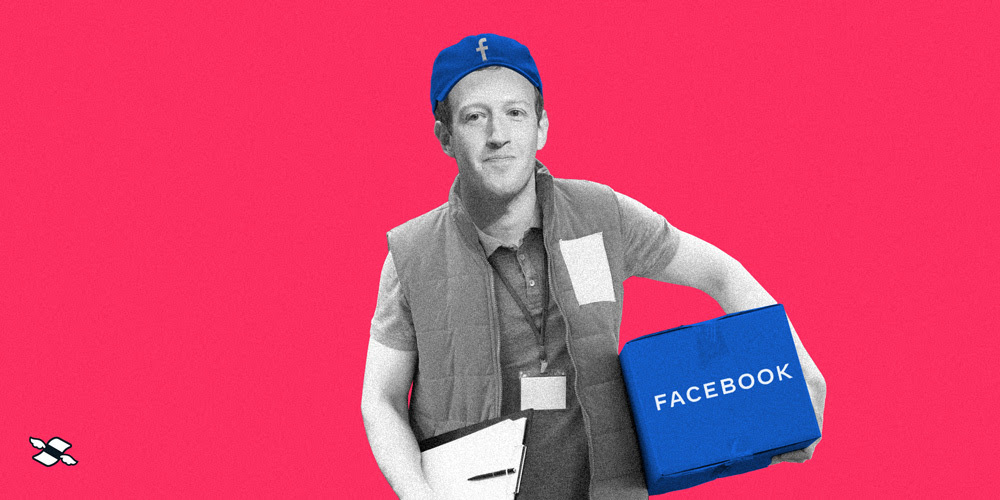
While millions of businesses globally are still trying to figure out a viable means to stay afloat during the pandemic and even after, Facebook has just come to the rescue. On Tuesday, the world’s largest social networking company announced that it is launching Shops, a service that will allow businesses display and sell products on its platforms, including Messenger and Whatsapp. Shops will be aimed primarily at businesses, allowing them to sell to customers on the app. The feature will be powered by third-party services, including Shopify, BigCommerce, and Woo, and will most likely pose a threat to e-commerce rivals such as Craigslist, Etsy and even Amazon.
“If you can’t physically open your store or restaurant, you can still take orders online and ship them to people,” Facebook CEO, Mark Zuckerberg said during a live stream session. According to Verge, Facebook is betting that bringing more local businesses online will help them to endure while also creating big new business opportunities for Facebook itself. Because Shops are free to create, it will be widely adopted and create significant new business opportunities for Facebook in advertising, payments, and other services. Zuckerberg said he believes FacebookShops could become the primary online presence for many small businesses, including some of the 160 million small businesses that already use Facebook to market their products.
We know that if Facebook Shops are valuable for businesses they’re going to in general want to bid more for ads. We’ll eventually make money that way,” he said, noting that small businesses make up “the vast majority” of Facebook advertisers.
Mark Zuckerberg
In Facebook’s virtual mall, Shoppers can buy products either through links to the businesses’ own websites or by using Instagram’s checkout feature, which enables purchasing within the app. Items that businesses have made available for purchase will appear within the shop, and users can either save items or place an order. The company says Checkout will become available on Facebook in the future.
The feature is currently available in the United States, but there’s is no word yet on when it will be available in African markets.
One of the world’s largest technology company Facebook, alongside MTN, Orange, Vodafone and China Mobile are joining forces to launch a massive underwater cable around Nigeria and 15 other African countries. The 2Africa project, formerly known as Simba, will bring high-speed connectivity to these countries. Facebook and its allies claim they are laying cables that will stretch to 37,000km (22,990 miles) and interconnect Europe (eastward via Egypt), the Middle East (via Saudi Arabia), and 21 landings in 16 countries in Africa.
The companies say they expect the project to be live by 2023 or early 2024. Once live, it should be able to deliver more than the total combined capacity of all subsea cables serving Africa today, with a design capacity of up to 180Tbps on key parts of the system.
Najam Ahmad, Vice President of Network Infrastructure at Facebook, said 2Africa is “a major element of our ongoing investment in Africa to bring more people online to a faster internet. We’ve seen first-hand the positive impact that increased connectivity has on communities, from education to healthcare.”
This isn’t the first time Facebook is embarking on such an ambitious project as this. In 2013, it launched Internet.org, an humanitarian effort to provide internet access as a basic right in emerging markets. But according to TechCabal Daily, the Facebook-centric scheme ran into problems as some countries accused Mark Zuckerberg of monopolistic and colonialist intentions. It could be different this time with Facebook’s broader, cross-continental base of industry allies.
The big 4, Google, Microsoft, Facebook and Amazon now own or lease nearly half of the undersea bandwidth, according to Washington-based research firm TeleGeography. Google alone has backed at least 14 cables globally.
An outstanding movie or TV series is not only sustained by strong writing and acting, or more technical and nuanced choices like cinematography and editing. You can judge a great show by its selection of music and how it inspires the tone and character of a storyline. Some series even go on to popularize a particular artist or genre, or influence the music taste of an entire audience or generation. An example of such is NdaniTV’s Skinny Girl In Transit, the GTBank funded web-series with six full length seasons. In a piece by Tami Makinde uncovering the themes and issues behind the show, the author noted that ‘the show has become a bench mark for what Nigerian webseries should look like since its emergence on the scene in 2015.’ Without doubts, SGIT is that show!
Unsurprisingly the show also boasts of a knockout soundtrack in every episode, featuring choice gems in the Lagos underground scenes such as Wani Wonder, 96, Jessica Bongos, Tomi Agape, and new originals from contemporary artists including cast member and singer Bisola Aiyeola. If you’re an avid viewer of the drama, you should have noticed the extra effort in selection of tracks on every episode and how the songs tie to the recurring plots.
We have curated a list of all the songs featured in season six of the show; even as we wait on another season of one of Nigeria’s golden soap operas, these wonderful songs can help you get through the whole noise and discover new and talented artists out of Nigeria.
As at the time of publishing, 2074 cases of COVID-19 had been confirmed in Ghana, 17 people dead and 212 recoveries recorded. The country currently has the highest number of casualties in the West African region, followed closely by Nigeria, with 1932 cases. Ghana’s approach to containing the deadly disease so far is remarkable, although a recent ban lift after a three-week lockdown has caused a 24% spike in number of positive cases.
Ghana is also one of the few African nations testing for coronavirus rigorously and ensuring that contacts of those found positive are traced. So far, more than 110,000 people have been tested, possibly the reason Ghana’s figures tally as the most impacted in the region. The country is recently in the fight and has been introducing more methods and measures to contain the spread
Yesterday, Ghana’s Minister of Communications, Ursula Owusu announced that they have launched the Ghcovid19symptomtracker which is now available on Goggle and iOS app stores. The app allows Ghanaians to check for symptoms in contrast with the government’s current data on COVID-19 symptoms and behaviours. The tracker also provides resources and tips on how to navigate the pandemic within the country. The service can also be accessed via USSD phones for citizens without smartphones or internet access.
This comes after Kenya’s Ministry Health partnered with Facebook to unveil a Whatsapp bot which helps to share COVID-19 facts to Kenyan residents. The health ministry’s choice to call the app, ‘Yam Phones’ is quite witty and relatable. in Ghana for some reason, dumb-or-feature phones are usually referred to to as ‘Yam Phones’. The service can also be accessed via USSD phones for citizens without smartphones or internet access.
Ghcovid19 symptom tracker app now available on AppStore for easy download. Naysayers said it would never happen. It has. A simple way to check your symptoms for your piece of mind. Dial *769# for yam phones. Tech in action to fight corona. Another first. @ITU pic.twitter.com/1XZi3g4DNV
In other news, the Indian Ocean island nation of Comoros has announced its first confirmed case, making it the 53rd of Africa’s 54 countries to report COVID-19. Only the small southern African kingdom of Lesotho has not reported a case of the disease.
Fela Kuti did not invent afrobeat, Fela and Tony birthed it together. Without Tony Allen there is no afrobeat – FLEA.
Nigerian drummer and Afrobeat pioneer Tony Oladipo Allen, aged 79 has been confirmed dead at Georges Pompidou European Hospital in Paris. His manger, Eric Trosser confirmed to France24 that he died of abdominal aortic aneurysm and not coronavirus, adding that he was in great shape before passing on.
The veteran jazz drummer was born into a middle-class family in 1940 which gave him some privilege to be exposed to great music and the works of legendary jazz drummers like Art Blakey, Philly Joe Jones and Max Roach. He taught himself how to play the drums and developed his own unique style with influences from his heroes. He later met the drummer Frank Butler, who motivated him to practice drumming on pillows.
In the early 1960s, Allen became a regular on the Lagos club circuit which was dominated by the West African highlife sound. He played in an outfit dubbed the Cool Cats and then moved on to help better-known highlife artists like Victor Olaiya. He crossed paths with Fela Anikulapo Kuti in 1964 and became a drummer in Kuti’s Koola Lobitos band. The group began to make music which was considered different from the regular highlife people were accustomed to at that time.
Afrobeat, at its inception, was full-band dance music, boosted by searing, intricate horn parts, scratchy, relentless guitar, and agitated, hyperactive basslines deeply rooted in jazz and African highlife. By 1968/69, the band had evolved into Fela’s groundbreaking Afrika70, led by Allen on drums with Lekan Animashaun on baritone saxophone. He was with Fela for more than a decade until the drummer decided to quit the band in 1978 due to Fela’s constant and rough clashes with the military government.
According to Quartz, things came to a head in 1978 on a financially ill-fated tour which took the 40-piece band to the West Berlin Jazz Festival. Fela says he was paid $100,000 but by the time he’d covered all the band’s travel and lodge expenses the tour was running at a loss. Allen had had enough and it was the last time he played with the band. The album Vagabonds in Power (VIP) was recorded live at the festival.
Allen played a strong role in the making and acceptability of Afrobeat sound not just in Nigeria but across the United States and Europe. After departing Afrika70, he went on to release a string of solo albums and numerous collaborations with several renowned acts across the globe.
He formed his own group, recording No Discrimination in 1980, and performing in Lagos until emigrating to London in 1984. He later moved to Paris and recorded with King Sunny Adé, Ray Lema and Manu Dibango. He developed a new hybrid sound, deconstructing and fusing Afrobeat with electronica, dub, R&B, and rap, hence birthing afro-funk.
Allen returned with a much anticipated new project for his 13th release. Recorded live in Lagos, with a full-sized Afrobeat band in June 2006, Lagos No Shaking. This project signified Allen’s return to roots Afrobeat after forays into avant-garde electronica hybrids.
In recent years, Allen reconnected with his jazz roots, recording a tribute EP for his “hero” Art Blakey and teaming up with Jeff Mills for 2018’s Tomorrow Comes the Harvest. Earlier this year, Allen released Rejoice, a collaboration with late South African trumpeter Hugh Masekela.
In Lagos, Nigeria, the lockdown clocks 3 weeks today. Before the official commencement, many organisations and individuals had started taking social distancing measures, shutting down non-essential operations and gatherings. Lagos is not the only Nigerian state attempting to flatten the curve; Abuja, the nation’s capital and Ogun state, Lagos’ closest neighbour are also observing complete shutdowns and have already closed their borders. A few other regional governors around the country have unilaterally ordered the closure of their state borders too. The governors insist that enforcing strict and effective measures is crucial to containing the spread of the virus.
Nigeria, with a population of about 200 million people, has reported 665 cases of COVID-19 and there are fears that the worst is yet to come. Apart from the dire state of the healthcare system, 69 million Nigerians have no access to clean water. This invariably leads to water-borne diseases like cholera, which continue to break out as regular epidemics in seasons.
Even though the government took a decision to ban all international flights into and out of the country, the incoordination decision came rather late, as many returnees who may have been affected had settled into different communities, exposing the virus to other Nigerians.
Social distancing seems like an unrealistic and arduous task for many Nigerians. Most of the population live in tightly-packed slums and neighbourhoods where communal living, shared toilets and spaces are a common practice. These people are daily earners who live from hand to mouth or are part of the informal sector which makes up 80% of the country’s workforce.
Without a stimulus package or palliatives targeted at the largely-poor population, it’s impossible to ask people to stay at home and avoid interactions for weeks, running into months.
Nigerian politicians and lawmakers are also not doing any better. Following the death of President Buhari’s Chief of Staff Abba Kyari, controversially the most powerful political figure in PMB’s government, hundreds of state officials were seen at Gudu Cemetery, Abuja on April 18 to pay their last respect as the remains of the elder statesman was buried.
Abba Kyari tested positive to Coronavirus on March 23 after returning from a Germany trip. Although the presidency have been tight-lipped and discreet about the COS’s health status, insider reports reveal that he was flown with an Air ambulance to Wellington Hospital, St. John’s Wood, London where he died and was cremated in adherence to the global burying guidelines of COVID-19 victims. This expose is at odds with the Federal Government’s statement that Abba Kyari was receiving treatment in First Cardiology Consultants, a private hospital in Lagos. Remember, the Federal Government restrained private health institutions in the country from a admitting or managing COVID-19 cases in Nigeria.
This struggle to survive has prompted violence and unrest in many areas spearheaded by hoodlums and gang members in border communities between Lagos and Ogun states. Since then, there have been clashes and rise in tension in other parts of the state and the nation at large. Distressed residents both young and old, have formed vigilante groups to protect their communities. They keep vigils every night burning tyres, setting roadblocks and arming themselves with machetes, bottles and other sharp objects.
In Nigeria, 665 cases, 22 deaths and 188 recoveries have been recorded. Nigeria’s policy is one of targeted testing. This involves identifying those who are most likely to be infected, those who have just come back from other countries and those they have been in contact with. The Nigerian Centre for Disease Control (NCDC) stated earlier in the month that the present testing volume is 500 tests per day and hoped to increase this capacity to 1000 or more tests per day in the coming weeks. Thus far, slightly over 5000 tests have been carried out.
According to the latest figures published by Johns Hopkins University, 2,480,709 cases have been detected worldwide, with 170,399 deaths and 652,982 people now recovered.
The overall intervention on health in Nigeria has been recurrently unimpressive and in a constant free-fall. Usually below 5% of total federal government’s budget (far below the WHO’s recommended 15%) is allocated for the sector. Nigeria’s 2020 health budget is a paltry N427 billion, equivalent of $1.18 billion, in a country of 200 million people.
The Federal Government lacks the financial firepower of wealthier nations that have launched robust stimulus packages to pay wages and keep their economies afloat. The economic assistance that the government has announced in response to the virus has exposed inadequacies in Nigeria’s social protection systems and risks excluding the country’s poorest and most vulnerable people.
The price of crude oil, which contributes over 90% of Nigeria’s externally-generated revenue, is tumbling like never before in the last 20 years. It went below $20 per barrel from above $60 just before the pandemic. On Monday, the US’ WTI was trading at $-37.45 per barrel according to prices displayed on Bloomberg energy terminal. What this means is that there is no longer storage to store excess produce because people aren’t buying, and traders will have to pay customers for patronising them. It is also a warning for the Organisation of Petroleum Exporting Countries (OPEC), where Nigeria’s baskets falls under, of how bad the demand problem has gotten. Nigeria’s crude oil is benchmarked against the Brent crude.
At present, the price of a barrel of Brent crude is $25. Although traders in the market said Nigeria’s Bonny Light was sold for between $13 and $15 recently, the price is not yet in negative territory. The crude oil price collapse in the price of oil has gutted state revenues for the continent’s biggest oil producer and officials are cutting back the budget.
Just before we dive in, for the sake of perspicuity, it is important we distinguish between projections and unfounded claims otherwise known as conspiracy theories. I’m aware that over the past few weeks, propaganda campaigns and misinformation have taken the centre stage. The nature of social media platforms has a way of smashing social contexts into one another so that messages tailored for one audience end up hitting others as well and being interpreted in unanticipated ways.
However, the truth is nobody really knows how or where this virus originates from precisely, and like every other major event that have reshaped the world for centuries, many concocted stories have come up, including 5G technology, China’s gameplay and Bill Gates’ interests in vaccines. Many conspiracy theories could be true, but the beauty of these mystifying tales is that they are passed on from one generation to another, but humanity hardly ever find the facts.
This post is a throwback to a Ted Talk in 2015 where Bill Gates predicted a rise in epidemics and a call for governments to be prepared. When EllenDeGeneres had a virtual chat with Gates on her show a few days back, he said something that struck me, something that every brilliant, super-connected and 1% wealthy human like him would easily care or take out time to think about. He mentioned that after the 2015 Ebola outbreak in West Africa, he could tell that was the beginning of more viruses that could disrupt human existences. Indeed Zika came after, but it was short-lived. Bill Gates noted that he and his wife, Melinda, through their foundation have made efforts to prepare for an unprecedented epidemic since then. Even if Bill Gates guessed all these things, he couldn’t tell what exactly the virus would be or do.
If anything kills over 10 million people in the next few decades, it’s most likely to be a highly infectious virus rather than a war, not missiles but microbes. We have invested a huge amount in nuclear deterrents, but we’ve actually invested very little in a system to stop an epidemic. We’re not ready for the next epidemic.”
The reason for his call in 2015 was so governments could join in the work to prepare for another deadly outbreak. During his talk, Gates touched on the lack of epidemiologists “ready to go to West Africa to assess Ebola and its spread, how it was being diagnosed, or which treatment approaches should be used, hinting that the next outbreak could be more devastating than Ebola. Next time, we might not be so lucky, he said.
Jack Dorsey, cofounder and CEO of social network Twitter and mobile payments company Square, has announced on Tuesday that he will be donating a massive $1 billion toward coronavirus relief. Dorsey in a tweet thread said he’s moving $1 billion of his equity in Square, over a quarter of his total wealth to an LLC called Start Small. The charity fund will provide funding to global COVID-19 relief efforts, he said.
“After we disarm this pandemic, the focus will shift to girl’s health and education, and UBI,” Dorsey added. He also shared a sheet on Twitter that he said will keep track of the donations.
“Why now?” he wrote. “The needs are increasingly urgent, and I want to see the impact in my lifetime. I hope this inspires others to do something similar. Life is too short, so let’s do everything we can today to help people now.”
I’m moving $1B of my Square equity (~28% of my wealth) to #startsmall LLC to fund global COVID-19 relief. After we disarm this pandemic, the focus will shift to girl’s health and education, and UBI. It will operate transparently, all flows tracked here: https://t.co/hVkUczDQmz
According to Recode, Jack’s donation is “the country’s most significant private gift to tackling the coronavirus and its consequences”. Among those who previously announced donations amid the coronavirus crisis is Amazon CEO Jeff Bezos, who recently said he’d commit $100 million to food banks. “Even in ordinary times, food insecurity in American households is an important problem, and unfortunately COVID-19 is amplifying that stress,” Bezos said.
The United States has recorded more than 380,000 coronavirus cases, with the total death toll rising to about 12,300.
It’s quite unfortunate that we have to celebrate a full month of 420 social distancing in our homes. Before now, I and a couple of friends made hotboxing plans including a list of new strains to try out every day in April but our dreams came crashing at the feet of COVID-19. While it is painful to put marijuana culture on hold, it’s important to stay indoors to help curb the spread of the virus.
Smoking with the crew is also not safe because that puff-puff-pass shit could be an opportunity for rona to find a new home. Many young adults who live with family members are finding it hard to light a blunt at home, at least to avoid being the subject of a long holiday. It’s advisable that if you’re in this situation, you should find alternative ways of getting high such as edibles or weed oil to add to your meals. Trust me, this can be an avenue to find a new, better high.
For the ones who have all the liberty to blow as many trees as they want but did not take rolling lessons, I can as well be an ass and ask that you smoke your shitty weed happily. But that’s not how to show love in times like this, this is why I’m sharing quick tips for beginners who are new to rolling Blunt Wraps.
Before you get rolling, you’ll need:
Rolling papers
Your Weed
A lighter
Blunt splitter (optional)
A rolling tray (optional)
When you get all your utensils together, follow the steps below. It doesn’t have to be a one-time thing. Practice makes Perfect.
GRIND YOUR WEED: you already know this, the first thing to do is break down the buds using a grinder or your hands to give you smooth, tiny grains. Grinders are better because they help maintain an even burn. Some people prefer using their hands because it ensures a slower burn. Just do you.
FILL YOUR BLUNT WRAP WITH THE WEED: no doubts the easiest step. Sprinkle the weed on your paper. Unlike a joint (a fatter blunt) which requires you to distribute the weed lightly by the filter and gradually increasing towards the end, you distribute the weed evenly when rolling a blunt. Joints are supposed to have a cone shape, whereas blunts are more like a uniform log.
TUCK THE BLUNT: This is where the real work is, but if you take your time and practice well, you will get the hang of it. Begin by picking up the blunt with two hands, and rolling it back and forth a bit in your hands. This way, you’ll make sure the weed is sitting flat in the bottom of the blunt wrap. Once you have the weed flat against the wrap, tuck the side of the blunt wrap closest to you over the weed and underneath of the other side, like so. Make sure the closer edge is tucked properly. If some weed falls out during the process, it’s okay. That’s why we recommend buying a rolling tray.
LICK, ROLL & BAKE: With the closer side of the blunt wrap tucked, lick the opposite edge that’s still popping up. To finish the rolling process, press the upper edge and lightly coat it with saliva. If you did it right, the saliva should make the wrap stick together again. You may have to lick the wrap a bit more as you’re rolling. By the time you finish rolling the blunt, it’s probably going to be a bit moist from your saliva and nobody wants to smoke a soggy doobie. Take your lighter, and quickly run the flame back and forth across the blunt, slowly rotating the blunt to heat every side evenly.
The world isn’t just dealing with a pandemic, since the outbreak of one of humanity’s deadliest viruses there’s been a rise of infodemics too. In times like this, people are in search of resources, news and tips to keep them updated and assure some degree of safety but it also means that they are susceptible to fake news.
The impact of misinformation in our communities during a crisis situation can be devastating. It can cause serious harm to the community, as well as the efforts of stakeholders and humanitarian agencies. Fake news also disrupts public peace, influence general opinions, and create conflicts between people. Any persons or media platforms that circulates false information is in bad faith and an advocate of confusion. An example is the ongoing fuss over 5G technology being responsible for COVID-19 globally. That is false.
In a bid to curtail the damage, WhatsApp has introduced a new limit on its messaging forwarding feature. You will no longer be able to forward messages to multiple contacts, just one chat at a time. The limit kicks in once the message has been forwarded more than five times in total.
It is important to note that while WhatsApp can’t read the content of your chats, however it can count the number of times a particular message is forwarded through the metadata. The company is also testing reverse image search and text search to limit fake news on its platform whilst working with the World Health Organization (WHO) and 20 governments all over the world to provide accurate information about COVID-19 to people.
On Sunday, in a video uploaded via his twitter page, Apple’s CEO Tim Cook announced that the company will be producing 1 million facial shields for health workers every week. The move is coming a few days after doctors in the United States protested a shortage of personal protective equipment, like face shields and masks, leaving them with high risk of getting infected as they battle the virus.
Apple has brought together several product designers, engineers, operation managers and suppliers companywide to design, produce and ship the products to health facilities across the United States. Cook also mentioned that Apple has sourced more than 20 million masks through its global supply chain and is working with governments to donate them where they’re needed.
Apple is dedicated to supporting the worldwide response to COVID-19. We’ve now sourced over 20M masks through our supply chain. Our design, engineering, operations and packaging teams are also working with suppliers to design, produce and ship face shields for medical workers. pic.twitter.com/3xRqNgMThX
The first shipment has been delivered to Kaiser hospital facilities in the Santa Clara Valley this past week, and the feedback from doctors is very positive according to the CEO. Apple plans to ship more than one million shields by the end of this week and a further million each week after that. Efforts are also being made to expand distribution to more countries and health workers in other regions at the frontline of COVID-19.
Last month, Apple launched a rather basic tool for people in the US to check if they need to get tested for coronavirus. Big ups to the iPhone maker.