Author: Richard Ogundiya

  • In the latest issue of Afrobeats Intelligence, Brymo talks freedom, crazy random parties & Yellow.

    In the latest issue of Afrobeats Intelligence, Brymo talks freedom, crazy random parties & Yellow.

    You do know that we are big fans of Joey’s work at MoreBranches. When he decided to launch his own weekly newsletter Afrobeats Intelligence, we didn’t hesitate to call it the new bible for navigating the African music ecosystem. Six issues in; including thrilling interviews featuring Asa, Lucas Jay, Oxlade and now, Brymo, it’s okay to conclude that you’re missing out on this premium content, that’s if you haven’t subscribed yet.

    Following the release of Brymo’s 7th studio album ‘Yellow‘, the award-winning journalist joined the artist in his Lagos home as they go down memory lane even in the middle of the pandemic. If you have followed Brymo’s work over the years, you are familiar with his introdction into the industry from his days at Chocolate city, his reign as an afropop sensation, the legal battle between him and his former label and the reincarnation, the rebirth of a talented music scientist.

    I’ve been privileged to see Brymo perform at small and large events in different cities. A friend of mine Toye, who is an Editor of a growing music and culture magazine based in Lagos introduced me to the artist at a night-out in Danfo bistro almost a year ago. Although the conversation didn’t last up to 30 minutes, it was enough to reveal another side of an intelligent and conscious enigma, the free spirited human that Brymo is.

    The latest Afrobeats Intelligence is a comprehensive raw cut into his life, his ideologies and his music. It is definitely worth your time. Read here and don’t forget to subscribe.

  • Tracking the numbers: Coronavirus in Africa today.

    Tracking the numbers: Coronavirus in Africa today.


    (6-APRIL-2020 ) With almost all the countries in sub-Saharan Africa now shut off from their neighbours and the rest of the world and many in lockdowns, several reports have predicted a surge in the number of confirmed cases over the next two to three weeks, hinting that Africa may be few points away from the worst of the pandemic storm. 

    South Africa is currently the country with the highest number of COVID-19 cases on the continent, this is mostly because of an advanced health ecosystem in contrast with other African countries. The country has tested over 50,000 people and has set up 67 mobile testing units nationwide. The government is planning to ramp up testing to 30,000 people daily. So far, 1400 people have tested positive and 5 death cases have been recorded.

    Algeria, Egypt and Morocco follow closely with 1320, 1173 and 1021 positive cases respectively.

    Meanwhile in Nigeria, the virus isn’t relenting either. In just over two weeks, there’s been a 400% upward increase in positive cases bringing the total numbers to 232. But another interesting angle to the Nigerian story is the rate of recovery which currently stands at 14%. 33 people have recovered and have been discharged and 5 death cases.

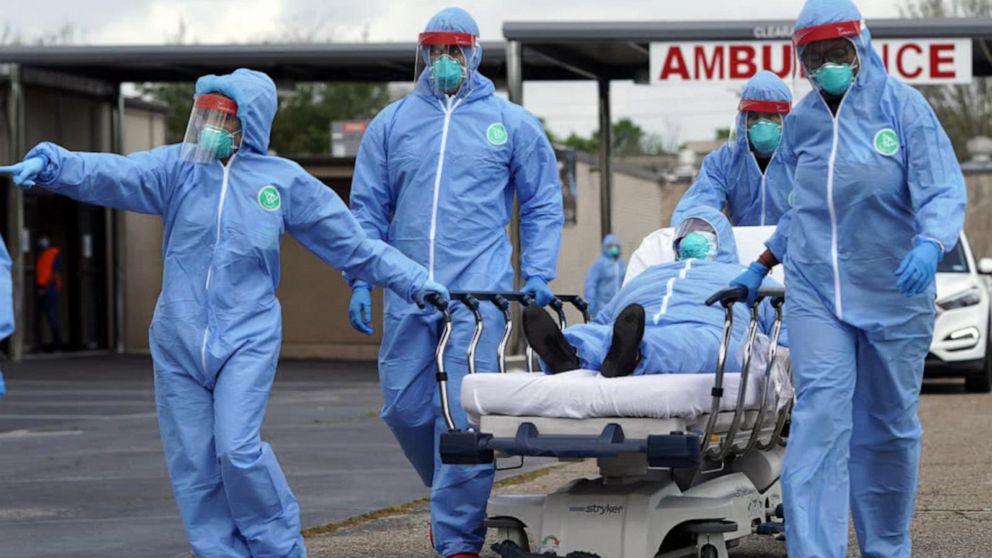
    Across Africa, 9521 people have tested positive to coronavirus in 55 countries. 939 of them have recovered and 438 have died.


  • Social distancing is reducing the spread of coronavirus. Stay at home!

    Social distancing is reducing the spread of coronavirus. Stay at home!

    As at the time of publishing, there are over 700,000 confirmed cases of COVID-19 worldwide. Over 190K have recovered and almost 50K people have died from the deadly pandemic. The numbers could even be much more as several countries have been accused of underreporting and testing is still not adequate. There’s also an unquantifiable number of asymptomatic cases or home hospitalised patients that aren’t recorded in the global watch. The world may have to wait for months before a potential vaccine will be developed, the only way to help flatten the curve and stop the spread of coronavirus is Social Distancing.

    I’m certain you’ve seen that phrase filtered across the web more than Netflix listicles lately. Social distancing as the term implies is a set of non-pharmaceutical interventions taken to prevent the spread of a contagious disease by maintaining a physical distance between people and reducing the number of times people come into close contact with each other. It is just one of the ways to avoid contacting the disease, but it is by far the most effective measure.

    Since Coronavirus is most likely to spread from person to person when we come into close contact with one another, halting interactions with other humans, no matter the relationship that exists reduces the chances of getting infected, and it also enables more people stay indoors.

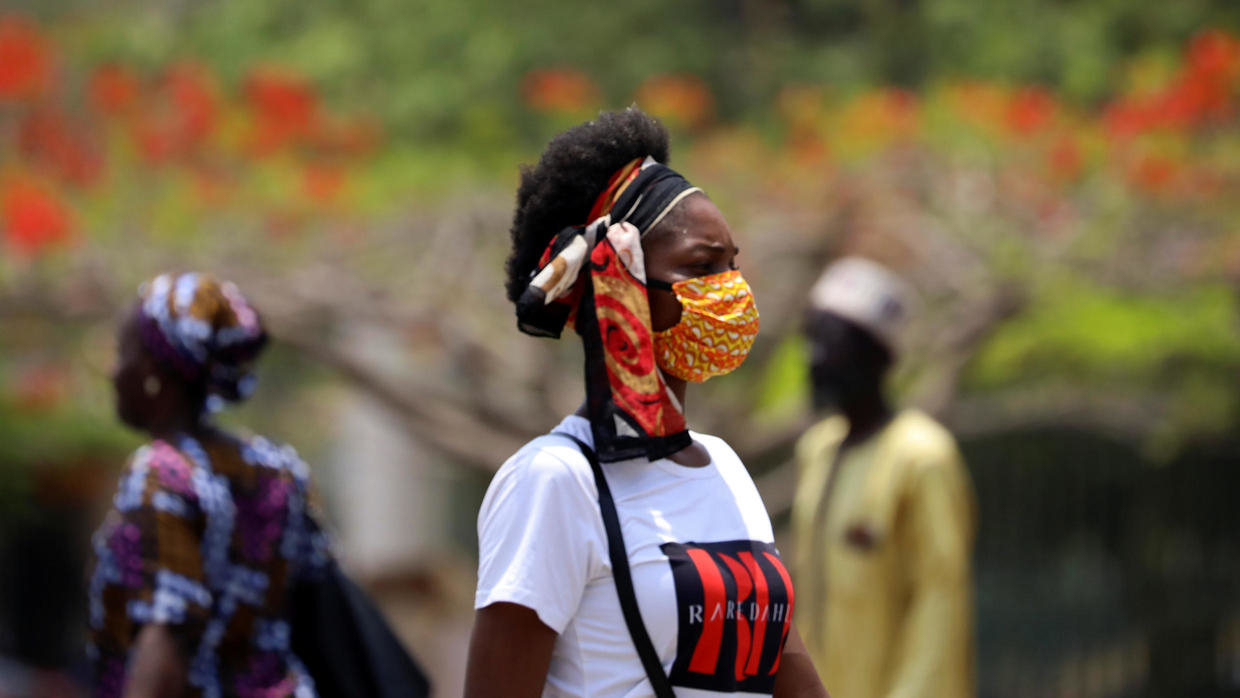
    Physical distancing may not necessarily mean not leaving your homes from time to time, it is more about avoiding handshakes, physical greetings, and wherever possible, keeping at least 1.5 metres away from others. It is also very important to practise good hygiene, especially after running quick errands.

    Nigeria Ha Now Recorded 174 Cases of COVID-19 in 13 States.

    New data released by Kinsa Health, medical technology firm, suggests that fevers, a common symptom of COVID-19 are decreasing in areas where stay-at-home orders are in place. It simply means social distancing is working. The report also revealed that limiting the size of public gatherings or declaring a state of emergency did not seem to impact fever rates. What this means is that the government was right about banning religious and social gatherings that involved up to 10 people.

    In Lagos, Nigeria. it’s still not certain how long the imposed shutdown will go on for, but it looks like the proposed two weeks may be extended since more cases are being discovered. But there’s no need to panic, stay vigilant and positive, knowing that your individual actions are saving lives.

  • Nigeria has now recorded 174 cases of COVID-19 in 13 states.

    Nigeria has now recorded 174 cases of COVID-19 in 13 states.

    The number of confirmed coronavirus cases in Nigeria has quadrupled in just less than a week. As more global tensions arise, Africa is also faced with the challenge of a broken healthcare system and countries are beginning to implement total shutdowns in an effort to enforce social distancing and flatten the curve.

    In Nigeria, the government and other stakeholders have been preparing for a possible widespread outbreak. Meanwhile as testing capacity and contact tracing increases, more cases are been discovered and there are no signs that things may get better soon. Four states in the region are on total lockdown and more are expected to join as other states unravel index cases.

    The Nigeria Centre for Disease Control has confirmed 23 new cases bringing the total number to 174, recording 2 deaths and 9 recoveries. Lagos remains the country’s hotspot but the state government is taking proactive measures to deal with the virus. More isolation camps have been built, medical supplies have been distributed across hospitals, increased private sector participation and public spaces and surfaces are being sterilised.

    • Lagos – 91
    • FCT – 35
    • Osun – 14
    • Oyo – 8
    • Ogun – 4
    • Edo – 4
    • Kaduna – 4
    • Bauchi – 3
    • Enugu – 2
    • Ekiti – 2
    • Rivers – 1
    • Benue – 1
    • Akwa Ibom – 5
  • Sarz vs Shizzi was the quarantine content you didn’t know you needed.

    Sarz vs Shizzi was the quarantine content you didn’t know you needed.

    Music producers hardly ever get the recognition they deserve, especially in a place like Nigeria where the market is largely dense and all the focus goes to the artist. It’s the same with songwriters and other stakeholders in the music-making process, but lately the argument about the shared rights of a song between the artist and producer has been getting more volume. 

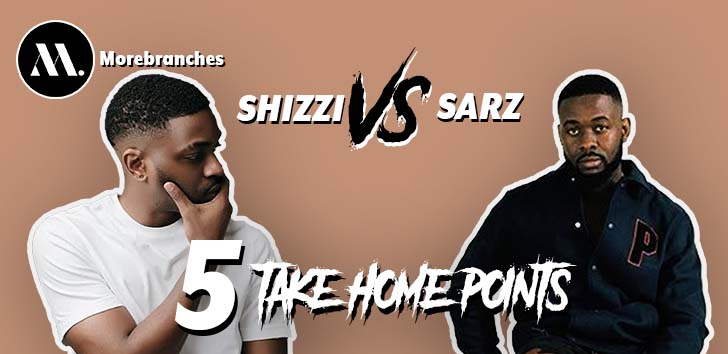
    Last night marked a special moment in Nigerian music and the paradigm shift it is experiencing. Social distancing during the COVID-19 lockdown has afforded us more time on the internet and an unending thirst for content. So when Shizzi took to his twitter to request a battle of hits with Sarz on Instagram live, it felt like all Afrobeat enthusiasts were down for this cultural defining episode.

    If you’re new to Nigerian music, both producers are arguably the biggest influences on contemporary Afrobeat sounds that the world enjoys today. With a vast catalogue of hits spanning over 10 years in music and multifaceted skills, both producers have made boundless music with Davido and Wizkid that it feels like they paved the way for a lifetime of hits for Africa’s top 2. 

    They both made it clear it wasn’t a competition from the onset, they deserve all of our respect because they’re legends and attending the 2 hours long battle on Instagram live only made me realise how under-appreciated producers are and how many more hits we didn’t even know they produced. Really humble lots lol.

    A live concert attended by over 20 thousand people including A-list artists, influencers and music executives (Timbaland and Swizzbeatz tuned in too) will mark the beginning of more e-concerts and absorbing content that has been scarce in our local ecosystem, it’s like the shutdown is awakening our minds to the potential of what the industry could be and more ways to interact with the public. Sarz played 41 songs while Shizzi played 40 within two hours and thirty-two minutes.

    5 points we picked from the battle:

    • Both Sarz and Shizzi are nobody’s mates. They’ve been making hits consistently for the past ten years and are responsible for evergreen music that paved the way for the Africa-to-the-world narrative. It’s pretty impressive because they were both young in their prime and are still walking their way up the ladder. They’ve been legends even before you realized it. 
    https://twitter.com/oyi_sands/status/1244769104482963458?s=20
    • Shizzi is versatile, he knows it himself. He’s responsible for a reasonable number of our club bangers, but he still needs to expand his catalogue by working with more artists asides Davido. Sarz has this point to his advantage, his catalogue – both old and recent comprises of work with artistes like Eldee, YQ, Reminisce, Olamide, Wurld, Niniola, Banky W and more. Shizzi has definitely worked with a number of artists too, but he may need to get out of his comfort zone. 
    • Sarz has a future in this DJ-ing thing and it’s a good thing he’s already started experimenting. Someone said Shizzi didn’t come to the battle with all his weapons, specifically meant he didn’t do proper music selection beforehand. This is why he used some of his most dangerous weapons way too early while Sarz was much more tactical. Sarz knew the right songs to play at the right time, he had the right responses too and he definitely has a future being a bully and a meme. Cute! 
    • They’re both young and that’s pretty impressive but Sarz has been in the game long enough before Shizzi bought a laptop. He even understands the game better and he has more culturally shifting songs, like One Dance rumoured to have been co-produced by him, and an unreleased song with Beyoncé that didn’t make The Lion King album. 
    • Almost every argument about nigerian music always ends in a Davido vs Wizkid talk. It’s exhausting but impact can never be denied.
  • Admit it, you’re scared of coronavirus. Here’s how to help yourself conquer the anxiety

    Admit it, you’re scared of coronavirus. Here’s how to help yourself conquer the anxiety

    Look around you, it’s in the news, all over social media and most likely in the air. Coronavirus or the ‘boomer remover’ as it is jokingly referred to keeps spreading across borders. The whole world is witnessing a drastic slow down of economic activities, social gatherings, panic buying, closure of airports, more cases of COVID-19 as well as escalating death reports. 

    Whether or not you live in a country that is largely or mildly affected, you have read or heard about certain times in history where the world had to deal with such pandemics, you’ve seen apocalyptic movies and read many theories, without doubts the stats are terrifying.

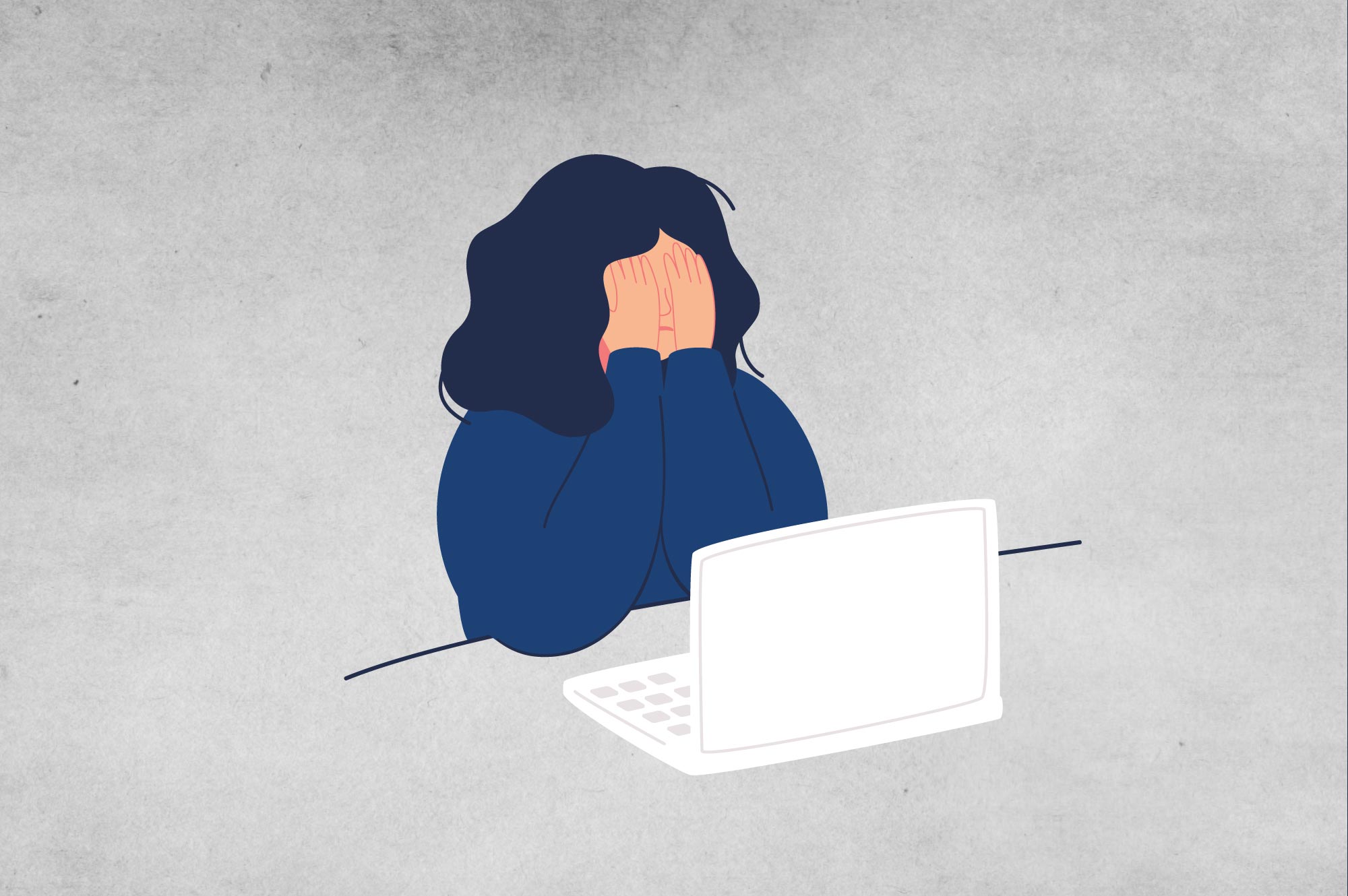
    No matter how hard you try, it’s hard to turn a deaf ear to all that’s happening. Nobody wants to catch the rona, I get it but being absent minded isn’t the best preventive measure and same goes for anxiety too. I’ll touch more on anxiety because the larger bulk of the world’s population is currently dealing with this, knowingly and unknowingly. 

    Is anxiety a good response? All I can say is that it is normal because you’ve no control, I mean you’re worried about losing your life or loved ones or this sort of history happening in your lifetime. But anxiety isn’t necessarily a bad thing. In fact, it can be productive in some cases and make us more cautious in our day to day life.

    According to Tina Montreal, an assistant professor in McGrill University’s department of educational and counselling psychology, “the more you normalise anxiety, the less you view it as a problem and the less it is going to be amplified’. This means a small amount of anxiety allows us to be prepared, alert to what has to be doe and to be motivated to do so. 

    However, people who already suffer from anxiety and related disorders are especially likely to have a hard time during the coronavirus crisis. It is important to put certain checks in place to help you deal with the growing tensions. A very unnecessary thing to do now is to be on high alert all the time, it will only make you unstable, emotionally and physically. Instead, try some of these strategies and reduce your risks of getting the coronavirus. 

    Some useful tips to employ:

    1. Always checking the news for virus updates isn’t an antidote for calming your fears. A miracle wouldn’t happen overnight and the only way you’ll survive this is by precautionary measures seriously not watching primetime news. I recommend limiting your exposure to coronavirus news to no more than 30 minutes per day.
    2. Stick to credible sources of medical information to avoid any misinformation.
    3. Connect with your loved ones via video chats, phone calls, texting, and email. This keeps you away from the noise and helps you feel the strength of your connections.
    4. I’m not trying to scare you but the world is going to end someday and we are all going to die. So learn to tolerate uncertainty because it makes everything easier. Working on your tolerance threshold will help you cut down time you spend researching for virus updates or panicking. 
    5. There are over 190,000 confirmed COVID-19 cases but did you also know know that more than half of the people receiving treatment have successfully recovered? You should also look out for more positive news surrounding the pandemic because there are. Share them with your contacts and you’ll definitely feel relieved or much better. Humans tend to exaggerate the danger of unfamiliar threats compared to ones they already know.
    6. Sometimes trying new things and discovering new activities you can benefit from and enjoy can be a welcome, healthy distraction. Binge-watching, Yoga, Meditation, Journaling, Reading a book are some of the activities you should try.
    7. Get adequate sleep, exercise regularly, practice mindfulness, spend time in nature and employ relaxation techniques when stressed. Its a good time to work on a self-care routine. 
    8. If all of these still feels like gibberish to you, please feel free to get professional help. Cognitive behavioral therapy and certain medications can successfully treat anxiety problems.

    We are all in this together, stay safe and positive!

  • Coronavirus in Africa: Egypt records first death as Nigeria uncovers another case.

    Coronavirus in Africa: Egypt records first death as Nigeria uncovers another case.

    Since January 7, 2020, over 100,000 cases of COVID-19 has been uncovered in over 80 countries across the globe. Even though it appeared to be more of a western plague at the onset, African countries haven’t been left out out this deadly pandemic. As of March 9, Egypt (48), Algeria (17), Senegal (4), South Africa (3), Morocco (2), Cameroon (2), Tunisia (2), Nigeria (2) and Togo (1) have recorded a total of 81 cases.

    A 60 year-old male German tourist who arrived in Egypt on 02/March/20 was pronounced dead in yesterday, marking the continent’s first Covid-19 fatality. According to Egypt’s health ministry, the unnamed victim tested positive for the virus on Friday, after which he resisted efforts to be moved to an isolation unit. He witnessed his condition worsen amid breathing complications. Egypt has confirmed more cases over the weekend, stemming from a cruise ship in Luxor, with 45 people aboard. The country’s health ministry says the infected ship passengers have since been quarantined in an isolation facility.

    On March 8, Nigeria’s health minister Osagie Ehanire announced that a Nigeria had tested positive to Covid-19. The Ogun-state resident had been in contact with the Italian who brought the virus into the country, and one of the 40 persons closely monitored at the isolation facility. Ehanire noted that there are 40 persons in Ogun and 20 in Lagos who are all under isolation and have remained free of any symptoms since. “Nevertheless, the Federal Ministry of Heath following best practice decided to test these persons for possible presence of coronavirus in their systems”. On the 8th of Mach, scientists confirmed the presence of coronavirus in one of the contacts.

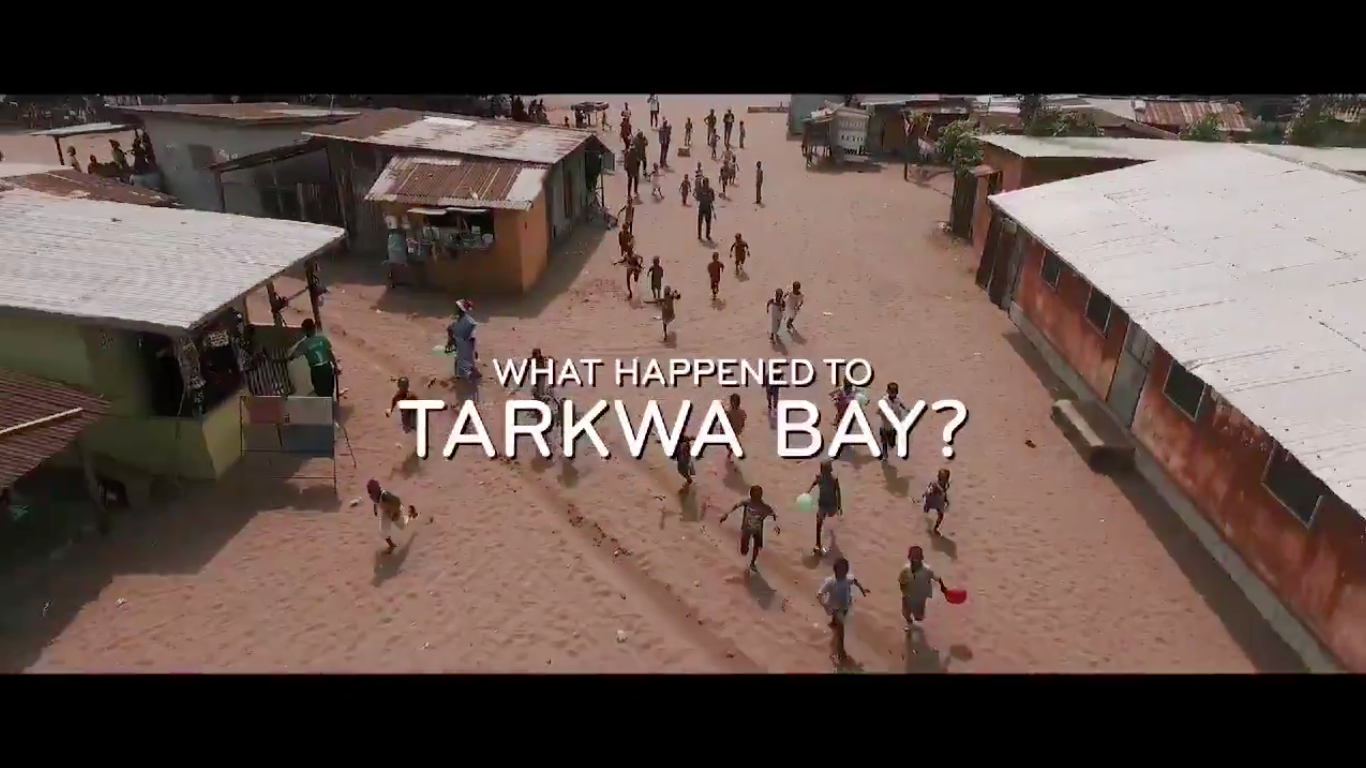
  • Kiki Mordi teases trailer of her next documentary – ‘What Happened To Tarkwa Bay’.

    Kiki Mordi teases trailer of her next documentary – ‘What Happened To Tarkwa Bay’.

    Tarkwa Bay is no new place to many Lagosians and tourists who find it as a recreational attraction. However, the coastal island settlement was home to thousands of Lagosians for over three decades until January 21 2020. Residents of Tarkwa bay were forcefully evicted by the Navy who shot and assaulted people regardless of gender or age.

    While no notice was earlier tendered to the 4,500 residents, the government bases its decision mostly on pipeline vandalism and increased crime activities in the region.

    This isn’t the first time Lagos State is evicting residents of low income communities. In fact, the government has been countlessly accused of rendering families homeless for the sake of its own gentrification with concrete evidences.

    In July 1990, 300,000 people were displaced in Makoko, 15,000 people in Banana Island in January 1995, another 15,000 displaced in Ilubirin beachfront community in January 1997. Badia East was evacuated on October, 2003 displacing 5,000 residents, followed by Bar Beach in August 2008 affecting 80,000 lives and more recently the eviction of Otodo Gbame residents in April 2017 displacing 30,000 residents. 

    Award-winning Journalist and producer of the critically acclaimed BBC #SexForGrades documentary, Kiki Mordi has another one up her sleeves. ‘What Happened To Tarkwa Bay’ is an expose on life on the island as told by residents themselves. Through her production outfit Document Women aimed at telling stories that affect women and vulnerable groups, Kiki puts the lens across the settlements in the bay, unraveling the true story behind the forceful eviction of residents.

    Watch the trailer here:

    https://twitter.com/kikimordi/status/1236950302219210752?s=20

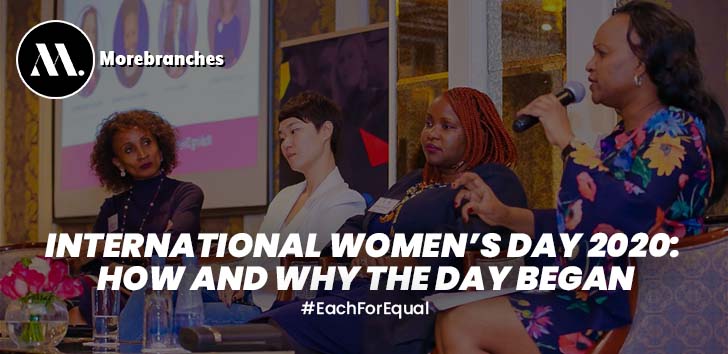
  • #EachForEqual: International Women’s Day 2020, how and why the day began.

    #EachForEqual: International Women’s Day 2020, how and why the day began.

    Sometime in 1908, over 15,000 women marched through the streets of New York City demanding voting rights, finer wages and better working conditions compared to their male counterparts. In 1909, the Socialist Party of America declared February 28 as National Woman’s Day, the first of its kind to be celebrated in the world at that time. By 1910, Clara Zetkin, the leader of the ‘women’s office’ for the Social Democratic Party in Germany suggested that every country begin observing an International Women’s Day annually. This was followed up with a conference of over 100 women representing 17 countries, in support of the mission and IWD was birthed. The day, collectively founded by women, was intended to bring attention to gender parity and women’s rights.

    The decision to commemorate this historic movement on March 8 was taken in 1913. It took decades for the United Nations to officially recognise the IWD, 1975 to be precise. Since then, it has created a theme each year for the celebration, accompanied with series of campaigns and events to keep the vision of the movement alive.

    In 2011, former US President Barack Obama proclaimed March to be ‘Women’s History Month’.

    Like today, these women were in less organised workplaces [than their male counterparts], were in the lower echelons of the garment industry, and were working at low wages and experiencing sexual harassment.

    Eileen Boris, Professor of Feminist Studies at the University of California Santa Barbara.

    Gender equality has always been a huge concern for most of the world for as long as we can remember. Pay gaps, involvement in business and politics, violence, access to edition and health services are some of the issues encountered by 49.6% of the world’s population. International Women’s Day is a growing movement centred around unity and strength, honouring the achievements of women throughout history and all across the globe, and is typically a day for women from all different backgrounds and cultures to bond together to fight for gender parity and women’s rights.

    109 years after the first International Women’s Day, there is still much to be done. According to the World Economic Forum’s most recent Global Gender Gap report, it will take another 108 years to reach gender parity. Across the 106 countries covered since the first edition of this report, the biggest gaps to close are in the economic and political empowerment dimensions, which will take 202 and 107 years to close, respectively.

    International Women’s Day 2020: Theme

    The theme for International Women’s Day 2020 is “I am Generation Equality: Realizing Women’s Rights”. The United Nations has been leveraging the Generation Equality campaign for years, as it aims at “bringing together people of every gender, age, ethnicity, race, religion and country”, in a bid to drive actions that will lead to a “gender-equal world we all deserve”. This year’s campaign #EachForEqual draws attention to the idea that gender inequality isn’t a women’s issue, but an economic one – as gender equality is essential for economies and communities to thrive. #EachForEqual has become a symbol of the movement which extends far beyond 8 March, with activities running all year long. The idea is to reinforce and galvanize collective action, holding events and talks that urge us all to share responsibility and play our part.

    This year women’s day will be celebrated in the wake of the 25th anniversary of Beijing Declaration and Platform for Action, which is termed by the UN Women as the “most visionary agenda for women’s rights and empowerment everywhere”. The UN reports that the Beijing Declaration reveals “important progress” in areas of education and heath, while other sectors have seen “stagnation and reversals”. This development calls for a stronger movement and a more inclusive march towards equality.

    The campaign highlights six key areas:

    1. Championing women forging tech innovation.

    2. Applauding equality for women athletes.

    3. Forging inclusive workplaces so women thrive.

    4. Supporting women to earn on their own terms.

    5. Empowering women through health education.

    6. Increasing visibility for female creatives

    How is International Women’s Day celebrated around the world?

    International Women’s Day is an official holiday in at least 20 countries, including: Afghanistan, Cuba, Laos, Russia, and Vietnam. In many of these countries, tradition holds that men honor their mothers, wives, girlfriends, and colleagues with flowers and small presents. In other nations, the day is much like the holiday of Mother’s Day, in which children give gifts to their mothers and grandmothers. In other countries, however, like Nepal and China, IWD is a holiday only for women.

    Days like IWD are a time to celebrate the gains that have been made and to measure how far we have come. But also to see that there are many more steps to take and to rededicate to the struggle ahead.

    Happy International Women’s Day 2020!

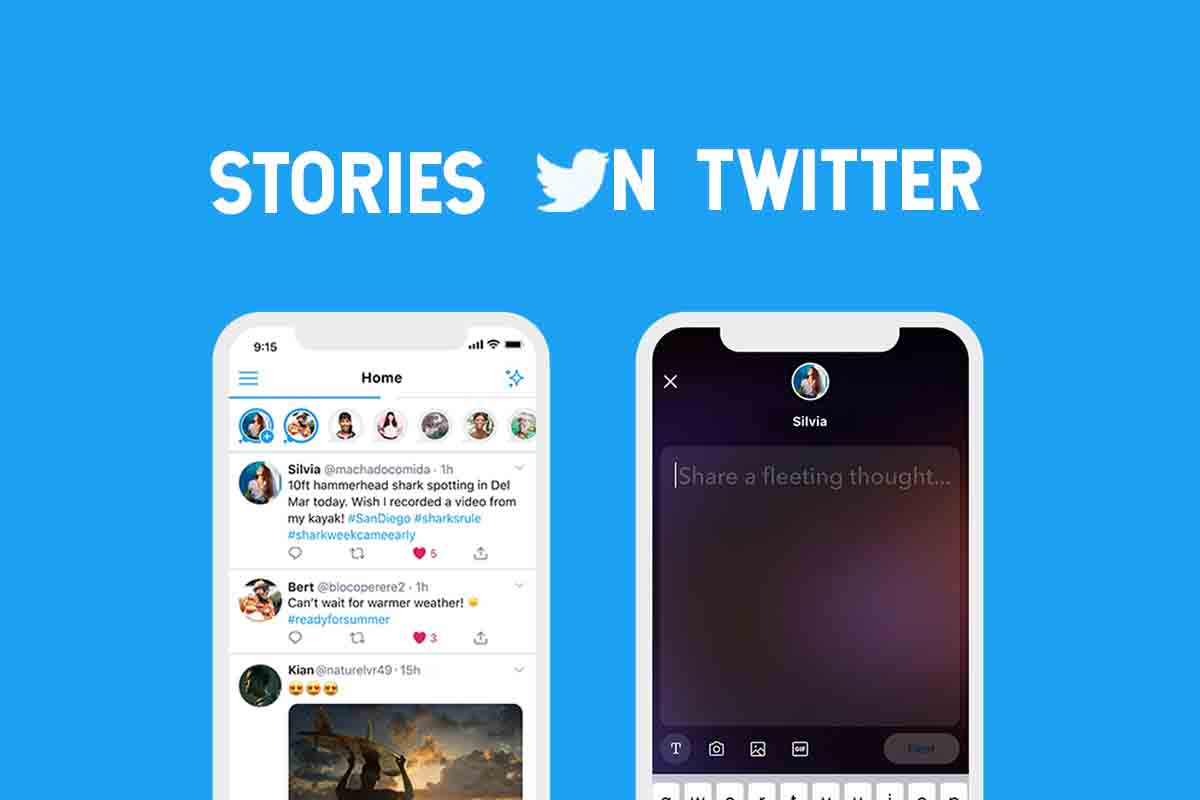
  • Twitter is officially testing its own version of Stories, and calling them ‘fleets’.

    Twitter is officially testing its own version of Stories, and calling them ‘fleets’.

    This week, Twitter announced that it will begin testing a new sharing feature called Fleets. As foreshadowed a couple of weeks back with the acquisition of Chroma Labs, Twitter has now revealed that it is testing ephemeral tweets that will disappear in 24 hours. The test is going on in Brazil, as well as internally among Twitter employees. Fleets appear in carousel at the top of your home timeline, much like Instagram and Snapchat Stories — with a plus-sign button over one’s own profile image to add one’s own fleet. Fleets will also have a limit of 280 characters, like regular tweets, with the option to add images, videos, or GIFs, but it can not be liked or retweeted (re-fleeted?).

    The company believes Fleets can help address one of the primary reasons why users don’t tweet: they feel uncomfortable with Twitter’s public nature. In a statement, product manager Mo Aladham said the company wants, with fleets, “to make it possible for you to have conversations in new ways with less pressure and more control.” Twitter previously hinted at CES in January it would soon test new controls for determining the audience for your Tweets — like public, followers only, and so on. But according to TechCrunch, those tests haven’t yet begun, we understand.

    Twitter is one of the last major social networks to test out a Stories format. The format was first popularized by Snapchat, and later adopted by of Instagram, Facebook, WhatsApp, YouTube, and others. Music streaming platform Spotify also recently announced a test of a Stories-like feature and even Microsoft’s Skype, Match and Bumble have cut their teeth on it.

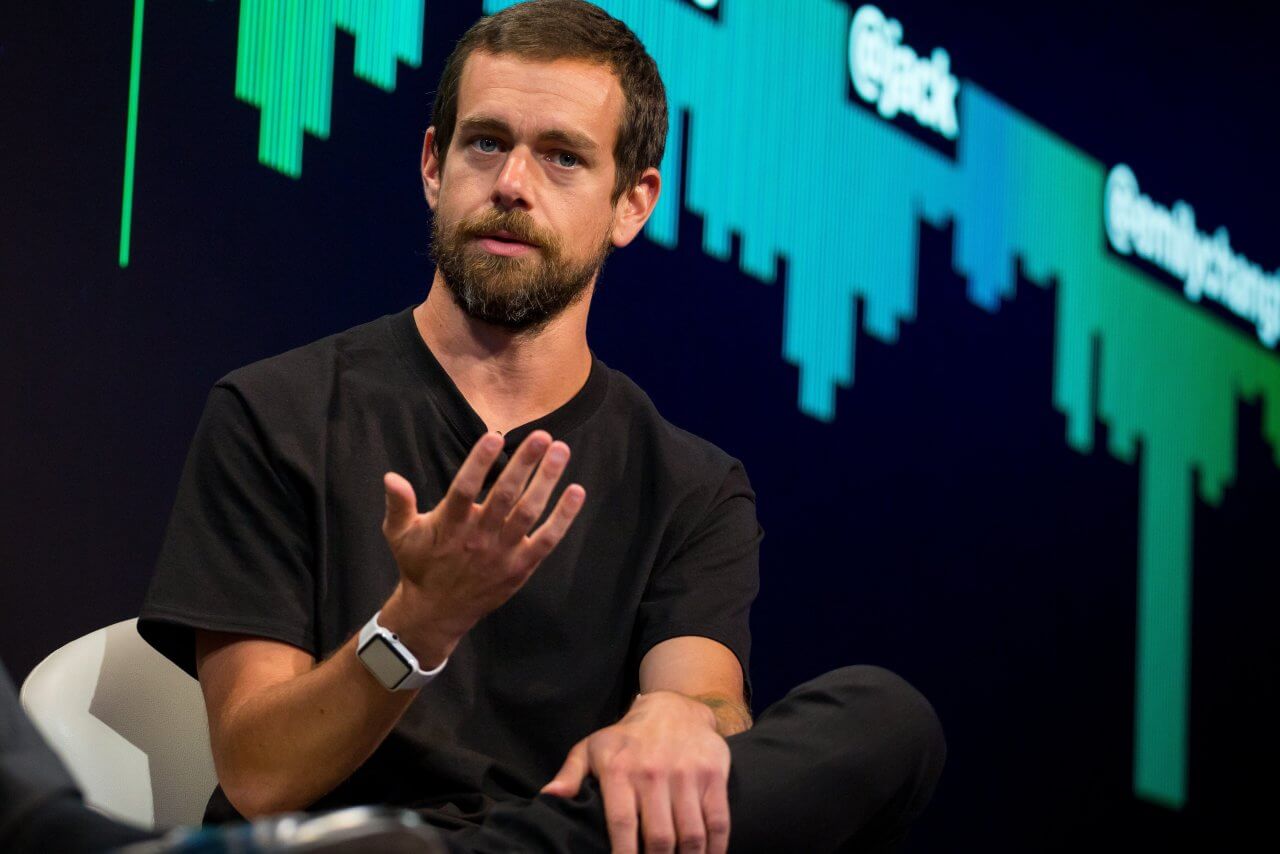
    This unprecedented pivot comes right after activist investor Elliott Management Corp. acquired a stake in Twitter to push for changes at the social network. The investment firm believes Twitter isn’t living up to its potential and that its CEO Jack Dorsey is distracted by side projects and by his other CEO job at Square.

  • Updated: What are African billionaires doing about the coronavirus?

    Updated: What are African billionaires doing about the coronavirus?

    Until only a few days ago, COVID-19 wasn’t really an ‘African problem’. As of now, three cases of infection have been officially recorded in Africa; one in Egypt, one in Algeria and one in Nigeria, with no deaths. These numbers compared to the over 86,000 cases and nearly 3,000 deaths reported in 60 countries across the globe is bewildering to many experts who believe Africa has incapacitated health systems and personnel competent of managing the virus.

    Some credit sub Saharan governments for preparing in advance for the likely pandemic spread. For about a month now, health workers and agencies have worked in sync to implement precautionary measures across several African countries. Because of the continent’s large population and it’s commercial ties with China, Africa was top of the list of places at risks of a uncontrollable widespread. Although what seems to be the bone of contention is whether coronavirus can be effectively handled if more cases spring up, especially in African countries with weaker medical facilities. 

    Since the beginning of this alarming 2020 episodes, billionaires, celebrities, philanthropists and giant corporations from around the world have rallied together to offer massive support in preventing and controlling the deadly disease. The Bill and Melinda Gates Foundation pledged a $100 million support grant, Alibaba founder Jack Ma also donated $14.4 million from his own charity. The National Basketball Association committed $1.4 million in cash and supplies to charities in the Hubei province, where the outbreak began and Boeing shipped 250,000 masks to frontline staff involved in saving the world from the plague.

    The World Health Organisation says the Coronavirus isn’t a pandemic yet.

    This is just a small fraction of response that global bigwigs have pulled in the last few weeks since the outbreak. The aids go to support NGOs, develop more state-of-the-art medical facilities and fund researches aimed at finding the COVID-19’s cure. The reasoning behind this aligns with the famous old saying ‘Prevention is better than cure’. But it could also be grounded in the own quest to save their own Fortune 500 companies and less of the world. 

    In Africa, where there are 20 billionaires with a combined net worth of $73.4 million, we’re yet to hear of any major charitable developments from the men who run the bulk of the economy. Far before the first confirmed case in the continent, The Bill and Melinda Gates Foundation already announced that Africa will benefit $20 million out of the $100 million global response fund. The aid was proposed to help “strengthen detection, isolation and treatment efforts; protect at-risk populations; and develop vaccines, treatments and diagnostics.” The UK based Wellcome Trust also announced a $13 million support grant right after. 

    There’s only limited information about how much African governments are channeling into battling coronavirus, but one thing is certain, it takes more than the government to battle the looming pandemic. Resource constraints and underutilization of funds are potential problems. More money needs to be spent to protect the health workers and the region needs more laboratory capacity to be able to test for the virus.

    One report coming out of China claimed 40 health care workers in a single hospital had been infected with the virus.

    Health care facilities need to be equipped, supplied and the health workers trained on how to prevent the spread of infection within facilities, both from patient to patient and from patient to health care worker. Sensitization programs need to be spring up to control panic and disrupt fake news, a phenomenon that poses a great threat to crisis management. 

    It’s not too much to ask that Africa’s richest men get actively involved in helping governments set up the right infrastructure and equipping health workers with everything they need to end the virus, if the need be. It’s time to put their money to use in for a good course as their western counterparts have. This call is as relevant to Aliko Dangote as it is to Naguib Sawiris. 

    4-March-2020: Africa’s richest man Aliko Dangote has just committed 200 million naira to contain the spread in Nigeria. Ms Zouera Youssoufou, Chief Executive Officer of the Aliko Dangote Foundation said that N124 million has been earmarked to support facilities that would assist prevent, assess and respond to health events at Points of Entry to ensure National Health Security. Other areas the foundation is supporting include surveillance and epidemiology, where facilities worth N36 million will be provided by the foundation to support government’s effort. She said that the foundation would also donate N48 million for case management and training of health workers.

  • What the Netflix Nigerian Entry Means for IrokoTV and other players.

    What the Netflix Nigerian Entry Means for IrokoTV and other players.

    In the late hours of February 25 2020, a newly verified twitter account @netflixnaija tweeted ‘Naija, how far’ followed up with a poster of 14 Nollywood juggernauts including Mo Abudu, Richard Mofe Damijo, Kunle Afolayan, Omoni Oboli, Kemi Adetiba and other prominent practitioners. In 24 hours, the account racked up 15,000 followers and hundreds of thousands of interactions. 

    The tweets, alongside a launch party in Lagos attended by Netflix’s Chief Content Officer, Ted Sarandos and other local stakeholders, put an end to speculations about the streaming giant’s plot to tap into the largest entertainment powerhouse on the continent. 

    Before now, not many people foresaw a soon-as-possible coming. Despite the fact that Nollywood has continued to gain global attention as the second largest film industry in the world (by production volume), it is still very far from competing with its foreign counterparts. 

    Early Nollywood stories were deeply rooted in themes of love, marriage, money ritual, religion, and conflicts with a mother-in-law. They were quickly made with often low-production budgets, poor distribution, bad acting and shallow scripting, resting the industry’s strength on quantity over quality. Nollywood is a DIY-industry that strives on half baked film directors, actors, with shoestring budgets, but it still manages to appeal to a large percentage of Nigerians, Africans and the diaspora. 

    The crew and cast don’t get to take all the blame, if anything, they deserve praises for building out of nothing––literally the ’N’ in Nollywood. Widespread piracy and rampant circulation of unlicensed copies on videotapes and video compact discs (VCDs) has eaten into their profits for decades, and scares off investors from bounty funding. The distribution system made the industry widely popular across Africa and its diaspora. But it prevented Nollywood from consolidating its economy and raising the quality of film production. 

    Nigerian cinemas draw audiences who prefer American films to Nigerian ones. They are also mostly situated in urban centres or cities, and are relatively expensive, shutting a large percentage of the population out of the equation. The government and its policies aren’t helpful either, so it makes zero economic sense to make too large an investment in a film project. 

    However, these challenges have paved the way for Nollywood’s evolution and its increasing global acceptance. If the norm was higher filming standards, proper regulation, and a paying culture amongst Nigerians, Netflix could have established its first African shop in Nigeria, instead of South Africa––the continent’s most advanced economy armed with an increasing middle class. 

    The number of Netflix subscribers in Nigeria isn’t public but South Africa has an estimated 152,588 active subscribers. Don’t sweat, Nigeria surely doesn’t have up to a quarter of those numbers. SA is the only African country that pops up on Netflix’s Top 50 subscribers in the world. The 50th country on the list, Luxembourg has 52,151 subscribers which suggests Nigeria may have far lesser number. 

    Nigeria has a poor cinema culture that is often blamed on costs of movie tickets and inadequate infrastructure––there are only 150 screens for a country of 200 million people. 

    One of the very few people that spearheaded the digital cataloguing of Nollywood assets is British-Nigerian entrepreneur Jason Njoku. Founded in 2011, Njoku’s IROKOTV set out to get worldwide distribution for a broken and undervalued movie industry. The subscription-based service gives paying users access to its vast collection of Nigerian and Ghanaian movies. In less than six months after its launch, Iroko recorded over 500,000 registered users and secured $8m in funding from US-based hedge Tiger Global. It also signed content distribution deals with Dailymotion, iTunes, Amazon, Vimeo and the likes.

    What Iroko was doing and is still doing, is acting as a pipeline for homemade Nigerian content for a wider audience, and helping content creators monetise in more ways. At the early stages of the business, not much of its subscribers and views came from Nigeria, where Njoku set up primary operations. It took a steep increase in Internet penetration across the country, robust marketing, starting an in-house production studio, cable adoption and more funding for the product to scale in its homebase.

    Almost 10 years after, Iroko is yet to rack up to 1 million paying subscribers. This shouldn’t undermine the impact the company has had on new Nollywood. Their production outfit contracts actors and directors, both experienced and newbies; churning out enough original content to keep the users satisfied.

    But Iroko doesn’t escape the stereotypical Nollywood pattern––shallow scripts, popular themes and the recycling of actors, stories and even locations which can become very glaring to an avid viewer. 

    ROK studios which is managed by Jason’s wife and actress-producer Mary Njoku, was recently acquired by Canal+, a French media company owned by media conglomerate Vivendi in an undisclosed deal. The acquisition will help channel administrative support, finance and equipment, and spread ROK’s content across French-speaking Africa, whilst giving Mrs Njoku full autonomy. So far, the studio has produced more than 540 movies and 25 TV series on low budgets typically around $25,000 and above.

    Netflix’s romance with Nigerian film can be dated as far back as 2015. At the time the company bought the rights of blockbusters such as Kunle Afolayan’s October 1st, Biyi Bandele’s Fifty, and other indie films long after they were screened in Nigerian cinemas. In 2018 at the Toronto International Film Festival, Netflix announced its acquisition of worldwide exclusive distribution rights for Genevieve Nnaji’s debut film as a director, Lionheart, a first of its kind in Nigeria. 

    Netflix is already making new investments in content production and infrastructures. In 2016, it deployed a dedicated server in Nigeria in partnership with Spectranet, to hold the entire Netflix content library and will provide customers “with the best possible video streaming performance.” 

    Another advantage for Netflix is that it has a broad and diverse library of original content and licensed rights. Iroko’s hours of content programming doesn’t come close to that. But it doesn’t make much difference, since most of Nollywood’s audience are satisfied with the stories and quality they get. Only a growing sect of young, savvy and foreign based viewers care to see beyond-the-usual Nigerian blockbusters, but it is still a very tiny demographic to guarantee the big spenders returns. 

    Internet penetration is still too weak and expensive to guarantee easy adoption, so if ever there’s going to be a streaming war, it will only come when there are millions of Nigerians actively using the internet. 

    I won’t be too quick to draw a conclusion that Iroko should roll up its sleeves––they better do––but one thing is for sure; Netflix’s entry will push the Iroko, as well as other local content engines in the country to produce more quality content, and go big on marketing. Netflix is here to play to the long game, and they have lots of cash to burn. 

    An active presence means wooing the industry’s best with weightier commissions, grabbing the hottest new content and establishing dominance in the sector. Netflix could have better chances in penetrating the country’s elite market, as richer people in Nigeria and across Africa have easier access to reliable power supply and internet. It may also be targeting Nollywood’s diaspora market which is way larger and profitable. 

    In South Africa, where Netflix already infiltrated as far back as 2015, Multichoice, the continent’s biggest Nollywood distributor has expressed fears over Netflix’s increased interest in African markets, and is pleading with authorities to regulate the platform’s operations.

    Whether Iroko is able to trump Netflix in the nearer future shouldn’t be the bone of contention. We should leave that for venture capitalists to decipher in the board meetings. Is this a win for Nollywood? Or is this just going to be another industry takeover facilitated by cash injections but only very minimal change? Only time can tell.

  • Nigeria has confirmed its first case of coronavirus.

    Nigeria has confirmed its first case of coronavirus.

    LAGOS (6:00AM) — This is the type of news you’ve been hoping not to come across. Nigeria’s Minister of Health Osagie Ehanire in the early of hours of Friday announced a confirmed COVID-19 case in Lagos state. This is officially the first case to be recorded in the country and the third in Sub-saharan Africa, after Egypt and Algeria. According to the Health minister’s statement, “The case is an Italian citizen who works in Nigeria and returned from Milan, Italy to Lagos, Nigeria on the 25th of February 2020”. 

    China’s deadly coronavirus is spreading internationally, here’s what you need to know.

    Osagie revealed that the patient is clinically stable with no serious symptoms, and is been treated at the Infectious Disease Hospital in Yaba, Lagos. This news comes after the World Health Organisation recently declared that African health systems were ill-equipped to respond to the deadly coronavirus outbreak should cases start to proliferate on the continent. Even though the health body has reiterated severally that the COVID-19 isn’t a pandemic yet, it now admits that the epidemic is at a decisive point. At least 83,000 people have now been infected globally, with over 2,800 dead.

    HOW TO REDUCE YOUR RISK OF CONTACTING THE VIRUS.

  • Mexico returns stolen bronze sculpture to Nigeria.

    Mexico returns stolen bronze sculpture to Nigeria.

    The Mexican government on Tuesday handed over an ancient bronze sculpture of Yoruba origin to Nigeria. The artefact was seized at the Mexico City airport after custom officers uncovered an attempt to smuggle it into the country. According to the head of specialists from the National Institute of Anthropology and History Diego Prieto, the sculpture of a man wearing woven pants and a hat, sitting with his legs crossed and holding an in an instrument originates from southwestern Yoruba city of Ile-Ife as far back as the 6th century.

    A Call For Repatriation of African art.

    Mexico’s Deputy Secretary of Foreign Affairs Julián Ventura Valero says, “We oppose the illegal commercialisation of archaeological pieces, an important cause of the impoverishment of the cultural heritage of the nations of origin, since it undermines the integrity of cultures and, therefore, of humanity”. The Nigerian Ambassador to Mexico Aminu Iyawa also acknowledged the work of the Mexican authorities in recovering the sculpture at the handover briefing. Although authorities couldn’t identify how the relic was initially obtained, this development comes at a time when African governments are calling for the repatriation of thousands of stolen art pieces during the colonial era.


  • The World Health Organisation says the Coronavirus isn’t a pandemic yet.

    The World Health Organisation says the Coronavirus isn’t a pandemic yet.

    Covid-19 continues to spread to different parts of the world with reported cases in 37 countries. The virus has escalated in parts of Asia, Europe, Middle East and more cases have been recorded in America and Africa recently. Despite the widespread of COVID-19 in many countries, the World Health Organization has maintained its stance to not label the outbreak a pandemic. In all honesty, whether or not they choose to call it that, it won’t take long before it morphs into one at this rate. According to CNN, “This is unprecedented. Other than influenza, no other respiratory virus has been tracked from emergence to continuous global spread.” Over 80,000 cases of COVID-19 have been reported worldwide, most of it from mainland China.

    The line between epidemic and pandemic

    According to the Centers for Disease Control and Prevention, an epidemic is a sudden spike in disease cases beyond what you’d typically expect in a population of a certain area. On the other hand, a pandemic is an epidemic that’s spread over several countries or continents, affecting vast numbers of people. Pandemic is usually used to describe a disease that affects the entire planet. WHO chief Tedros Adhanom Ghebreyesu said: “For the moment we are not witnessing the uncontained global spread of this virus and we are not witnessing large scale severe disease or deaths. Does this virus have pandemic potential? Absolutely, it has. Are we there yet? From our assessment, not yet”. WHO’s response may be timely right in light of the psychosocial impacts of a pandemic, which according to the American Psychological Association (APA) can introduce problems in addition to disease spread. Fear towards a novel disease could lead people to forego daily activities and stigmatize people.

    “Using the word pandemic now does not fit the facts, but it may certainly cause fear.”

    Tedros Adhanom Ghebreyesu.

    APA’s research shows that novel threats, like Ebola, accelerate anxiety levels higher than more familiar ones, possibly because a brain region known as the amygdala, which processes fear, may contribute to spotting novelty. Mic notes that a 60-year-old man died of apparent cardiac arrest outside a restaurant in Sydney’s Chinatown late last month after bystanders reportedly didn’t give him CPR, fearing coronavirus infection. CNN has also reported a spate of racist attacks against Asians related to the outbreak and other xenophobic rhetorics.

    A woman wears a mask as an employee works to prevent a new coronavirus at Suseo Station in Seoul, South Korea, Friday, Jan. 24, 2020 (AP Photo/Ahn Young-joon).

    Declaring a pandemic grants the WHO no additional powers. But it does signal that COVID-19 is no longer containable within a specific region or regions, and that countries may want to shift their focus toward coping with the virus and away from containment measures. It’s not a stretch to expect the labeling of this outbreak as a pandemic to further fray at our social fabric, with harmful consequences for people of Asian descent in particular. Declaring it as such, if it does evolve into one, may control disease spread but could come at a psychosocial cost. Let’s also not forget the beating of Haitians, blamed for transmitting HIV in the 1980s, and the displacement of Canadian residents of Chinese descent during the 2003 SARS epidemic.

    The last time that the WHO declared a pandemic was in 2009, for a then-novel H1N1 strain of influenza, which some researchers estimate infected 1 billion people in the first six months, and killed hundreds of thousands in its first year (SN: 3/26/10). By comparison, over 2,700 people have died from COVID-19 since it emerged in December.

  • Young Africans are ‘afro-optimistic’ about the future – African Youth Survey 2020.

    Young Africans are ‘afro-optimistic’ about the future – African Youth Survey 2020.

    The African Youth Survey 2020 claims to be the largest of its kind on the continent. In its latest report, it confirms a rapidly-growing consciousness amongst young people in the continent – a concept it termed as “Afro-optimism”. According to the survey conducted by the Ichikowitz Family Foundation, Africa’s youth are confident that the continent is heading for an era of success fuelled by technology and entrepreneurship. This ambition is sparked by a strong sense of individual responsibility, a post-colonial mindset, entrepreneurialism, and confidence in a shared African identity. They are certain collaboration can help solve the continent’s problems and are hopeful of fighting corruption, achieving peace and improving their personal living conditions.

    WHO ARE AFRICAN MILLENNIALS?

    Ivor Ichikowitz, the chairman of IFF believes that the Afro-optimism flourishing among young Africans does not rest on hope, but on their ability to seize the opportunities provided by the modern world. “The findings underscore entrepreneurship as the greatest aspiration of African youth, who are embracing digital technologies to shape their futures. If there were ever doubt in the ‘Africa-Rise’ narrative, this research provides us with strong evidence that Africa’s time is here, and that it will continue to rise – carried forward by a new generation of innovative, responsible and confident leaders”, Ivor added.

    The survey covered 14 countries and included more than 4,000 interviews with young people aged between 18 and 24. Most young people interviewed are displeased with the state of their own country, half of them believe Africa is in a better state than before, and two-thirds say the continent is going through a transformative era. Eighty-one percent of those surveyed think technology “will change the fortunes of Africa,” and 79 percent say Wi-Fi access should be a fundamental human right. Strongly believing in technology and business, three-quarters of young people say they want to launch their own business or social enterprise within the next few years, and many have already ideas they are ready to work on if given funding.


  • Nigerian designer Kenneth Ize makes Paris Fashion Week debut.

    Nigerian designer Kenneth Ize makes Paris Fashion Week debut.

    Paris Fashion Week kicked off on Monday and young designers from several continents across the world have put up stunning shows. One of them is Nigerian-born, Austrian-raised Kenneth Ize who happens to be a 2019 LMVH Prize finalist. His Autumn/Winter’20 collection pays homage to iconic African crafts and textile weaving, including the aso-oke; striped and multicoloured fabrics handwoven in Nigeria. In an interview with Vogue, Ize revealed that his mother’s style of dressing after they relocated to Europe was an inspiration for the collection.

    “I tried to reflect back to the time when [my family and I] were in Africa and how things changed all of a sudden when we moved to Europe. My mother stopped wearing African outfits every day, only wearing them on Sundays. On Mondays, she would go to work in corporate clothing and be a completely different person. She was always so looking forward to Sundays because it was the only time she could really express where she was from and her culture.”

    Kenneth Ize in an interview with Vogue.

    International supermodel Naomi Campbell closing Ize’s presentation was also a major highlight. She’s been a huge supporter of his brand and he calls her his fairy godmother too.  In an instagram post, she wrote, “Congratulations [@KennethIze] on your first show in Paris today. I’m so proud of you. Beautiful collection, thank you. For the first time the seasonal collections in Paris have 3 AFRICAN DESIGNERS”.

    According to the Financial Times, Ize launched his brand at Lagos Fashion Week in 2013 but took a two-year break to complete a master’s program at the University of Applied Arts Vienna in fashion design. He did this under the tutelage of fashion icon, Hussein Chalayan in Austria. His brand focuses on recreating Nigerian fabrics with a touch of luxury.

  • Listen to Efe Oraka’s comeback track: ZION featuring M.I Abaga.

    Listen to Efe Oraka’s comeback track: ZION featuring M.I Abaga.

    Dear Orakians or Orakles (feel free to come up with your own fandom name); just as Efe promised the hive a few days ago on twitter, the wait is finally over. The Wonderland singer made a comeback few ago with a track featuring one of Nigeria’s biggest rappers. She is definitely good at surprises ‘cos nobody saw that coming.

    On this new record, she is matchless with the flow and the hook is melodious. Efe comfortably elevates her voice as she flexes vocal chops on a pulsating beat, reminiscing about a love affair lost in distance and commitments. M.I puts on a clinic in lyricism as he effortlessly rapped over the beats still it fades. All in all, this is a great tune and a nice addition to Efe Oraka’s discography. It will definitely covert new fans and set the ball rolling for an expected project later in the year.

    Listen to ZION on Apple Music:

  • SpaceX plans to fly 4 space tourists around the earth in 5 days.

    SpaceX plans to fly 4 space tourists around the earth in 5 days.

    For years, I’ve reminisced about humans taking private trips to Saturn or the moon, as it appears climate change is doing things to planet. A few friends thought I was hallucinating but the guys at SpaceX have been hard at work trying to send civilians to the space by 2021. The company’s ultimate goal is to “revolutionize space technology” and “enable people to live on other planets“. This explains its latest partnership with Space Adventures, an American space tourism company. Both companies plan to send up to four individuals into space using SpaceX’s Falcon 9 rocket and its Crew Dragon vehicle.

    If things go as planned, this would be the first orbital space tourism experience provided entirely with American technology. “This historic mission will forge a path to making spaceflight possible for all people who dream of it, and we are pleased to work with the Space Adventures’ team on the mission,” Gwynne Shotwell, president and chief operating officer of SpaceX, said in a statement.

    Those chosen for the trip will have to train for a few weeks in the U.S. before launching from Cape Canaveral, Florida. From there, they’ll only spend five days in orbit. It’s not confirmed yet but it seems that the companies are reaching to go beyond the International Space Station which sits at about 250 miles above Earth. Whatever the case may be, the worry here is Crew Dragon hasn’t actually transported any people or non-astronauts yet. So wish them Goodluck.

  • The Winners and Losers at Brit Awards 2020.

    The Winners and Losers at Brit Awards 2020.

    The 40th Brit Awards were presented Tuesday at the O2 Arena in London. The night was hosted by British comedian Jack Whitehall with performances from Harry Styles, Billie Eilish, Lewis Capaldi and Lizzo. Lewis Capaldi was the main man to watch, as he was up for four awards, including best male and best single. His main competition, in both the fashion and music prize stakes, Dave, whose debut album Psychodrama won last year’s Mercury Prize. However, the Brits have been criticised for a lack of diversity this year, with only four women nominated across the four categories open to both male and female artists – best group, best new artist, best song and album of the year. Nigerian superstar, Burna Boy was also nominated for Best International Male artist alongside Americans, Bruce Springsteen, Dermot Kennedy, Tyler The Creator and Post Malone but he lost to Tyler.

    Below are the winners of the night:

    MALE SOLO ARTIST

    Dave

    Harry Styles

    Lewis Capaldi 

    Michael Kiwanuka

    Stormzy – WINNER

    FEMALE SOLO ARTIST

    Charli XCX

    FKA Twigs

    Freya Ridings

    Mabel – WINNER

    Mahalia

    SONG OF THE YEAR

    AJ Tracey – “Ladbroke Grove”

    Calvin Harris & Rag’n’Bone Man – “Giant”

    Dave feat. Burna Boy – “Location”

    Ed Sheeran & Justin Bieber – “I Don’t Care”

    Lewis Capaldi – “Someone You Loved” – WINNER

    Mabel – “Don’t Call Me Up”

    Mark Ronson feat. Miley Cyrus – “Nothing Breaks Like a Heart”

    Sam Smith & Normani – “Dancing With A Stranger”

    Stormzy – “Vossi Bop”

    Tom Walker – “Just You and I”

    BEST GROUP

    Bastille

    Bring Me The Horizon

    Coldplay

    D-Block Europe

    Foals – WINNER

    ALBUM OF THE YEAR

    Dave – “Psychodrama” – WINNER

    Harry Styles – “Fine Line”

    Lewis Capaldi – “Divinely Uninspired to a Hellish Extent”

    Michael Kiwanuka – “Kiwanuka”

    Stormzy – “Heavy Is The Head”

    BEST NEW ARTIST

    Aitch

    Dave

    Lewis Capaldi – WINNER

    Mabel

    Sam Fender

    INTERNATIONAL FEMALE SOLO ARTIST

    Ariana Grande

    Billie Eilish – WINNER

    Camila Cabello

    Lana Del Rey

    Lizzo

    INTERNATIONAL MALE SOLO ARTIST

    Bruce Springsteen

    Burna Boy

    Dermot Kennedy

    Post Malone

    Tyler the Creator – WINNER