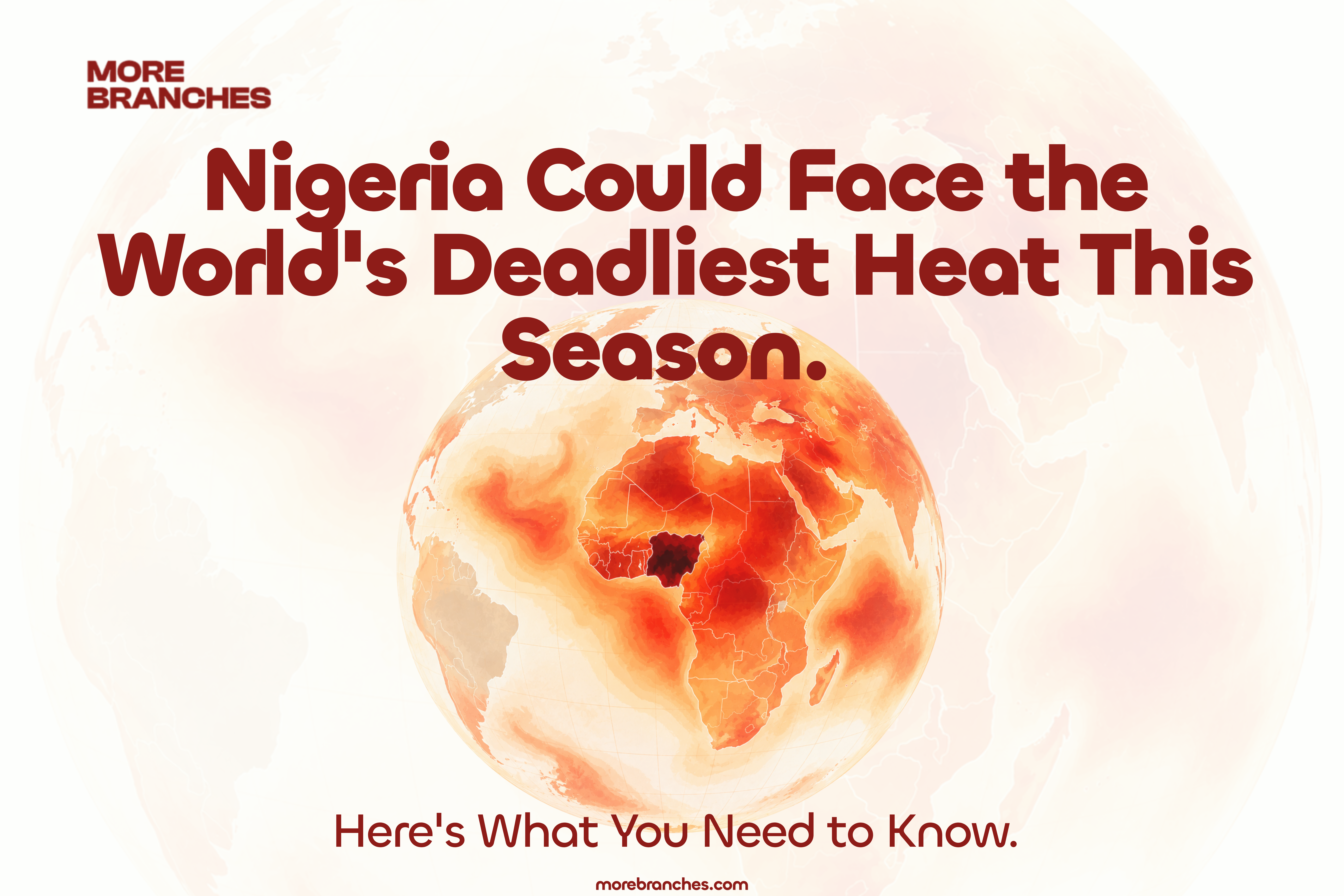
A new study from the University of Chicago’s Climate Impact Lab projects that the super El Niño could cause 31,400 extra heat deaths in Nigeria alone. That’s more people than fill Teslim Balogun Stadium, and it puts Nigeria at the top of a list no country wants to lead.
What’s Going On?
El Niño is a natural climate pattern that is driving up global temperatures. This year’s has grown into a “super” El Niño, and combined with the global warming the planet is already experiencing from fossil fuel pollution, the heat consequences could be devastating. The researchers expect the number of extremely hot days to rise by 44 per cent compared with normal years.
Globally, the report estimates the heat from El Niño could take 451,000 lives between June 2026 and February 2027. To get there, the team combined temperature forecasts with research on how heat affects death rates in more than 24,000 regions worldwide.
Why the Sahel, and Why Nigeria?
The hardest-hit region is expected to be the Sahel, the dry belt stretching across Africa between the Sahara and the tropical savannas. Across Nigeria, Sudan, Niger and Chad, these four countries will likely see 66,800 additional deaths from extreme heat compared with a normal year. Sudan is projected to have the second largest number of heat-related deaths at 17,500, followed by Niger with 10,000 and Chad with 8,000.
Nigeria’s number is the biggest partly because of its size. Researchers found there will be generally more heat-related deaths in impoverished regions of the world than in wealthier regions facing similar temperatures.
That’s the uncomfortable truth behind the headline: heat is most dangerous when you can’t escape it. In Nigeria, more than 60% of people lived below the national poverty line in 2025, and even homes connected to the grid face regular power cuts. When the light goes, so does the fan. Add the millions of Nigerians who work all day outdoors, from traders and okada riders to farmers and labourers, and the risk becomes clear.
Who’s most at risk?
Some people’s bodies struggle more with extreme heat than others:
- Older people, especially anyone over 65
- Young children
- People living with disabilities or chronic illnesses
- Outdoor workers with nowhere cool to rest
What Can Actually Help?
Experts say governments can deploy early warning systems, establish hydration stations and cooling centers, protect outdoor workers, and prepare public hospitals for patient surges. While we wait for that, there are simple things we can all do:
- Check on the elderly: Call your grandparents, parents, and older neighbours during hot spells to make sure they’re drinking water and staying cool.
- Hydrate early and often: Don’t wait until you’re thirsty, and avoid the midday sun where you can.
- Use community spaces: Churches, mosques, and community centres can serve as places to cool down and get water. Ask yours to step up.