
The International Monetary Fund (IMF) has highlighted concerns over Nigeria’s resumption of subsidies on premium motor spirit (PMS), commonly known as petrol, stating that this move was done through indirect means.
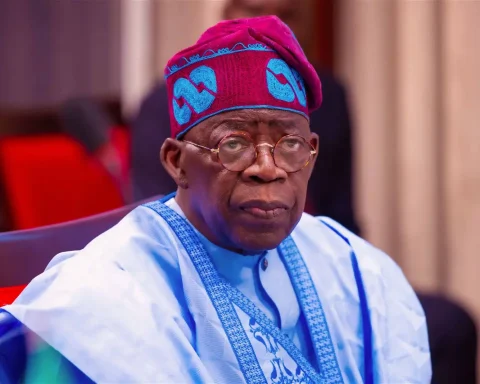
President Bola Tinubu had announced the end of petrol subsidies on May 29, 2023, which led to a surge in prices of goods and services across the country.
In a recent statement following its Executive Board’s Post Financing Assessment with Nigeria, the IMF expressed worries about the government’s decision to cap fuel prices at retail stations.
“To ease the impact of rapidly rising inflation on living conditions, the government has released cereals from the grain reserve, provided subsidized fertilizer to farmers, capped retail fuel and electricity prices—thus partially reversing the fuel subsidy removal—implemented a civil service wage award, and suspended the VAT on diesel.” the statement read
The IMF advised President Tinubu’s administration to halt petrol subsidy payments entirely, suggesting that the government prioritize revenue generation and the digitization of public services to address fiscal deficits.
“The government’s focus on revenue mobilization and digitalization would improve public service delivery and safeguard fiscal sustainability. The envisaged reduction in the overall deficit in 2024 would help contain debt vulnerabilities and eliminate the need for CBN financing.”
The IMF recommended the complete phasing out of electricity and fuel subsidies based on these suggestions.
“Temporary and targeted support to the most vulnerable in the form of social transfers is needed, given the ongoing cost-of-living crisis. Fuel and electricity subsidies are costly, do not reach those that most need government support, and should be phased out completely.”
Some individuals and groups have criticized IMF’s recommendation as “anti-masses” and called on the Nigerian government to pursue domestic solutions to improve the economy and its citizens’ livelihoods.
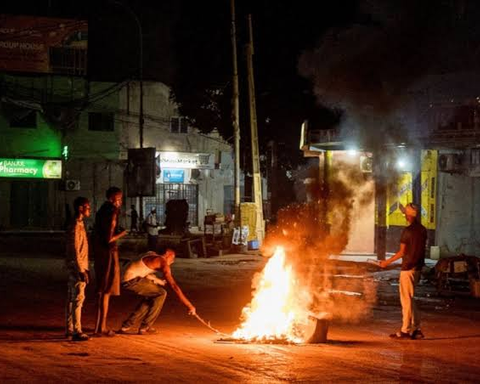
There have been reports of queues returning to petrol stations in major cities in the country, however, the Nigerian National Petroleum Company (NNPC), is reassuring the public that there is an ample supply of petrol to meet demand.