Nigeria is in the throes of a dire diphtheria outbreak that has claimed the lives of over 600 individuals, with a predominant toll on children, since its emergence in December 2022. This recent epidemic surpasses the 2011 incident, which documented a mere 98 cases.
Kano state, situated in the northern region, has emerged as the epicenter of this health emergency, enduring the brunt of the outbreak with over 500 confirmed fatalities. Encouragingly, there is a flicker of hope as the number of active cases has recently dwindled.
Diphtheria, a highly contagious disease predominantly affecting the nose and throat, with potential for skin ulcers, spreads through coughs, sneezes, and close contact with infected individuals, often leading to fatal outcomes in severe cases.
Regrettably, many of the affected children remained unvaccinated. Dr. Faisal Shuaib, the head of the National Primary Health Care Development Agency, stressed the preventable nature of this ailment during his visit to a diphtheria isolation center in Kano city, expressing, “Witnessing the young children suffering from this entirely preventable disease at the center today was profoundly heart-wrenching.”
The death toll continues to mount, with the Nigeria Centre for Disease Control and Prevention (NCDC) reporting 453 fatalities and 11,587 suspected cases as of September 24.
The World Health Organization (WHO) cautions that the actual fatality and infection rates may be higher due to insufficient testing and unreported symptoms. Nevertheless, efforts like contact tracing have contributed to the decline in case numbers.
This devastating outbreak has touched 19 of Nigeria’s 36 states and the federal capital, Abuja. The hardest-hit states are all located in the north, including Kano, Yobe, Katsina, Borno, Jigawa, and Kaduna.
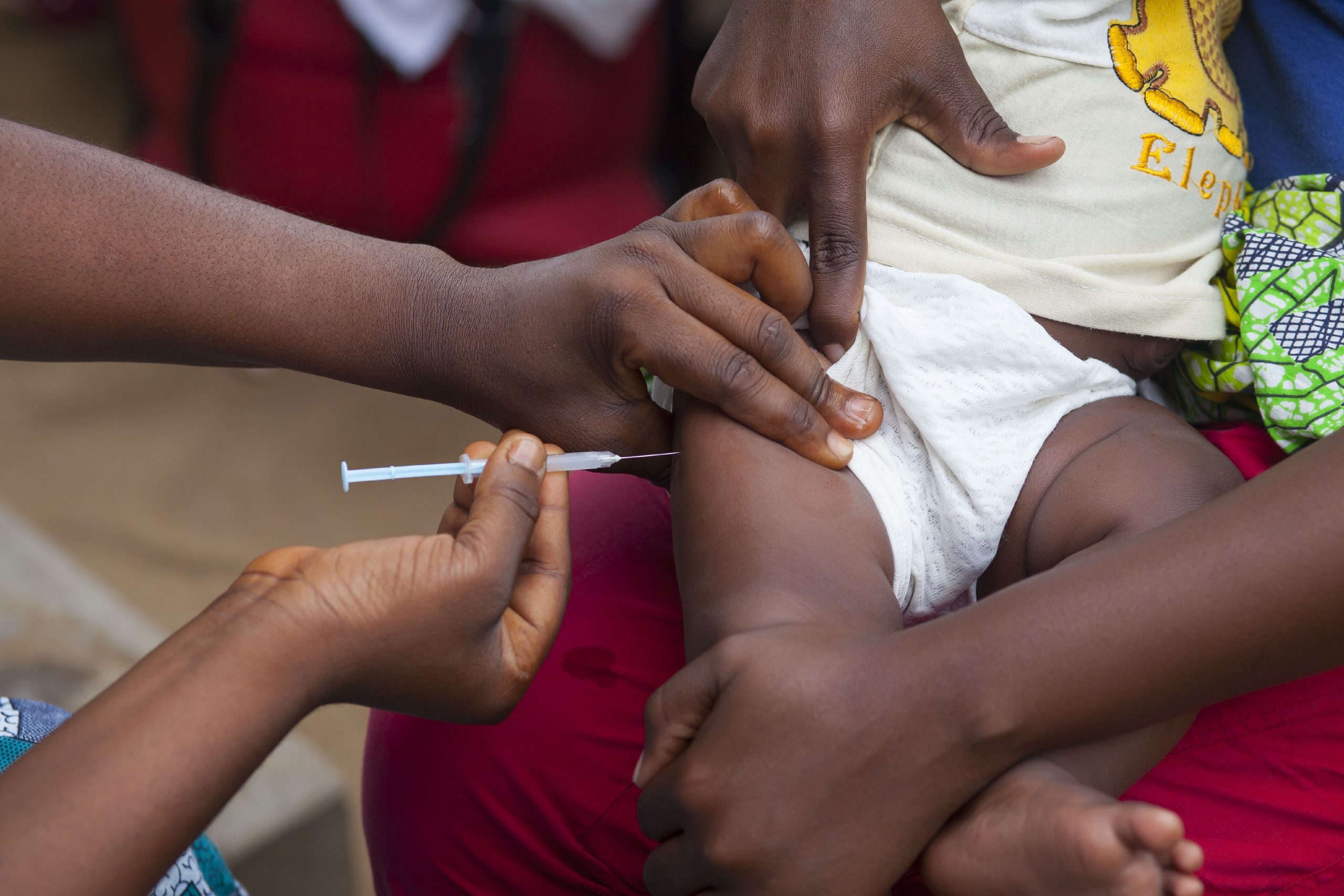
Health authorities are imploring parents with unvaccinated or partially vaccinated children to ensure their immunization, underscoring that vaccination is the most efficacious means of managing the ongoing crisis.
The WHO emphasizes that only 57% of Nigerians have received the pentavalent vaccine, offering protection against five life-threatening diseases, including diphtheria. To avert future diphtheria outbreaks, the WHO asserts that Nigeria must heighten vaccination coverage to encompass at least 80% of the population.