
The United Kingdom is home to a diverse range of Black rappers and singers originally from countries in Africa and the Caribbean. Rappers like Tinie Tempah and Fuse ODG are crucial in discussing identity and the intersections of roles played by the African diaspora in developing the UK’s cultural milieu.
For Ashley Afamefuna Nwachukwu, who is best known in the UK and the music industry as Knucks, it can be said that he not only follows in the heritage laid down by his predecessors. Rather, he is intentional about taking the baton and pushing an even more Afrocentric narrative that celebrates the complexity, if any, of being Black and African in the United Kingdom.
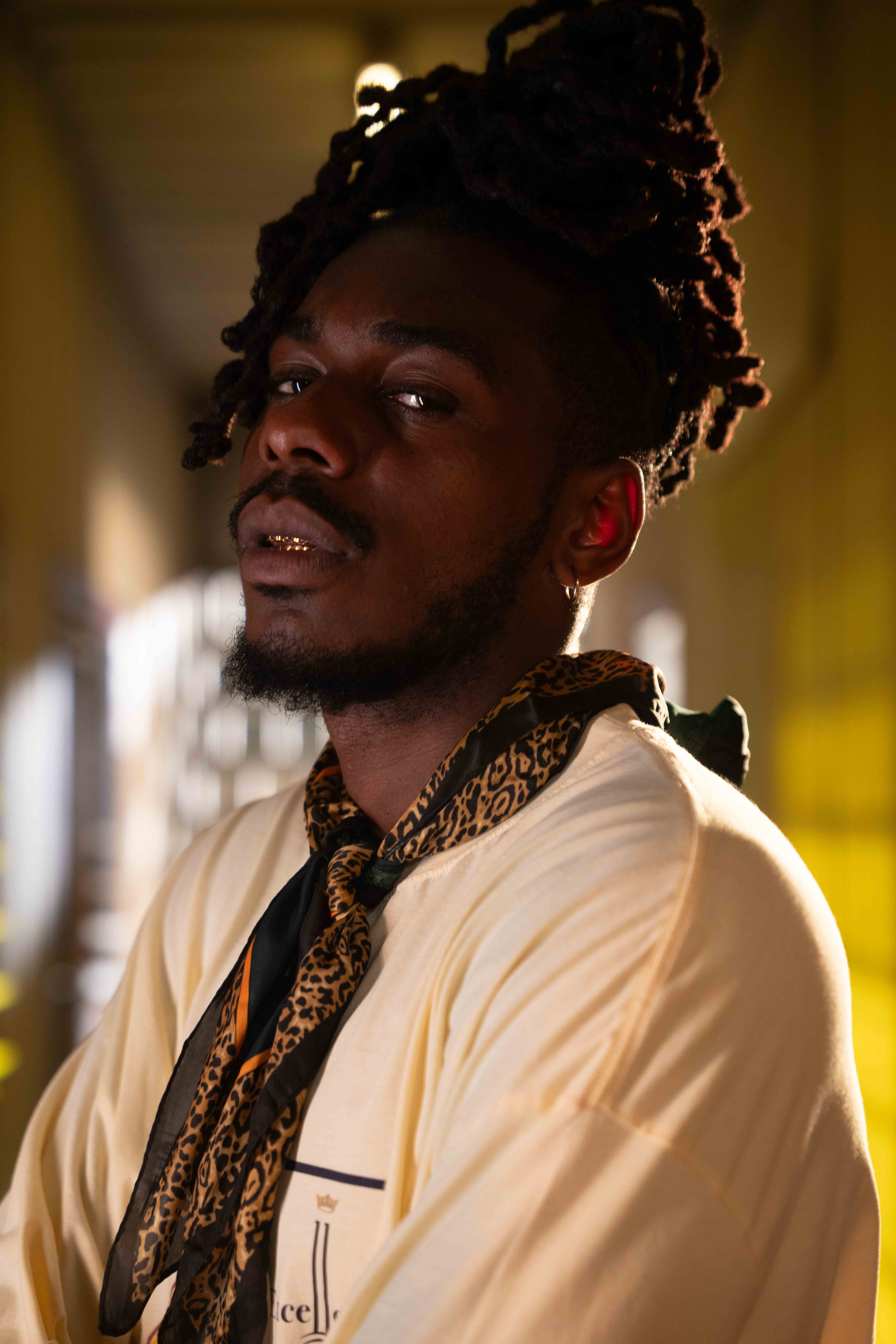
No other body of work of his aptly speaks on issues of identity and cultural heritage like his most recent album titled A Fine African Man. In this album, which has strong collaborations with leading musical talents in Nigeria, Knucks sets the stage for what should be the ideal guide in navigating multiple identities.
More Branches engaged him in a discussion about the inspirations behind the album and the necessity of diaspora and homegrown artists collaborating.
First of all, congratulations on your recent album called AFAM (A Fine African Man). What was the creative process behind it and the inspiration for this album?
The initial meeting I had with my managers was about making an album that utilised the concept of being in Africa. This is because a lot of the big hits at the time were all African music and specifically Nigerian music. Around that time, which was three years ago, I had a song that went big.
That’s when I had the idea to maybe use it as an opportunity to continue from the last album. There, I mentioned how I went to Nigeria for a year in school and how it changed things.
I wanted to make an album where I talked about it more in depth and where I talked about the ways the experience changed me as a man.
That’s where it kind of came from. Then I just started. I went into just making the music.
Your album has a very interesting title. What is the story behind the naming of A Fine African Man, and where does it fit in conversations about masculinity and what it means to be an African man?
Once I figured that the theme was going to be centered around my experience in Nigeria, I knew that the name had to reflect that in some sort of way.
But then I also realized that there were a lot of themes of lack of identity, where I’m questioning my identity, my culture, and just who I am as a person.
I wanted to subtitle it, but title it with my Nigerian name as a way to show that whatever identity issues I may have had in the past, like not being proud of my name, those things were now a thing of the past.
Now that I was proud of my name, I wanted to make the album a code after my name. I then thought: “How can I make this more subtle?”
That made me use the acronym A Fine African Man for my Nigerian name, which is A-F-A-M.
I felt it was the best opportunity to do that because my Nigerian name translates to “My name will be” or “My name will not be forgotten”. I felt all this was significant.
Your album features renowned Afrobeat artists and indigenous rappers like Tiwa Savage, Blaqbonez, and Phyno. What are your thoughts on the necessity of collaboration across diverse genres?
I think it’s important to collaborate with different genres because doing that allows you to try sounds and use different methods of getting your message across. Whether using more melody or going on a different tempo. Also, it just opens you and your fans up to a whole different type of music.
On this project, I thought it was important for me to do it because when I’m doing an album, I feel like it’s important to have a theme and have something that everything kind of stays on.
And with me deciding that it would be about Nigeria and the diaspora, I felt it was important to reflect that in the artists that I was working with, not only with the sounds, not only with the visuals, but also with the artists. That was to authenticate what I was trying to do.
What are some other themes that you sought to explore in this album?
As I said before, the theme of identity was very important. The themes of culture, themes of pride within one’s culture, themes of growing from a boy to a man, like that transition period, all of these were important. And like the things that you learn within that transition.
Also, the theme of relationship dynamics was something I sought to explore as well.
I used these as an opportunity to kind of discuss some things that I think go on in other settings that I myself am very involved in.
Is there a particular song on the project that you feel best captures your vision of what it means to be “A Fine African Man”?
I think there are a few songs that kind of show the real depiction of a fine African man, but in different ways, it would be the track called Masquerade. I would say that song is a really strong depiction of that vision because of some of the things I talked about.
There’s an instrument called ogene that is native to my tribe. And I had my mom and my dad playing it in the background of the song. I think Cut Knuckles is also a very good example of that.
Especially ’cause it was the first one that really put its stamp. In it, I talk about how, from the last album, things have changed for me in things like interest from the opposite sex.
Changes that brought back memories from how I was living before I came back to Nigeria. So that duality of home and how, like where I’m living, things definitely reflected there.

As a UK-based rapper, what have been some of your key moments in bridging the connections between African rappers based in the UK and those in countries like Nigeria and other African nations?
I probably think the first real significant time I feel like I bridged the gap was when I performed with Jeriq. Jeriq invited me out. It was at one of his festivals. That’s the first time that I ever performed on a stage full of Nigerians in Nigeria.
I feel like that’s probably the first time that the people in the house had seen a UK rap box on the stage in front of them.
I think it’s the first of many, but it was definitely an introduction for me, too.
What do you want those who listen to the album to take away from the experience?
I want people to take from the album that I am a proud African man now, a fine, proud African man, and that we as Africans should all take pride in where we come from.
I know we have a lot of shared experiences that build character and build who we are as individuals, and make us the way we are. There’s something in that that should make us all feel proud.
Also, I want them to take away the connection that we all have wherever we are. Whether we grew up in America, the UK, or somewhere else in Europe. Or we grew up in another African country, it’s like we all have something in common.
As different as we may seem to each other in upbringing, I still have the same blood as the next Nigeria,n and I’m still representing the same place.
In recent years, there’s been a lot of interest in the UK scene and UK music globally, and within that there’s been interest over here to hear UK music, so I just felt it was important to use it as an opportunity to bridge the gap between us.