
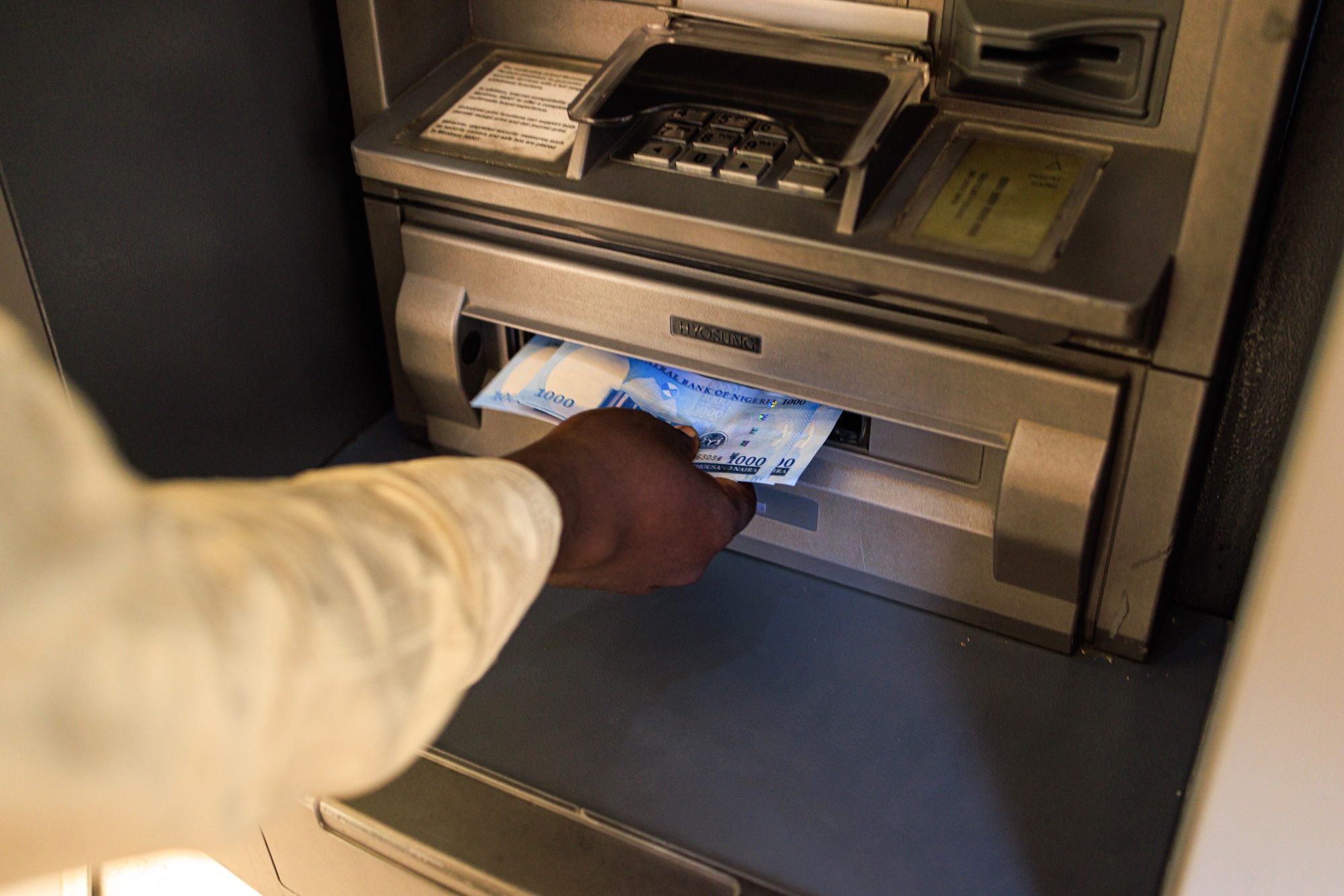
Nigeria’s naira weakened for a ninth straight day against the U.S. dollar, cementing its status as the worst-performing currency in the first half of 2024. A steep devaluation, insufficient dollar liquidity, and market volatility have hampered efforts to stabilize the currency.
The naira depreciated by 0.2% to 1,510 per dollar by the close on Thursday, according to FMDQ data compiled by Bloomberg. This marks the longest losing streak since July 2017 and brings the naira’s decline since the start of the year to 40%.
A Bloomberg report attributes the naira’s nearly 40% depreciation primarily to U.S. dollar shortages. The Central Bank of Nigeria’s (CBN) aggressive interest rate policy has failed to attract foreign capital and reverse the naira’s downward trend.
After the naira’s rapid depreciation in the first quarter of 2024, Nigerian authorities responded by implementing measures to halt the decline. These included blocking access to cryptocurrency exchanges and cracking down on currency speculators using peer-to-peer crypto trading platforms. This led to the arrest of Binance executives Tigran Gambaryan and Nadeem Anjarwalla.
Initially, these measures helped recover significant losses incurred in February, temporarily making the naira the best performer after it nearly breached the NGN1,000 per dollar mark. However, the recovery was short-lived, and by the end of June, the naira traded around NGN1,500 per dollar, making it the worst performer among currencies tracked by Bloomberg.
Samir Gadio, head of Africa strategy at Standard Chartered Bank Plc in London, noted that what matters now is “whether [Nigeria] can stabilize on improving foreign-exchange inflows and perhaps see some appreciation.”
In contrast, the Kenyan shilling emerged as the best-performing currency globally in the first half of 2024, appreciating by 20.7%. The Zambian kwacha, with a year-to-date gain of 6.9%, was the third-best performer. Meanwhile, the Egyptian pound and Ghanaian cedi were the second and third-worst-performing currencies, respectively, with the cedi depreciating by 21.8% year-to-date.