Tag: Safezone

  • #Safezone: Stigma Against Mental Health In African Societies Cripples Its Improvement

    #Safezone: Stigma Against Mental Health In African Societies Cripples Its Improvement

    Stigma is a mark of disgrace associated with a particular circumstance, quality, or person,  that’s thought to be, or actually is, a disadvantage [a negative stereotype]. Discrimination often arises from stigma, and it could span from the odd negative remark to avoiding people for absurd reasons. Stigma in regards to mental health. the stigma in relation to mental health in Nigeria is deeply entrenched in our society, as much as going to Yaba psychiatric hospital for a checkup, is enough to stigmatized as straitjacket mad and avoided. This stigma affects adolescents and adults to points where they do not fully communicate, or even recognize, their symptoms, this impedes many from seeking the help they require.

    As someone with social anxiety disorder, I’ve often been stigmatized in new environments as being proud and thinking of myself to be better than everyone else, where in actuality I was scared out of my body to talk to new people. Like in my first year of university, when someone let me know that the girls in my department often gossiped about me being a proud snob for not approaching any of them to talk, this obviously pulled me further away from them, from irrationally thinking people thought less of me, to actually knowing they did. That stigma did no good for my interpersonal relationships throughout university. In retrospect, I don’t blame them now, it just makes me think that they would’ve reacted differently if conversations about mental illness were a thing and they could tell if they saw social anxiety disorder and tried to help, rather than hurt.

    For young people, for instance, with depression, they’ve probably heard stuff like ‘You’re just sad, cheer up’ ‘You’re too young to be depressed’ ‘What are you going through to be depressed? People have it way worse’ too many times to count, it’s rather daunting to have everyone make you feel like you’re the cause of the chemical imbalances in your brain, and give you no viable choice to make it stop other than ‘Cheer up’ [Thanks, I’m cured… ].

    People assume mental illness only happens to other people. They don’t recognize the experiences they’re having as symptoms or manifestations of mental illness, so most end up simply not asking for help, and reluctant to take it when given the opportunity. With mental illness, the shame doesn’t come from having it; the shame comes from feeling that we have to hide it.

    We can recognize that mental illness may be a part of who we are—a part that has to be managed, just like having a speech impediment or asthma—but that does not define us or devalue us. By telling our tales, we can avoid missing out on life by hiding those parts of us.

    There is a great lack of understanding by family, friends, co-workers or others, discussions about mental illness often end abruptly with someone asking God to help us, ignoring the fact that it is a problem.  The stigma attached to suicide, for example, prevents us from actually tackling this problem head-on, and treat it like a problem deserving of pragmatic solutions; rather than something that happens often that we pray for God to solve and save us from white culture.

    Coping with already existent Stigma

    Get treatment: Don’t let the fear of being labeled with a mental illness prevent you from seeking help, and in turn, create self-doubt and shame from believing you should be able to control what you’re going through without help and your struggles are a sign of weakness. Isolating yourself also isn’t a great idea; try reaching out to friends and family sensitive enough to handle the discussion of your ailments.

    Positive reinforcement is a great self-help tactic, don’t equate yourself with your illness: You are not an illness. So instead of saying “I’m bipolar,” say “I have bipolar disorder.”

    Join a support group. Being in or following some local groups, such as  Mentally Aware Nigeria Initiative, or twitter accounts like Psyched-up can go a long way in making you feel less alone.

    Speak out against stigma. Consider expressing your opinions at events, or on the internet. It can help instill courage in others facing similar challenges and educate the public about mental illness. Generally, more open dialogue about mental health [yours and in general] will do a great deal of good, repressing these conversations is how the stigma keeps on propagating. You never know, you may end up educating yourself and others about it.

    Stifling stigma as a society

    We need to incorporate mental health studies into our school systems/curriculum, I didn’t hear a thing about depression in biology, primary or integrated science. I had to grapple with the ideas of these concepts on my own, and that can be difficult, confusing and may take a long time. Kids need to be educated with these concepts as soon as possible in order to not spend a considerable amount of their lives believing that they’re inadequate.

    If someone comes to you with their mental health issue, please refrain from referring to their struggles as “a phase” or something they can control “if only they tried.” many do this because we do not encourage equality between physical and mental Illness. You won’t make fun of someone with cancer or heart disease unless of course, you’re asshole of the year. With mental health, it shouldn’t be any different.

    Let the media know when they’re being stigmatizing; the way the public let Maggi know they were stigmatizing with an ad that was perpetuating negative feminine gender role representations & stereotypes. If you notice a film, series, documentary, etc, that misrepresents mental illness, you can write to them laying out your grievance, more often, negative stereotypes are furthered due to ignorance, and writing to that producer may help someone in a position of power in media dissemination, to know how to not use that power in a destructive way.

    I believe we should add mental health to our index of words and be more frequent in day-to-day conversation. And while we encourage ourselves to talk more openly about mental health, we should also try to be conscious of language, because words hurt too.

    In the end, others’ projections & judgments almost always stem from a lack of understanding rather than information based on facts. Learning to accept your condition and recognize what you need to do to treat it, seeking support, and helping educate others can make a big difference.

  • #SafeZone: Finding Your Own Knowledge Despite Dyslexia

    #SafeZone: Finding Your Own Knowledge Despite Dyslexia

    We continue our #SafeZone series with a new submission from a young African who’s overcome the limitations of Dyslexia, rising above it, founding a fashion house and modeling agency. She shares her experience. 


    My first thought; did I spell that correctly? My second thought; how will I, a dyslexic, get through composing a whole article? My earliest memory of Dyslexia comes from primary school. I remember trying to study for an exam and getting frustrated because I didn’t understand my own notes. I also recall an English extracurricular I was placed in towards the end of primary school that included spelling tests where we had to spell words out to the whole class; a class of about 30 students.

    Getting through secondary school is undeniably one of the hardest fights I’ve had to put up with. Trying to recall it seems more difficult than I thought. A subject I struggled with the most was Math; no surprise here. Till this day, my father thinks the reason I didn’t fail this subject was that of the home tutor he got me in my final year. He will probably never know about my sleepless nights trying to figure out how to solve simultaneous equations because getting the workings right would give me more marks on my paper. Or how I turned my literature notes into colour coding central so I’d remember the difference between the Literary Devices we studied because just reading their meanings made no sense. I crawled my way through IGCSE, passing just enough to get me to A Levels. This is where the depression with dealing with dyslexia crept into my life.

    It’s advanced literature class and we’re reading Pride and Prejudice. We’re going around the room reading about a page each. Before it gets to my turn, I practice using my thumb to follow the words so I don’t get lost and the page doesn’t turn into a sea of alphabets; this happens frequently. The person before me reads as I pay attention really carefully so I know when to start speaking. It’s finally my turn. The moment I anticipated nine readers before I have finally arrived, I take a deep breath and start saying the words my thumb is beneath. There’s no rhythm, there’re no syllables, I’m just saying words. I even ignore full stops. I got through my page but it was terrible. I couldn’t feel my tongue or thumb because anxiety had consumed my body. The only reason I wasn’t stopped midway is that my literature tutor was a nice guy; bless his soul.

    This is the exact moment I thought “okay, maybe I have a problem” because what just happened didn’t seem normal. Everyone read their page perfectly so why couldn’t I? I really wish I could say this was also the moment I realized I had dyslexia. It wasn’t. I had read in front of people before. I had also had a bit of trouble reading in the midst of people but I never understood or knew the reason behind it.

    The rest of AS (High School) was a blur. I only remember skits for that academic year. Like being extremely hard on myself for not understanding my business studies notes, screaming at my reflection for “being stupid” and hitting myself on the head hoping whatever was wrong with it would stop if I hit it hard enough. I remember cans of Redbull and post-its everywhere. My room was covered in colour coded notes and post-its.  I also remember crying. I cried every day. I cried when I woke up, cried in the shower, cried while walking to a class about to begin a new topic knowing damn well I didn’t understand or recall the last three topics, I cried while in the sick bay after I had lied I wasn’t feeling too well just so I wouldn’t sit through huge textbooks and letters; so many letters that made up sentences that I couldn’t comprehend.

    I remember barely finishing my exams with a none existent self-esteem and the words of one of my secondary school teachers on replay in my head; She won’t amount to anything. Words that meant nothing to me till after my AS exams. Despite the doubled work ethic of someone with dyslexia, we are often called lazy, unintelligent and even forgetful. This can have long-lasting effects on how we view ourselves because we know just how much effort we’re putting in. It’s more difficult when you don’t know you have dyslexia, which was my case. Luckily, it’s one of those things you can self-diagnose. It’s not just falling lines on a page, it’s fluently reading a sentence and having absolutely no clue what you just read regardless of reading it over and over again.

    As a young adult, there are several ways dyslexia could disrupt your everyday life. Forgetfulness is one of them; I already hear a chorused “God forbid” from all the African parents. It’s okay, this is as real as it gets and non-spiritual and the fact is your kid probably has dyslexia. Forgetfulness will come in sneaky ways. You’ll forget conversations extensively had and get into arguments with the other party because they can’t believe you would forget a discussion you had 48 hours ago. You may forget instructions you’re given.

    Another way dyslexia shows up in everyday life will be spelling. I thank Steve Jobs every day for autocorrect. People with dyslexia always find a way to communicate (even with themselves) without words; because it’s clearly not their strongest point. A significant amount of us don’t actually have a consistent inner voice, we use images and feelings to speak for ourselves.

    I think the worst part about dyslexia is when you just can’t find the words to explain what’s going on with you. Not just with the disorder, with life. You can’t verbally vent so you paint some cryptic shit on a canvas and when people ask what your art means, you tell them “it’s whatever you want it to mean”. Because even if you found the words in your head, your mouth would mistranslate them and what you end up saying will have little to no meaning; that was more than personal, forgive me. My advice to you in all this will be to write everything down. Not really into pens and pads? Type it in your electronic device. Date your pages and make as many notes as you wish

    If you see traits of dyslexia in someone you commute with frequently, in the words of Nasir from the Social Anxiety post, don’t be a dick. It’s unnecessary. Regardless of this shared disorder, everyone still varies in their own way. Dyslexia can be cognitive or developmental, it’s up to you to find your own system or process of dealing with it, don’t ever feel less special about yourself or abilities, don’t feel weakened or low, Dyslexia is something a lot of people deal with and you too can find more if you try.


    Written By Sessi A. Koshoedo

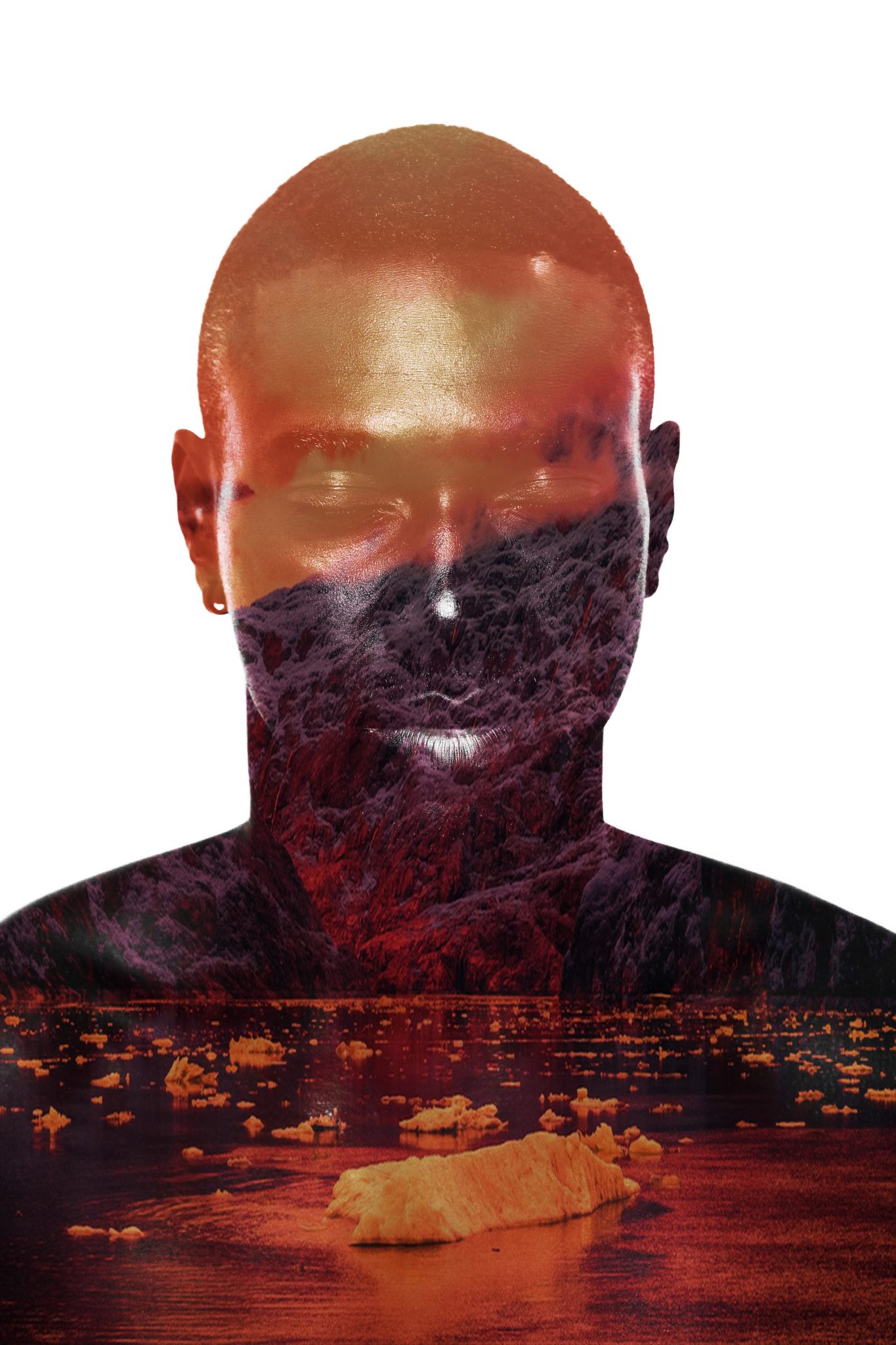
    Feature Art By Ose Adeniyi

  • #Safezone: Are You Paying Attention to ADHD in Nigeria

    #Safezone: Are You Paying Attention to ADHD in Nigeria

    Previously, More Branches began a series of articles with the tag ‘#SafeZone‘ the first installment of which, was on Social anxiety disorder; soon after we received a submission from a reader who resonated with the first article and decided to write about his experiences surviving through ADHD in Nigeria.


    Silence, I was going to start with that. Then drift into how I would think of silence and forget that I was supposed to clear my mind, then start thinking of how to clear my mind and end up falling into the bottomless pit of my endless thoughts. I open up my notes to begin, I find out I have my old notes from last year, I signed into my old iCloud finally yesterday, I was curious about what I had been writing last year, I found my old poetry, plans, to-do lists, etc.

    I begin, after the first sentence, Ayuba plays an episode of Archer on the TV, they’re talking about a disc; the struggle begins, the battle for my attention, my own thoughts only coming to me between the pauses of the conversation; all the while my mind wanders, my attention is drawn away, by the white noise in the room, the blast of the air conditioning right above my head, cars passing by outside the window, I could probably count how many cars have passed in the last hour. Wait I’m supposed to be telling them what it’s really like to live with this condition through my experiences in a country that doesn’t believe in cognitive disorders because everything is spiritual. One that also believes the saying ‘all humans are equal’ = ‘all humans are the same’.

    For me, finding out I had ADHD was one of the best things, finally, I could tell what the brick wall I had been hitting all my life looked like, I could finally see the invisible enemy I had been wrestling with. The mole in my efforts to get shit done, why my days seemed like I had only 8 hours even though I sleep less than most people (exempting days with major depressive episodes). Even why I couldn’t just quite resonate in perfect harmony with school. The worst part is, I had no idea there was a wall or a battle, to begin with; people just always told me that I forget stuff, I’m too distracted, not listening/paying attention, I didn’t realize this was something happening not of my own volition and whenever I read, heard or watched the stories the “scientists” tell about it, I’m always like “LOL, that’s fucked up, I’m glad that’s not me”; I refused to accept my own diagnosis, in a state of denial of what I’m going through.

    And at that moment when Adedayo Laketu said, “Bro, I think you have ADHD, you should really research it, you’re always never focused or over-focused”, and I went and took the test, revealing a fate I’d been running away from for years. The more I read through the symptoms, the more I felt the fog dissolve and I clearly remember saying, “My whole life has been a lie!

    At that moment, I flashed back to every time someone had pointed out one of the symptoms and said, “What is wrong with you, I don’t know why you just can’t……” (Mom, dad, yes I’m talking about you guys. Those teachers too); in secondary school, when I would sit in class with the teacher dictating and halfway through the paragraph, my mind is creating a comic based on the teacher’s narration; why reading is always such a bitch.

    40% of ADHD patients also suffer from dyslexia.

    When I would stare so hard at something and someone would call my name 300 times without me flinching (fuck you all for pinching and punching me for attention); why I kept stuff (boxes, papers, random shit) and end up never using them; why my things were often scattered even though I have OCD; why all my past girlfriends complained “You stopped paying me any attention(but I still had feelings though); why I created my two week rule for my feelings (Yes, if you fade from my mind in two weeks, I stop texting you as often); why I would crave coffee at 12:00 am, make a cup, drink and have the best sleep of my life (Coffee helps you focus on anything, sleep included); why I would talk so much given the opportunity (on days when social anxiety didn’t get the memo that the office would be open); why I have so many unfinished projects (apologies to everyone I told I would do that logo or art for you and you’re still asking me over a year later); why I’m so picky about my food (I can identify every fucking ingredient and sweet food, it’s annoying as fuck); why I could sometimes give so vivid with my descriptions, I get scared when asked, “nigga, why do you know so much about that shit?”; why I omit so many words all the darned time (I’m more focused on finishing the paragraph); why I love my earphones and music turned all the way up; why someone would ask me how I feel and my response would be “static, I can’t tell”; why I would get so angry at my phone for ringing and fling it across the room (yes, emotions are also stimuli and can be overbearing at times); why I keep coming back to add more shit, because it isn’t published yet; why I described my experiences so much and still forgot to add some of the ones I thought to put down (so much to express, fuck!).

    Going through all this in a country that reacts to any uncommon behavior as generally, bad, a “spiritual” problem, or general denial of its existence; all I’ve gotten all my life is prayers and scoldings, which didn’t do well for my self-esteem, feeling something but thinking nothing is wrong so its just in my head, a persistent oddness, always the sore thumb; it sucked major ass. I felt like I couldn’t be average let alone excellent. I remember when I told my mom that, I got a heavy praying for and a morale speech that came across as a scolding session; sucker punched in the nuts, twice.

    Since my discovery, I couldn’t give less of a fuck about other people’s scales of comparison (your rulers are only 1/100th of me). I’m not cut out for what normal people do, I’m made for more. My parents are still texting me every day, “Remember you said you’re going back to finish school”; “Nehhh!!!

    Scientists and Researchers, define ADHD (Attention deficit/hyperactivity disorder) as a common chronic condition which includes a combination of persistent problems, such as difficulty sustaining attention, hyperactivity and impulsive behavior.

    From my experience, I define it as a condition where one has a higher memory capacity than most people and tends to often drift and hop between thoughts and stimuli (sight, hearing, taste, touch, smell, emotion), basically like a supercomputer running hundreds of processes at a time, all the while receiving input through multiple varying media and still giving its output. I don’t think that’s dewatering, I think its evolution, an upgrade to the human psyche; and like superheroes when they first get their superpowers, we just don’t know how to control it yet.

    So if I meet someone who meets all the expectations, put some respect on their name.

    I wrote this article because my mom always says, “You go through stuff so you can let other people know how not to go through it or get through it with ease” and that I believe. You’re not alone in feeling this particular way, ADHD is not something to be ashamed of, it’s not a spiritual problem, it’s a uniqueness existent in African kids that shouldn’t be pushed aside because it’s not understood by archaic parenting and our slowly progressive society. We need to embrace the special, undefined minds around us and not keep them as outcasts because tradition doesn’t reference their peculiarity.


    Written By Ose Adeniyi.

  • #SafeZone: Social Anxiety Disorder and Being Special in Africa.

    #SafeZone: Social Anxiety Disorder and Being Special in Africa.

    #SafeZone is a series discussing mental peculiarities we’ve ignored in the upbringing of kids all over Africa, shedding light on the topic to create a more mentally aware future. This article focuses on social anxiety disorder.


    My nursery school teacher often complained to my parents about how I was inattentive in class, one-time mid-complaint, I gazed deeply into the ceiling fan as if to unravel its mystique, and that there was enough to affirm her arguments. For me, then, I thought something was definitely wrong with me and I didn’t deserve the right things anymore because my existence was wrong. I went through most of my life with that assertion until I found out I had SCT [sluggish cognitive tempo] and I learned to understand things I previously perceived about myself and use that knowledge as a form of empowerment.

    Many African children grow up with certain peculiarities that elders seemed to find a way to blame them for and chastise without taking into consideration the evolutionary factors involved with mental disorders, most of it is genetically passed down so it’s simply stupid for parents to attack a child because she has trouble being normal. Some kids we went to school with always had the worst grades, even when it seemed like they tried, and it wasn’t because they weren’t smart, it was because they were dyslexic, and being scaled on a biased metric becomes a gateway to believing you’re worth less than everyone and susceptibility to the development of more dormant mental conditions. Much like with everything else, white people discovered and named mental disorders but they have been in existence since time immemorial. Saying mental disorders isn’t a black people thing is foolish, to say the least. These are afflictions suffered by humans, regardless of race.

    I’ll be discussing social anxiety disorder [SAD] in this article.

    Through bashfulness, suspicion, and timorousness, will not be seen abroad; loves darkness as life and cannot endure the light or to sit in lightsome places; his hat still in his eyes, he will neither see, nor be seen by his good will. He dare not come in company for fear he should be misused, disgraced, overshoot himself in gesture or speeches, or be sick; he thinks every man observes him. – Hippocrates 400 B.C.

    Social anxiety disorder is an anxiety disorder characterized by a significant amount of fear in one or more social situations, causing considerable distress and impaired ability to function in at least some parts of daily life. These fears can be triggered by perceived or actual scrutiny from others.

    Physical symptoms often include excessive blushing, excess sweating, trembling, palpitations, and nausea. Stammering may be present, along with rapid speech. Panic attacks can also occur under intense fear and discomfort. Some sufferers may use alcohol or other drugs to reduce fears and inhibitions at social events. It is common for sufferers of social phobia to self-medicate in this fashion, especially if they are undiagnosed, untreated or both.’

    In our society, when you show these symptoms you’re instantly branded as a snob. Society wants you to be something you’re not, and refuse to understand that you shy away as a method of survival rather than exclusion.

    To peers, you’re proud and conceited, when in actuality, you’re just trying to live without being humiliated, so you shut out the whole thing regardless, but still feel anxiety while you try to act like the situation doesn’t exist. At some point, the anxiety becomes self-propagating and before you know it, you’re in a metaphorical inception of anxiety.

    The school system doesn’t account for apples that don’t fall near the tree, intelligent kids suffering from social anxiety are shamed for not being able to stand up in a class full of people to answer questions and that humiliation morphs into not answering questions at all, inactivity and disinterest in school activities. This is how we lose gems.

    Our parents thought that if they believed in God enough, their children will not be subject to any form of affliction, they would say things like ‘God cannot allow it to happen to my children’, or ‘You’re too young to be depressed’. Statements like these, coming from people you trust and love really fucks with your mind and makes you doubt your cognitive abilities even more. In relation to mental health, we cannot be like our parents, we need to do more for our kids so that future generations can thrive, it will be selfish to not take into deep consideration the overall mental well-being of our descendants.

    Special kids often experience comorbidity, which makes it difficult to be certain of your full condition because it feels like you’re extra since you exhibit symptoms of multiple disorders and that you’re just reading too much into those Wikipedia pages. There’s a tough psychological battle between refusing and accepting the presence of these ailments within you. There is a great deal of empowerment one gets from knowing what makes him tick.

    SAD’ is more than just severe shyness. It is a real medical condition that has been linked to abnormalities in brain chemistry and dysfunctional thinking patterns.’

    ‘A person with social anxiety disorder knows that his or her fears are irrational but, nevertheless, is unable to control them.’

    Dealing with SAD.

    Cognitive behavioral therapy is the most recognized form of treatment for mental disorders.

    One way to manage your anxiety is to slowly build your confidence through engaging in more fearful situations in an ascending order, basically, work your way to the top, from asking a stranger for the time or giving someone a genuine compliment to hosting a party in your home.

    Helping people with Social Anxiety Disorder.

    Learn about the disorder, if someone close to you is experiencing Social Anxiety Disorder, do a google search and click a few links about it. The little effort will go a long way. And be patient, don’t be judgmental or overly emotional to this person’s SAD induced reactions. Focus on their feelings, not yours because it is not a rational disorder and be there to remind them that the feeling will pass.

    Do not ask ‘Why are you anxious?’. A person with Social Anxiety Disorder does not have a logical reason why she is anxious and this only highlights how clueless she is and makes her more anxious. And don’t play the blame game either, it only makes things worse; accept that the disorder is the result of biological and psychological factors that are out of everyone’s control, and don’t be a dick.

    Finally, listen more to those around you with intent to digest, as opposed to intent to respond, you will learn a lot when you’re not focused on talking back.

    A word for the new age and mental health.

    Search for the knowledge to recognize the things you’ve always noticed but had never been able to explain and empower yourself with it.

    I believe the overarching anxiety comes as a result of past collective trauma and in the grand scheme of things, we are not a secure continent and the anxiety is heightened to keep us safe, we must secure our future as a continent with a strong foothold in the world so that we can protect our kids in the mental health department whichever way we can.


  • #Safezone: Let’s talk Depression & Mental Health

    #Safezone: Let’s talk Depression & Mental Health

    For as long as I can remember the topic mental health has been treated as taboo. In fact, in most African countries sources of mental health issues have been qualified as demonic possessions, spiritual attacks and even punishment from God. Many people in this part of the world fail to accept the wholeness of the body is not complete without wholeness of mind.

    Mental health is defined as a state of well-being in which every individual realizes his or her own potential, can cope with the normal stresses of life, can work productively and fruitfully, and is able to make a contribution to her or his community.

    Stress is normal, anxiety and nervousness in certain situations is normal but when you cannot check all the boxes in that definition, it is safe to qualify one as ill.


    Depression is one of the numerous mental health disorders in the world today. It is a mood disorder marked especially by sadness, inactivity, difficulty in thinking and concentration, a significant increase or decrease in appetite and time spent sleeping, feelings of dejection and hopelessness, and sometimes suicidal tendencies.

    To complete that definition this feelings span over a long period of time at least two weeks.
    Depression is different from grief and sadness. These are natural feelings that are usually a result of sad occurrences such as loss of a loved one, losing a job or even a break up.
    As our faces are different so are our coping abilities. The grief process differs from person to person and maybe mistaken for depression.
    Depression is responsible for a major percentage of suicides that are committed worldwide every year.
    Over 50 percent of suicide cases are a result of depression, when you include depressed alcoholics the number rises to over 70 percent. Let’s face it, depression is a cankerworm we have ignored for too long.

    What causes depression? What are the types of depression?

    Depression is a result of a shift in the social, psychology and physiology in a person from the normal. It happens as a result of numerous factors coming together. It is ranged from mild to severe based on the symptoms and severity of each episode.
    During a mild depressive episode, the individual would have problem performing normal activities while during a severe episode there’s a possibility the individual coping with regular activities is almost nil.
    Depression cannot be diagnosed by blood tests (if the underlying cause is physiological this may be necessary like in hyperthyroidism), x-rays or scans. An examination by a specialist would help diagnose depression, the type and the necessary treatment needed.

    Some forms of depression are :

    • Major Depression – also known as clinical depression marked by a depressed mood most of the day, fatigue, feelings of worthlessness, insomnia, lack of interest in any regular activities and thoughts of death/suicide for about two weeks.
    • Dysthymia (Chronic depression) – where the symptoms are milder but may last for as long as two years. This form of depression could be hereditary or idiopathic.
    • Atypical – where the symptoms are specific. They include increased weight, excessive sleep, marked fatigue or weakness, extreme reactions to situations. In postpartum depression occurs within four weeks of delivery. It is a result of various chemical, social and emotional factors.

    [ There is also psychotic, manic and seasonal forms of depression. ]

    When depression is ignored the symptoms keep progressing and affects all areas of the individual’s life. Depression could begin at any point in a someone’s life, even in childhood. It is the role of everyone involved in the depressed individual’s life to make things as easy and comfortable as possible.
    In Africa, it is undeniably sad that parents cannot wrap their heads around the fact that children could get depressed.
    Bullying of any kind, maltreatment, physical/sexual harassment can lead to depression in children.

    Kate Middleton said, ‘a child’s mental health is just as important as their physical health and deserves the same quality of support. No one would feel embarrassed about seeking help for a child if they broke their arm and we really should be equally ready to support a child coping with emotional difficulties.’

    As it continues to be ignored, depression develops into something worse. A person may actually have atypical depression or dysthymia at first. When it is ignored it could develop into psychotic or manic depression which is way worse.
    The symptoms of depression could also lead to other mental disorders. It could be eating disorders such as anorexia or bulimia. It could also lead to alcoholism, drug addiction, gambling addiction and some psychotic symptoms such as hallucinations and delusions. The worse of its symptoms is thoughts of suicide. When a depressed person gets to this point, he/she has given up hope on life.

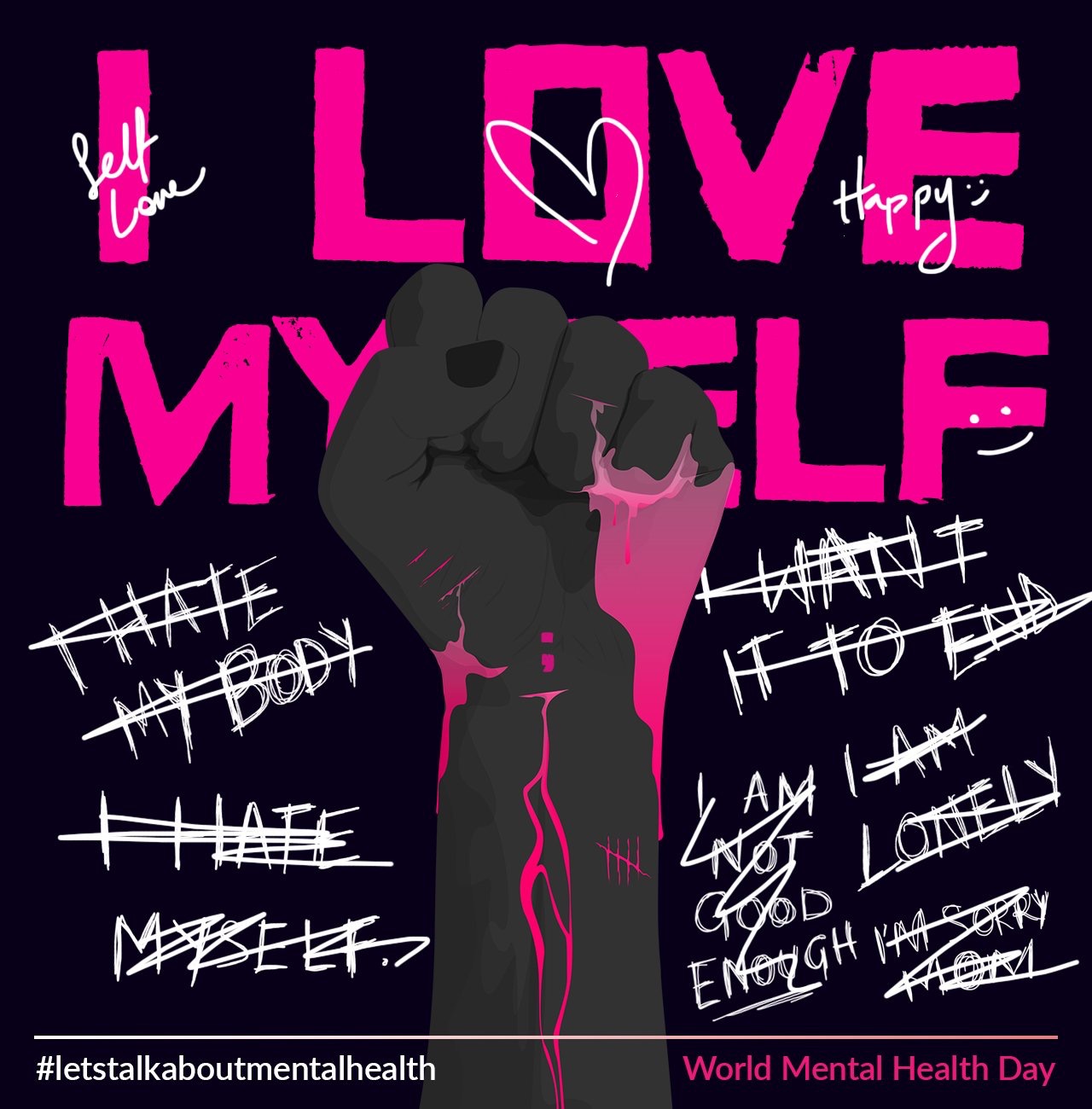
    #LetsTalkAboutMentalHealth by multidimensional creative from Lagos, Nigeria, Niyi Okeowo.

    Our parents might have made mistakes due to ignorance or the fear of the unknown but it does not mean we should. Depression is the number one cause of suicide in the world.
    Do well to communicate with your kids and know what is going on in their lives. You should be able to detect a change in their behaviours and eating habits and know the reason why.
    When an adult is depressed, the people closest to him/her notice. The key is to know what triggers their episodes and ensure that they avoid those triggers as much as possible. As an individual if you suspect you could be depressed, do well to seek medical assistance as quickly as possible. Suicide is not a solution to depression.
    Feeling depressed, talk to someone about it.


    Please if you experience suicidal feelings or thoughts [ Nigeria ], call these HOTLINES; +2348062106493 or +2348092106493. Remember you are not alone.