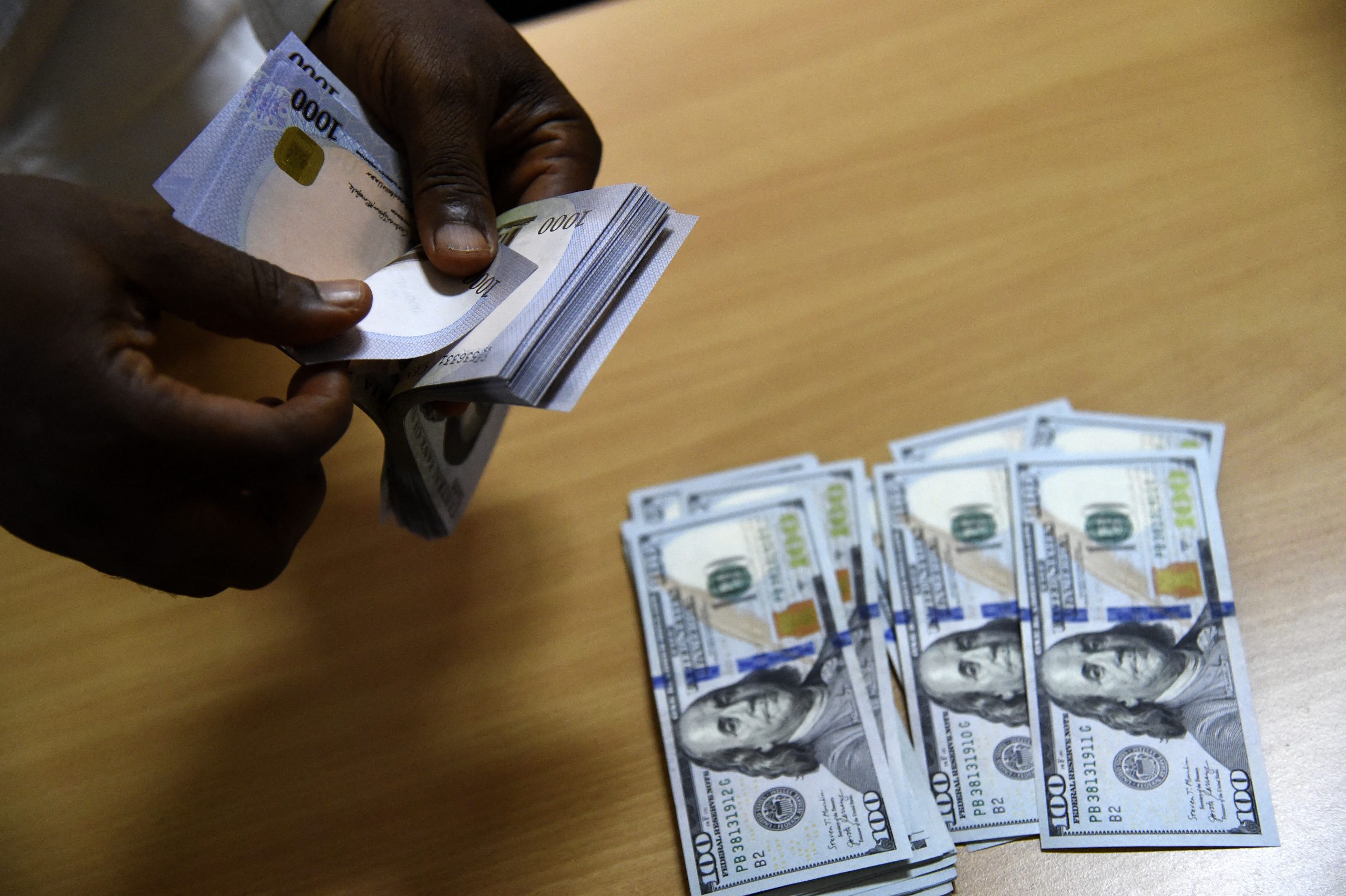
Nigeria’s central bank has lifted the ban on purchasing dollars on the official market for importing 43 essential items. This measure had redirected demand to the unauthorized market and led to a devaluation of the local currency.
The importers of all the previously restricted items are now allowed to purchase foreign exchange in the Nigerian foreign exchange market, as stated by the Abuja-based Central Bank of Nigeria in a statement on its website on Thursday.
The ban, which covered items such as rice, cement, and poultry, was imposed as part of unconventional policies under former central bank governor Godwin Emefiele’s efforts to support the naira currency. Analysts and investors had warned that the restriction indicated the central bank was still maintaining some form of capital controls. The lifting of the ban is seen as a positive step towards market liberalization.
The central bank also reaffirmed a pledge made by the new governor, Olayemi Cardoso, last month to quickly clear the bank’s backlog of unsettled forex obligations to local lenders, estimated at about $7 billion.
Africa’s largest economy has struggled to address chronic dollar shortages on the official market, where trading volumes have steadily declined, causing the naira to slump to a record low against the dollar. There is a significant premium over the official exchange rate in street trading.
The central bank stated that it would continue to promote orderliness and professional conduct by all market participants to ensure that market forces determine exchange rates based on a “willing buyer-willing seller” principle. The bank also reiterated that the prevailing foreign exchange rates should be referenced from its website and other recognized trading systems to promote “price discovery, transparency, and credibility in the forex rates.” The central bank seeks to attain a “single forex market,” and consultations with market participants are ongoing to achieve this goal.
The lifting of the forex ban on essential items is a welcome step by the Central Bank of Nigeria, signaling a move toward a more market-driven approach to managing the exchange rate. However, the central bank still has more work to do in addressing the chronic dollar shortages on the official market. One way to achieve this would be to signal to commercial banks that they can offer a weaker naira rate for dollars to increase the supply of dollars. The central bank also needs to continue working with market participants to achieve the goal of a single forex market, which would require further liberalization of the foreign exchange market and a reduction in the central bank’s role in managing the exchange rate.