“The State of the Nigerian Creator Economy: Content, Culture, and Cashflow,” report is the first ever comprehensive study on Nigeria’s creator economy. Developed by Communiqué, TM Global, and the National Council of Arts and Culture (NCAC), the report uses platform data, industry metrics, and ecosystem analysis in highlighting the powerhouse driving cultural and economic growth.
Nigeria’s Creator Economy by Platform
- Instagram: 469,243 profiles with 1,000+ followers
- TikTok: 6.3 million profiles with 1,000+ followers (98% have Nigerian audiences)
- YouTube: 15,105 creators with 1,000+ subscribers
- 54% of creators have less than 10k followers
Nollywood’s Evolution: From Home Videos to Global Blockbusters
Nollywood is the world’s second-largest film industry by volume. It grew from bootlegs and home videos in the 1990s to a ₦11.5bn box office in 2024 (up 60% from 2023).
Photography
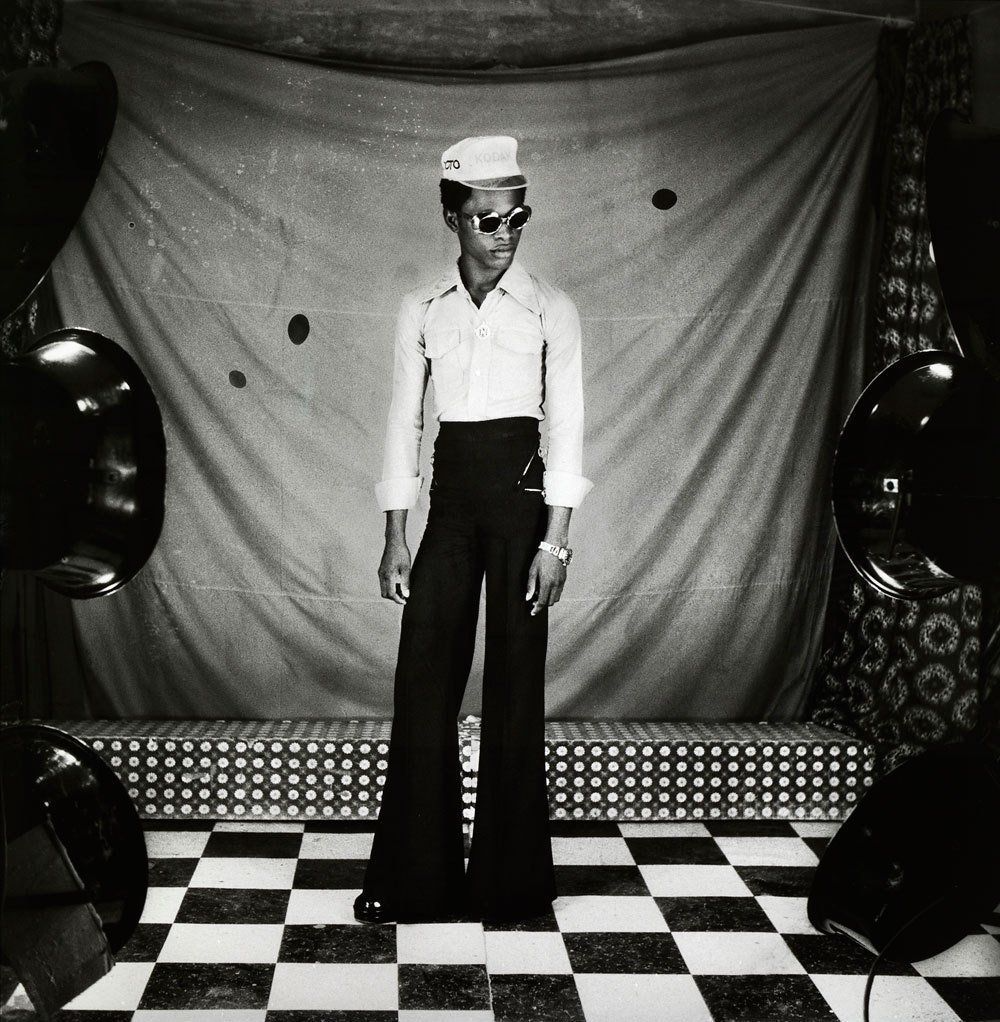
Photography was once considered a hobby, but with the rise of digital tools and social media, it has become an accessible and lucrative profession. Artists like J.D. ’Okhai Ojeikere and Samuel Fosso turned photography into cultural storytelling. Today, Nigerian photographers thrive across fashion, film, and documentary, earning in hard currency despite infrastructure challenges.
Content Creation & Podcasting
The digital revolution has created a new class of entertainers who are deeply connected to their audiences on platforms like Instagram, TikTok, and YouTube. The COVID-19 lockdowns helped birth a ₦50 billion content economy in Nigeria. Creators like Mark Angel, Broda Shaggi, Taooma, and Mr. Macaroni showed that local humour could go global.
Podcast listenership grew 222% between 2021–2022, with shows like ‘I Said What I Said’, ‘Afrobeats Intelligence’, and ‘Tea With Tay’ shaping culture.
Music: Afrobeats to the World… Literally
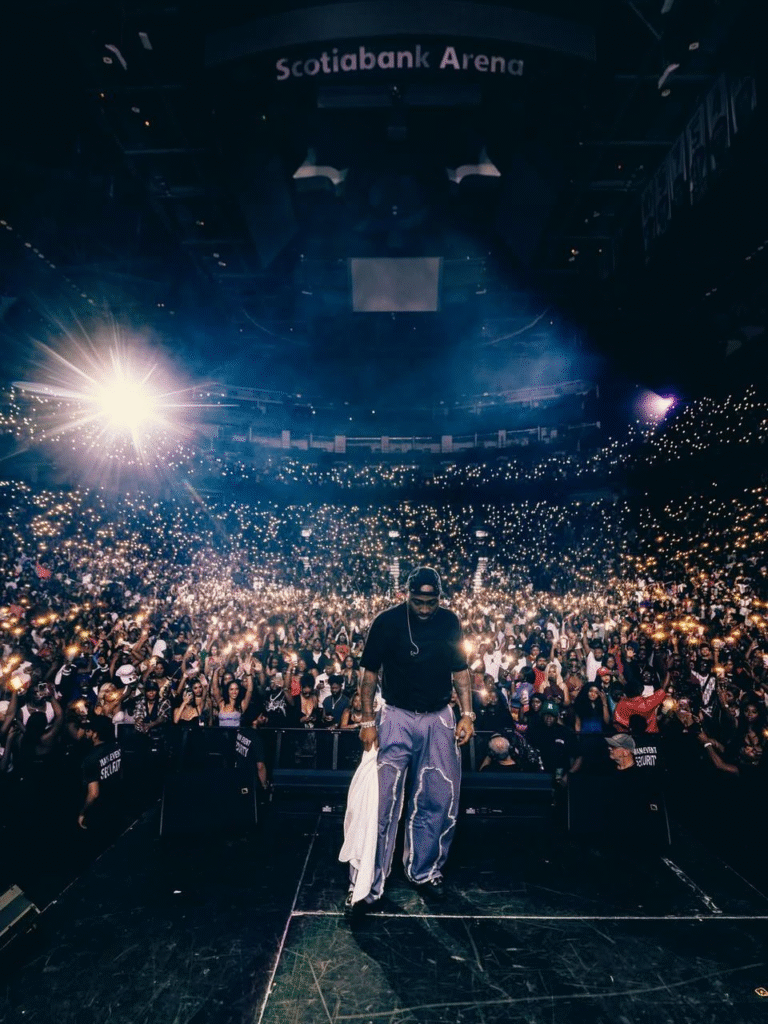
Nigerian music has always mirrored the country’s dynamism, with Afrobeats evolving from Fela Kuti’s “Afrobeat” in the 1970s. A new wave of artists emerged in the 1990s and 2000s -Plantashun Boiz, Psquare, Eedris Abdulkareem, D’Banj, and 2Baba, followed by figures like Wizkid, Davido, Burna Boy and Olamide in the 2010s, which led to the global crossover of Afrobeats. In 2024, Spotify royalties to Nigerian artists hit ₦58bn (146% YoY growth). The music industry is projected to generate $182m by 2026. With over 30 billion Afrobeats streams globally, record labels from LA to London are now setting up in Lagos.
Fashion & Beauty
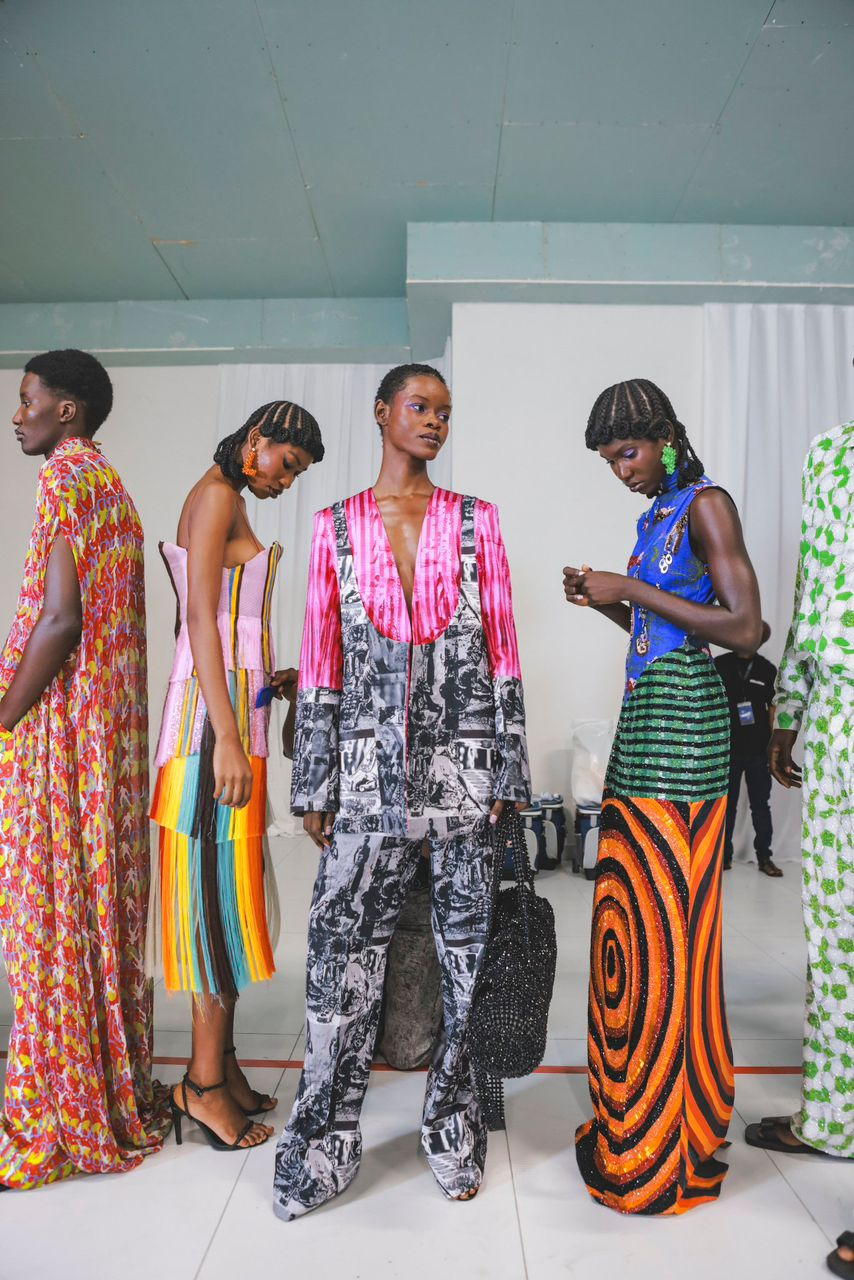
The fashion and beauty industry in Nigeria is a major player in the creative economy, valued at over $6.14 billion (Fashion industry worth $4.72 billion, Beauty sector valued at $1.42 billion (2021)). The fashion industry alone contributed approximately $6.1 billion to the country’s GDP in 2024.
Shade Thomas-Fahm pioneered modern Nigerian fashion in the 1960s. The 2000s saw Tiffany Amber, Zizi Cardow, Ituen Basi reshape style. Today, Ashluxe, Kenneth Ize, and Lisa Folawiyo lead global trends.
Notable events like Lagos Fashion Week and the endorsements of stars like Beyonce and Naomi Campbell, are cementing Nigeria on the world stage.
The industry is poised for rapid growth, with projections of reaching $1.39 million in revenue by 2025 and an expansion to a market volume of $1.845 million by 2029.
Gaming
Gaming in Nigeria started in neighborhood game centers in the 1990s and 2000s and shifted significantly after 2015 with mobile internet and cheaper smartphones. The emergence of local game studios has led to the creation of personal and familiar titles like ‘Mosquito Smasher’ and ‘Danfo Reloaded’.
While studios develop games, players are building audiences on platforms like YouTube, Twitch, and TikTok.
- Early 2000s: Mortal Kombat & FIFA at “onile” game centres.
- 2010s: Local studios like Maliyo & ChopUp launched Nigerian-themed games.
- 2025: GamrX tournament in Lagos drew 1,000 gamers, ₦15m prize pool.
- The gaming industry is valued at $20m today, projected to hit $126m by 2027.
Visual Arts
Nigerian visual artists are gaining international recognition, with some breaking auction records and being commissioned by global institutions. Technology has been a catalyst, opening new frontiers for visual artists, from digital art to exhibitions on the metaverse. This new wave of artists are using digital tools to explore Nigerian history, culture, and identity in innovative ways.
- 1950s: Yusuf Grillo, Bruce Onobrakpeya, and Uche Okeke birthed Nigerian modernism.
- 2000s+: El Anatsui, Njideka Akunyili Crosby, Toyin Ojih Odutola won global acclaim.
- Record sales: Njideka’s ‘The Beautiful Ones’ – $4.7m; Ben Enwonwu’s ‘Tutu’ – £1.2m.
- Digital wave: Anthony Azekwoh’s ‘The Red Man’ NFT sold for $25,000.
- Platforms like Art X Lagos now connect Nigerian artists to the world.
Nigeria’s creators make money across multiple streams:

Slide 11: The Monetization Challenge
The headline figure of a creator economy valued at over $31.2 million can be deceptive. Visibility ≠ Sustainability
- 56% of Nigerian creators earn less than $100/month.
- Only 3% make $5,000+ monthly.
- Most rely on digital products & brand deals; passive income streams (ads, royalties) are still limited.
- Income is often inconsistent & unpredictable, making long-term planning tough.
- Many creators juggle content as a side hustle, not full-time careers.
How do we turn cultural influence into consistent, scalable income?
Government Steps In
- Creative Economy Development Fund: $200 million from Afreximbank
- 3 Million Technical Talent Program: 117,000 already trained
- National Digital Economy Policy targeting 90% broadband penetration
- Creative and Tourism Infrastructure Corporation investing $100 billion
What does the future of Nigeria’s Creator Economy look like?
- AI integration and policy framework development
- Shift toward micro-entrepreneurship and niche specialization
- Move from platform dependency to audience-driven monetization
- Need for creator guilds and professional development